Roof Capital Planning in Clearwater, FL

Roof capital planning in Clearwater, FL separates urgent repairs from phased replacement. Understand the condition, access and equipment work behind the budget.

A roof budget can miss the expensive part of the job when it counts only the surface area. Wet insulation sits underneath. Equipment may need lifting. A damaged deck may need repair. None of those items disappears because the replacement sheet has already been priced.

Roof capital planning in Clearwater, FL starts with the existing assembly and the condition beneath it. We explain which findings support a repair, which make a larger project worth considering and which questions remain unresolved. The budget then has a scope behind it.

A property manager also needs a sequence. Immediate water entry and a later replacement project can require different work dates. We separate those decisions and show where they depend on each other, so the current repair does not quietly become a second expense during the reroof.

Inspect before choosing the year

Inspect before choosing the year

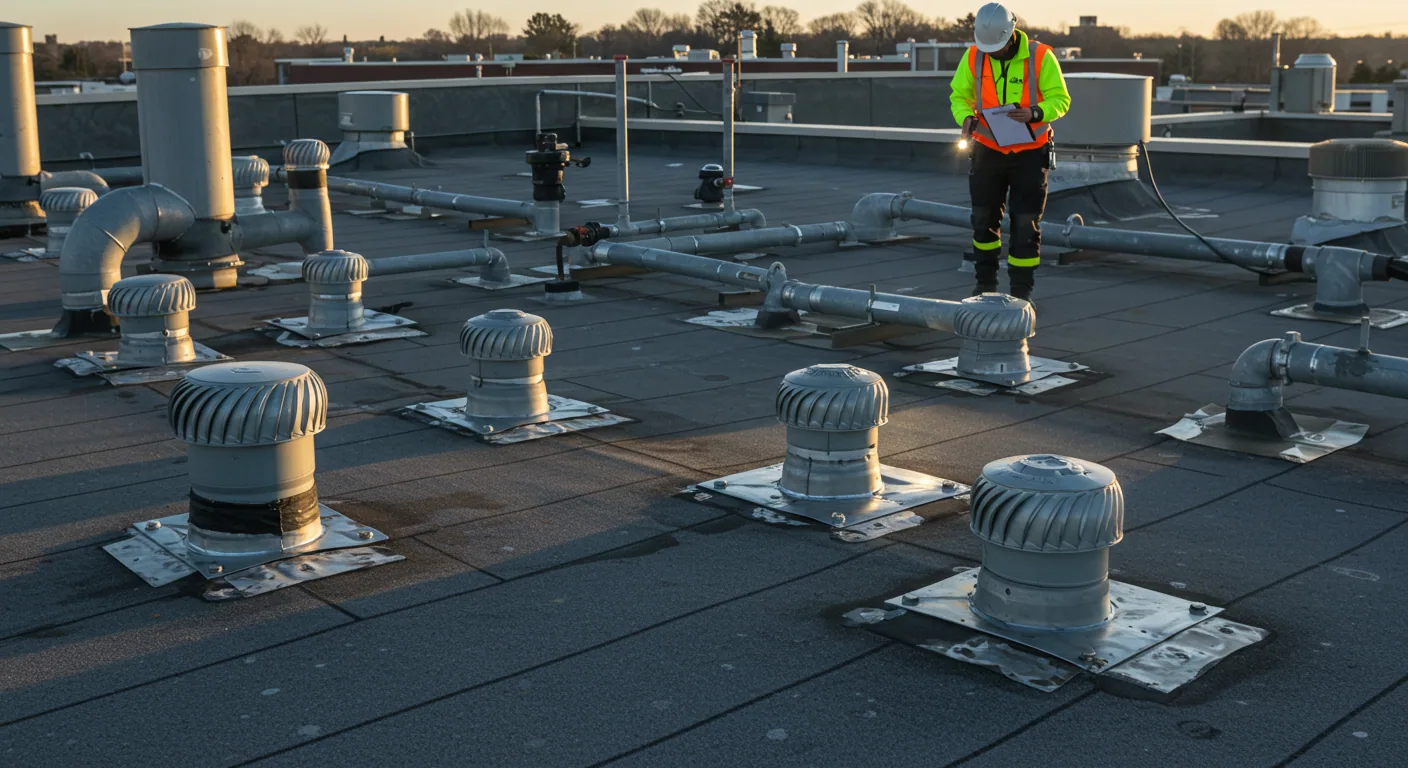
A roof's age is a useful record, but it is not a full condition assessment. An older assembly can have sound areas beside failing details. A newer section can have damage from drainage or equipment work. We examine the roof before giving either one a place in the capital schedule.

The condition report identifies defects and their locations. Moisture investigation helps establish the affected area where the inspection indicates wet materials. Test openings can answer assembly questions that drawings or surface photographs cannot settle.

Where access is limited, we say which finding needs confirmation. A budget based on a visible inspection can be useful, but an unresolved deck or insulation condition should remain visible in the planning assumptions. Hiding that uncertainty does not make the eventual project easier to price.

Compare workable scopes

The options follow the findings. A local repair addresses a defined defect. A recover adds a roof assembly over materials that are suitable to remain. A replacement removes the existing roofing within the agreed scope. These are different jobs, and each needs its own condition checks.

We assess a roof recover or overlay against the existing layers, moisture findings, attachment and structural considerations. If those conditions do not support it, we explain why. A recover should not enter the budget merely because it avoids tear-off.

For commercial roof replacement, the scope identifies what comes off and what gets rebuilt. Drainage changes, flashing heights and equipment connections belong in that discussion. Otherwise the manager can compare prices that describe different assemblies without realizing it.

Account for the building's operation

Account for the building's operation

Countryside Mall is a large enclosed retail property in Clearwater. For a retail roof project, occupied spaces and tenant access can affect the work sequence as much as the membrane choice. We establish the actual affected areas before allowing for staging, protection and restricted work periods.

The Gateway District includes offices and other business operations. At a building there, roof access may need coordination with equipment service, deliveries or the spaces beneath the work. We discuss those requirements with the property team instead of assuming an empty roof and unrestricted hours.

The budget should identify these operating constraints. A project above an active kitchen has a different coordination plan from a vacant section. Both can use a similar roof system, but their access and protection requirements need separate allowances in the scope.

Check the connections between phases

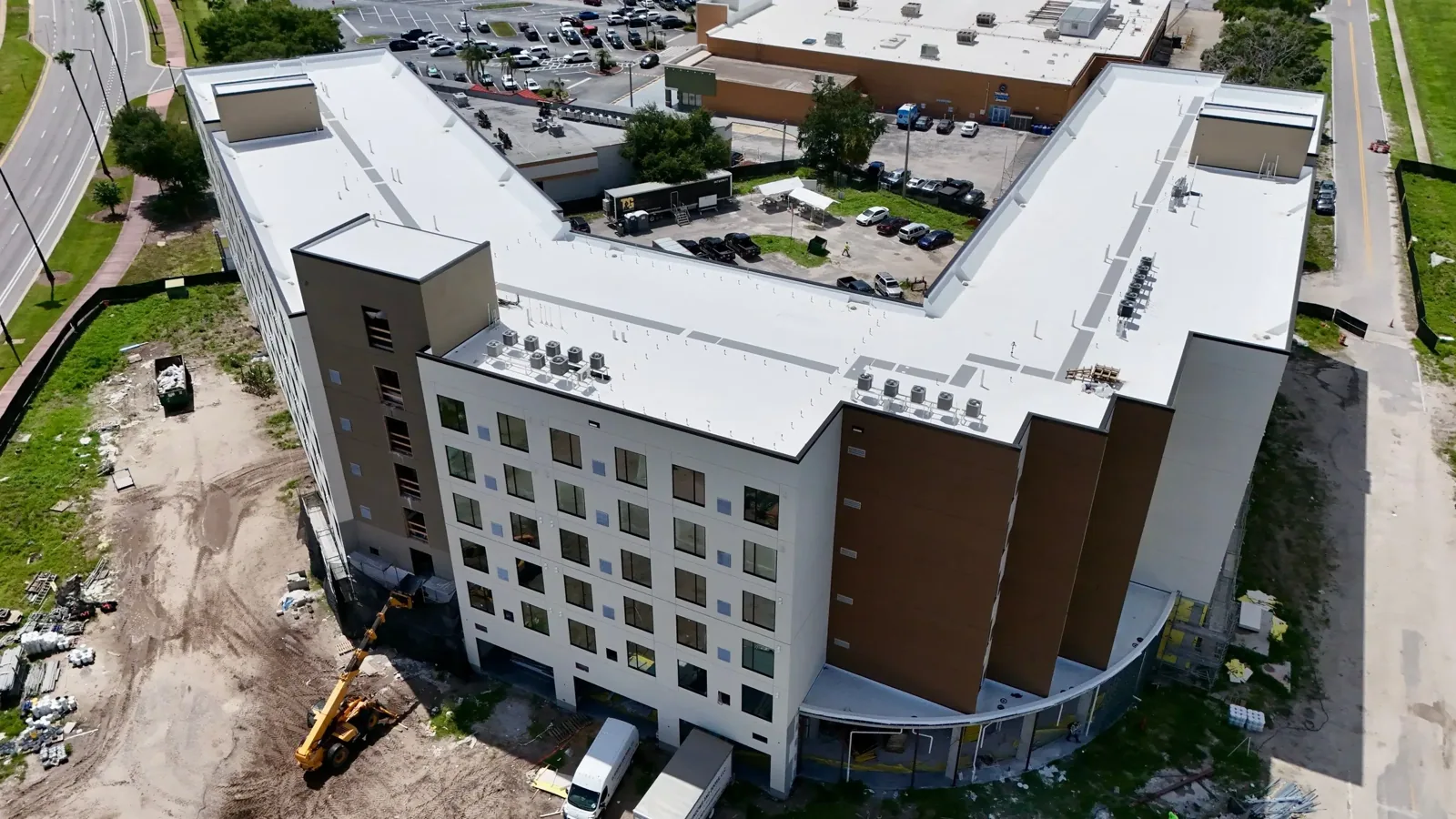
Separate roof sections can sometimes be replaced in different years. Shared drains, walls and changes in height can limit that choice. We inspect the connections before drawing a boundary around the first phase.

A temporary tie-in needs to keep the building protected while the next section remains in place. Its condition needs checking during that period. The capital plan should explain the temporary work and the later work that removes or completes it.

Our roof asset records help keep those phases distinct. The manager can see which section has a new assembly, which remains under maintenance and where the two join. That avoids treating the whole building as replaced after only one wing is finished.

A sensible phase also fits the operating calendar. We coordinate work over occupied buildings around the affected spaces, while keeping the roof openings small enough to protect within the available weather conditions.

Show what can change the price

Show what can change the price

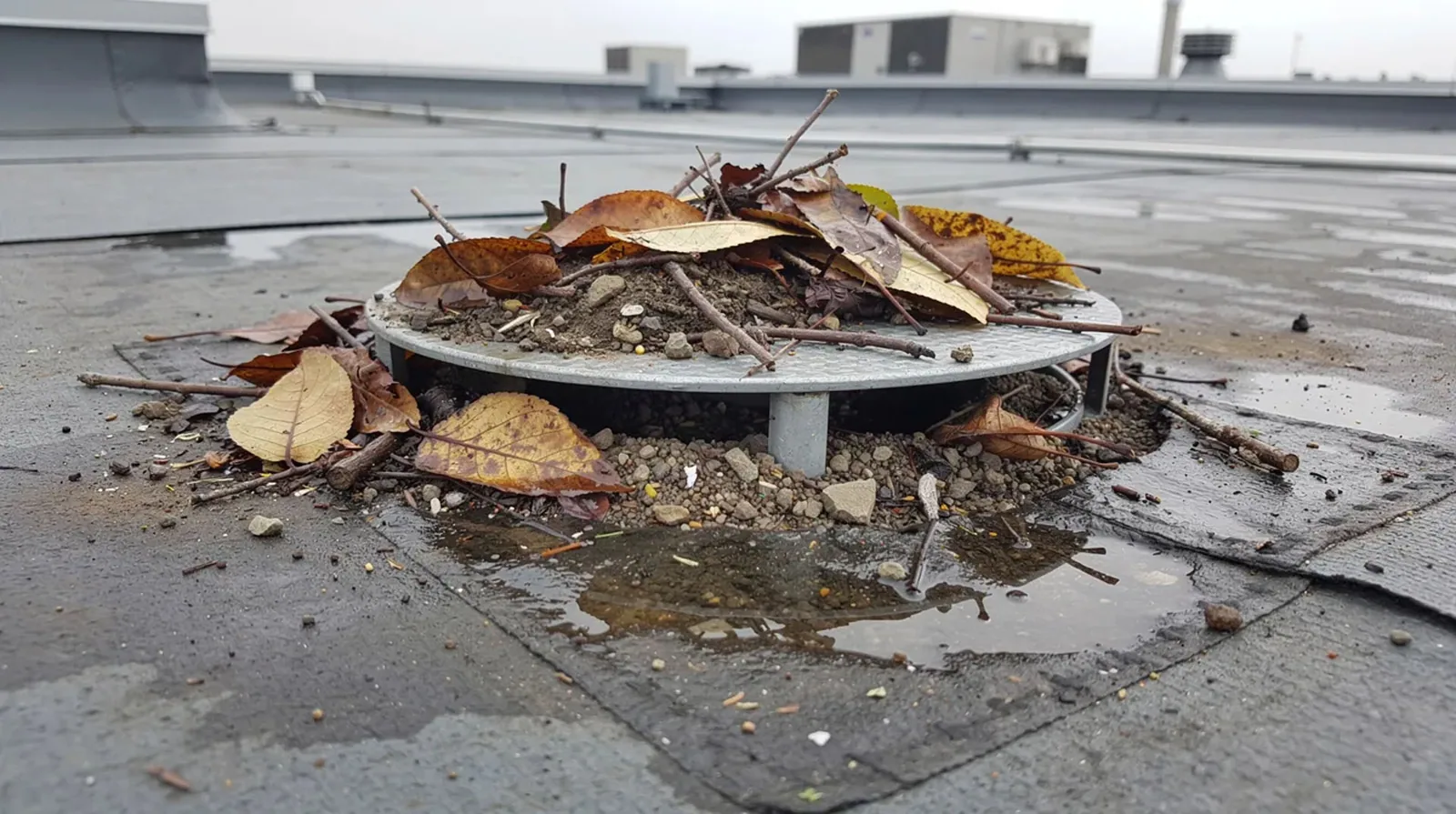
Damaged insulation, deck repairs and equipment moves are major scope questions. Height, material handling and staging affect the work too. We identify which items have been observed and which still need investigation, then explain how they could change the project.

Product choices need to be compared as assemblies. Insulation, cover board, attachment and flashing are part of the roof, not optional details added after a sheet is selected. A cheaper surface price can describe a different scope from the one the building needs.

We can distinguish a repair that buys useful service from a repair likely to be removed during a near-term replacement. The property team can then decide how to address the immediate condition without losing sight of the larger project.

For properties along the US 19 corridor, we record the site-specific access and building operation alongside the condition findings. Location alone does not establish a project's cost or a roof's replacement date.

Update the plan when condition changes

A capital plan needs review after significant roof damage, an equipment change or new moisture findings. Those events can change the scope and the priority. Keep the original assumptions with the revised plan so the property team can understand why the schedule moved.

A roof maintenance schedule helps keep the condition record current between capital projects. Drainage checks, flashing repairs and reported leaks provide evidence for the next review. We explain which findings support continuing with the plan and which call for a new inspection.

Send the budget timetable and the roof information already available. We can inspect the affected sections and show you the work behind each proposed expense.

Commercial Roofing Questions

Can you give us a planning scope before the final replacement design is settled?

An inspection can establish the condition findings and the options worth developing. We identify unresolved assembly questions and the assumptions behind the planning scope. Detailed design, product selection and further investigation may still be needed before the final project price is established.

Which findings would move a replacement forward in the budget?

Widespread deterioration, wet materials or damage that cannot be addressed sensibly by local repairs can change the priority. We show the affected areas and explain the repair options. A single leak report should lead to investigation rather than automatically moving the whole roof into replacement.

Should we patch an active leak if the reroof is already planned?

The building still needs protection before the larger project starts. We identify a repair appropriate to the defect and explain whether that work will remain in the new assembly or be removed. The repair scope and replacement schedule should be considered together.

Why do two replacement proposals for the same area differ so much?

Compare the layers, removal work and detail repairs first. One proposal may include wet insulation or curb reconstruction while another excludes them. Access, interior protection and equipment moves can also differ. We explain the scope items so the comparison is between equivalent work.

Can we delay one wing without creating trouble for the new roof beside it?

The connection between the wings determines whether that phase boundary works. We check drainage, walls and the temporary tie-in, then describe what needs maintenance until the remaining section is rebuilt. A line on the budget needs a workable roofing detail behind it.
Put the scope beside the budget

Share your planned work dates and arrange an inspection. We will explain the condition findings, compare the roofing options and show where access or connected sections affect the sequence.

Request a Roof Assessment   or call 555-555-5555

Call555-555-5555