Roof Condition Reports in Clearwater, FL

Roof condition reports in Clearwater, FL show defects by location, explain repair priorities and identify what needs further investigation before work begins.

A roof inspection loses value when its photographs do not tell the manager where the damage is. An open seam in a close-up could be beside any unit on the building. Without a location, the repair crew has to find it again, and the owner cannot easily compare it with the finished work.

Roof condition reports in Clearwater, FL connect the photograph to a roof section, an observed defect and a recommended next step. We show what is failing and explain why it matters. Where a finding needs further investigation, the report identifies that work.

The result should be useful to the property manager, maintenance staff and whoever authorizes the scope. They need to understand the same roof condition without making three separate visits to the same opening.

Define the inspection area

Define the inspection area

The report begins with the roof sections inspected and the conditions affecting access. We identify the visible assembly where possible, the drainage arrangement and the main equipment connections. Any inaccessible section remains identified so it cannot be mistaken for an inspected area with no defects.

Our commercial roof inspections include the field and its details. A sound-looking membrane does not settle the condition of the edge, a curb or the drain connection. Those locations need their own inspection findings.

Existing drawings and repair records can help explain the assembly. We compare them with what is visible on the roof. If the material below the surface is uncertain, the report says which question needs a test opening or another investigation rather than presenting a drawing as proof of current condition.

Show the defect in context

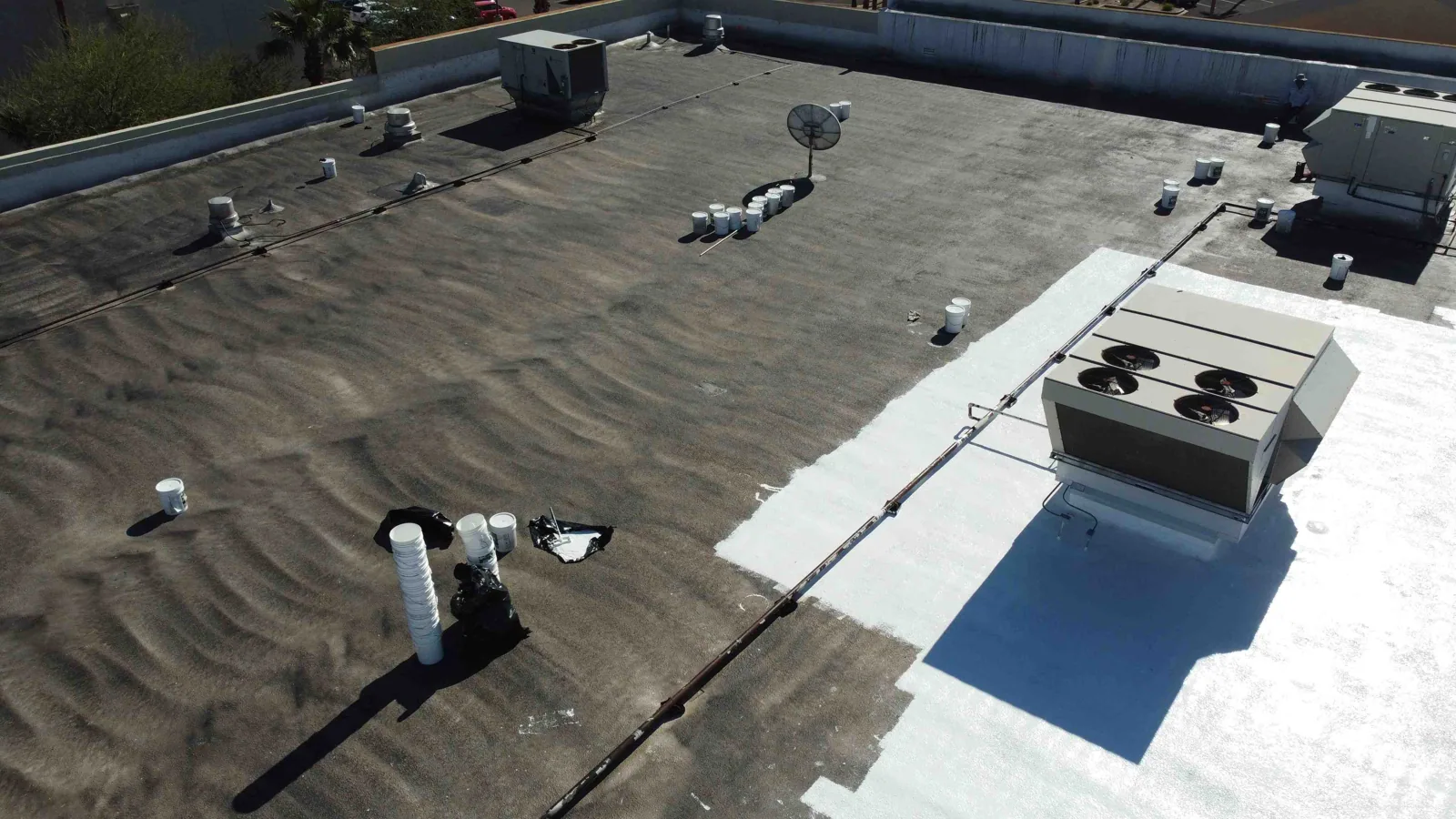
A useful photograph set includes the surrounding roof and a closer view of the defect. The wider view shows the nearby wall, drain or equipment. The close view records the open lap, loose termination or damaged material that needs attention.

We mark that location on the roof map and describe the finding in plain terms. The description separates what is visible from the explanation being investigated. A stained ceiling below a curb is evidence to compare with the roof, not proof by itself that the curb admitted the water.

The report can also include dated interior photographs where access is provided. Room or unit references connect those images to the roof findings. That lets maintenance staff report a returning leak against a known location instead of beginning a new, unrelated record.

Separate damage from the entry point

Separate damage from the entry point

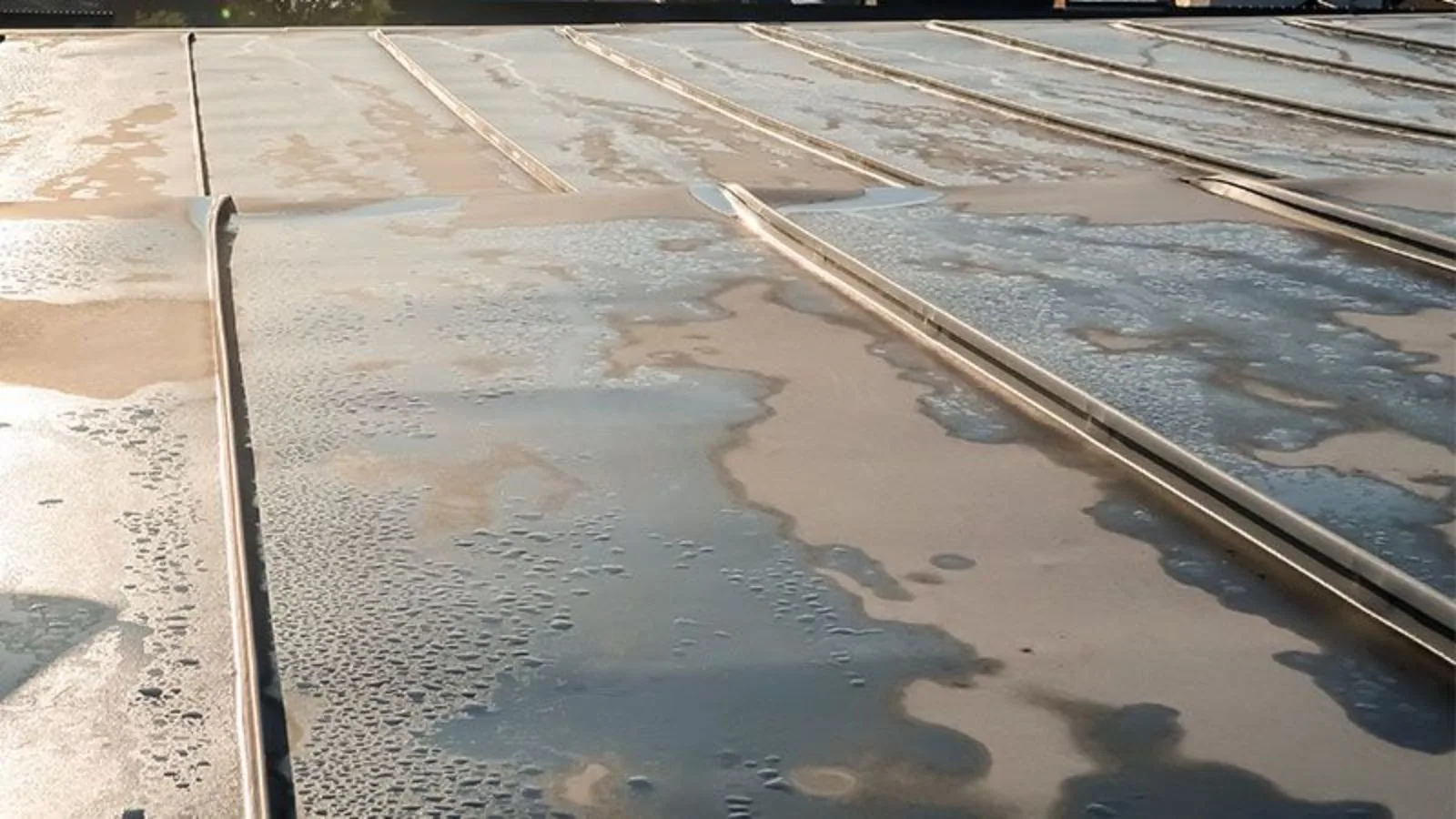
Wet insulation describes an affected part of the assembly. It does not automatically identify the opening that admitted the water. We explain both questions: where moisture may be present and which detail needs checking as the possible entry point.

An infrared survey can support the moisture investigation when the roof and weather conditions are suitable. The report identifies the survey method and any limitations, then explains where further confirmation is needed. A temperature pattern should not quietly become a statement that every material within it must be removed.

Confirmed damage affects the repair scope. We distinguish a flashing correction from the removal and rebuilding of wet roofing. That helps the owner see why closing the opening and addressing the affected layers may require different parts of the job.

Include the building's working conditions

Morton Plant Hospital is a multi-pavilion campus overlooking Clearwater Bay. A medical property illustrates why a report needs more than membrane photographs. Access, equipment and occupied spaces can change how a repair is investigated and carried out. We establish the actual requirements at the building being inspected.

Countryside Mall is an enclosed retail property with multiple levels. On a retail roof, changes in height, skylights and tenant equipment can create separate inspection areas. We map the details we observe rather than assigning roof conditions from the property's size or building use.

For a manager in the Countryside area, the report should show which findings affect the spaces below and what coordination the next step needs. The building's operation belongs beside the recommendation, where the person setting the work date can see it.

US 19 connects commercial properties through Clearwater and neighboring Pinellas communities. For a manager responsible for several addresses along that corridor, a building label and roof map keep each finding attached to the right property. The record needs to remain clear when the same maintenance staff travels between sites.

Explain the order of work

Explain the order of work

A report needs to distinguish immediate protection from planned corrective work. An active opening can require temporary measures before the permanent repair is ready. A developing defect may need a scheduled repair and monitoring until that date. We explain the reason for the priority.

Our capital planning uses the same condition findings to compare larger options. A local repair, recover and replacement have different requirements. The report identifies which observations support considering them, without turning a surface inspection into a completed design.

The scope for commercial roof repair should point back to the relevant findings. Photographs of completed work can then be compared with the reported defects. That gives the manager a clear way to see which recommendations were addressed and which remain open.

Keep the report usable after the visit

A condition report becomes part of the roof asset record. Keep the inspection date, section labels and photographs together with later repair information. The next report can then compare the same roof areas rather than treating the building as an unfamiliar job.

When several properties need inspection, portfolio roof reporting uses comparable condition categories. The detail still stays with each building. A manager can review the priorities across the portfolio and then open the relevant roof map to understand the scope.

Send the leak locations and any previous reports before the inspection. We can identify the questions that need answering and show you the findings in a format your property team can continue to use.

Commercial Roofing Questions

Will the report say whether each defect is actively leaking?

Visible openings and reported leaks are documented separately from suspected causes. Some defects need controlled testing or further access before the entry point is established. We explain that distinction so the manager can see what has been observed and what the next investigation needs to confirm.

Can an inspection report include the areas behind rooftop equipment?

Safe access sets the inspection boundary. Where equipment prevents a close examination, we identify the affected detail and what coordination would be needed to inspect it. The report should not describe a concealed connection as sound merely because no defect was visible from farther away.

Does the report include a price for every recommendation?

A repair scope can be priced once its extent and access requirements are understood. Findings that need moisture confirmation, equipment movement or design work may require those steps first. We explain which recommendations can be scoped now and which need more information before pricing.

How can we check that the recommended work was actually completed?

Match the repair location and completion photographs with the original finding. The record should identify the corrected detail and any changes to the scope. If some work remains, keep that item open with an explanation rather than closing the entire report because one repair is finished.

Can the same report help the next property manager?

Clear section labels and marked photographs make the handover much easier. Keep later repairs associated with those locations, and note changes to rooftop equipment. The incoming manager can then identify recurring problems and arrange the next inspection with a usable history of the assembly.
Get the finding and its location together

Arrange a roof inspection and share the areas causing concern. We will show the defects, explain their priority and identify any investigation needed before the repair scope is settled.

Request a Roof Assessment   or call 555-555-5555

Call555-555-5555