Hotel Roofing in Clearwater, FL

Hotel roof repair in Clearwater, FL covers wall flashing, drainage and equipment connections. We plan repairs and replacement around guests and staff.

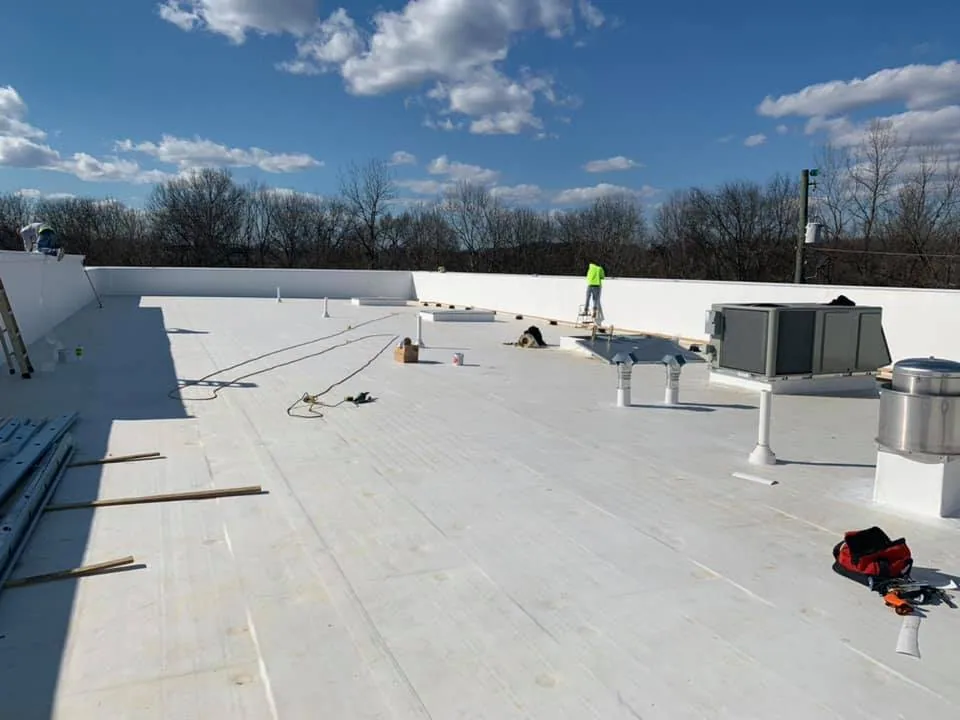
A hotel roof can leak where a taller wall meets a lower roof. Water runs down the wall, reaches the flashing and finds a loose connection. The membrane across the middle may still be sound. Replacing that membrane without correcting the wall detail leaves the same opening above the rooms.

Hotels need an inspection that follows the changes in height. Guest wings, meeting rooms, kitchens and entrance canopies can have separate roof sections. Each drains differently. Each has its own wall connections and equipment. We mark those sections before deciding which one needs work.

Hotel roofing in Clearwater, FL also has to fit a working property. We plan access with the manager, protect the spaces below and explain which activities affect room availability. The inspection gives you a repair scope and an operating plan you can put in front of the front desk and maintenance staff.

Check each change in height

Check each change in height

A roof-to-wall connection has several parts. The membrane turns upward. Flashing closes the transition. The top of that flashing must keep water from getting behind it. If the termination loosens or the wall above admits water, adding a patch at the bottom does not settle the cause.

We inspect the top and bottom of the connection, the corners and any nearby movement joints. Stains inside help identify where to look, but they do not replace a close check of the exterior. A leak that appears only with wind from one direction deserves attention to the wall as well as the roof.

Where the wet area is hidden, an infrared moisture survey can help map suspect insulation under suitable conditions. We confirm the findings with further investigation as needed. The map helps define the repair area; it does not establish every water entry point by itself.

Read the coastal details

Clearwater Beach is a Gulf barrier island reached from the mainland over the Clearwater Memorial Causeway. The Beach Walk district south of Pier 60 includes hotels and condos. Roofing there needs close attention to exposed edges, fasteners and metal connections, where coastal conditions can affect the assembly.

We look for corrosion, loose attachments and separation at corners. A neat row of screws is not proof that the metal beneath them is sound. We check the connection and the material it joins before deciding whether a local repair is enough.

A property on Clearwater Beach also needs an agreed delivery and staging plan. Access across the causeway and through the property belongs in that discussion. We confirm the loading area and roof access on site so the work fits the building's actual layout.

Historic hotels need their existing wall details documented before the repair scope is settled. Safety Harbor Resort and Spa received a historic landmark designation in 1964. An older building's appearance does not establish its roof's age. We inspect the current assembly rather than assuming it needs replacement because of the building's history.

Follow runoff past the equipment

Follow runoff past the equipment

Water can arrive on a lower roof from an upper roof, a wall or an equipment drain. That extra flow matters during the wet season. We trace where it lands and where it leaves, then inspect the outlets and flashing along that path.

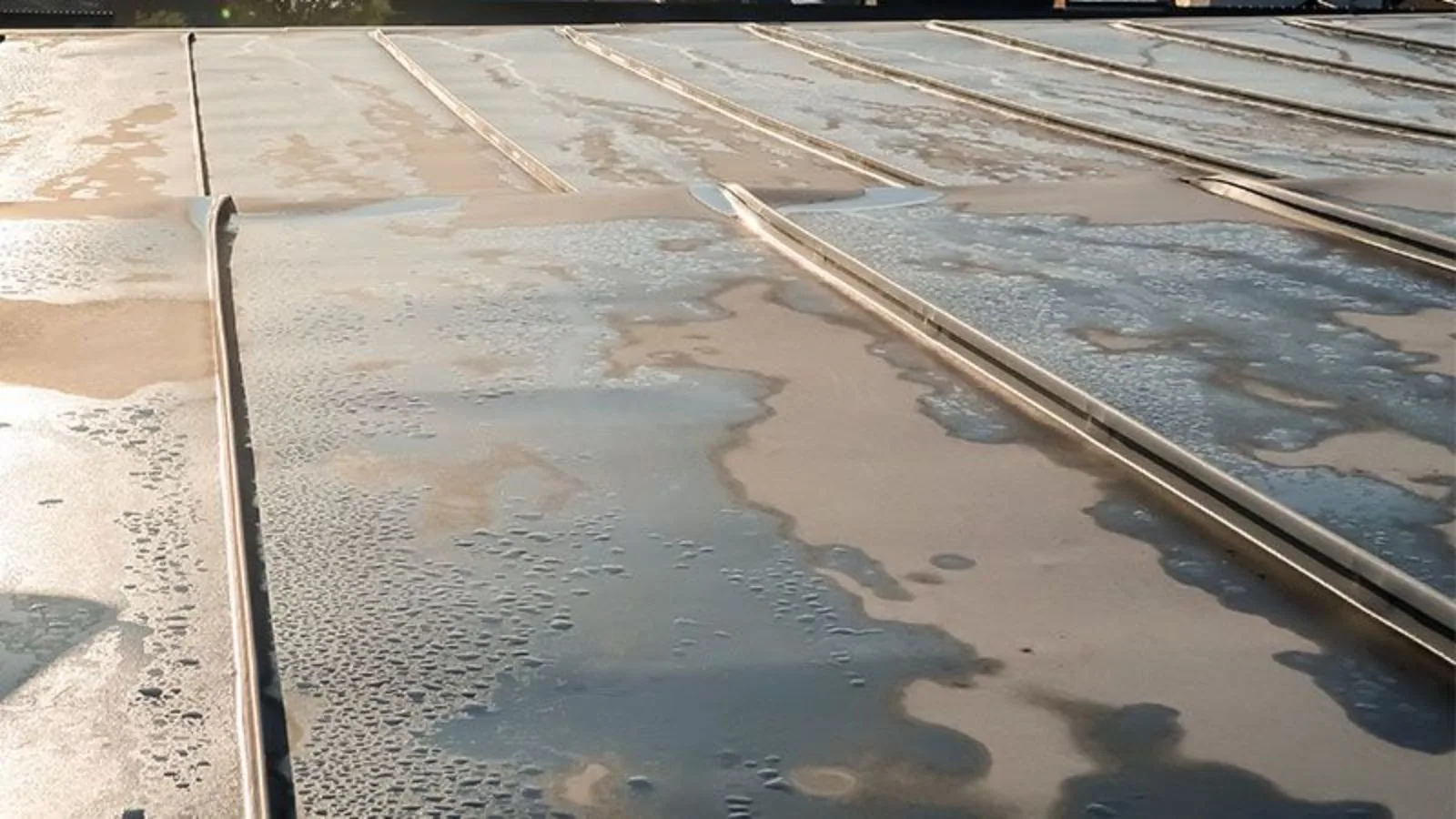
Our drain and scupper repairs address damaged connections as well as obstructions. If a low area holds water after the outlets are cleared, we check the roof elevations and assembly. A drain cleaning and a slope correction solve different problems.

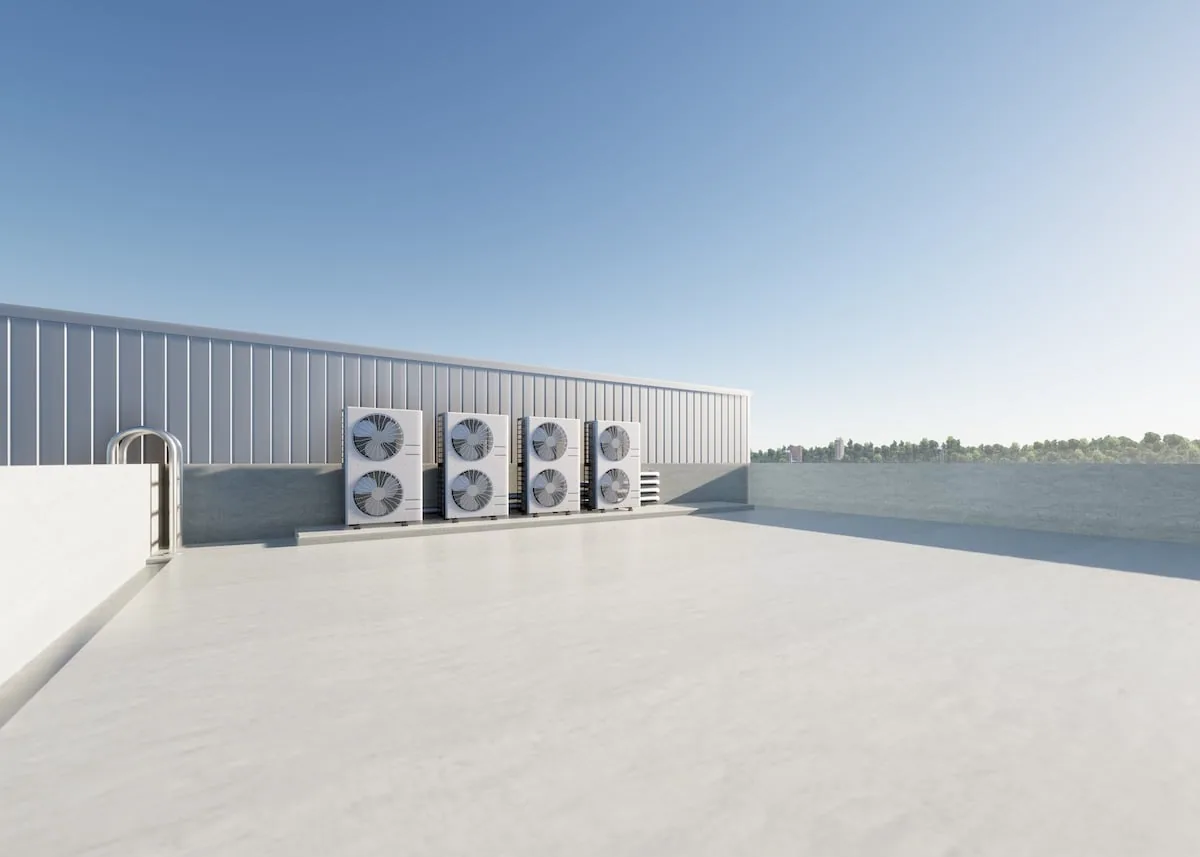
Equipment creates separate inspection points. Air handlers, exhaust fans and pipes put connections through the roof, while service traffic wears the approaches. We review the equipment curbs and supports with maintenance staff. A recurring drip beside a unit can involve its flashing, condensate or the equipment itself, so the relevant trades need to compare findings.

Keep the work away from guests

A material delivery needs a place to land without crossing a guest route. Removed roofing needs a controlled path out. We agree those routes before the crew arrives and identify the entrances, terraces and service doors affected by the work.

Noise needs its own schedule. Tear-off and fastening above a room wing can be disruptive even when no water enters. We explain the loud steps in advance, and the manager decides which rooms or meeting spaces to hold out of use. That decision should be made before reservations create a conflict.

For reroofing an occupied building, the roof is divided into workable sections. We open only what the crew can protect within the available conditions. Interior protection, air intake locations and temporary weather protection are part of that sequence. The guest schedule matters, but it cannot make an unsafe weather window workable.

Coordinate the spaces below

Coordinate the spaces below

A hotel kitchen adds grease exhaust and a different service schedule from the room wings. Before working there, we coordinate the roofing with the exhaust contractor and the kitchen manager. The concerns are the same ones addressed in restaurant roofing: clean bonding surfaces, sound curb flashing and safe equipment access.

Long-stay rooms add another consideration. People may keep belongings in place through the work and use corridors throughout the day. The notices and access controls used for multifamily roof repairs help the property manager plan those movements.

We put the affected roof section, interior spaces and work period together in the schedule. That makes it clear which task belongs above which room or function area. It also gives the manager a way to update staff when weather changes the day's plan.

Set priorities by roof section

One failed connection does not tell you the condition of the entire hotel roof. We separate active leaks from developing defects and sound areas. Photographs show what needs an immediate repair. Moisture findings and the remaining assembly help decide whether a larger section needs replacement.

The price reflects access, damaged materials, equipment moves and the protection required below. Several roof levels can add setup time. Restricted work periods can change the sequence. We explain those drivers instead of quoting the roof as if it were one empty rectangle.

After the work, a planned roof maintenance program keeps the inspection record current. Staff can report a new stain against the same roof map, and the next equipment service can be checked against the finished flashing. Send photos or book a roof inspection so we can show you which section needs attention first.

Commercial Roofing Questions

The same rooms leak only in rain from the Gulf. Where do you start?

The wind direction gives us a useful inspection clue. We check exposed wall connections, corners and roof edges above the affected rooms, then compare the findings with the interior pattern. Water testing may help isolate a detail, provided the test can be controlled without adding damage below.

Do you need us to take the whole room wing out of service?

The work area and interior protection determine the affected rooms. A small exterior repair may need limited access. Tear-off, noisy fastening or work over a vulnerable ceiling can require a larger separation. We identify that area with the manager before the room schedule is finalized.

Can we replace one lower roof and leave the upper roof for later?

Separate sections can be phased when their condition and connections allow it. We check shared walls, drainage and tie-ins first. If an upper section sends water into a failing lower connection, that detail needs a coordinated repair rather than two unrelated work dates.

A unit is dripping above a guest room. Should maintenance call the roofer or the equipment contractor?

Record whether the drip follows rain or equipment operation, then arrange the relevant checks. We inspect the roof and curb flashing; the equipment contractor checks the unit and condensate. Comparing both findings prevents a roof patch from being used to address an equipment leak.

What happens if an active leak starts outside the agreed work hours?

Call for emergency roof assistance and keep people clear of the affected interior area. Our response is available around the clock, including holidays. Access, wind and rain conditions govern what can be done immediately. We arrange safe temporary protection and explain the next permanent repair steps.
Bring the roof map to the next shift

Send photographs and the affected room locations, or book an inspection. We will explain the roof condition and help you plan the work with the people who run the property.

Request a Roof Assessment   or call 555-555-5555

Call555-555-5555