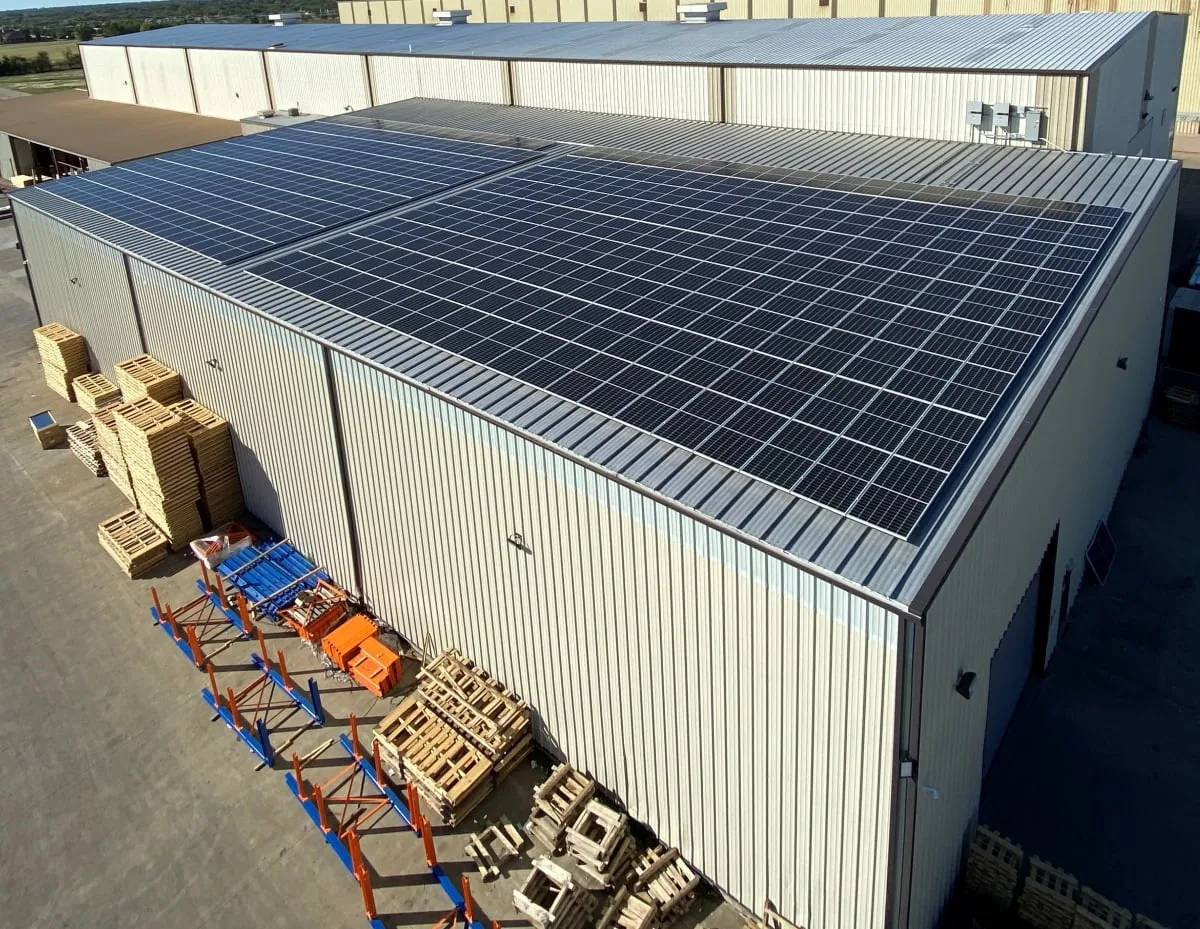
Modified Bitumen Roofing in Clearwater, FL

SBS and APP modified bitumen roofing for Clearwater, FL: how the cap sheet ages, blister and lap repair, torch-free options, and hurricane-ready installs.

Modified bitumen roofs usually fail from the top down. The granules that shield the asphalt wear off, the sun reaches the bare surface, and the sheet starts to dry, crack and open at the laps. It takes years. The warning signs show long before the first leak.

Modified bitumen is asphalt with polymers blended in so it stretches and recovers. It comes in rolls, in two main types. SBS is rubberized and flexible. APP is plastic-modified and holds up well under heat. Crews layer a base sheet and a cap sheet, then seal the laps.

For owners in Clearwater, FL, here is the short version. The system is tough and repairable. It also needs watching in a climate that bakes it by day and soaks it by afternoon. Here is how it ages, and what we do about it.
From granules to cracks

From granules to cracks

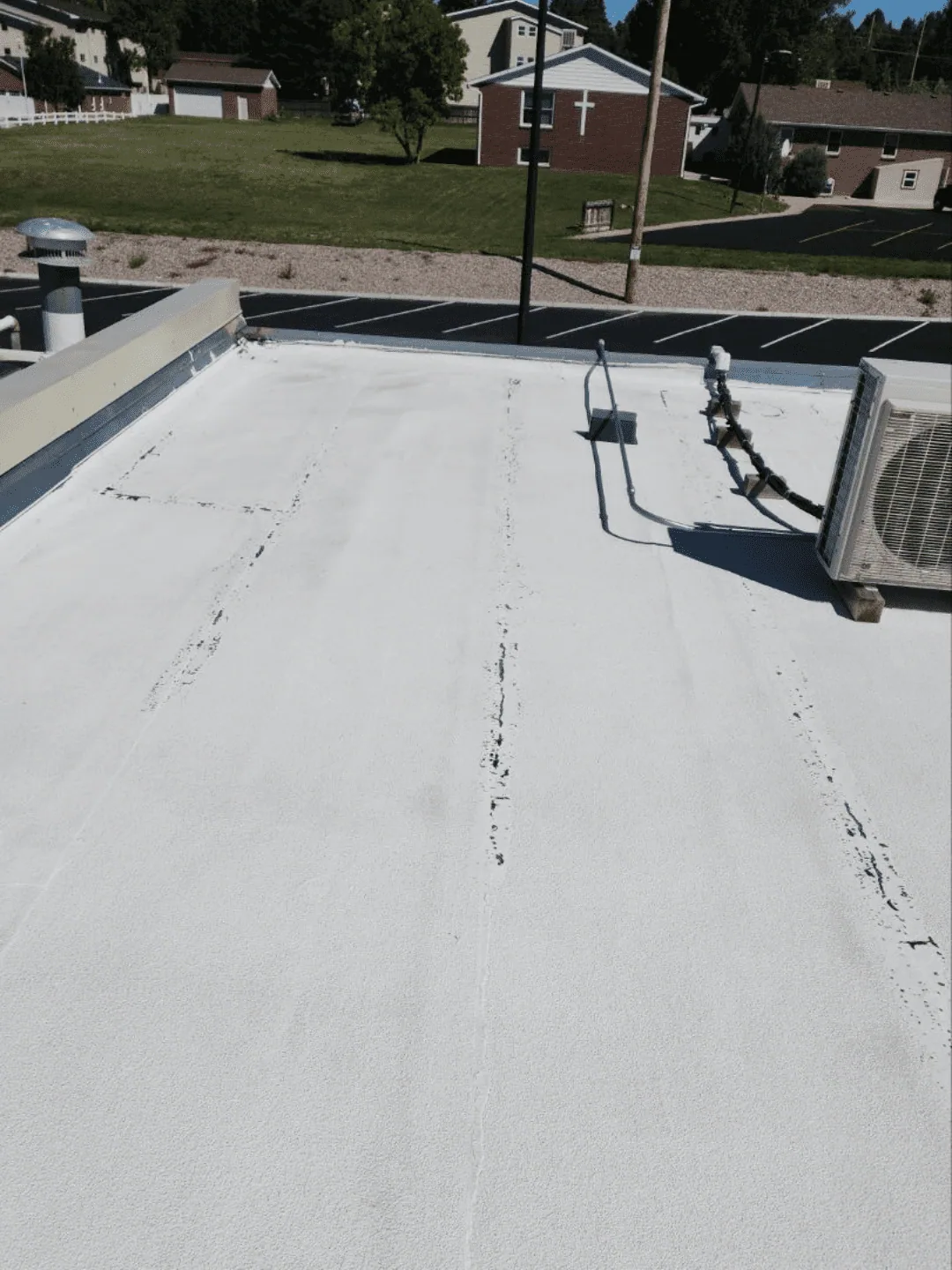
Step one is the granule. The mineral surface on a cap sheet is sunscreen for the asphalt. When rain washes it away, usually first near drains and along the downhill edges, the asphalt is exposed to UV.

Step two is the surface. Bare asphalt hardens. Fine cracks show up, sometimes in a pattern that looks like alligator skin. The sheet can no longer stretch with the roof as it heats and cools.

Step three is the lap. Where one roll meets the next, the seam gets the greatest strain. A lap that was heated too little or too much in the first place opens at the edge. Water enters, and the layers below it begin to hold moisture.

Blisters add a fourth path. A blister can develop where trapped vapor expands between poorly bonded layers. We inspect the affected plies and surrounding bond before deciding whether that area needs opening and rebuilding. A small blister is a repair. Several blisters call for investigation of trapped moisture, air and bond condition.

Sun, storms and salt

Tampa Bay gets about 49 inches of rain a year, nearly two-thirds of it from June through September, and Clearwater logs closer to 53. A roof that spends every afternoon in July either shedding water or holding it learns quickly which one it is. On modified bitumen, wet and hot is the worst pairing: heat softens the asphalt while water works into every opening.

Hurricane Milton added wind to that. Gusts up to 101 mph and more than 18 inches of rain crossed parts of Pinellas County in October 2024. A torched or adhered system with tight laps and well-fastened edge metal resists that pull well. A cap sheet with open laps or loose perimeter metal does not.

Older buildings raise another question. Downtown Clearwater has historic and institutional buildings such as the Fort Harrison Hotel and the Clearwater Bank Building, and Morton Plant Hospital includes buildings from 1941 and 1966. Building age does not identify current roofing layers. We inspect the present assembly and compare available installation records. That check matters in downtown Clearwater, where past work is hard to see from below.

What to look for on the surface

What to look for on the surface

Walk the roof and look for these signs:

  • Bare black patches where granules have worn off.
  • Granules piled in gutters, scuppers or drain sumps.
  • Fine surface cracking, especially on south-facing slopes.
  • Blisters, from coin size to dinner plate.
  • Laps with an open edge or a visible gap.
  • Flashing at walls that has slid, split or lifted.

A blister that is dry inside can often be cut, dried, glued and covered. Water in a blister warrants investigation of adjacent layers. An infrared moisture survey can identify suspect thermal patterns under suitable conditions. Confirmatory checks help define affected material and the repair boundary.

Torch, mop or peel and stick

Modified bitumen is installed in several ways, and the method changes the plan. Torch-applied sheets are heated with an open flame as they unroll, which makes strong laps but needs strict fire watch and careful work near combustible materials. Cold-applied sheets use adhesive and avoid the flame. Self-adhered sheets peel and stick, which suits occupied buildings where hot work is a concern.

We pick the method for the building. A hospital or a school needs a different approach than an empty warehouse, and the choice affects schedule, fire watch and noise. Cost follows the number of plies, how much old roof must come off, and the amount of flashing and edge metal.

The installation scope identifies the required permit documentation and the approved roofing assembly. For modified bitumen, attachment and lap treatment depend on the selected system rather than the material name alone. The design also addresses perimeter details and the applicable wind requirements. A layered asphalt system can instead use built-up roofing, with its own installation and detail requirements.

Repair, restore or replace

Repair, restore or replace

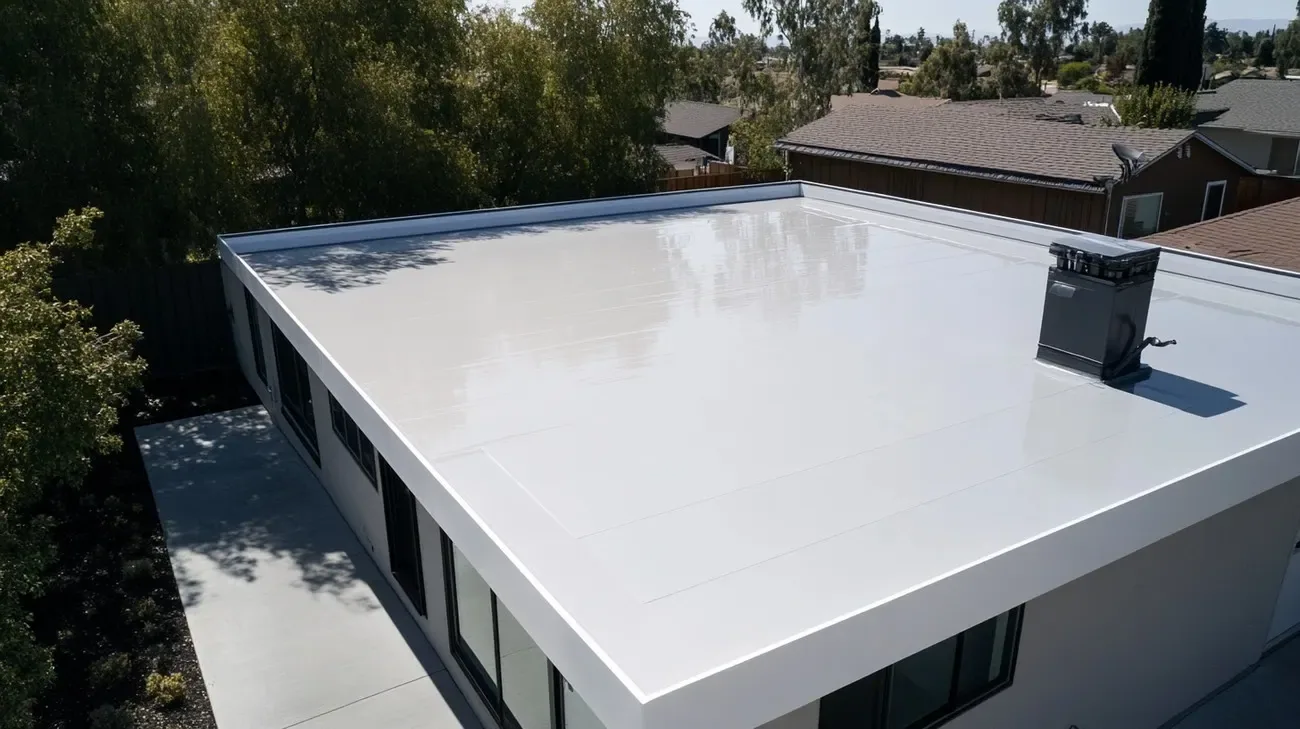
For a roof with sound plies, we repair at the laps and flashing, patch the blisters and re-seal the edges. For a roof that is dry but worn at the surface, a roof coating restoration can add years by putting a fresh shield over the asphalt. For a roof with wet insulation or deep cracking, commercial roof repair needs a supported removal boundary, with larger replacement considered where the remaining assembly cannot accept suitable repair.

When replacing, modified bitumen is not the only choice. A single-ply sheet such as TPO roofing goes on faster and weighs less. Modified bitumen gives you redundancy through its layers and tougher walking surfaces. We lay out the comparison for your building, with photos of the current roof and a plain account of what each choice would change for tenants, schedule and the next storm season.

Before choosing a repair method, identify the cap sheet and the layers beneath it. Granule loss can expose asphalt to sunlight, but cracks, blisters and open laps point to different conditions. We check whether moisture is trapped below the surface and whether the existing sheet can accept the intended repair material. Heat-based application requires a controlled work area and a method suited to the building's occupancy and surroundings. A cold-applied option has its own substrate and weather limits. The written scope should state which areas are retained, which are removed and how the rebuilt transition ties into the sound roof.

Commercial Roofing Questions

How can I tell if my modified bitumen roof is near the end?

Look at the granules and the cracks. Bare patches across much of the field, deep alligator cracking and laps that will not stay closed point to the end. Wet insulation points the same way. Photos and confirmed moisture findings contribute to the comparison with material, attachment and support condition.

Does the modified bitumen sheet affect the installation method?

The selected product determines its application requirements. SBS modifies asphalt with a rubber-based material, while APP uses a plastic modifier. We compare the sheet, substrate and permitted installation method before selecting the build-up, including hot-work restrictions at an occupied building.

Do you use a torch on an occupied building?

Only when it is the right tool. Many occupied buildings call for cold-applied or self-adhered sheets instead, which remove the flame. Fire watch, material storage and tenant notice are part of every plan.

Can a blistered roof be saved?

Often. A few dry blisters can be cut, dried and sealed. A field of them with wet insulation below needs more. We open one, look inside and photograph what we find.

Will a coating stop a leak on a cracked cap sheet?

A coating covers the surface and seals fine cracks, but it does not fix open laps or wet insulation. We repair those first. If the base is dry, a coating then adds years.

Show us the laps and blisters

Send photos of the granules, the seams or any bubbles, or book an inspection. We will walk the roof, show you what we see and explain whether repair, a coating or a new system is the right next step. Call any day of the week.

Request a Roof Assessment   or call 555-555-5555

Call555-555-5555