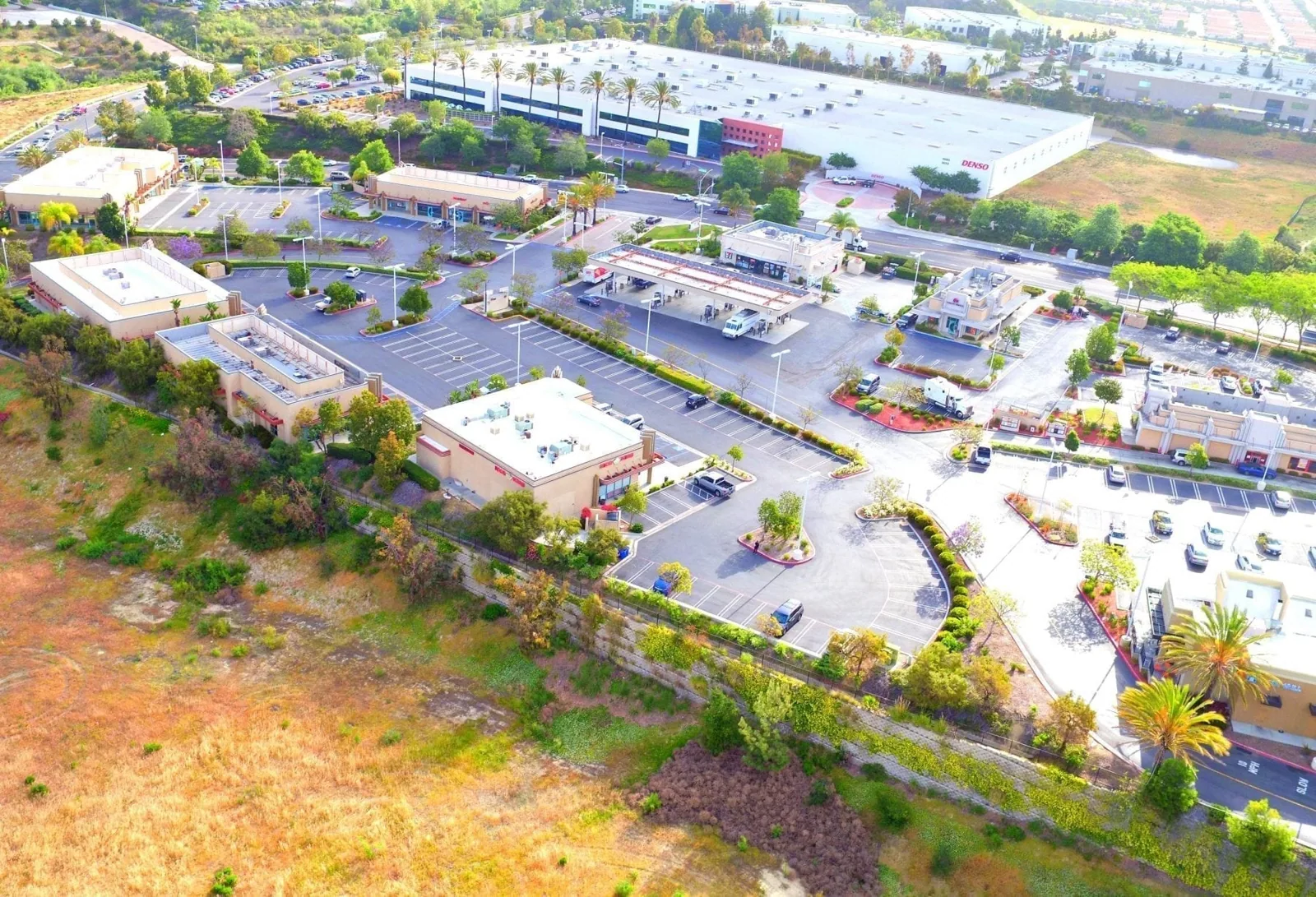
Roofing Capabilities

Clearwater roof planning connects findings with repair priorities, budgets and records. We explain capital decisions, warranty review and portfolio needs.

Roofing Capabilities in Clearwater

A roof decision can go wrong when several different conditions are reduced to one replacement date. One section has wet insulation. Another has a local flashing defect. A third still needs access for inspection. We keep those findings separate so the manager can see what each decision rests on.

Roof planning and reporting in Clearwater, FL connects the inspected assembly with the work proposed. Photographs, locations and material condition provide the basis. An unresolved investigation remains identified instead of being treated as proof that the roof is sound.

Browse Roofing Capabilities

Keep the observation connected to its location

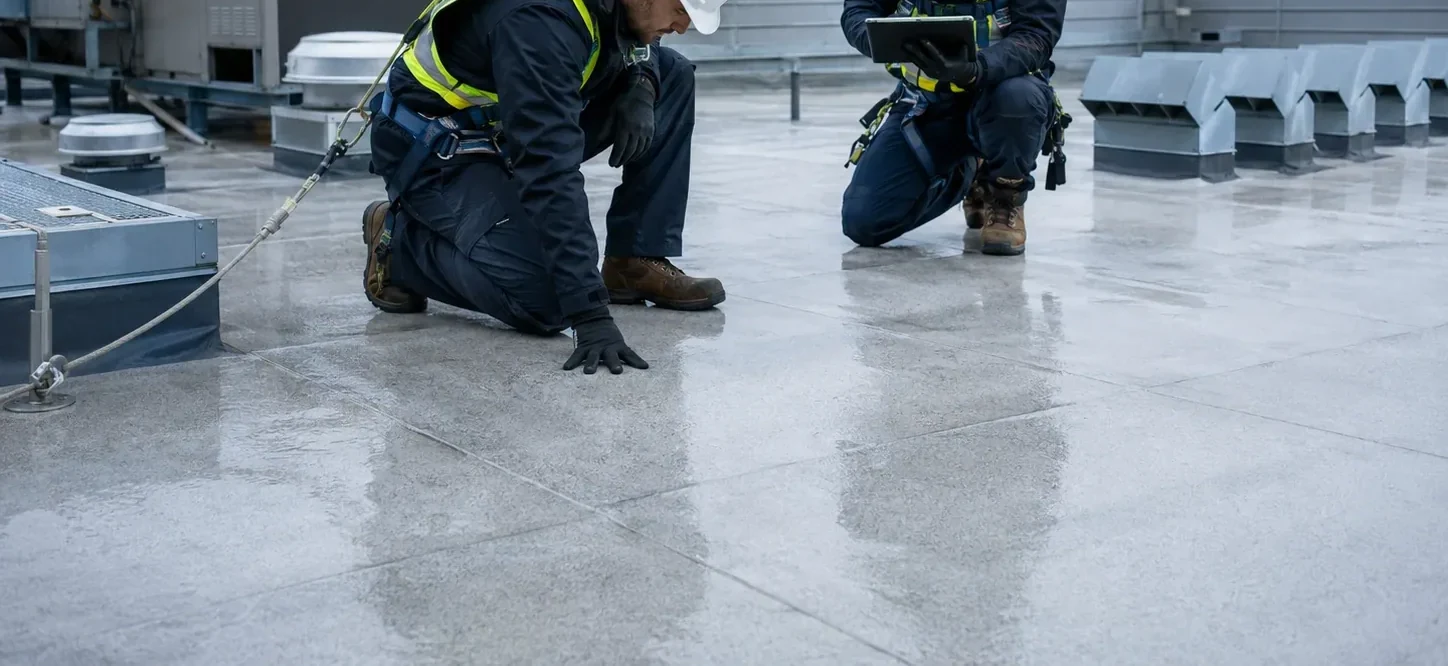
Written roof condition findings identify active defects, developing concerns and areas needing further checks. The record distinguishes surface appearance from confirmed concealed damage. Staff can compare later reports with an actual detail rather than a vague reference to the north roof.

Roof asset records retain assembly information, repair dates and equipment changes. A completed patch does not establish the condition of an inaccessible upper section. Keeping those areas separate helps the next inspection address the remaining gaps.

US 19 serves commercial properties across Clearwater and nearby communities. A portfolio along that corridor can contain different assemblies despite similar building uses. Each roof needs identified material and findings.

Set priorities from the damaged assembly

Capital roof planning separates immediate correction from larger renewal choices. Shared drainage or unsuitable tie-ins can limit phasing. We explain which connected work belongs together and why a temporary boundary needs continued attention.

Property transaction roof surveys identify the observed condition and investigation limits. Building age or an attractive roof surface does not establish remaining life. The report shows what supports the decision and what remains uncertain.

Gateway's business concentration includes operating properties with different access needs. Planning must account for the actual building use as well as damaged material. An office schedule and a production window can create different construction sequences.

Use consistent records without identical assumptions

Use consistent records without identical assumptions

Multi-property roof coordination gives management comparable condition records while keeping each assembly distinct. Repair priority follows observed consequences and condition, rather than applying one date to every building.

Warranty document coordination compares issued terms with the proposed work and reporting procedure. A manufacturer label alone does not establish coverage. Equipment changes and previous repairs need to stay with the roof information.

Costs reflect wet layers, supporting repairs, access and operating restrictions. The planning record explains those drivers before a repair allowance becomes a construction commitment. Finished photographs and remaining concerns stay together for the next management review.

A new water report should return to that record. Its location, date and equipment timing can distinguish a recurring detail from another opening. That comparison keeps the next investigation directed at the actual condition.

Keep uncertain conditions marked

A surface observation and a confirmed concealed defect are different findings. We label what the inspection could reach, then identify where a core, interior access or follow-up visit would change the decision. That keeps a clean-looking section from being recorded as sound without evidence. After repair, the record names completed work and remaining questions separately. The next manager can see what changed and what still needs attention.

Commercial Roofing Questions

Can the condition report give every building a replacement year?

Findings may support a sequence, but unresolved material condition or access limits can prevent a precise date. We identify urgent work and renewal options with their supporting evidence. Separate assemblies retain separate recommendations.

Should completed repairs disappear from the planning record?

Retain their locations and finished details so later reports can be compared with them. Completed work and remaining concerns need separate status. The record should show what changed without losing the information needed for future inspection.

How should an uncertain roof area appear in the report?

Mark it as unconfirmed and state what access or testing would resolve it. We keep that gap separate from inspected areas.

What makes a repair record useful next year?

Keep dates, photographs, locations and completed details together. New water reports can then be compared with work already done.

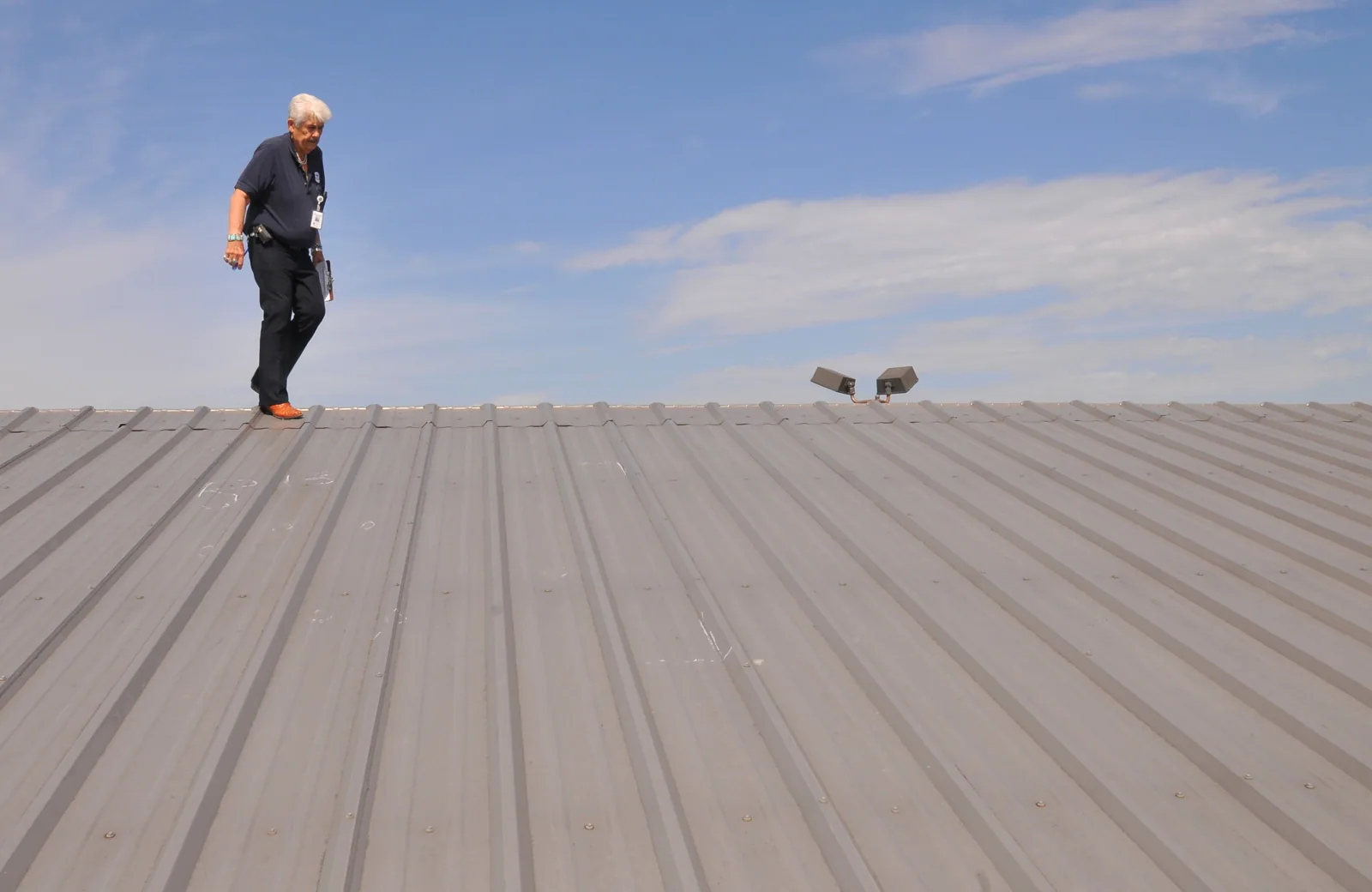
Bring the records to the roof decision

555-555-5555

Book an inspection or send roof reports and safe photographs. We will explain the priorities and information needed for a reviewable scope. Request a Roof Assessment

Call555-555-5555