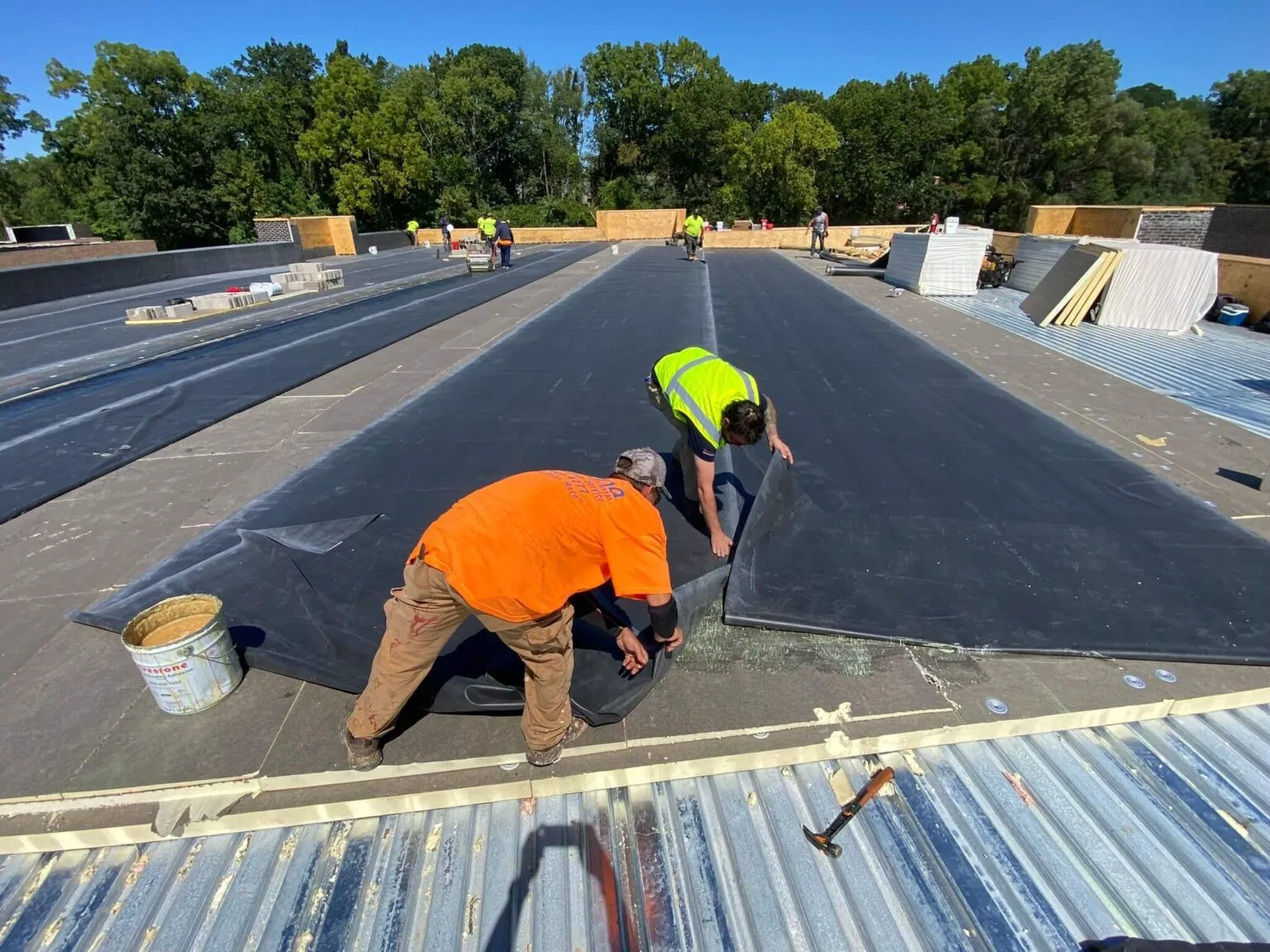
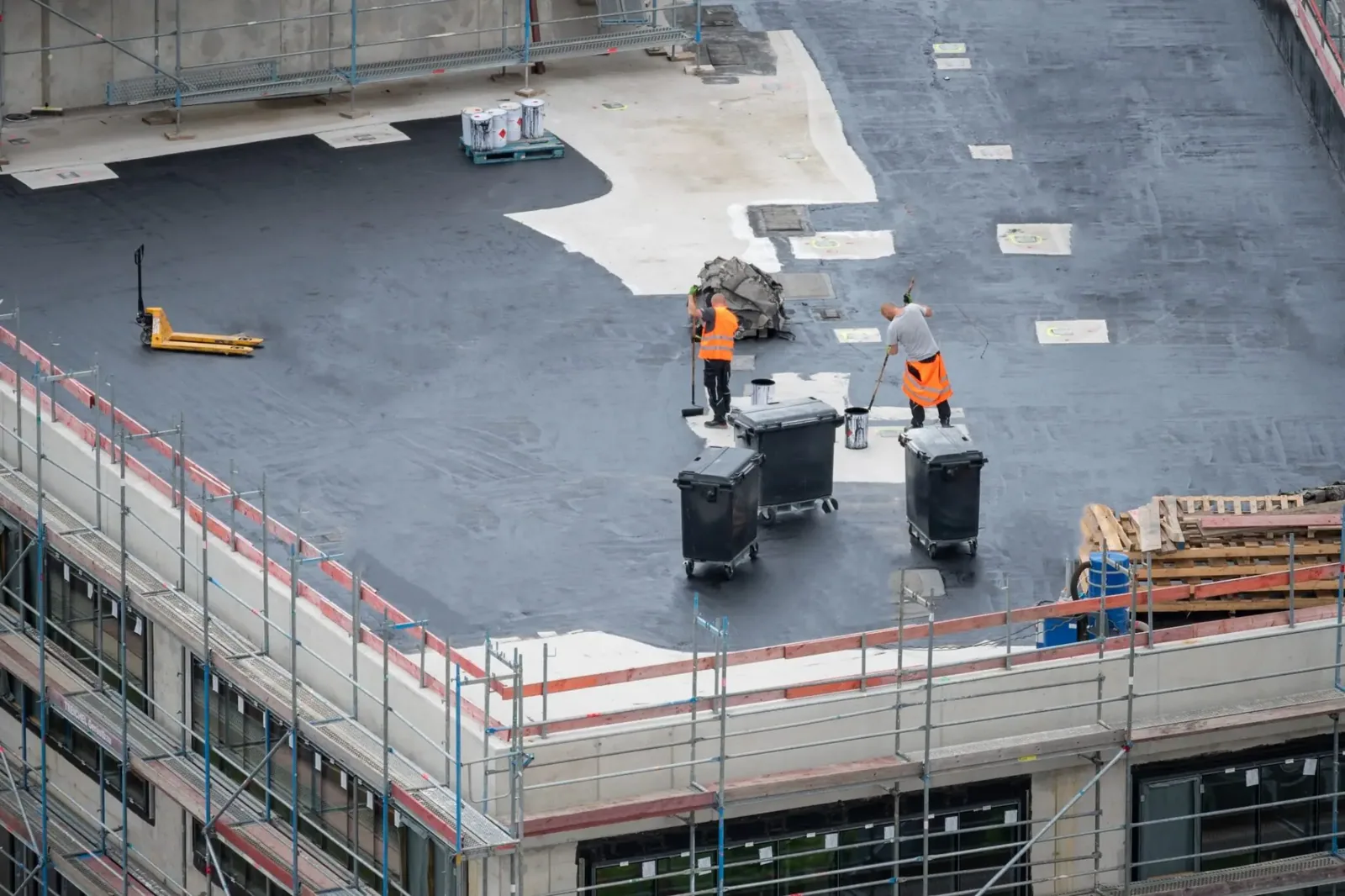
Protect the building during the work
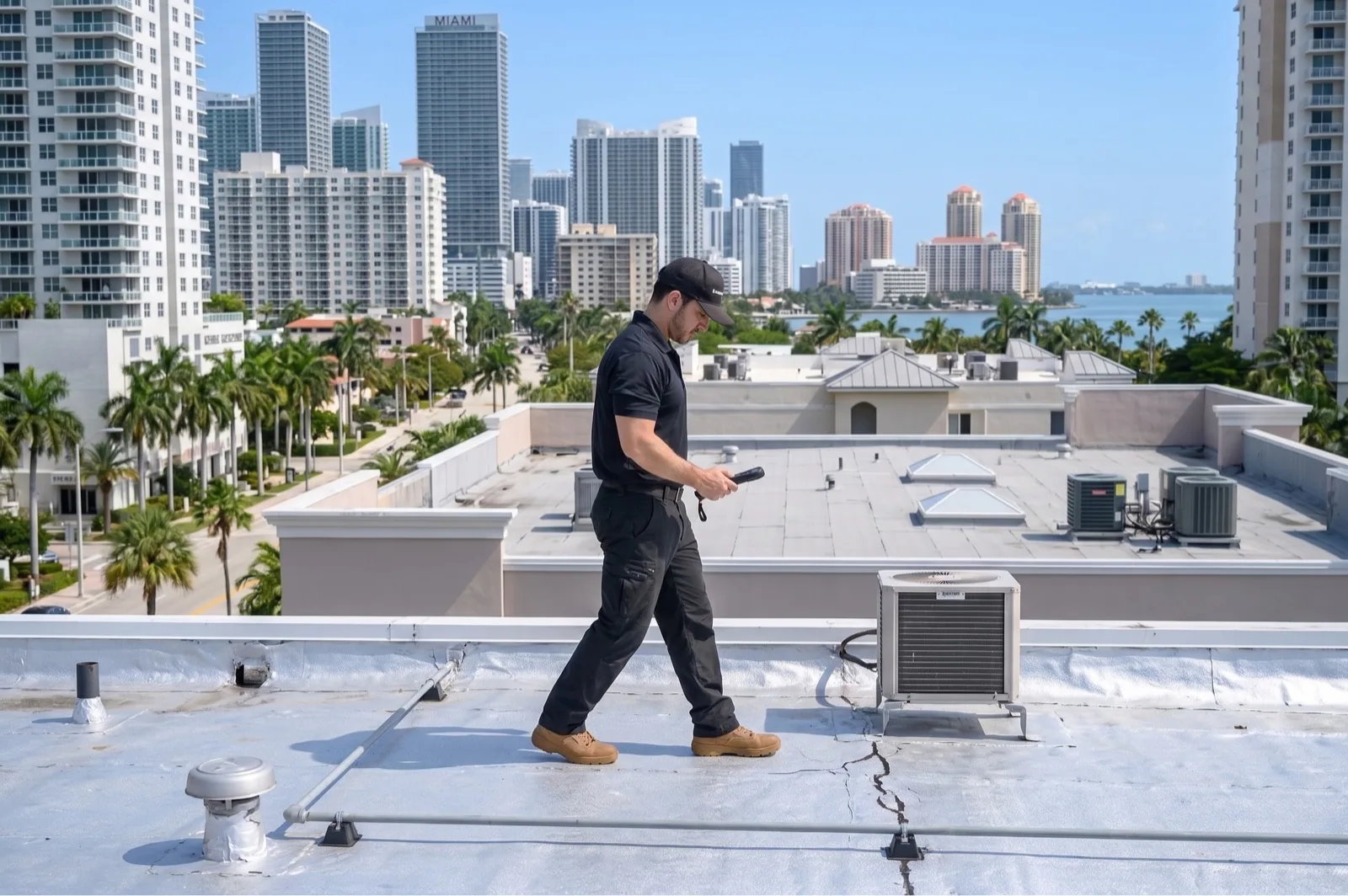
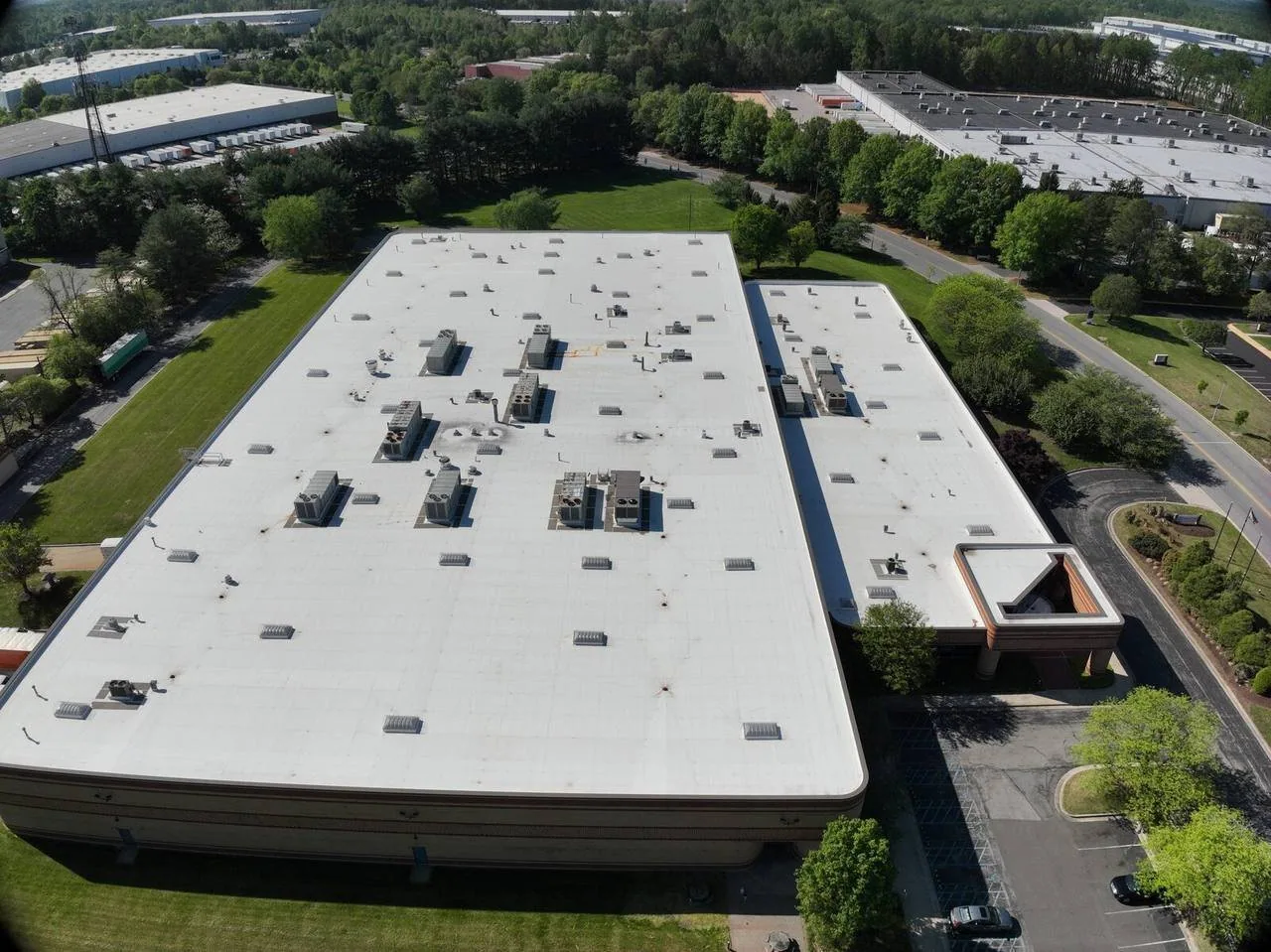
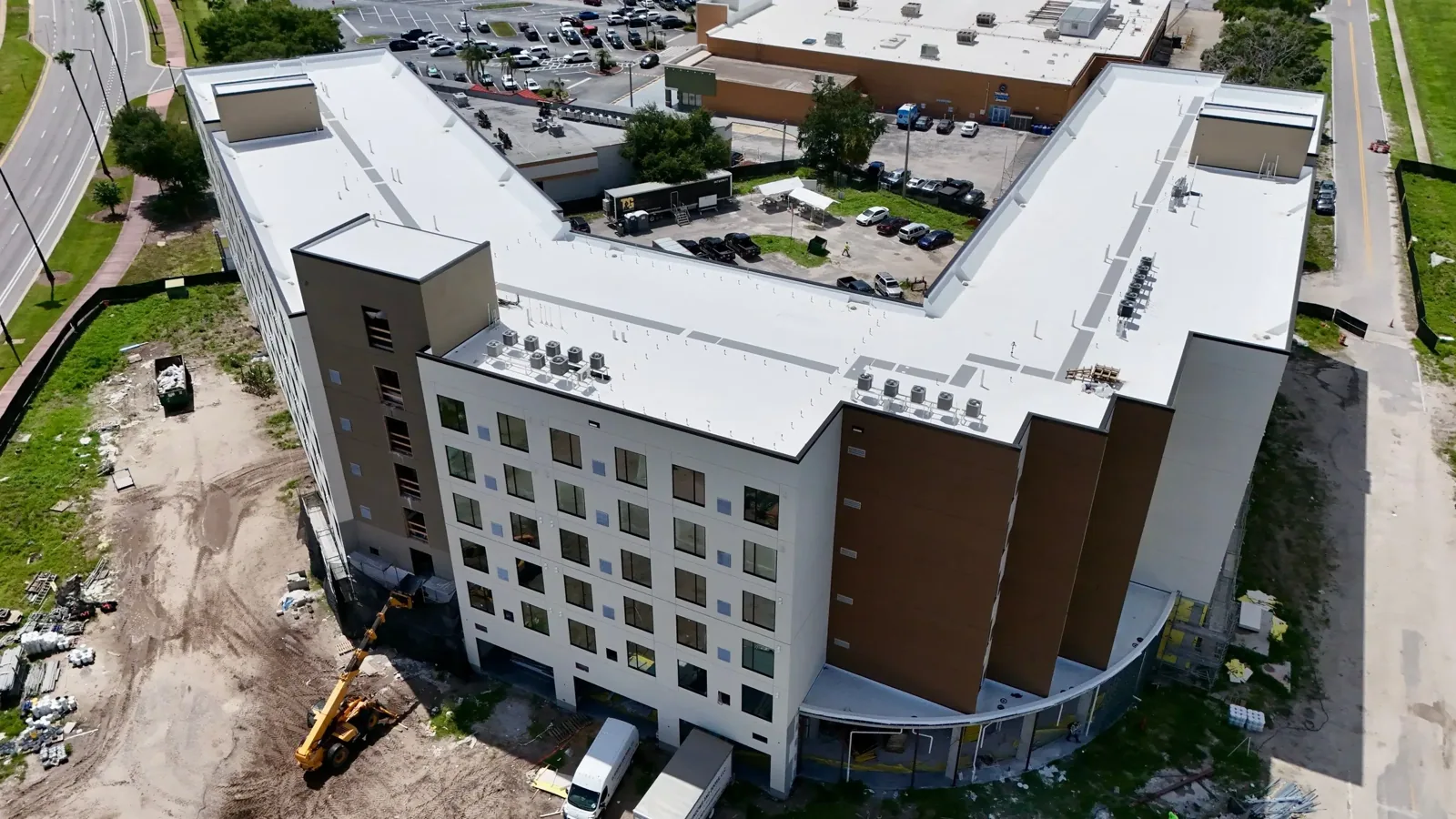
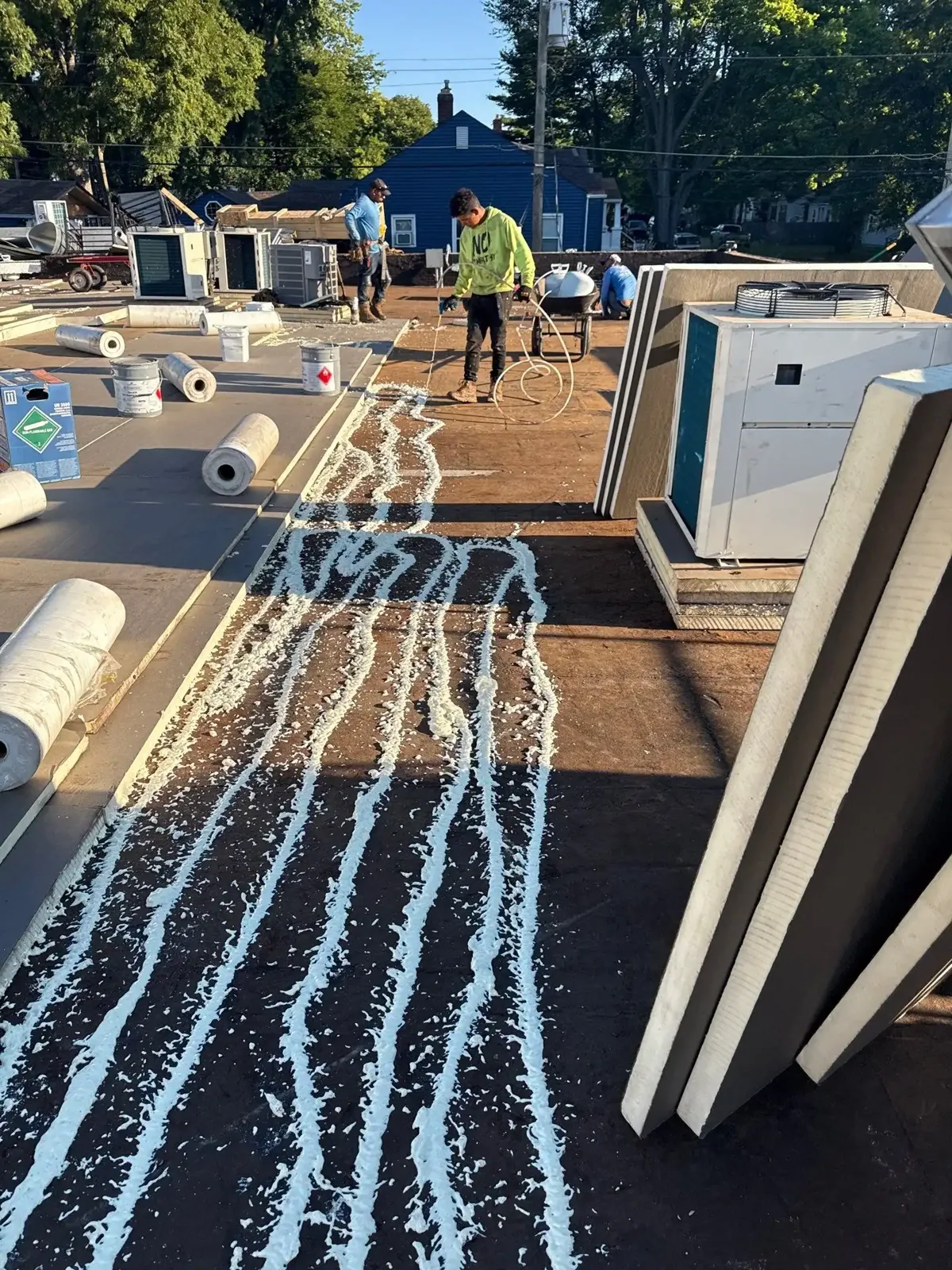
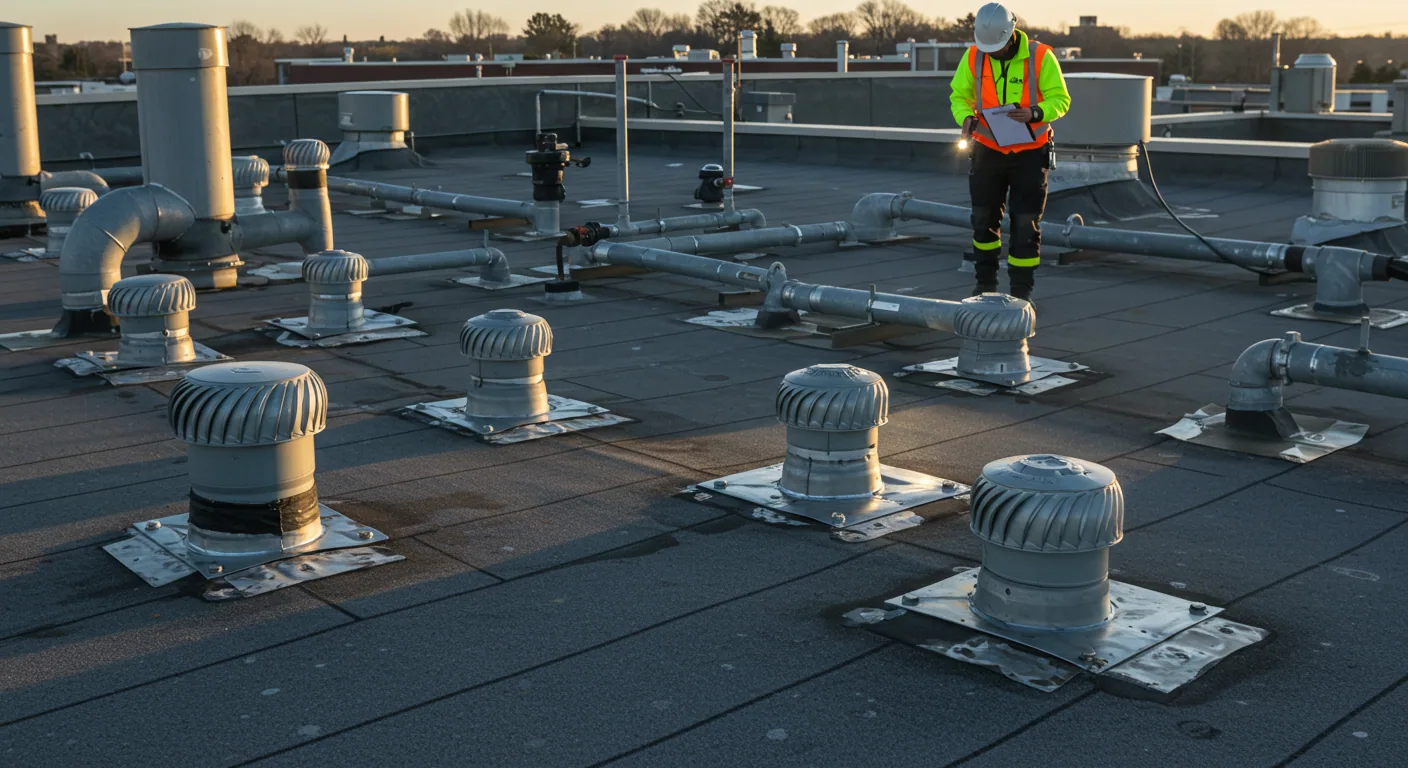
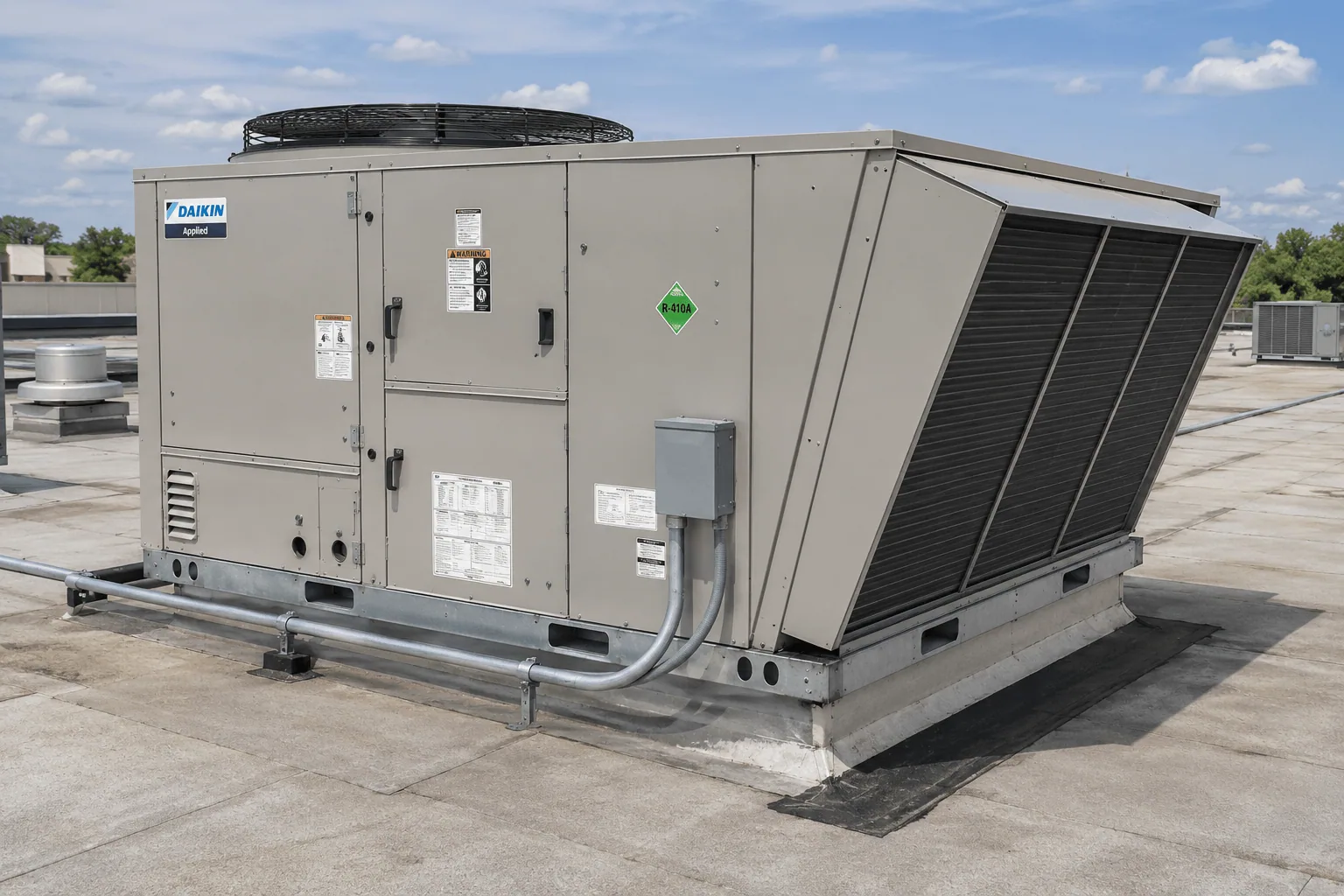
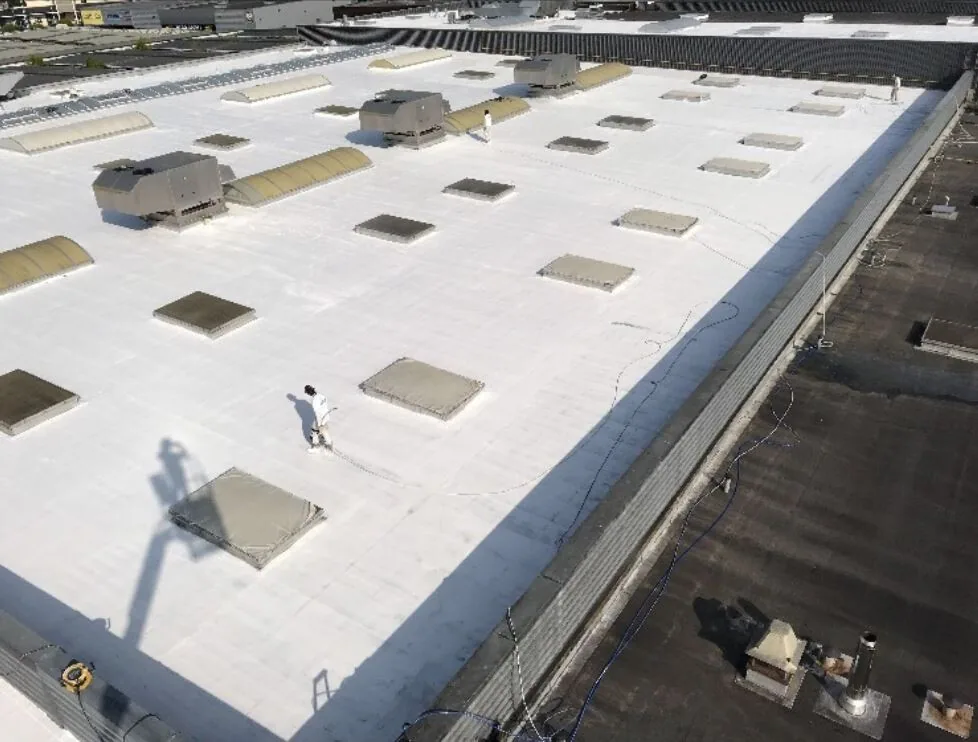
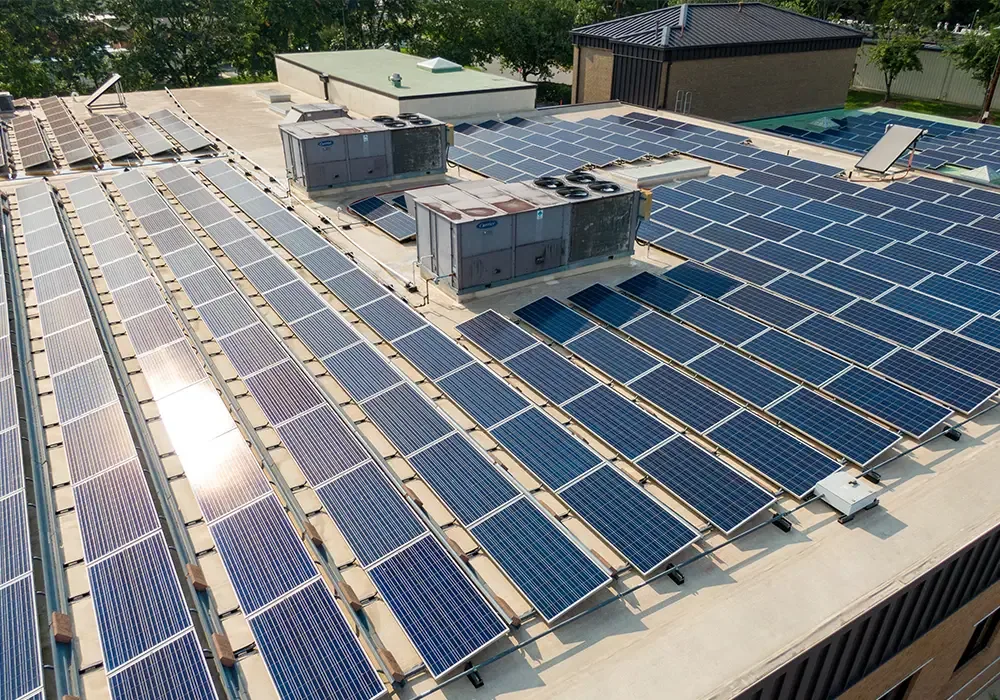
For occupied property reroofing, we identify intakes, interior exposure and material routes before removal. Each opened section needs closure within the available conditions. Staff receive the noisy tasks and access changes so they can plan the affected operation.
Clearwater's repeated summer thundershowers make daily protection important. A roof task needs enough time for preparation and closure as well as installation. Access, damaged layers, equipment moves and restricted working periods change cost and sequence.
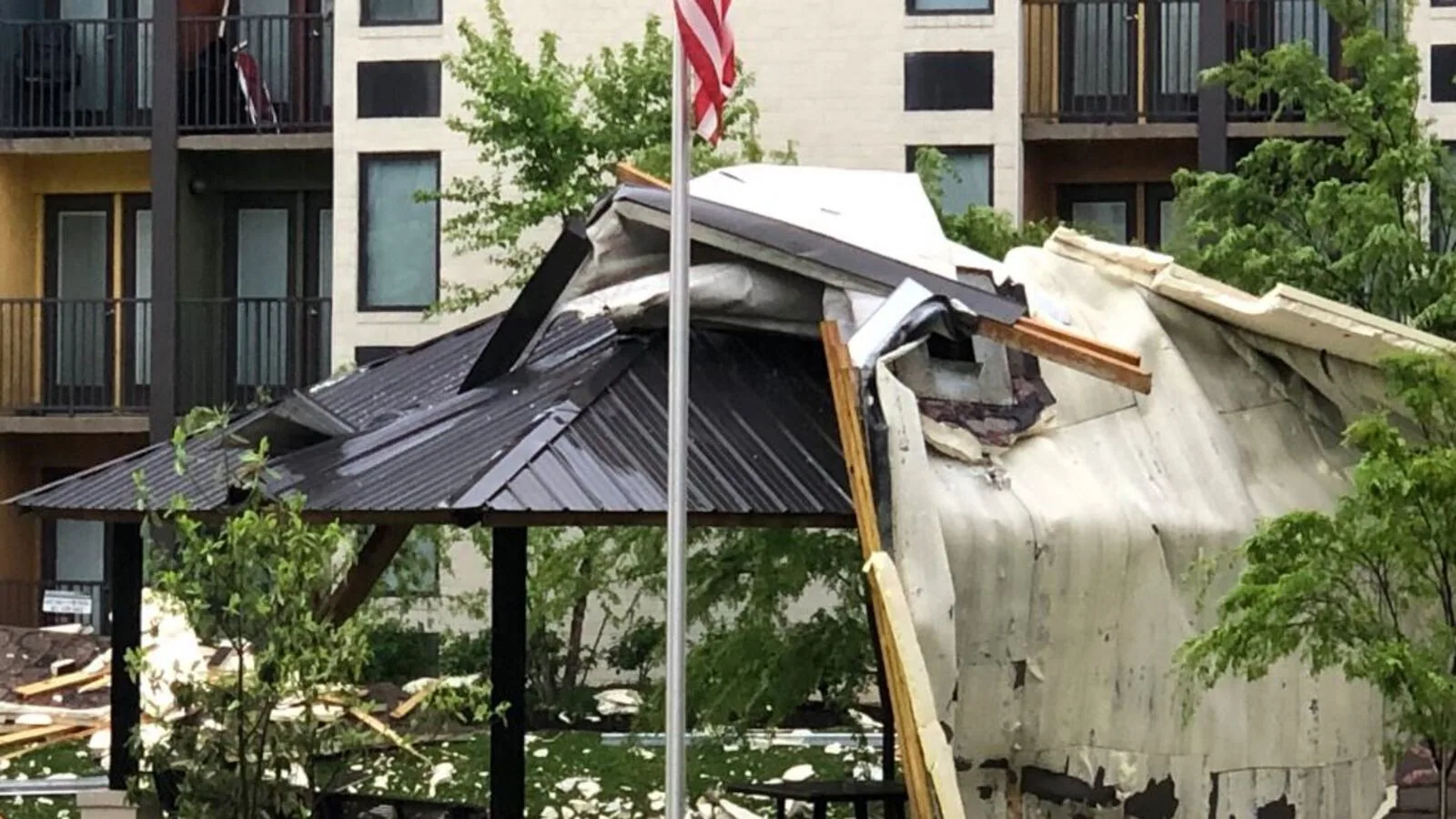
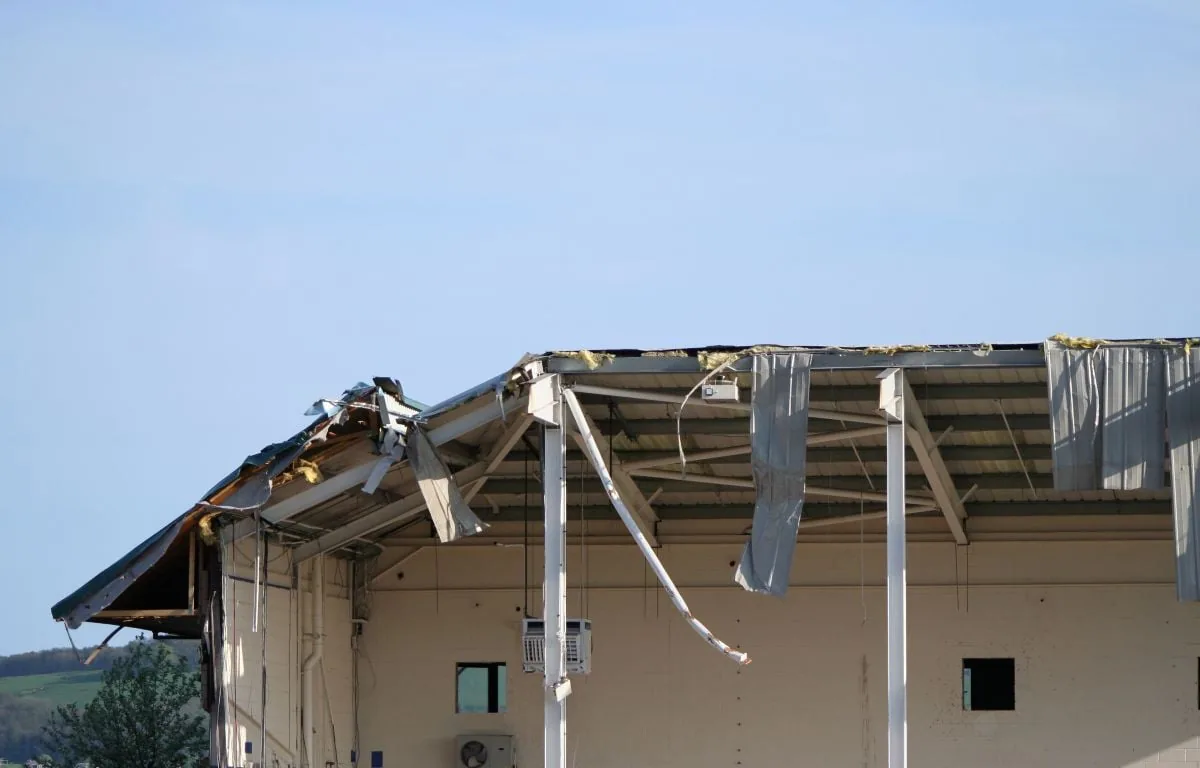
Our emergency roofing response accepts calls throughout the night, weekends and holidays. Immediate measures depend on safe access and weather. We explain temporary protection separately from the permanent correction supported by inspection.
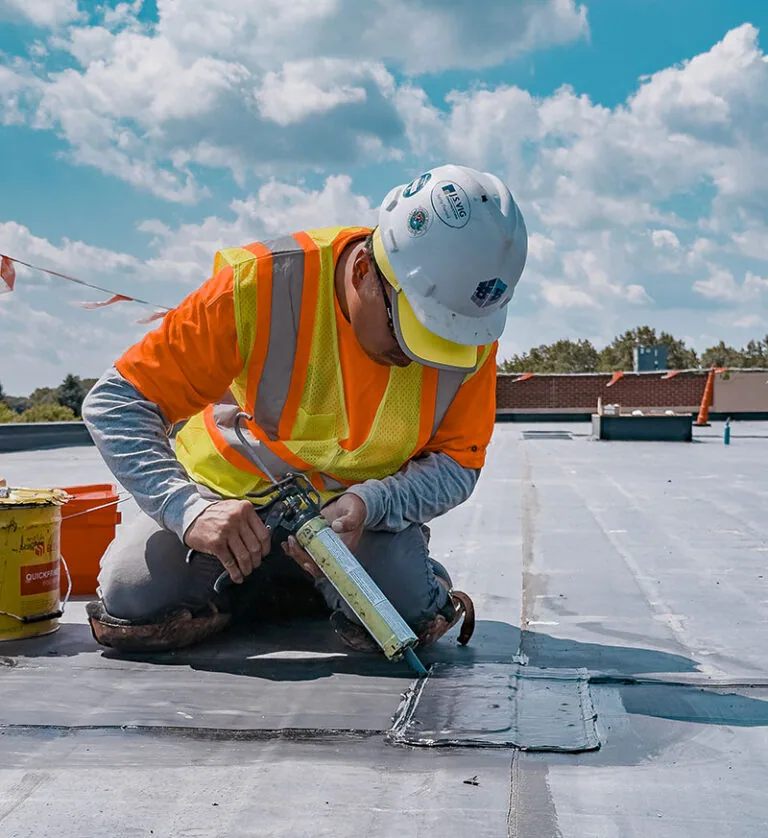
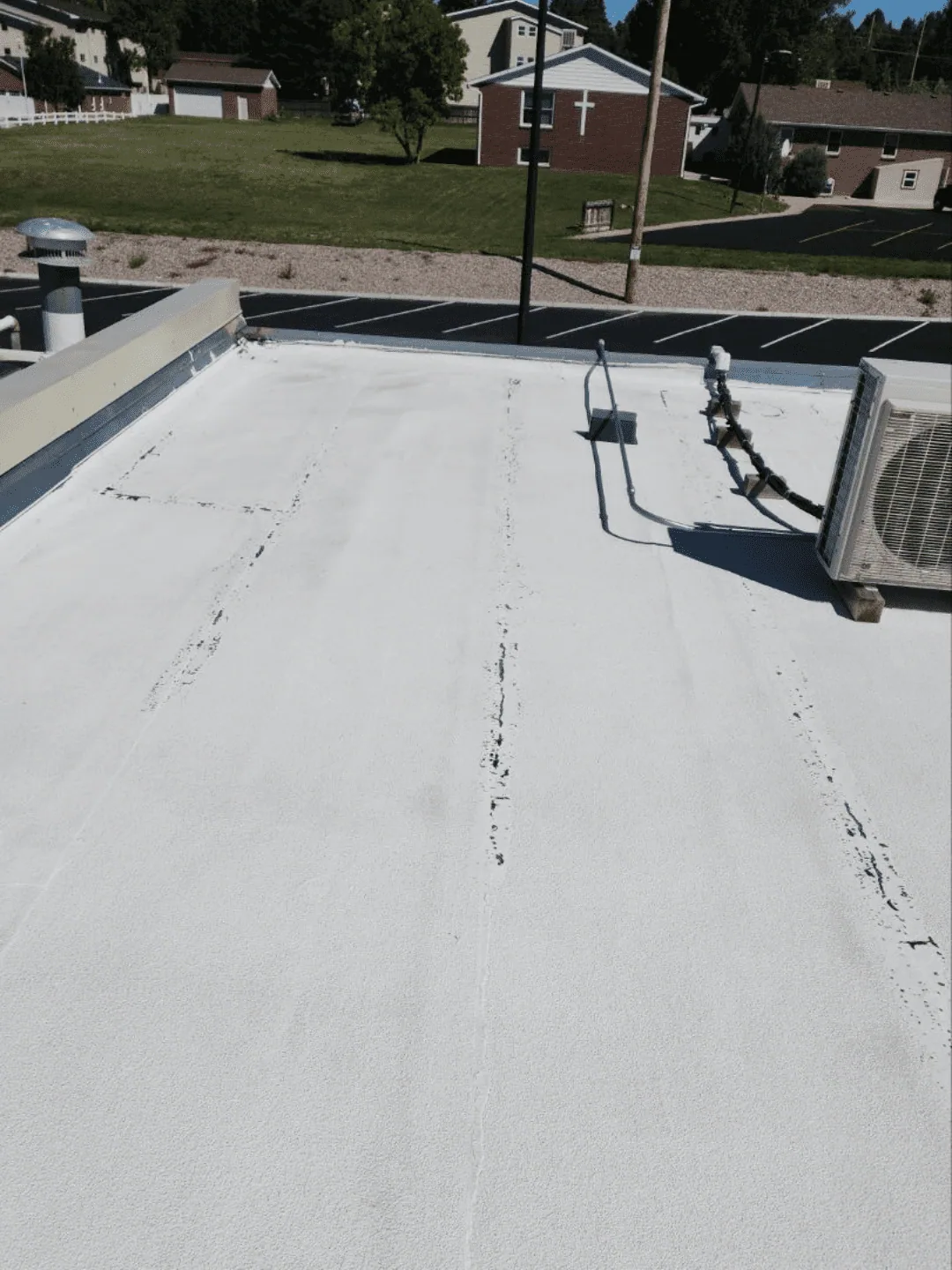
After the repair, photographs identify finished details and remaining concerns. Keep them with equipment service records and later water reports. The next investigation can then compare an actual location with completed work, instead of ordering another unrelated patch.
Separate temporary protection from repair
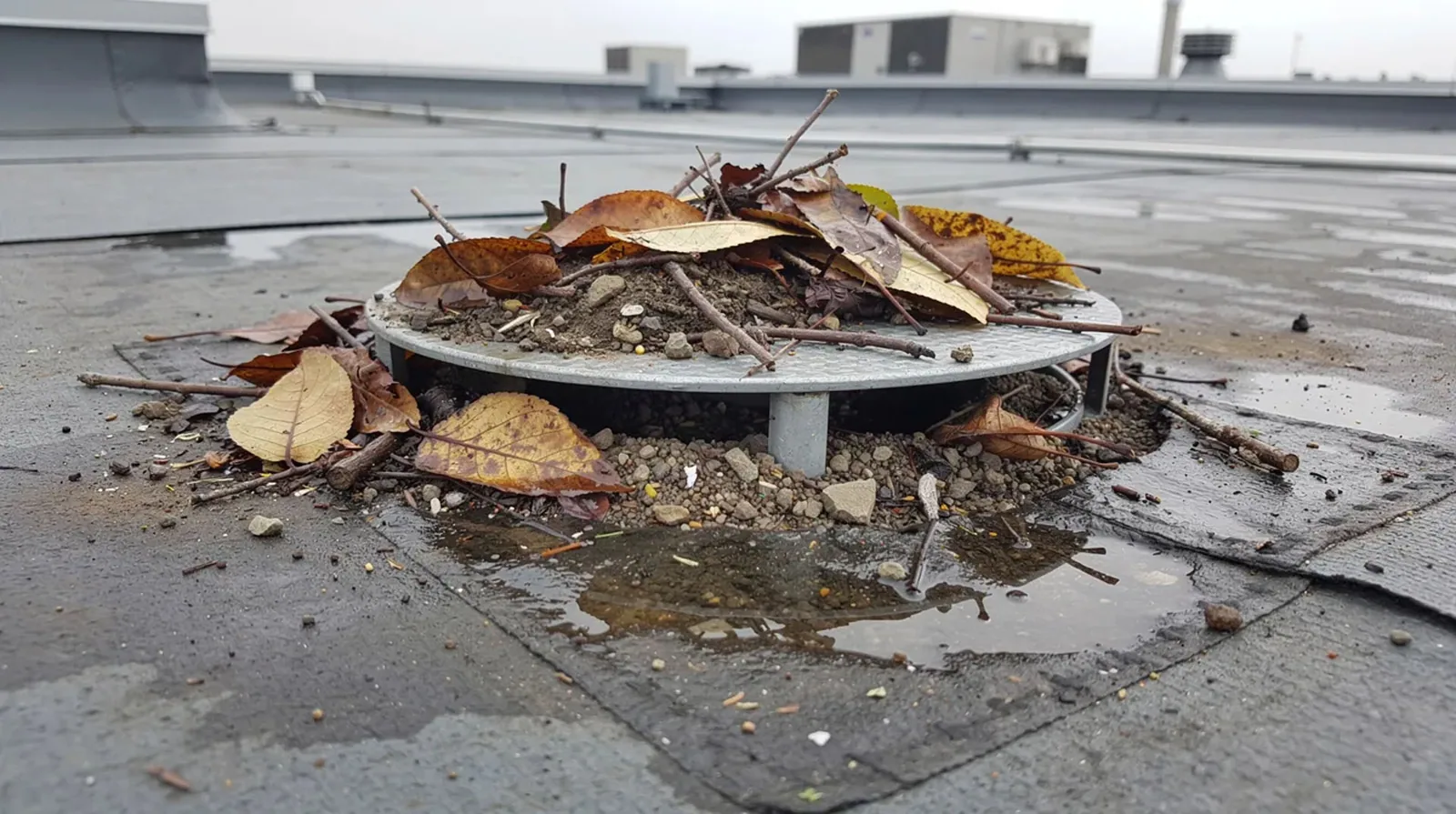
A storm opening needs a safe first step. We identify what can be covered without hiding the failed detail. A temporary dry-in limits exposure, but it does not establish whether the insulation or deck is sound. The permanent scope follows inspection. It names the material to remove, the connection to rebuild and the area that can remain. In Clearwater’s wet season, that distinction helps management plan the next weather window without treating a tarp as a finished repair.
Commercial Roofing Questions
Should management request repair or replacement before the inspection?
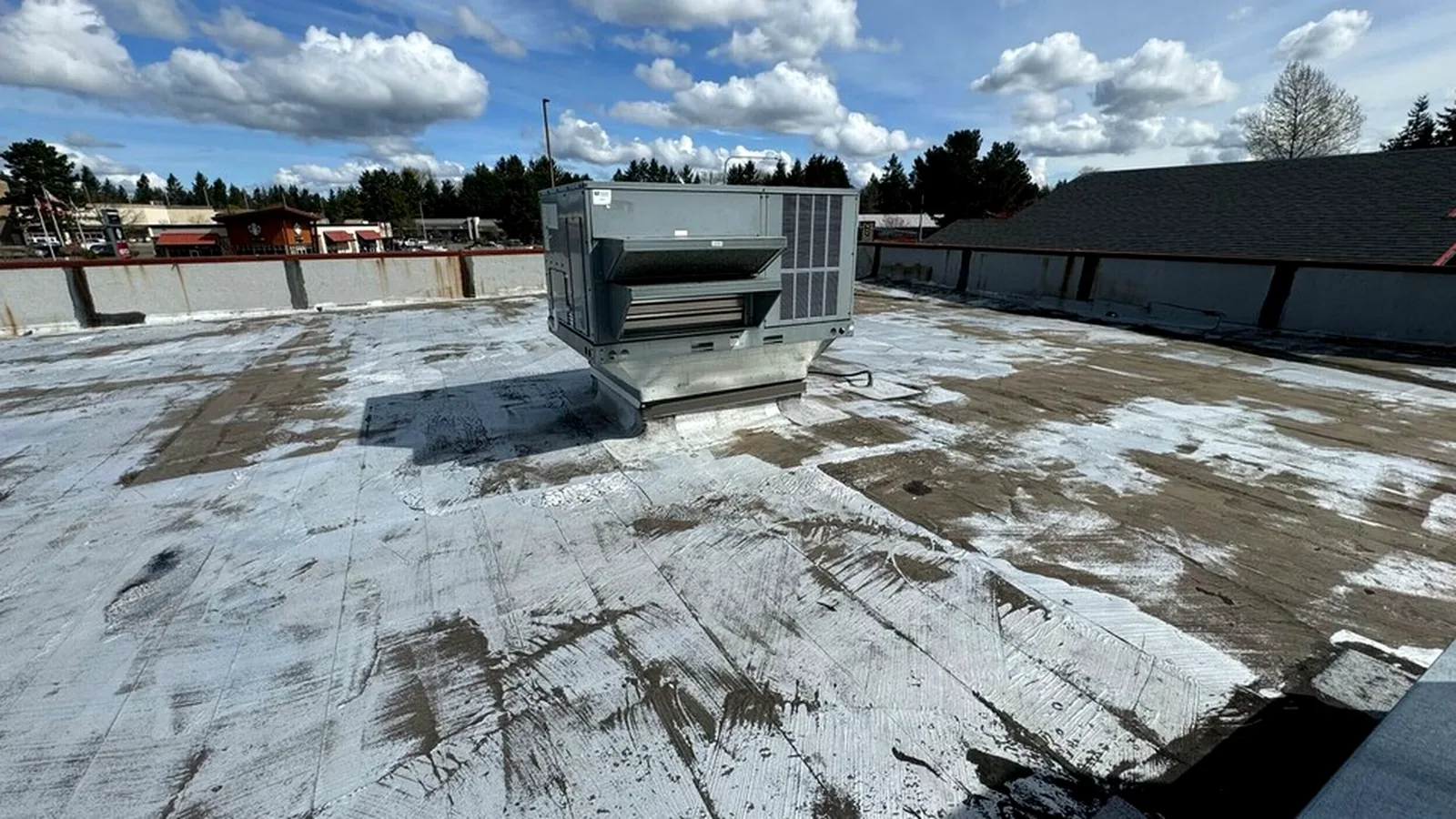
Start with the reported problem and available roof records. The inspection establishes which correction is practical. We explain the damaged detail and layers before comparing local repair with a broader renewal scope.
What changes the start date beyond material availability?
Access approval, equipment coordination and permitted work periods can affect readiness. Suitable weather also controls roof openings and application. We identify those dependencies with management before the daily work area is finalized.
What belongs in an emergency dry-in record?
Record the exposed location, temporary material and conditions that still need inspection. We keep that protection separate from the permanent repair scope.
Can the work be split across separate visits?
A safe closure boundary controls phasing. We identify which connected details must be completed together and which sections can wait for another access window.