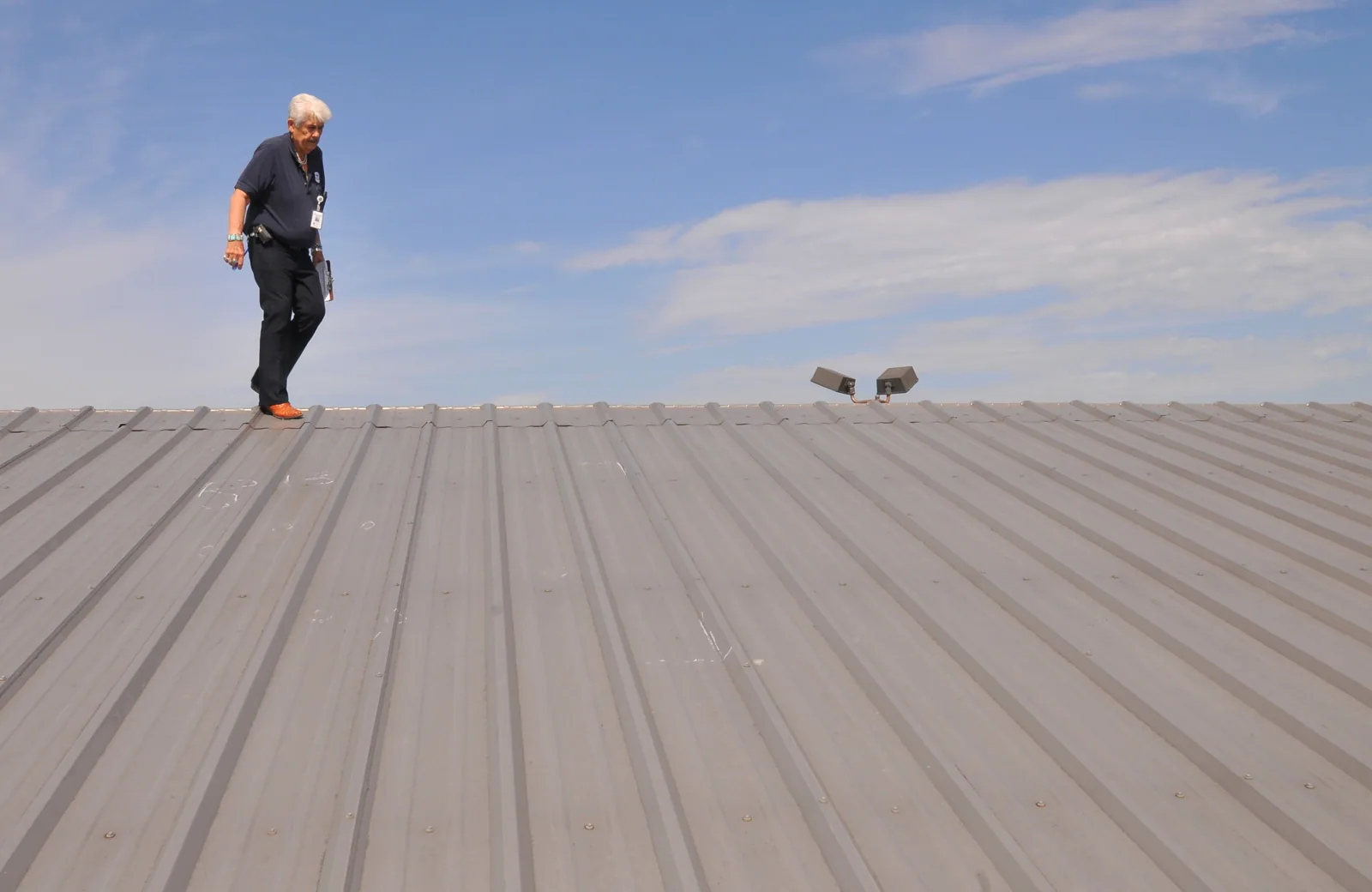
Silicone Roof Coating Systems in Clearwater, FL

Silicone roof coating for Clearwater, FL commercial roofs that hold water after storms: surface prep, seam reinforcement and wet season application.

A silicone roof coating usually fails by letting go of the roof, not by wearing out. The silicone itself holds up in sun and standing water for years. What gives way is the bond underneath it, and a bond is only as good as the surface it was applied to.

Here is how it works. Silicone coating is a liquid that is rolled or sprayed onto a clean roof. It cures from the moisture in the air into a flexible, rubbery skin. That skin stretches and shrinks with the roof as the sun heats it each day, and suitable products can tolerate specified ponding exposures. Drainage still needs review.

For owners in Clearwater, FL, that last point is the draw. Roofs here take heavy rain, then hold some of it. We apply silicone over metal, modified bitumen, built-up, single-ply and foam roofs that are sound but tired. The coating buys years. It does not repair what is wrong underneath, so the work starts with finding out what is.
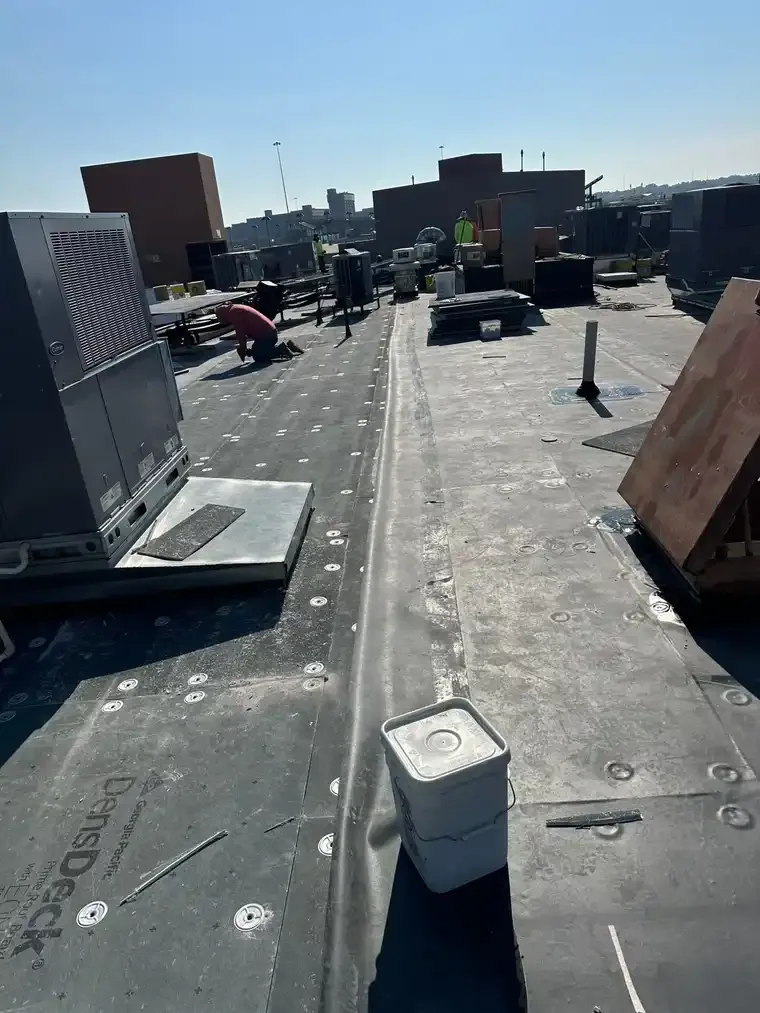
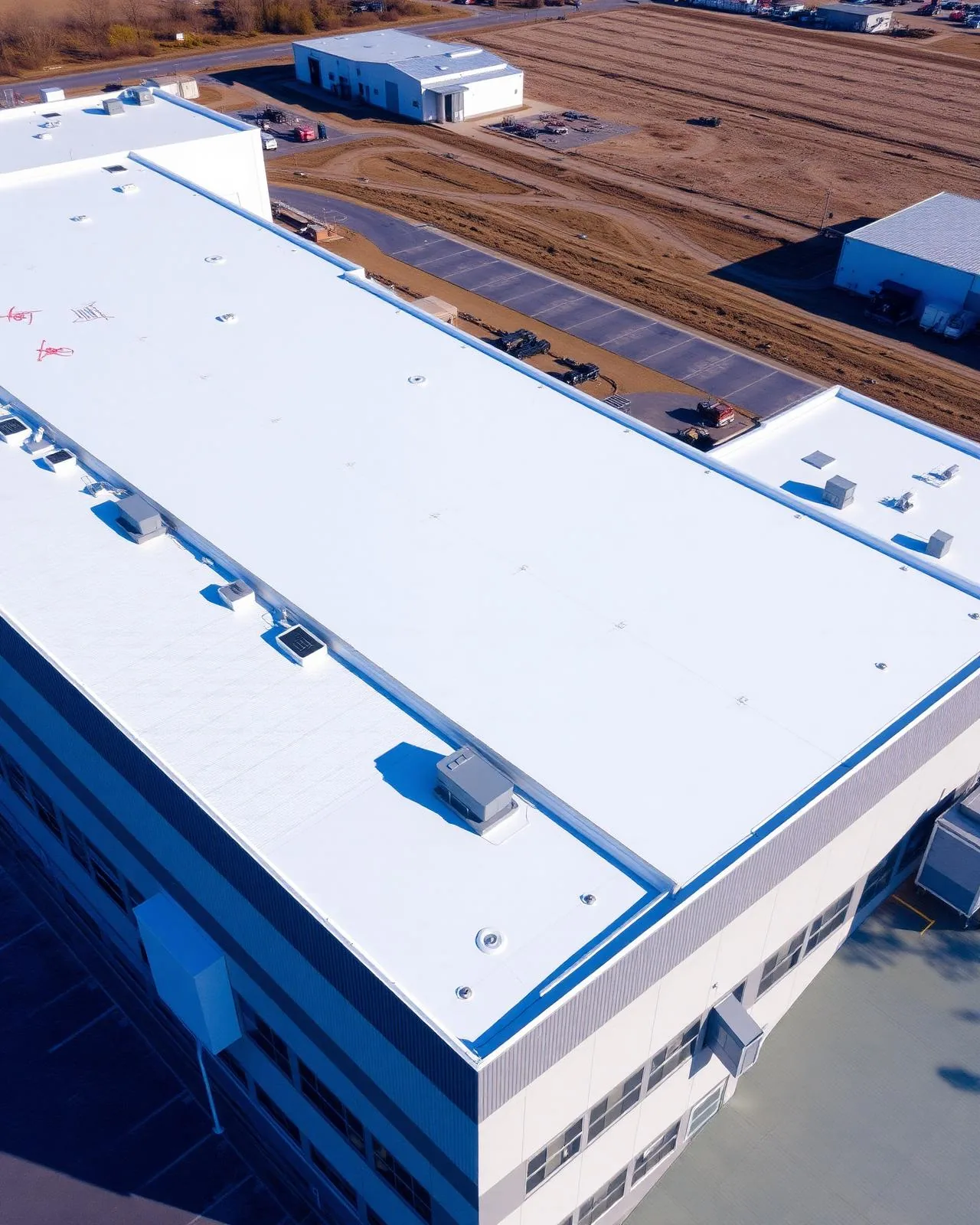
Where silicone lets go

Where silicone lets go

Most coating failures trace back to a short list of causes. All of them happen before the product ever cures.

  • Dirt, oil or chalking left on the old surface, so the silicone bonds to dust and not to the roof.
  • Salt film from the Gulf air, which sits on the roof and blocks adhesion.
  • Moisture in the deck or the insulation, which pushes up under the coating as heat builds and makes blisters.
  • Asphalt oils that bleed up through the silicone from a bitumen roof and stain it.
  • A seam, fastener or crack that was coated over and never reinforced, so it moves and splits the skin.

Silicone products can provide useful UV resistance, but condition, thickness, wear and substrate movement still matter. Peeling requires investigation of bond, contamination and later damage rather than assigning every failure to the first application.

A liquid that cures into rubber

Silicone has a few traits that set it apart. It sheds ponded water without softening. It stays flexible in heat. It reflects sunlight, which cuts the heat a white roof carries into the building. It also stays slippery when wet, and it picks up dirt, which dulls its reflectivity over time. A rinse brings much of that back.

One trait matters more than the others. Almost nothing sticks to cured silicone except more silicone. That makes the first choice nearly permanent. Future recoating requires compatible materials, preparation and adhesion checks for the existing treatment. Owners who want freedom to switch should compare it against acrylic coating systems, which accept new coats of themselves and several other products.

Silicone also pairs with foam. A spray foam roof needs a weather skin on top, and silicone is the usual choice on foam that has low spots. And because the coating is reflective, it fits owners chasing the lower roof temperatures a cool roof installation is meant to deliver.

Ponds, storms and Gulf air

Ponds, storms and Gulf air

More than 18 inches fell from Milton across parts of Pinellas County. A low-slope roof with a slow drain holds that water for days, and a coating that softens under water is the wrong product for that roof. Silicone is built for the case. The wet season repeats the test every afternoon from late May through early October, so ponding is not a rare event on a flat roof here. Persistent ponding needs a drainage diagnosis rather than being accepted as the normal roof condition. Our ponding water roof repair work starts by finding why water stays, because a coating survives a puddle but does not remove it.

Salt air changes the prep. A roof on Clearwater Beach or along the bay collects a fine salt film, and that film must be washed off with fresh water before any coating goes down. An office roof along Ulmerton Road in Gateway sees less direct Gulf spray, but it gets the same dust and the same afternoon rain.

Application timing changes too. Silicone needs a dry surface when it goes on, and a dew-wet deck at seven in the morning is not ready. We start late enough for the deck to dry and stop early enough that the afternoon storm finds a cured skin and not wet product.

Prep is most of the job

Step one is the survey. We investigate suspect moisture under suitable conditions using an infrared moisture survey with appropriate confirmatory checks and additional investigation where patterns are inconclusive. Wet insulation comes out before any coating goes on.

Step two is the clean. We pressure wash the roof with fresh water, cut out blisters and loose material, and scrub oil or stains. Then we test adhesion. A small patch of the coating goes on, cures, and gets pulled. An unsuccessful test requires investigation of substrate, preparation and product compatibility before another treatment is selected.

Step three is the detail work. Seams, fasteners, penetrations and flashings get reinforcing fabric and extra coating. This is where roofs leak, so this is where we spend the time.

Step four is the field. The coating goes on in even passes, with the thickness checked as we go. We finish at the drains, clear them and check that water leaves the roof. For a suitable aging assembly, roof coating restoration combines the preparation, detail repairs and coating requirements in a described scope.

What drives the cost

What drives the cost

Price follows prep, not product. A clean, dry, sound roof costs less to coat than a roof with blisters, rust, patched seams and years of grime. Other drivers are the number of penetrations, how many seams need fabric, how many passes the system calls for, and how easy the roof is to reach.

Product selection, required thickness and preparation affect the comparison with acrylic. What you get back is a skin that tolerates ponding. Owners with a roof that drains cleanly may not need that, and we will say so.

The City of Clearwater asks for a permit when a roofing component is installed or replaced, and a Product Approval specification sheet goes with the application. We confirm with the building department how a coating job is classified before we schedule, since the answer depends on the scope.

Commercial Roofing Questions

Why do some silicone coatings peel off in sheets?

Peeling points to a bond that never formed. Dirt, oil, a salt film or a damp deck at the time of application are the usual reasons. A test patch and a pull test before the full job show whether the roof will hold the coating.

Will silicone fix a roof that holds water?

Silicone survives standing water, but it does not drain it. If the deck dips between supports or a drain is set high, the puddle returns after the coating cures. We fix the drainage first or add tapered material, then coat.

Can I switch to a different coating down the road?

The existing treatment limits compatible choices. We inspect its bond and follow the proposed product's written preparation and recoating requirements, with adhesion testing as needed before recommending a change.

How much cooler will the building run under a white coating?

A reflective surface sends sunlight away from the roof, which lowers the temperature of the deck. How much that lowers cooling demand depends on the insulation, the ceiling height and the hours the building runs. We do not quote a figure without a look at the building.

How soon after application can rain hit the roof?

The selected product specifies its rain-ready conditions and cure window. Humidity, temperature and applied thickness can affect timing. Heavy rain on wet product can still wash or pit it. We read the radar for the afternoon, and we cover or stop if the window closes.

Show us the roof that holds water

Send photos of the ponding, the blisters or the worn coating, or book an inspection. We will show you what we see, explain whether silicone fits the roof, and tell you plainly if something else should come first. Call any day of the week.

Request a Roof Assessment   or call 555-555-5555

Call555-555-5555