Manufacturing Plant Roofing in Clearwater, FL

Roofing for manufacturing plants in Clearwater, FL: exhaust-resistant membranes, condensation control and repairs planned around your production line.

A process exhaust outlet can expose a plant roof to more than weather. Sun and rain work on it from above. Heat, steam, oil mist and exhaust work on it from below and from the stacks around it. The membrane does not get a quiet day.

Here is why that matters. A plain storage building asks a roof to keep out weather. A production building asks it to keep out weather and survive whatever the process throws up. The two loads add together.

Manufacturing is a substantial part of Pinellas County's economy, including operations in Clearwater, FL. Roof work at a plant needs to account for the production areas and equipment beneath the affected section. GE built a 190,000 square foot Center of Excellence here for instrument transformers and capacitors. Plants like that cannot afford wet ceilings. We start by finding out what the roof is exposed to, then we match the repair to it.

Exhaust eats the surface

Exhaust eats the surface

Think of it this way. The discharge from a vent or stack needs to be identified before its effect on the membrane is assessed. Some put out hot air. Some put out grease, solvent vapor or acidic condensate. The membrane around them takes the dose first.

Possible signs near an affected outlet include the following.

  1. The surface dulls and chalks within a few feet of the outlet.
  2. The sheet softens, blisters or shrinks away from the flashing.
  3. Seams nearby open as the material stiffens.
  4. Water finds the gap, and the insulation below starts to hold it.

Not every single-ply sheet takes this well. Some resist oils and grease far better than others, which is why exhaust zones often get a different membrane than the open field. A plant with many outlets may need a PVC roofing system or a KEE roofing membrane built to resist that exposure.

A county that makes things

Pinellas County targets six industries, including advanced manufacturing, aviation and aerospace, defense and homeland security, and life sciences. Its Employment Sites Program supports development and redevelopment of industrial, office and flex properties. Plants here run in a warm, wet place, and the roof feels it.

Clearwater gets about 52.6 inches of rain a year, mostly as summer thundershowers, and the sun between showers is intense. A dark membrane swings from soaked to scorching in an hour. That cycle works every seam and every flashing detail.

Plants around the US 19 corridor and in the Gateway district deal with the same weather as everyone else. They also run machinery that does not wait for a dry afternoon. That is why a repair plan has to hold up between shifts as well as between storms.

Signs near the stacks

Signs near the stacks

Start at the outlets and work outward. Check for these:

  • A chalky or glazed ring around exhaust fans and stacks.
  • Flashing that has stiffened, cracked or pulled from the curb.
  • Rust or staining that streaks down from a fan housing.
  • Membrane that bubbles when warm and flattens when cool.
  • Dripping inside the plant that starts in the morning, when the roof cools and the air inside is warm and wet.

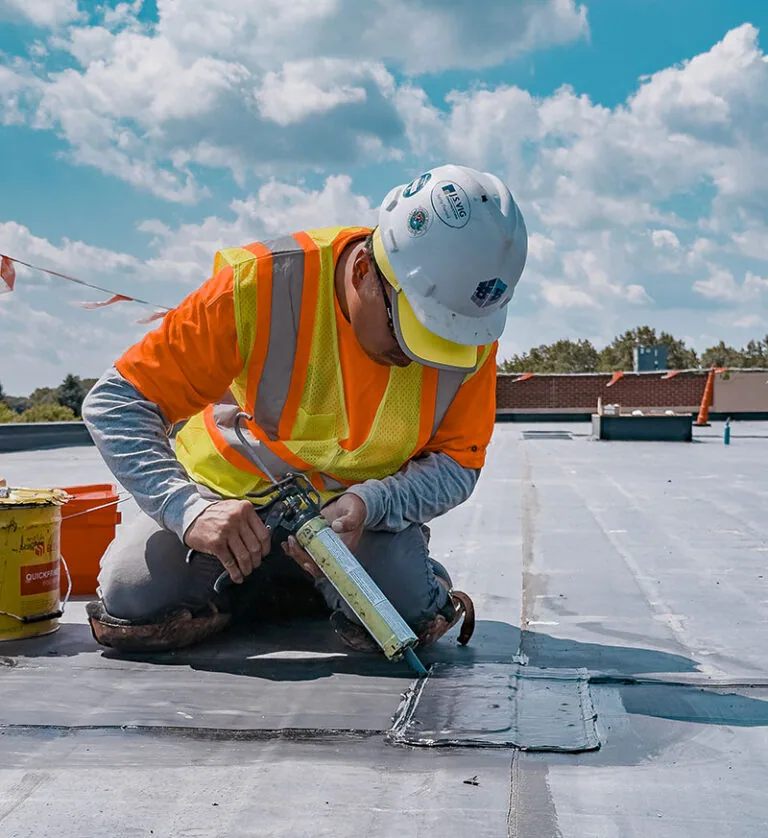
That last sign is easy to mistake. Water on the underside of the deck is not always a leak. Warm, humid process air meets a cool deck and condenses. The fix is different from a patch, and a roofer who treats condensation as a leak will patch the wrong place. A written roof condition report separates the two with photos and core results.

Matching sheet to process

Step one is a conversation about what comes out of the building. We ask which outlets run, how hot they get and what they carry. Then we walk the roof and compare the answer to what we see.

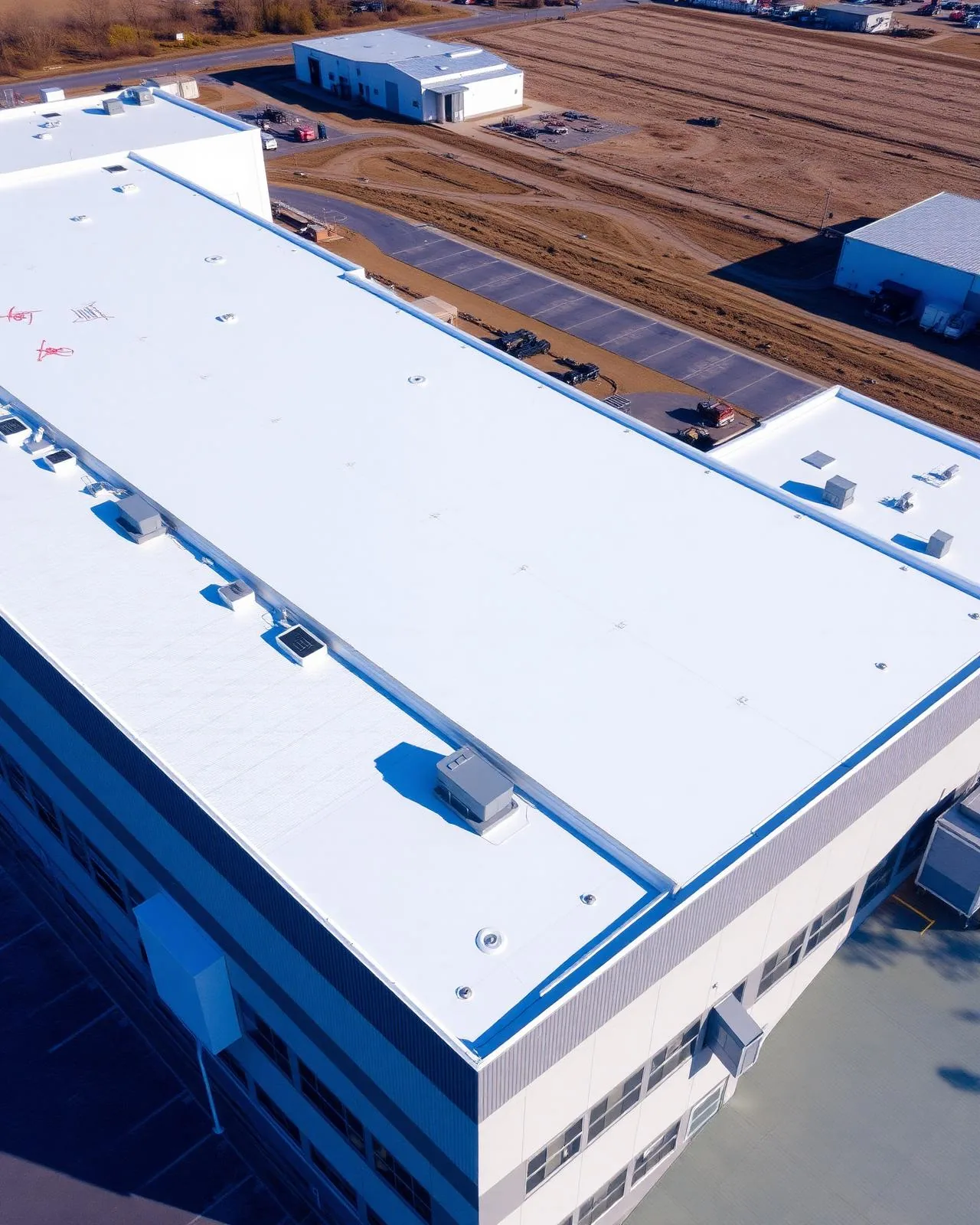
From there the plan has three parts. Exhaust zones get a membrane and flashing chosen for that exposure. Open fields get whatever suits the climate and the budget, often a lighter reflective sheet. Penetrations get new curbs or boots where the old ones have failed.

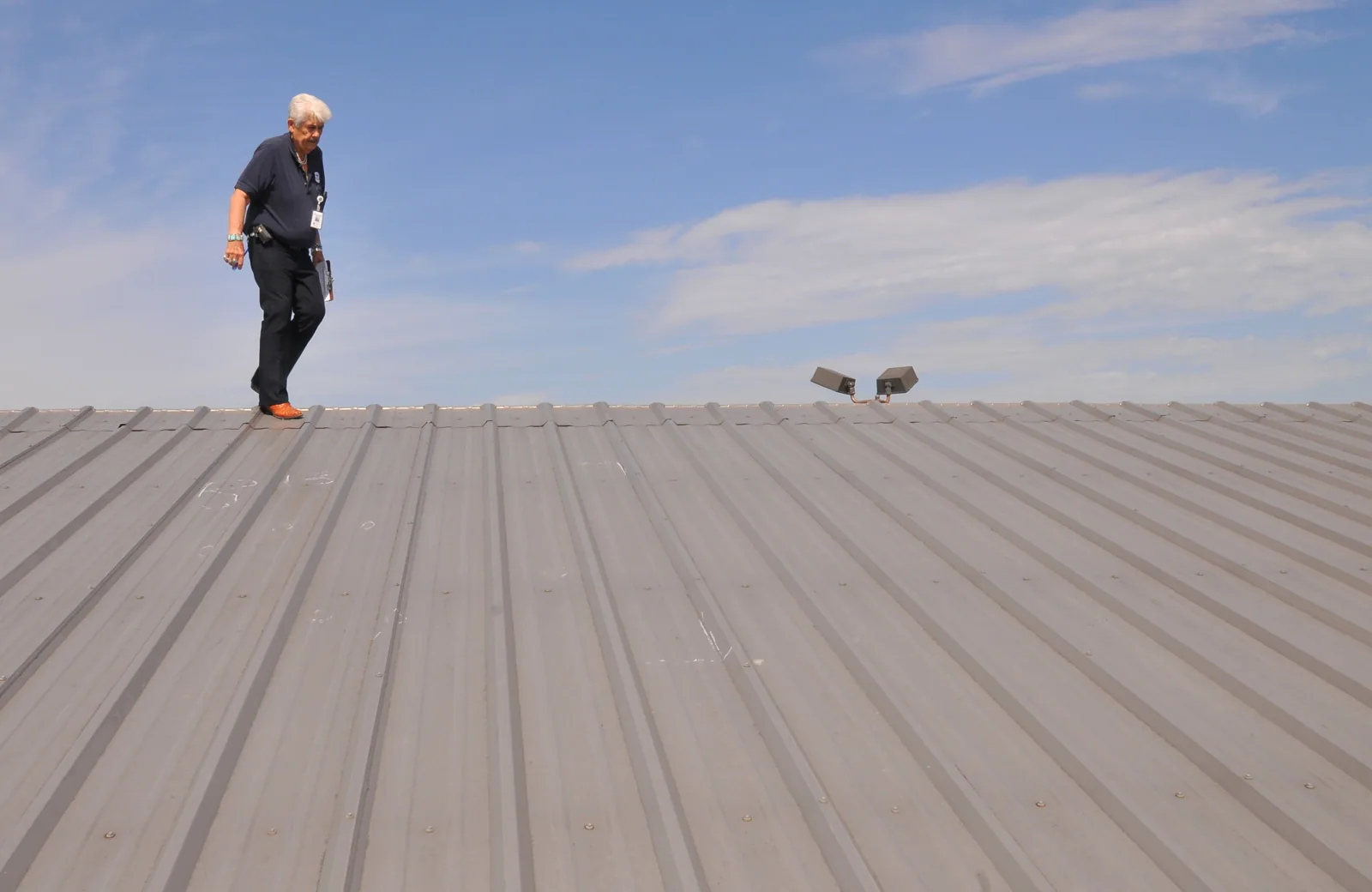
For plants with metal roofs, the approach is different. Fasteners, laps and sealant are checked panel by panel, and many buildings are good candidates for a standing seam metal roof retrofit over the old panels. The goal is the same: fix the cause, then the damage.

We coordinate with maintenance staff on the days we work, so no one is surprised by a lift or a crew on the roof.

Where the schedule bends

Where the schedule bends

Production calendars set the pace more than the roof does. A plant with a planned shutdown can take a bigger bite in a shorter time. A plant that runs around the clock needs smaller zones and longer duration.

Cost drivers are plain:

  • The number and type of penetrations, which add flashing labor.
  • Insulation that has absorbed water from past leaks or condensation.
  • Access, including crane reach over equipment yards and tank farms.
  • Fire and hot-work rules, which can change how seams and flashings are made.
  • Whether the roof can keep its old layers or must be stripped.

Concealed moisture can change the removal scope, so suspect areas are investigated before quantities are settled. What goes back in its place matters too, from new roof insulation and cover board to the fastening pattern, and the permit goes through the City of Clearwater with a product approval sheet for each exterior product.

A storm plan for the line

Pinellas experienced extensive power outages during Milton in October 2024, along with heavy rainfall in parts of the county. A plant with a roof opening and no power has two problems at once.

Prepare the roof before the season. Clear drains, secure loose items on the deck and check the edge metal. The inspection checks existing edge connections and their condition. Where replacement is planned, the design sets the attachment and perimeter requirements for that building, including its actual height and configuration.

After a storm, we dry in first and assess second. Companies running manufacturing facilities across several sites get the most from a written plan that names who calls whom and what gets covered first.

Commercial Roofing Questions

Which membrane stands up best near grease and chemical exhaust?

The actual discharge sets the material requirement. Some PVC and KEE products suit particular grease or chemical exposures, but compatibility needs checking against the manufacturer's data for the identified substance and conditions. We review the exhaust information before selecting the sheet and flashing materials.

Can the line keep running while you work above it?

In most cases, yes. We work in zones, dry in each evening and keep noisy tasks away from sensitive stations. Areas with open product or fragile calibration get covered below the deck, and we agree on a stop signal so a supervisor can pause a task.

Why does my plant ceiling drip in the morning with no rain?

Condensation is one possible cause, especially where warm humid air reaches a cooler surface. Record the timing and affected locations so we can compare the roof condition with the interior moisture conditions. Testing is selected for that investigation; the correction may involve air or vapor control instead of sealing a rain opening.

We plan to add equipment next year. Should we reroof first?

Assess the roof and proposed supports together before deciding the work order. New units need curbs, supports and walkways, and building them into a new membrane is cleaner than cutting into an old one. Your structural engineer confirms the deck can carry the load.

How does a plant roof get ready for hurricane season?

Edges first. We check perimeter metal, fastening and drains, then secure anything loose on the deck. Roof equipment is checked for tie-downs and flashing. A short written report goes to the facility team, so everyone knows what is sound and what is on the watch list.
Send a photo of the exhaust zone

Send photos of the roof near your stacks and fans, or book an inspection. We will show you what we see, explain what the process is doing to the membrane, and plan the work around production. Call any day of the week.

Request a Roof Assessment   or call 555-555-5555

Call555-555-5555