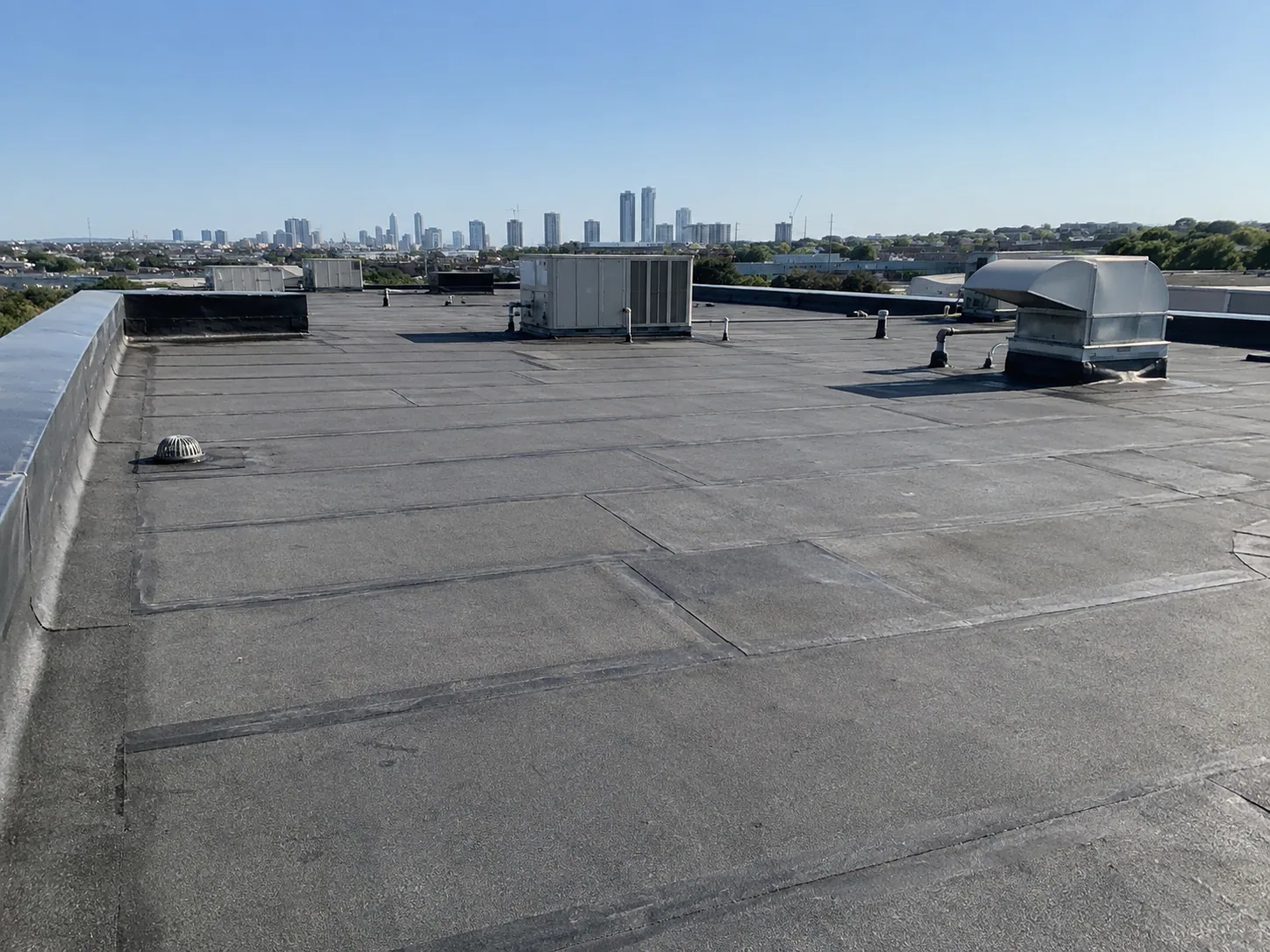
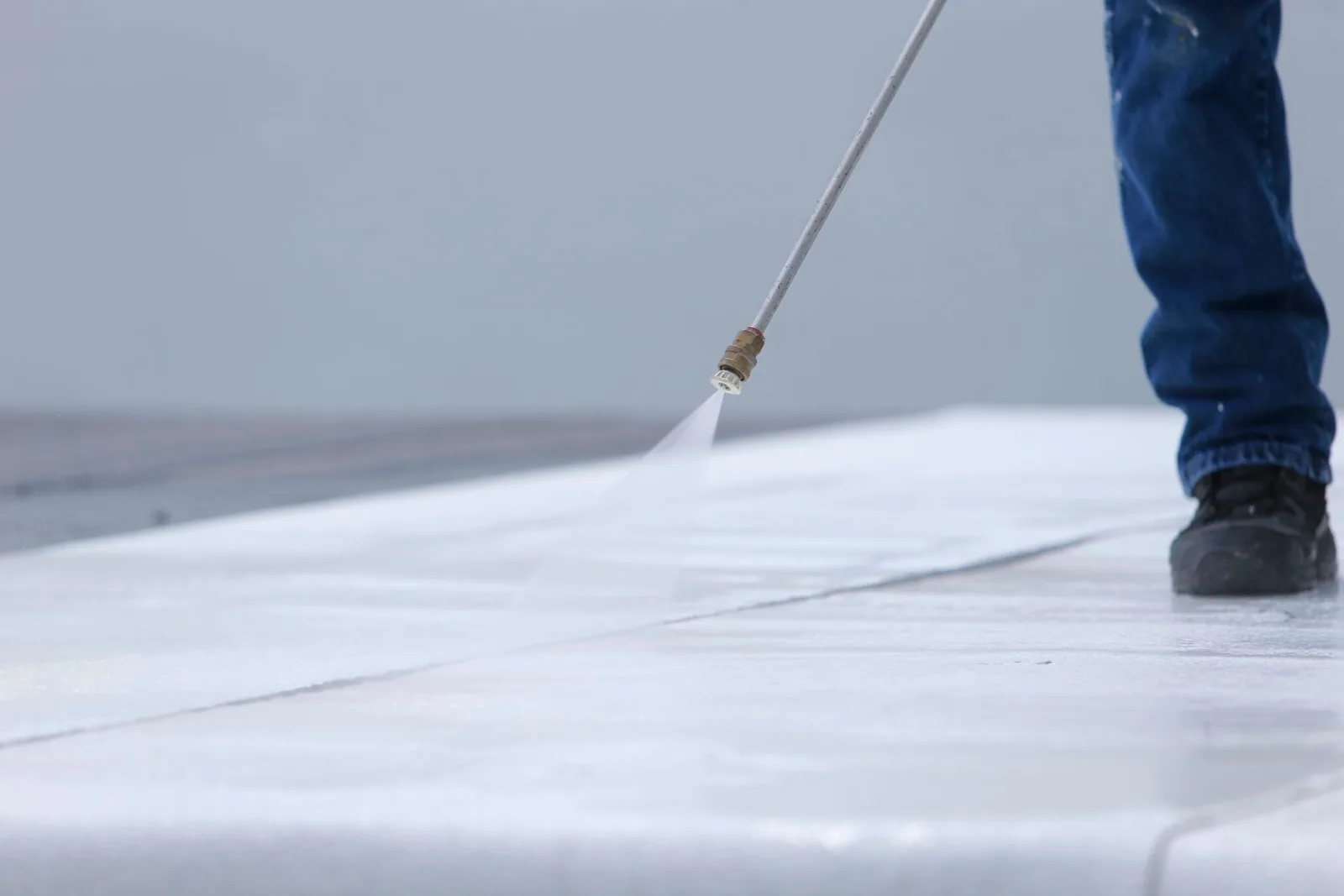
Cold Storage Roofing in Clearwater, FL

Roof repair and replacement for cold storage and freezer buildings in Clearwater, FL: vapor control, wet insulation checks and work that protects product.

Moisture can damage a freezer roof even where the weather-facing covering appears intact. The membrane may look perfect. The damage is in the layers below it.

Here is how it works. Water vapor moves from warm, humid air toward cold, dry air. In Clearwater, FL, outdoor air is warmer than a freezer interior for much of the year. The cold side is the freezer. If the vapor retarder has a gap, the vapor passes through, turns to frost inside the insulation and builds up.

The insulation then loses its value, the energy bill climbs and the compressors run longer. Any cold building near Port Tampa Bay or along the US 19 corridor lives with this pressure. We look for the entry points, then we look at the layers beneath them.

Frost builds in the layers

Frost builds in the layers

Think of it this way. Insulation works because of the tiny air pockets in it. Fill them with water or ice and the insulation stops insulating. A wet freezer roof does not drip right away. It stores water as frost and releases it in a thaw.

The failure runs in a chain.

  1. A seam, a penetration or a gap in the vapor retarder lets vapor in.
  2. The vapor reaches the cold layer and freezes.
  3. Ice expands and pushes at the deck and the membrane.
  4. A defrost cycle, a power loss or a warm spell thaws it, and water drops into the room.

That drip over product is the first sign most managers see, and by then the insulation has been wet for a long time. An infrared moisture survey can contribute to the investigation where the assembly and conditions allow meaningful interpretation. Further testing establishes the moisture condition; the temperature pattern alone does not locate a gap in the vapor-control layer.

Gulf air is wet air

Pinellas County is a peninsula, with 55 percent of its area water. Salt air and coastal humidity are part of daily roof conditions here, and Clearwater takes about 52.6 inches of rain a year. Summer highs sit in the low 90s, and afternoon thunderstorms come nearly every day.

The gap between that air and a freezer's interior is a wide one. A wide gap means strong vapor pressure, and strong pressure finds any hole in the barrier. It also makes sun heat matter. A dark roof over a cold room fights the compressors all summer.

Then there are storms. Hurricane Milton left roughly 70 percent of Pinellas County without power in October 2024. When the compressors stop, the roof insulation is the last defense for the product inside. If that insulation is wet, the clock runs faster.

Signs over a cold room

Signs over a cold room

Cold buildings give early signs, if you know where to look.

  • Frost or ice on the underside of the deck, especially near penetrations.
  • Dripping or damp spots in the room after a defrost cycle.
  • Compressors that run longer than they used to.
  • Soft or spongy spots on the roof surface, which suggest wet insulation.
  • Staining around refrigeration line penetrations.
  • Ponding on the roof, which adds weight and wets the seams.

Penetrations are the usual weak point. Refrigeration lines, conduit and drain pipes each cut through the vapor retarder, and each needs its own seal. Our flashing failure repair work starts at those details, since a small gap there lets more vapor in than a large patch of good field.

Repair from the warm side

Step one is to establish the assembly and choose a suitable investigation. We map confirmed moisture findings and identify suspected areas needing another check. The cores also show us the order of the layers, which tells us where the vapor retarder sits.

Then we work from the top down. Wet insulation comes out in sections and goes back as dry, new board. The vapor retarder is repaired or replaced at each opening and sealed to every penetration. The membrane goes on last.

We avoid heavy heat near foam or sandwich panels. A cold storage roof may have insulated metal panels or a foam core, and open flame has no place near either. Where foam suits the building, a sprayed system such as spray polyurethane foam roofing adds insulation and a joint-free surface in one pass. Where it does not, we recommend a single-ply system and board stock that suit the deck.

What drives the cost

What drives the cost

A cold storage roof costs more per area than a plain one, and the reasons are specific.

  • The vapor retarder must be inspected and repaired, not just covered.
  • Insulation is often thick, so replacement board adds material and labor.
  • Work has to be sequenced so the room stays cold and product stays safe.
  • Refrigeration penetrations need careful flashing, one at a time.

A reflective surface helps the compressors. A cool roof installation lowers the heat the roof absorbs, and that heat is part of the cooling load. In some cases a silicone roof coating over a dry, sound membrane is a fair next step. It only works if the layers below are dry, which is why the moisture map comes first.

The City of Clearwater requires a roofing permit, and new work follows the 8th Edition (2023) Florida Building Code.

Plan for the power cut

The storm season sets two risks on a freezer roof. Wind opens the cover. A power cut stops the compressors. Together they turn a repair into a product loss.

Before the season, we walk the roof, clear drains and check the edge metal. We also photograph every penetration so you have a record to compare against after a storm. If the roof is old and the insulation is suspect, scan it in spring and fix the wet sections before June.

A building in the Gateway area around Pinellas Park might put a freezer wing and a dry wing under one roofline. The dry wing can follow the approach used on a distribution center roof, while the cold wing gets the vapor work.

Commercial Roofing Questions

Why is there ice under my freezer roof?

Ice can indicate moist air reaching a cold surface, but its location and the assembly need investigation before the cause is assigned. We compare air leakage paths, vapor-control continuity and roof condition. The findings establish which connections need correction and whether any affected insulation must be removed.

Can we reroof without warming the freezer?

Usually the room stays cold. We repair the exterior layers and only open the insulation in small sections, closing each one before the next. If we must expose the vapor retarder, we do it on a dry morning and seal it the same day to keep outside air from reaching the cold side.

Is spray foam a good fit for a cold storage building?

Foam suitability depends on the complete assembly and its moisture-control requirements. Closed-cell foam adds thermal resistance, but it does not remove the need to design air and vapor control at interfaces and penetrations. Substrate condition, attachment and the protective coating are assessed before we recommend that option.

What happens to my product if the roof leaks during a power outage?

Roof water and warm room air both threaten it. We dry in the opening fast, then help you move or cover stock if needed. Dated photos and a short report support your insurer, and we plan the permanent repair so the room can return to temperature quickly.

Does a reflective roof matter on a building that is meant to stay cold?

It matters a great deal. A dark surface soaks up heat that the compressors must remove, while a reflective surface sends much of it back. The benefit is strongest in Clearwater's long summer, and it pairs well with better insulation when the roof is replaced.

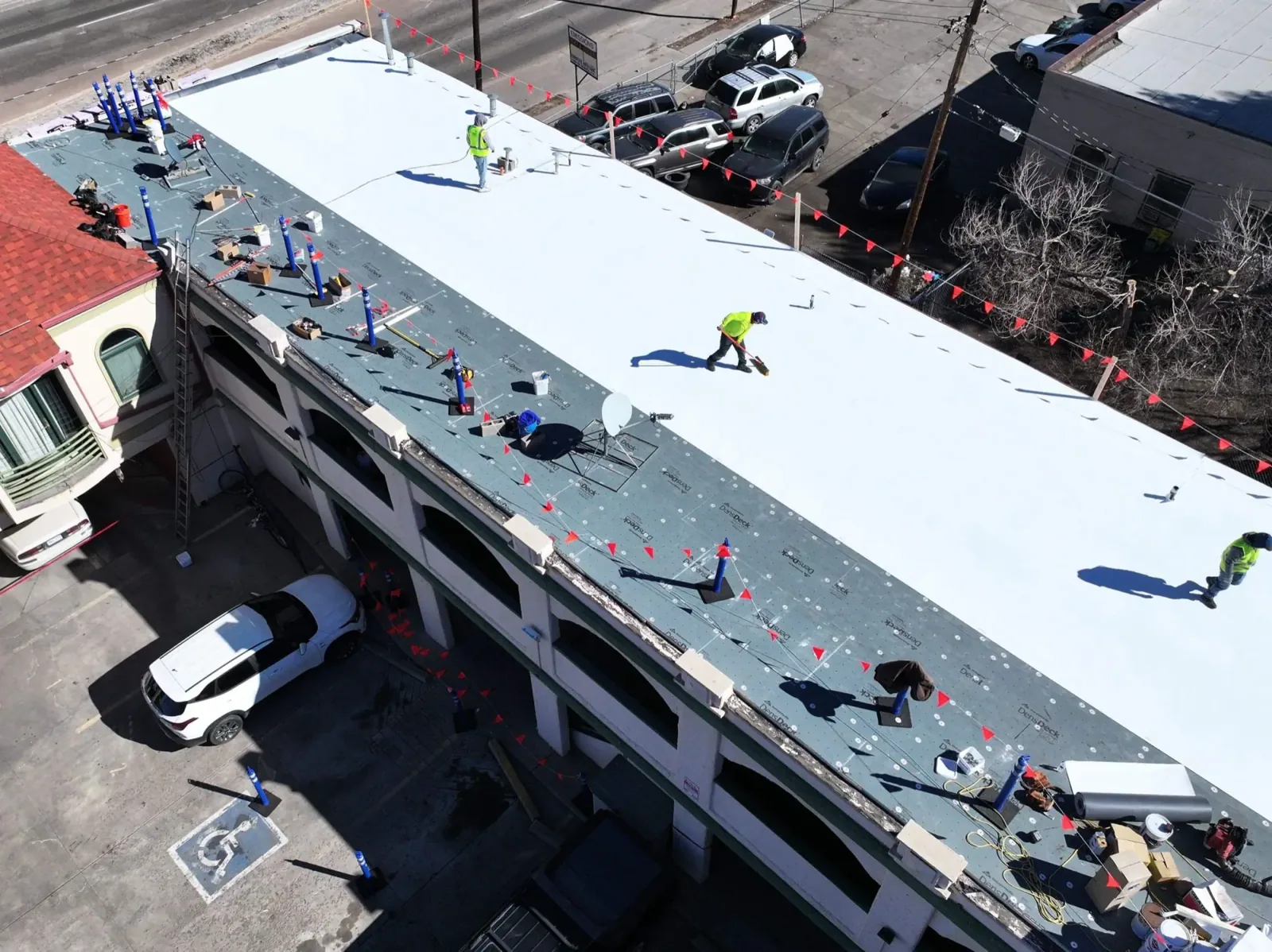
Send photos or book a moisture scan

Send photos of the roof and any frost or drips inside, or book an inspection. We will show you what we see, explain where the moisture is coming from and plan the repair around your product. Call any day of the week.

Request a Roof Assessment   or call 555-555-5555

Call555-555-5555