Data Center Roofing in Clearwater, FL

Roof repair and replacement for data centers and server rooms in Clearwater, FL: equipment pads, lightning, leak detection and storm-ready edges.

A loose equipment connection can open a data center roof while the adjoining membrane still looks intact. A chiller pad shifts. A conduit penetration loses its seal. A pipe support rubs through the membrane. The field of the roof is fine, and the water still gets in.

The space below the defect changes the consequence. A leak over server halls can cost uptime, and uptime is the product. The roof has one job, which is to keep every drop outside.

Clearwater, FL has an economy that includes technology employers such as KnowBe4 and Tech Data, and Pinellas County lists information technology among its six target industries. Whatever the building holds, our approach is the same. We inspect the accessible details, identify defects and explain the protection needed for the equipment below each affected area.

Pads, pipes and penetrations

Pads, pipes and penetrations

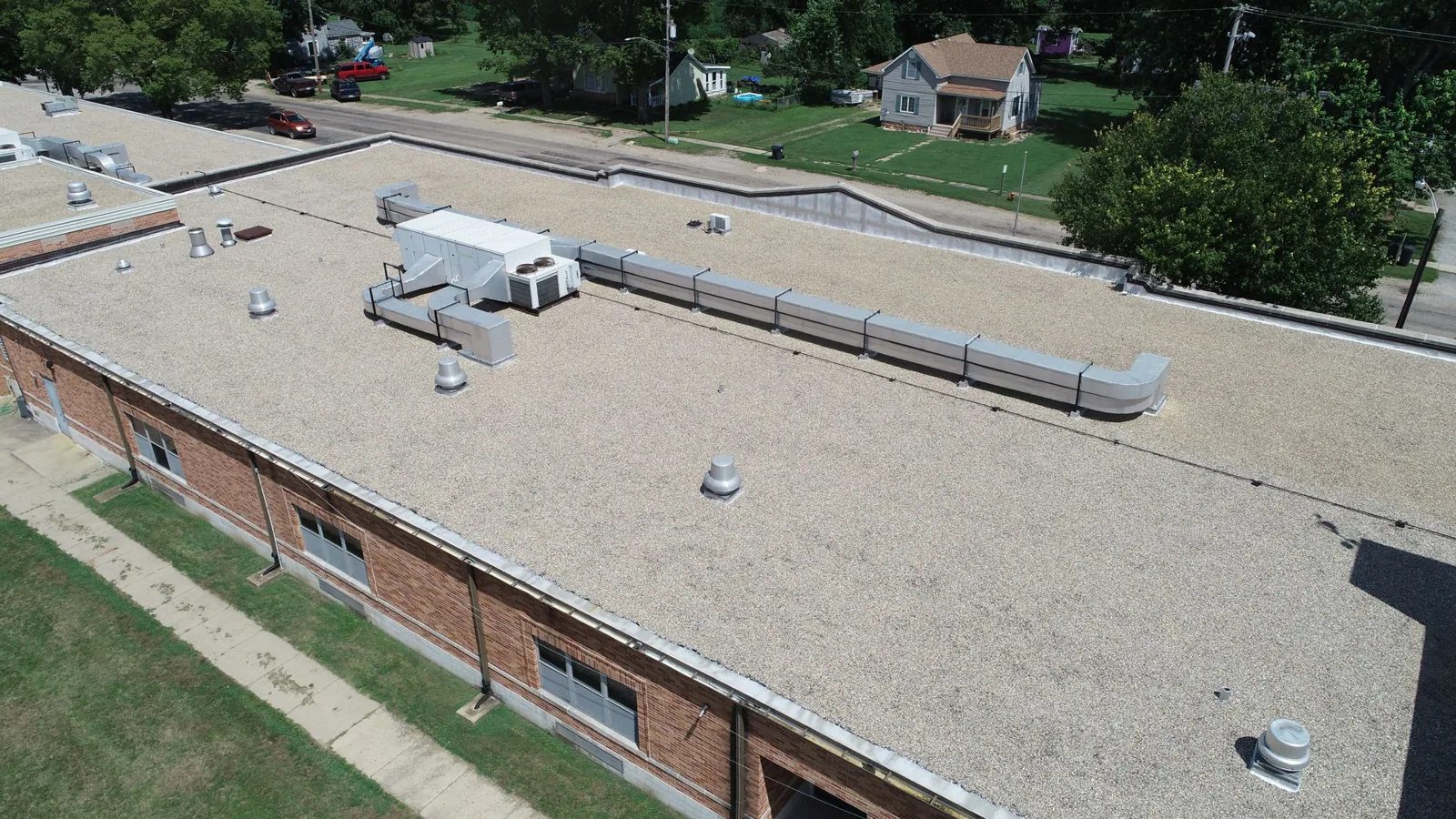
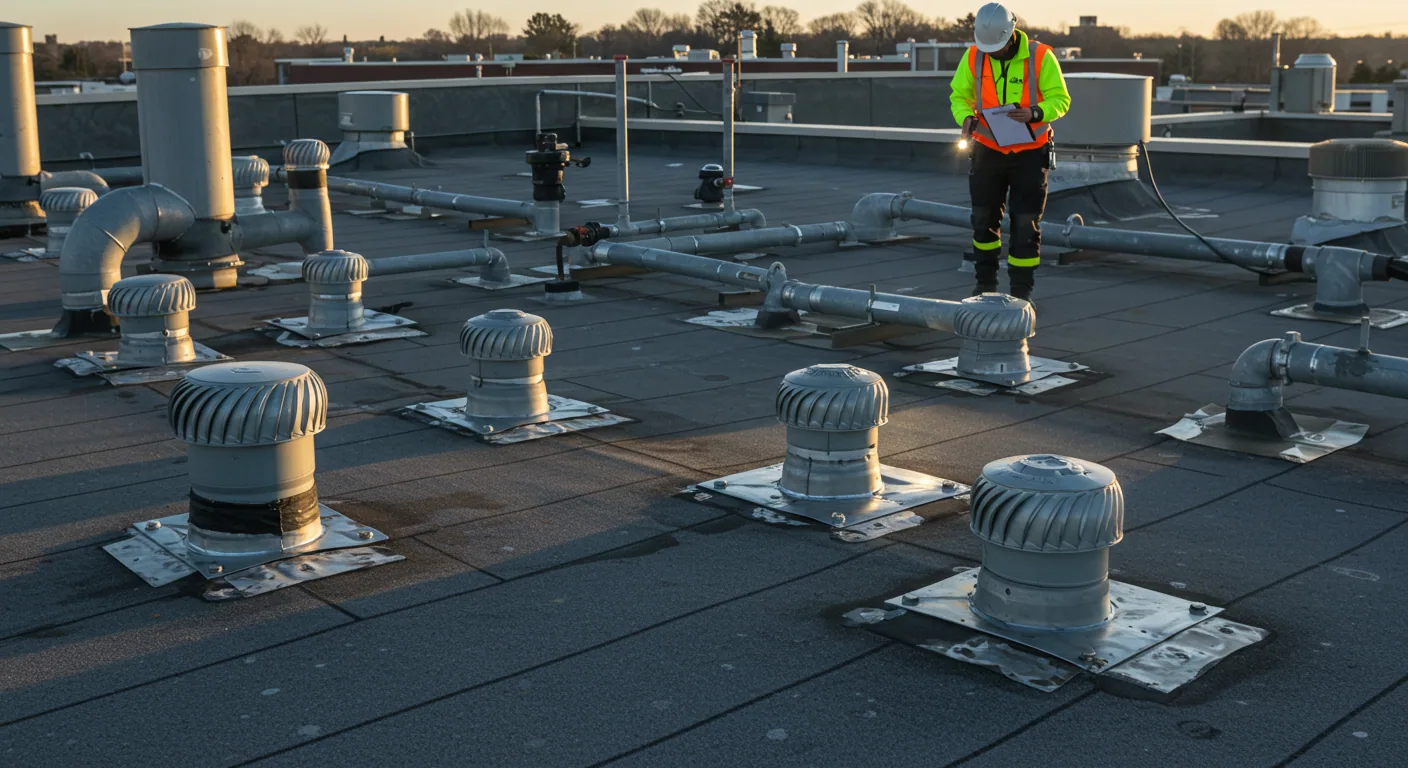
Think of it this way. A data center roof is a mechanical yard on top of a building. It carries chillers, dry coolers, generators, fuel lines, conduit and cable trays. Each one is a hole or a weight, and each one moves.

The failures are repeatable.

  • Equipment vibrates and works the flashing loose at its base.
  • Pipe supports with no pad grind the membrane away.
  • Conduit and refrigerant lines pass through the deck with sealant that dries and shrinks.
  • Foot traffic from technicians wears the same paths bare.

We treat each as a small repair job with its own detail. Our work on rooftop equipment curbs and supports follows the same order every time: photograph, mark sound, patch or rebuild, then retest the repair with water or a probe.

Lightning, heat and the wet season

Tampa Bay carries a reputation as the lightning capital of North America. Almost daily summer afternoon storms add wet roofs to hot ones, and the surface runs much hotter than the air, which sits in the low 90s. A roof under that cycle expands and contracts every day.

Lightning matters for a second reason. Roof-mounted air terminals and bonding straps are part of the protection system, and each one pierces or sits on the membrane. If the flashing at those points is cracked, water gets in beside a grounding path.

Storms matter too. Hurricane Milton brought gusts up to 101 mph and over 18 inches of rain to parts of Pinellas County, and it left roughly 70 percent of the county without power. A sound roof protects spaces that may need to operate while power continuity arrangements are in use. Edge metal, drains and roof-mounted equipment all need to be sound before the season starts.

Reading the leak signals

Reading the leak signals

Do not wait for a drip. Data halls give you earlier signs.

  • Electronic leak sensors that go off during rain.
  • Water marks on a ceiling grid above the white space.
  • Humidity readings that rise after a storm.
  • Rust around penetrations on the roof.
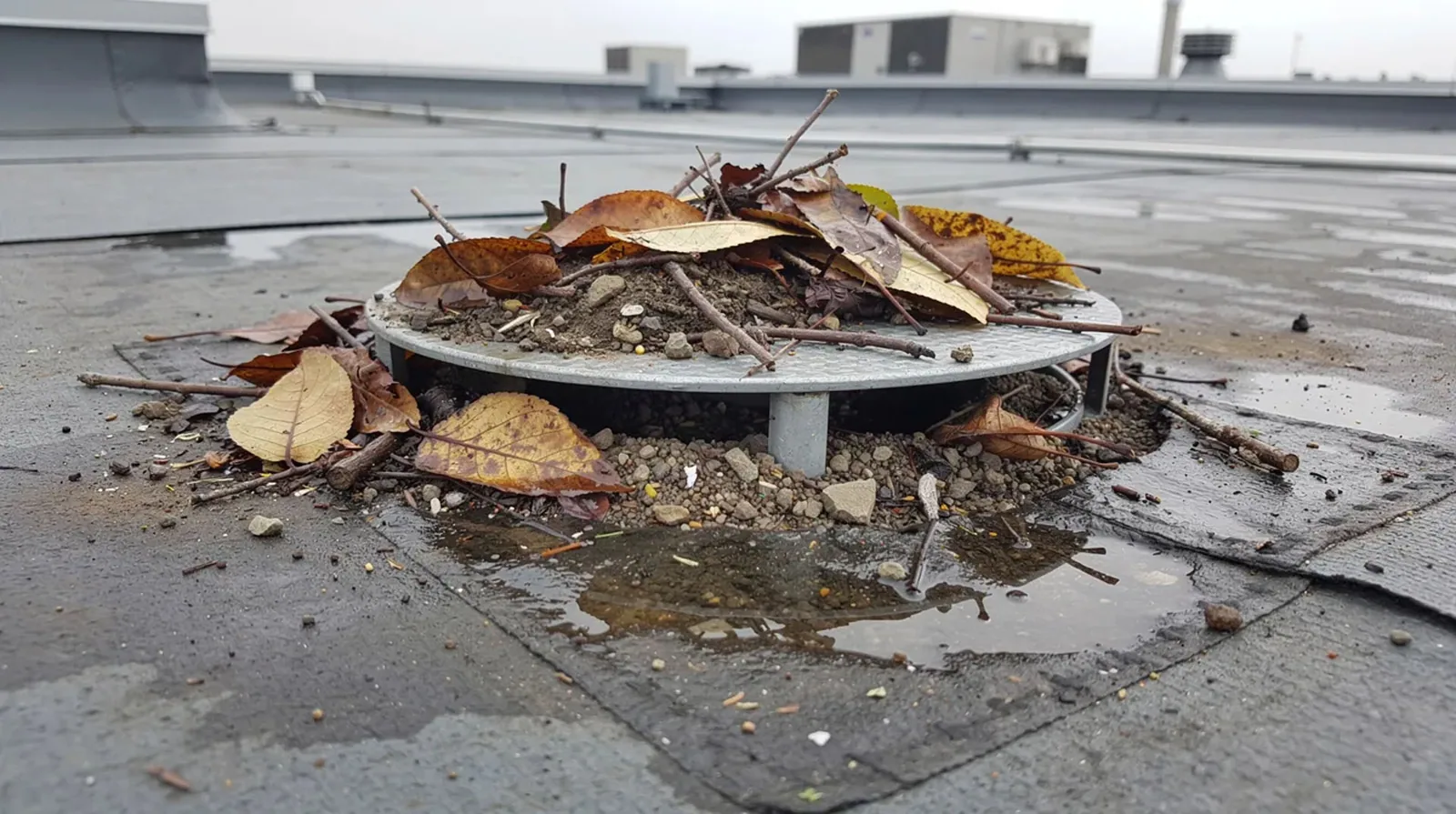
  • Standing water near equipment pads after the rain stops.

Some operators install leak-detection cable under or within the roof layers. It is a good idea on a critical building, since the cable points to the wet area instead of the stain. A proposed detection system needs its own specialist design and compatibility review before it is integrated with a replacement. For an existing roof, a commercial roof inspection with infrared scanning and core cuts maps the risk without waiting for a failure, and we write the findings in a report your facilities team can file.

Two lines of defense

Step one is to separate the roof from the room. We confirm what sits under each section, from white space to electrical rooms to offices, and rank the sections by risk. The sections over critical rooms get the most careful scope.

The build-up assigns a different job to each layer. The membrane and its details provide the waterproofing. A suitable cover board supports the membrane and protects the insulation; it is not automatically a second waterproof barrier. Pipe supports sit on pads, penetrations get purpose-made flashings and curbs get reflashed, not caulked.

Where a building can take a single-ply system, PVC roofing is a common choice for rooftop yards, because its welded seams and resistance to chemicals and grease suit equipment pads. Where a cover board is missing, roof insulation and cover board work adds the protection layer during the same visit.

Roof work is a change window

Roof work is a change window

A data center runs on change control, and roof work is a change. We plan around that. Expect to share a method statement, a hot-work plan, a lift plan and a rollback step for each phase.

What shapes the schedule:

  • How much equipment must be shut down, moved or supported during work.
  • Whether generator fuel lines or cooling loops run through the work zone.
  • Crane and lift access, which has to avoid air intakes and exhaust.
  • The number of penetrations that need new flashing.
  • Permit review: the City of Clearwater requires a roofing permit and a product approval sheet.

Noise, dust and fumes also matter. We keep adhesives and exhaust away from intakes and ask for the air handling shutoff windows that suit your team. In the Gateway and Ulmerton Road business district, where the Gateway district meets I-275, Ulmerton Road and Roosevelt Boulevard, lift staging often needs a plan before the date is set.

When the grid goes down

The goal before a storm is simple. No loose parts, no open details, no standing water. Walk the roof in spring and clear every drain. Check the edge metal and the equipment tie-downs. Make sure the sealant at penetrations is intact.

If a storm does damage the roof, the emergency steps matter. We dry in the opening, protect the equipment and give your team photos with dates. Then we plan the permanent fix with emergency roof repair and a follow-up scope that covers the equipment yard.

Many technology buildings share a campus with offices. The same plan carries across to an office building roof next door, with an equipment layout assessed separately from the data center.

Commercial Roofing Questions

What roof system works best over a room full of servers?

A welded single-ply membrane over a firm cover board is a strong choice. Welded seams do not rely on adhesive alone, and the cover board protects the insulation from foot traffic. We pick the sheet after checking what the equipment pads and exhaust put onto the roof.

Can you work above live equipment?

Yes, with a written plan. We coordinate shutdown windows with your facilities staff, protect intakes and exhausts and stage materials away from the critical zones. Each phase has a defined stop point so the roof is closed and dry by evening, even when the job continues the next day.

Do we need leak detection built into the new roof?

On critical buildings it is worth pricing. Electronic detection methods have different assembly requirements. A specialist review establishes whether the proposed system can be integrated and what it detects. We coordinate the roofing scope with that design instead of treating every sensor or detection cable as an interchangeable addition.

How do you handle roof equipment during a reroof?

We reflash the curbs and rails in the same visit, and we raise or support equipment only when your engineers approve. Units stay in service wherever we can keep them running, and any shutoff is scheduled with your team in advance.

What should the roof look like going into hurricane season?

Quiet, tight and clear. Drains run free, edge metal is fastened, equipment is tied down and penetrations are sealed. We photograph the roof before the season so any change after a storm is easy to see. The report goes to your team and stays on file.

Send us the roof plan or a photo

Send photos of the roof and equipment yard, or book an inspection. We will show you what we see, explain which sections carry the most risk and plan the work around your change windows. Call any day of the week.

Request a Roof Assessment   or call 555-555-5555

Call555-555-5555