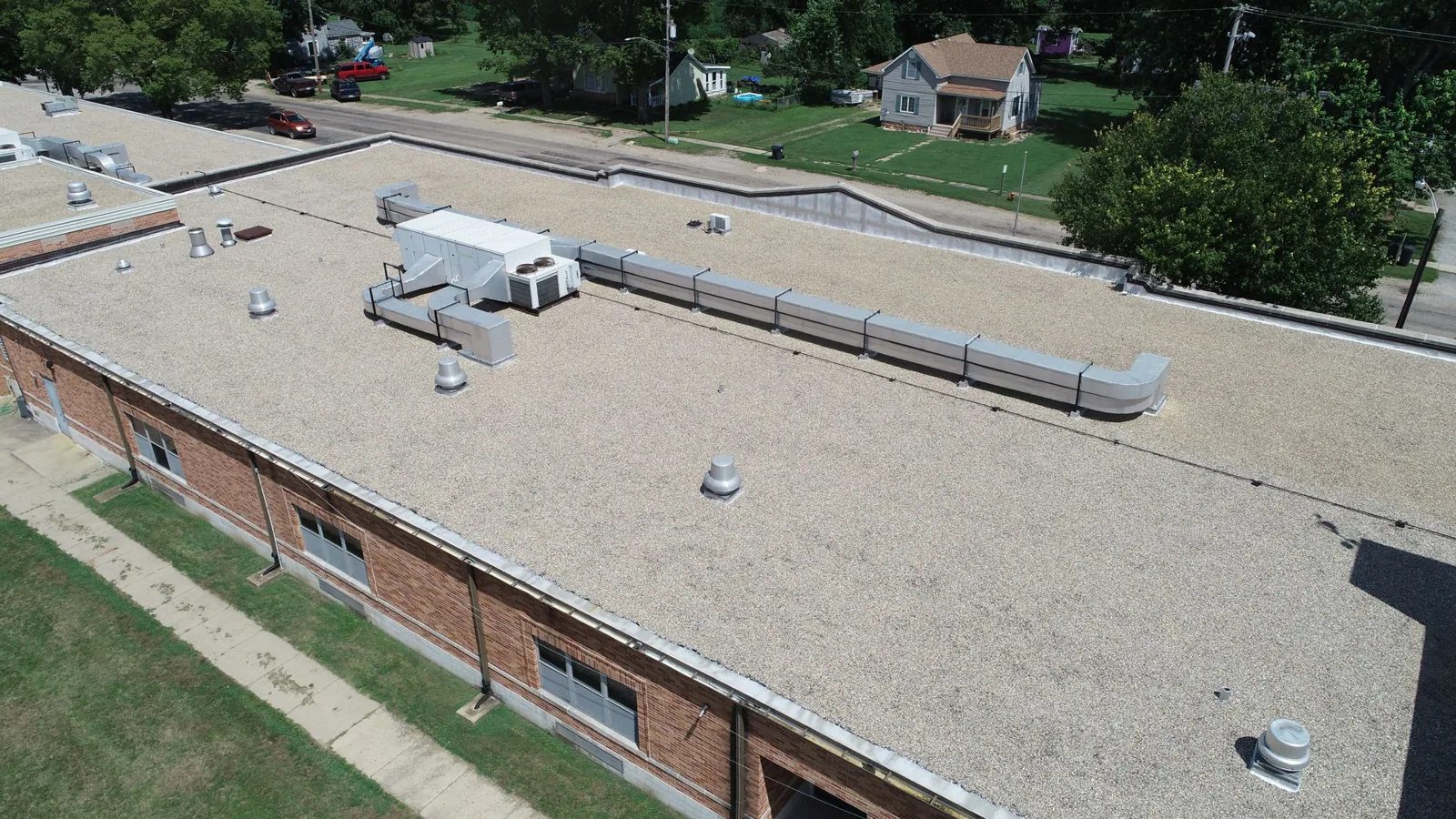
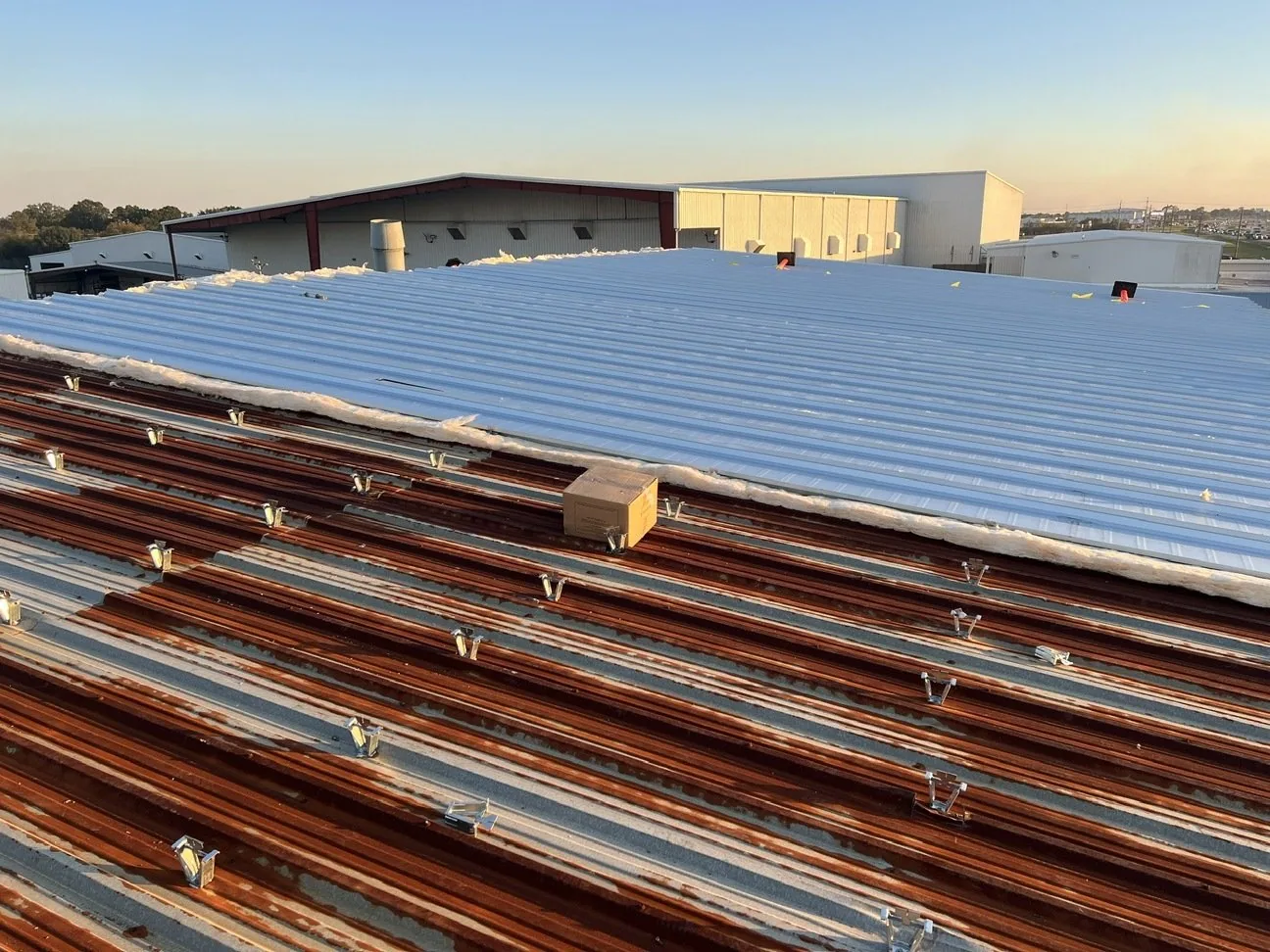
Roofing for Logistics and 3PL Operators in Clearwater, FL

Clearwater logistics roof repairs protect inventory with defined work zones. We explain leak tracing, drain problems and roof access around dispatch schedules.

A warehouse leak becomes harder to repair when the floor beneath it stays full. Pallets conceal the wet area. Dispatch lanes cannot be blocked casually. The roofing defect still needs attention, but the operating plan determines how the affected space can be protected during the work.

For logistics and 3PL operators in Clearwater, FL, we connect the roof location with the aisle, storage zone and loading function below. We inspect the roof before settling the repair. The result explains both the damaged assembly and the access needed to correct it without creating an unplanned conflict with the operation.

Port Tampa Bay handles container and bulk cargo. St. Pete-Clearwater International Airport also has an industrial park. Those regional freight connections make warehouse continuity a practical concern. They do not tell us the roof on a particular property. We identify that roof's construction and condition on site.

Map the drip to the storage zone

Map the drip to the storage zone

A drip over a rack needs an interior location that can be matched to the roof. Aisle markings, structural lines and equipment positions help. We record those relationships and compare the leak timing with rainfall. The nearest roof opening may be worth checking, but it is not automatically the entry point.

Warehouse roofing work can involve a long water path through insulation or along the deck. We inspect seams, penetrations and wall connections in the relevant area. Where visible damage does not explain the symptom, further moisture investigation can help define the search.

The operator protects or relocates affected stock and keeps people clear of wet electrical areas. We explain what roof work is proposed above that zone. The floor arrangement then supports the repair instead of leaving the crew and warehouse staff to negotiate protection after work begins.

Inspect the outlet and its approach

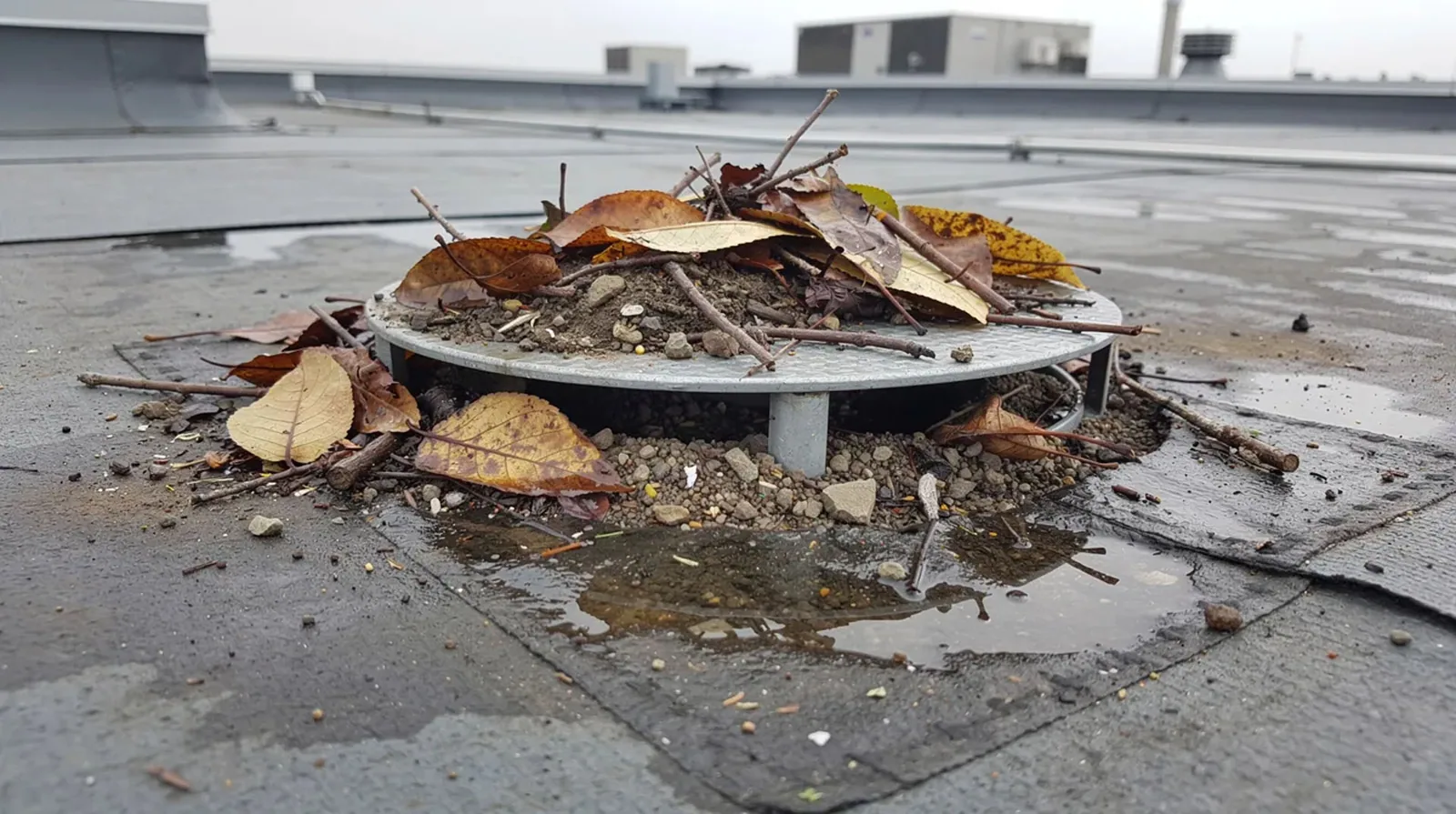
An outlet hidden behind equipment may collect debris without attracting attention from the floor. Once it backs up, water stays against low details. We examine the drain connection, the surrounding surface and the route that water takes to reach it.

Repairing roof drains and scuppers can require more than clearing a basket. A damaged flange or separated membrane needs rebuilding. A low area upstream needs a slope or assembly review. We identify which condition is present so cleaning is not mistaken for a complete correction.

A dispatch building in the airport industrial park needs that same roof-specific check. We agree on access and loading restrictions with its operator. The airport setting informs coordination; the actual outlets, equipment and membrane determine the roofing scope.

Separate local damage from saturation

Separate local damage from saturation

An isolated puncture can often be repaired at its location. Wet insulation extending beyond it requires a wider investigation and removal boundary. We look beneath the symptom before suggesting that a surface patch settles the entire problem.

A thermal survey, visual inspection and suitable test openings can work together. None should be treated as interchangeable evidence. We explain what each investigation found and what it could not establish. That gives the operator a clearer understanding of why an affected area is larger than the visible opening.

The same concern reaches manufacturing operations when production and storage share a building. Water does not stop at the painted line between uses. We mark the affected roof materials independently of the warehouse's internal department boundaries.

Arrange the roof delivery separately

Roofing materials need a staging area that does not obstruct dispatch. A delivery appointment for goods is not a roofing access plan. We identify where the lift or equipment can operate and how removed roofing will reach the disposal area.

Distribution center roof projects can require a sequence that keeps selected dock areas clear. The operator tells us which routes are essential. We describe the movements and overhead tasks that affect them so a suitable work zone can be agreed in advance.

The Courtney Campbell Causeway connects Clearwater with Tampa over Old Tampa Bay. Travel and delivery arrangements matter when scheduling regional suppliers and equipment. We confirm actual delivery windows with the site rather than assuming that a regional route makes access straightforward. On-site space remains the controlling detail.

Keep trade changes in view

Keep trade changes in view

New refrigeration, communications or mechanical equipment can leave roof openings that were not part of the original leak complaint. We review proposed penetrations before installation. Their locations and flashing details need to fit the existing drainage and the compatible repair materials.

Working with the contractor coordinating alterations helps keep equipment setting and roof closure in the right order. The scope identifies the curb, support and flashing responsibilities. A late change should be reviewed before the finished membrane is cut again.

Service paths deserve attention after installation too. Repeated foot traffic can wear a membrane beside a unit even when the unit itself is watertight. Compatible walking protection must suit the roof and keep drainage open. We show where the approach needs protection and where a seam still needs inspection.

Prepare the next wet-season visit

Summer thunderstorms in the Tampa Bay region repeatedly test outlets and details. A repaired roof should be checked for debris accumulation and changes caused by equipment service. We document the finished work so the next visit can distinguish a new defect from an earlier repair.

A planned maintenance visit can include clearing accessible drainage, examining repair edges and checking exposed perimeter connections. The operator should report unusual water marks or changes in the leak timing between visits. A symptom that starts only after a service visit deserves a different investigation from one that follows every heavy shower.

Cost follows the damaged area, wet material removal, access arrangements and operating restrictions. We explain those drivers before finalizing the repair. Roof emergencies receive round-the-clock response, including holiday periods, with safe access assessed first. Send the aisle location, leak photos and dispatch constraints so we can show the findings and the next roofing step.

Before roof work over a distribution operation, coordinate forklift aisles, dock doors, inventory exposure and the safe route for material handling. Aisle numbers help locate an interior report, but the roof map must connect that position to drains, seams or penetrations above. We agree on any temporary stock movement with the facility manager and identify where overhead work could affect loading. If the leak continues during a storm, the report should specify where to protect goods and who receives the next update. This gives the operations team a usable plan without treating the entire warehouse as one work zone.

Commercial Roofing Questions

Can you identify the roof area from our aisle number alone?

A floor plan or guided interior walk helps establish that location. We compare it with structural lines and roof equipment before marking the inspection area, rather than guessing from the external building shape.

Will all stock under the repair need to move?

The tasks overhead and the facility protection requirements guide that decision. We identify the affected work zone so the operator can arrange clearing, covering or temporary isolation where necessary.

Our dock schedule changes daily. How should we plan a roof delivery?

An agreed staging and lifting area gives the schedule a physical basis. We review the dispatch constraints and confirm the delivery window before materials are brought to the site.

Can a leak repair wait until the full replacement project is approved?

Active water entry may require interim protection sooner. We describe a temporary measure where safe and suitable, together with its limits, while the owner reviews the permanent scope.

Does new equipment require another roof check after installation?

Post-installation inspection can catch punctures and unfinished flashing. We examine the affected area and service route so the equipment change does not leave an overlooked opening above inventory.

Send the aisle and the roof concern

Share safe photos, the affected storage location and dispatch restrictions. We will inspect the roof and explain the repair and access requirements.

Request a Roof Assessment   or call 555-555-5555

Call555-555-5555