Roofing for Property Managers in Clearwater, FL

Clearwater property managers get roof findings tied to each building, tenant and repair. We explain priorities, access needs and wet-season maintenance.

A shared roof develops trouble where responsibility becomes unclear. One tenant reports a drip. Another tenant owns the equipment above it. The manager receives separate repair requests, yet the water may travel through the same insulation. Treating each request alone can leave the actual entry open.

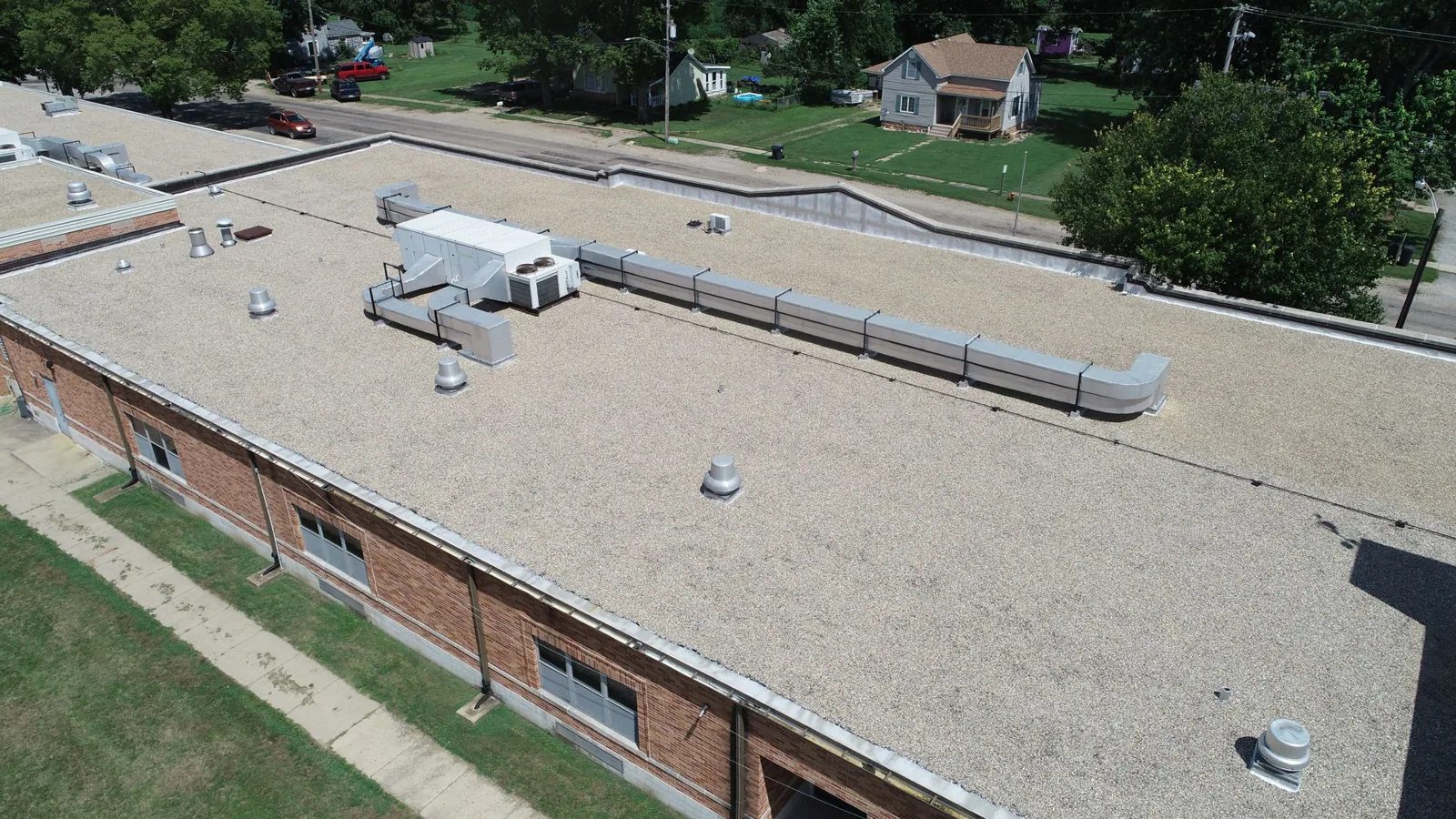
Property management roofing in Clearwater, FL starts by identifying the roof section and the people it affects. We inspect the surface, perimeter, drainage and equipment details together. Each finding gets a location. That allows the repair instruction to reach the correct building and the correct tenant without relying on a ceiling stain alone.

US 19 connects commercial properties through Clearwater and Largo. A manager covering that corridor may handle different leases and roof materials in the same morning. We keep the inspection clear enough to compare those buildings while preserving the differences that affect each repair.

Give each defect a location

Give each defect a location

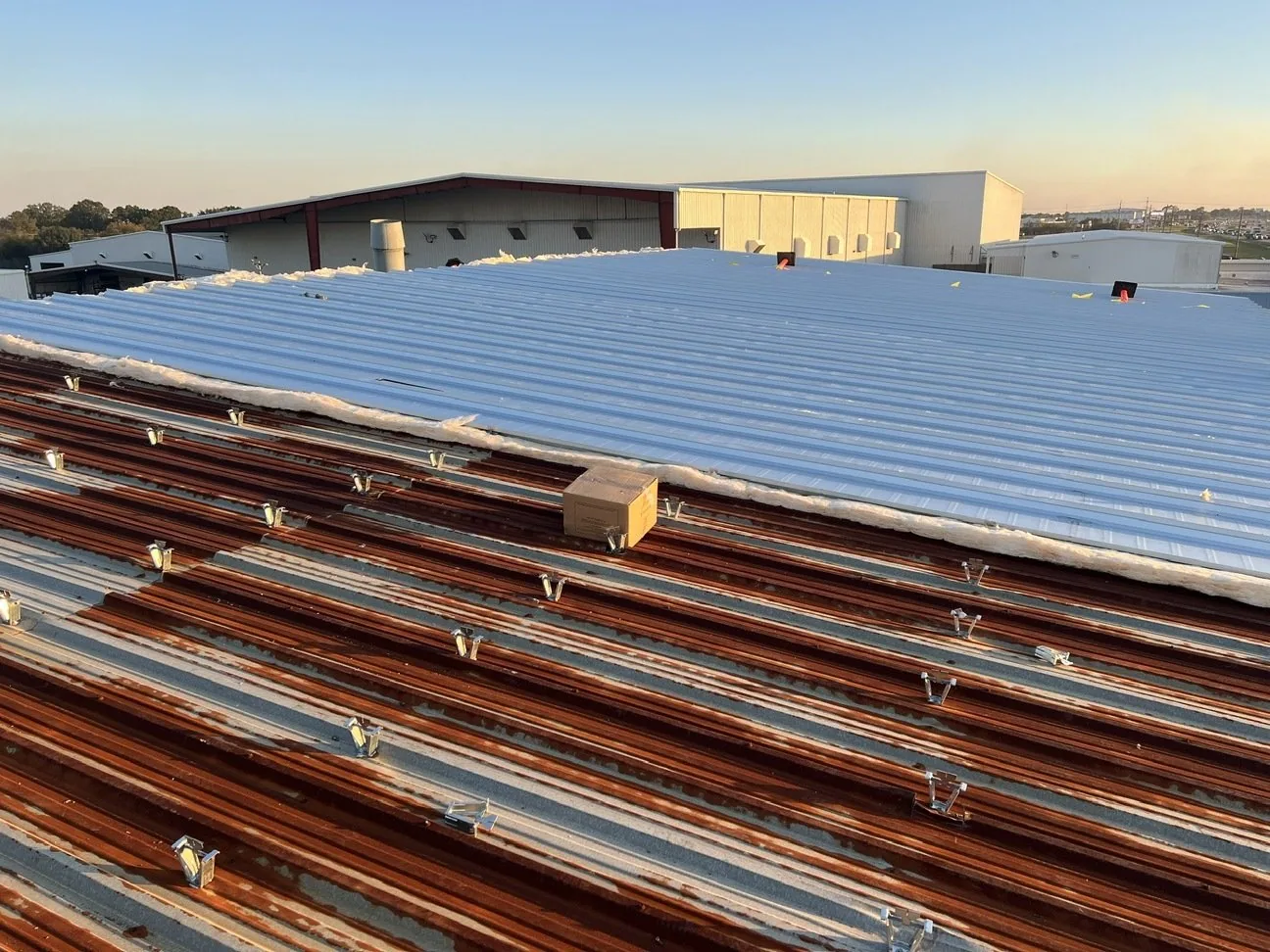
A roof photograph needs enough context to be useful. A close view of a split seam shows damage. A wider view shows which air handler or parapet it sits beside. We provide both where needed, then place the finding on a roof layout or marked photograph.

We also distinguish the reported symptom from the observed defect. A ceiling leak is a symptom. An open flashing corner is a defect. Wet insulation is an affected part of the assembly. Combining them into one vague label makes the next decision harder. Our hands-on roof inspections give the manager a record that separates these items.

A tenant may have repaired the interior before reporting the leak. Ask for the timing and any earlier photographs. We compare that history with the roof findings. A dry ceiling on inspection day does not mean the opening closed itself.

Sort urgency before budgets

Water entering an occupied suite needs prompt attention. A worn walkway without an opening may belong in planned maintenance. We sort the findings by what they are doing now and what can happen if they remain. This avoids giving every defect the same urgent label.

Temporary protection and permanent work also need separate descriptions. We explain which measure limits exposure while weather or access prevents the final repair. Emergency roof help remains available overnight, through weekends and on holidays. Actual roof access depends on conditions and the hazards at the property.

A manager working with an investor or ownership group needs the cost drivers made visible. Wet insulation removal, difficult access, tenant protection and equipment moves can change the scope. We identify those drivers so an approval does not arrive with an incomplete understanding of the work.

Check the water across leases

Check the water across leases

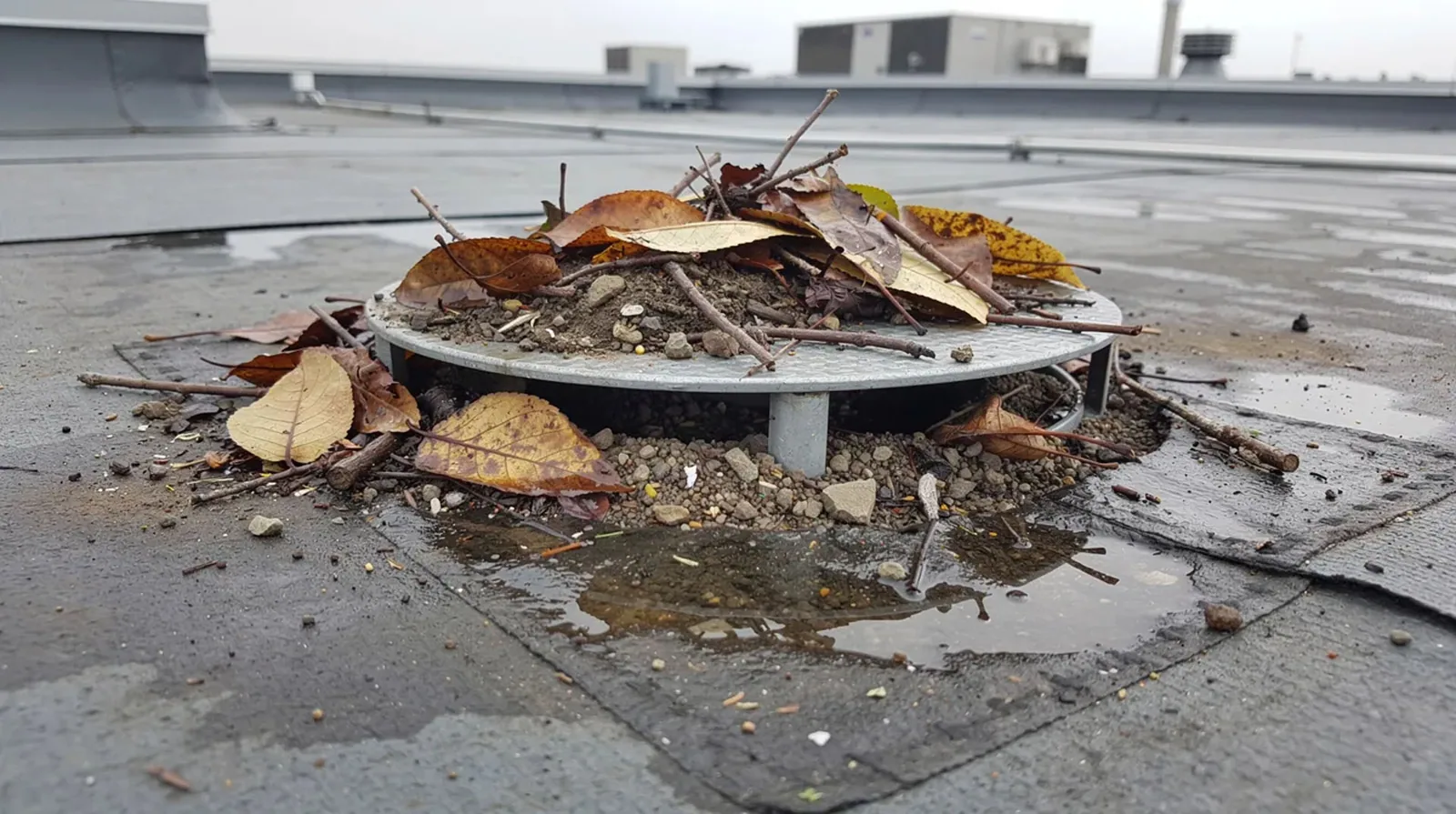
A blocked outlet can affect more than the suite directly below it. Water follows the roof slope. It may pass behind a curb or along a wall before reaching the drain. We trace that route and check who controls access to the affected area.

Drainage repairs can involve cleaning, replacing a damaged connection or correcting a low area. These are different jobs. Clearing debris does not lift settled insulation. Adding another layer of patch material does not restore a drain flange that has separated from the roof.

Ulmerton Road serves the Gateway business district and crosses US 19. At a managed office or flex property in Gateway and Ulmerton, we confirm the actual roof boundaries on site. A common address, shared wall or lease drawing does not establish where runoff goes.

Schedule the affected operation

Roof access may use a tenant storage room, loading area or controlled stair. We identify that route before work is scheduled. The manager confirms who can open it and when the crew may enter. Deliveries and removed materials need an agreed path too.

For an occupied building, noise and air intakes deserve specific attention. Fastening over a conference room can affect a meeting even without an interior opening. Debris near an intake creates a different concern. We describe the work steps so the tenant can plan around the actual interruption.

Retail operators may need coordinated approval from a regional contact. We can connect the roof scope with the operating needs of multi-location retail and restaurant businesses. The local manager then knows what is being done, which equipment is affected and who should receive an update if weather changes the sequence.

Keep the repair history usable

Keep the repair history usable

A patch without a date or location can confuse the next inspection. We record the completed area and photograph the finished connection. Where the roof assembly is exposed during the work, we document what was found underneath. That becomes useful evidence for future planning.

A multi-building roof program should preserve the identity of each roof section. Membrane type, observed condition, moisture findings and drainage concerns remain building-specific. Using the same reporting format helps comparison. Using the same repair recommendation without an inspection does not.

Follow-up visits should also revisit the cause. If service traffic caused punctures, the repaired membrane needs a better walking route. If debris blocked a scupper, its collection point needs attention. The repair history then explains what changed rather than simply adding another invoice to the building file.

Make the next approval clear

A local repair is appropriate when the surrounding material can accept a sound connection and hidden damage is limited. Wider moisture, repeated failures or a deteriorated deck can require a larger scope. We explain where the inspection supports a decision and where further investigation is needed.

Roof capital planning joins those findings to the owner's timing. It separates a present leak from a future replacement allowance. A proposed coating or recover also needs a suitability check. Covering wet or detached material would leave the manager with a new surface above the same weakness.

Send the building list, leak photographs and any existing roof records. We will show you what we find and explain the next action for each affected section. Clear records help the manager authorize work without losing the roof's condition in a chain of tenant messages.

For a portfolio, use one roof map format across properties, but let each inspection reach its own finding. The manager can record the building, report date, active leak status, repair boundary and next decision in a shared log. That makes it easier to distinguish a recurring detail from unrelated failures at separate sites. Lease responsibilities and access rights should be confirmed before the crew enters a tenant space or shuts down equipment. We document the observed roof condition and coordinate the work window; the owner or manager retains responsibility for authorizing access and resolving lease questions.

Commercial Roofing Questions

Two tenants report leaks after the same rain. Do we need two repair scopes?

A shared drainage or flashing problem may connect the reports. We map both interior locations, inspect the roof above them and separate common defects from independent ones before setting the scope.

Can the owner approve the leak repair before the larger investigation?

Immediate protection can be described separately where it is practical. We explain its limits and identify the investigation needed for a permanent repair, so the owner sees which decision is being approved.

Will the report identify equipment that belongs to a tenant?

Equipment locations can be recorded with the roof findings. Ownership comes from the lease and management records. We show where an equipment connection affects the roofing so responsibility can be settled using the actual documents.

What happens if a tenant refuses roof access through their suite?

Another safe route may be available after an access review. Where no suitable route exists, the manager must arrange permission or a different work window. We identify the limitation before committing to a repair sequence.

Should every building receive the same maintenance work?

Condition and exposure guide the tasks. A roof with frequent equipment service needs different attention from one with debris collecting at a parapet. Comparable records help budget the work without treating unlike roofs as identical.
Send the building and the symptom

Share the address, safely taken photos and tenant access details. We will inspect the roof and explain the repair priorities.

Request a Roof Assessment   or call 555-555-5555

Call555-555-5555