Roof Recover and Overlay in Clearwater, FL

Clearwater roof recovers need sound existing layers and a suitable new assembly. We inspect moisture, drainage and attachment before explaining the scope.

A recover can inherit damage when wet materials remain beneath the new assembly. A new membrane looks fine on day one. If the old insulation below it is soaked, the new roof inherits the problem and ages faster.

A recover, also called an overlay, puts a new roof system over the existing one instead of tearing it off. Done on the right roof, it saves time, debris and disruption. Done on the wrong roof, it conceals damage that still needs correction. The choice between the two comes from facts we gather by hand, not from a guess made at the curb.

For owners in Clearwater, FL, there is a second test. Storms, wind rules and permit review all shape what can sit on top of an old roof. Let us walk through it in order.

What a recover actually is

What a recover actually is

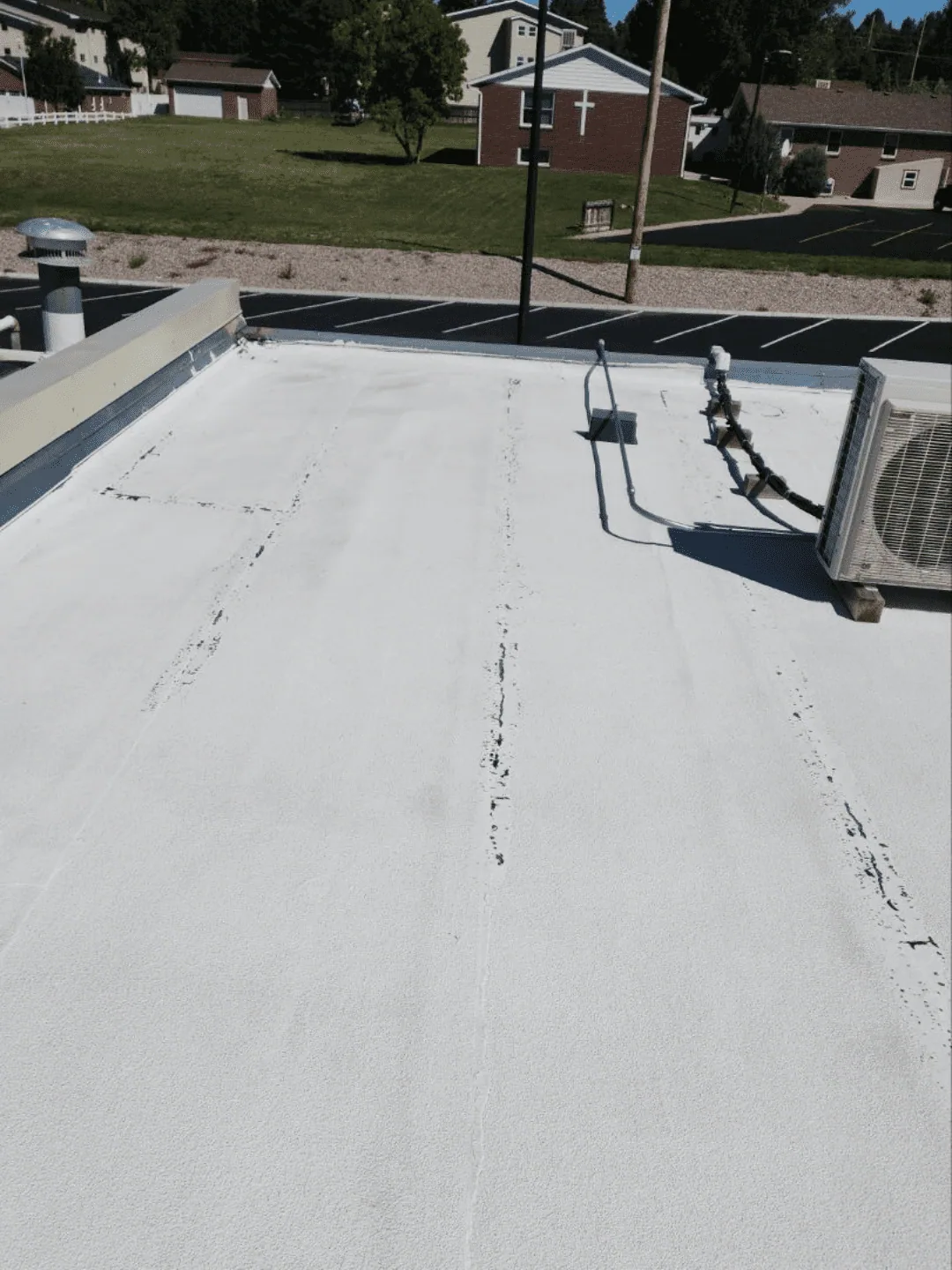
Think of it this way. A recover is a new roof laid on top of an old roof that has become its base. The old roof stays in place. A separation layer or cover board goes over it, then a new membrane, then new flashing and edge metal.

The upside is real. Retaining suitable layers reduces removal work, although local damaged areas can still need to be opened and rebuilt. The tenants below usually notice very little. Crews can often finish faster than they could on a full replacement.

The tradeoff is just as real. The retained layers remain part of the assembly, so their condition matters to the proposed work. Extra weight lands on the deck. Any weak spot in the old assembly becomes a weak spot in the new one. That is why we never quote a recover before we have read the roof.

The wet test comes first

Step one is moisture. Insulation that has taken on water loses its strength and its insulating value. It can also add load and affect adjacent materials, and a new membrane cannot fix that from above.

We find wet insulation three ways. An infrared moisture survey identifies thermal patterns under suitable conditions. Readings and selected test openings help confirm suspect moisture. Core cuts show what is really in the layers, and we patch each cut the same day.

The code backs this up. Applicable reroofing requirements address existing layers and water-soaked material, with the proposed assembly reviewed through the permit process. Confirmed wet layers need removal. We establish the affected extent and compare the remaining assembly before deciding whether a partial correction or a broader tear-off is needed. Commercial roof replacement picks up from there.

Roofs that can take an overlay

Roofs that can take an overlay

Recover eligibility requires a review of all relevant conditions, including:

  • The existing roof is a single layer.
  • The insulation is dry across the field and at the edges.
  • The deck is sound and has no rot, rust or loose sections.
  • Drains work and water leaves the roof within a day or so.
  • The new system is compatible with what is below it.
  • The deck can carry the added weight.

An unmet requirement can prevent a recover or require correction before it is considered. Ponding that sits for days is a signal that the roof may need tapered insulation or a different drainage plan. A recover that leaves the ponding in place only moves the problem up a layer.

What goes between the old and the new

The layer between old and new does most of the quiet work. A cover board gives the new membrane a flat, firm base and keeps old fasteners, ridges and blisters from telegraphing through. We select the insulation and cover board for the existing assembly and the support the new covering requires.

Then comes attachment. The attachment design follows the applicable wind requirements for the building and the selected assembly. Whatever goes on top has to be fastened or adhered to resist that uplift, not just sit there. We do not assume the old roof has the strength to hold the new one down in a storm. We check, then we design the attachment.

Edges and curbs get new metal and new flashing, tied to the new membrane and raised where needed. Pipes and drains are rebuilt, since the added thickness would otherwise leave them too low. Some roofs are better served by a coating or foam system, such as spray polyurethane foam roofing, or by a metal retrofit over an old flat roof. That route is a metal roof retrofit.

Where recovers work in Clearwater

Where recovers work in Clearwater

Recovers suit buildings that cannot easily stop. Retail along the US 19 corridor is a common example. Strip centers and big-box stores there keep customers inside, and a full tear-off over an open sales floor is hard to schedule. A recover on a dry, single-layer roof keeps the work quieter and shorter. The same logic applies to shopping center roofing across the US 19 corridor.

The airport industrial park and Gateway include commercial properties that need their own assessment. A warehouse or flex-building address does not establish whether its roof can support a recover. The catch in this climate is water. Clearwater's annual precipitation is about 52.6 inches, and an opening during the wet season can admit moisture into concealed layers before an interior stain is reported. After Hurricane Milton dropped over 18 inches of rain on parts of Pinellas County, a roof that looked sound from above could still hold water in the insulation. That is why we test every roof before recommending an overlay.

Recover eligibility is a condition decision, not a shortcut around investigation. We check how many existing layers are present, whether the deck can accept another assembly, and whether drainage and perimeter heights still work after added insulation. Wet material cannot simply be sealed beneath a new sheet. A recover scope should name the retained layers, define any removal zones and show how transitions at drains, curbs and edges will be raised or rebuilt. That lets an owner compare a recover with tear-off on the same set of assumptions, including access, disposal and the risk of hidden deterioration.

Commercial Roofing Questions

Can any commercial roof be recovered?

Eligibility is project-specific. We establish existing layers, moisture, attachment, deck capacity, drainage and applicable requirements. Surveys and selected openings contribute evidence; they do not settle every requirement alone. We describe necessary corrections before recommending recover or removal.

Is a recover cheaper than a replacement?

Often the upfront cost is lower because there is no tear-off or disposal. The numbers shift when the deck needs repair or the old roof needs extra prep work. Compare total life of the roof, not just the first invoice, and ask us to put both options side by side.

How many times can a roof be recovered?

The existing roof layers and applicable requirements govern what can remain. Deck capacity, attachment and moisture must also be evaluated. We identify the assembly and permit requirements before proposing another layer, rather than assigning a universal recovery count.

Will a recover affect my manufacturer warranty?

Warranty terms vary by manufacturer and by system, so we read the terms for your chosen membrane before the scope is final. Some require a moisture survey and a cover board. Ask for the written conditions early, because they can change the recommended build-up.

How disruptive is the work for people inside?

There is far less noise from above than during a tear-off, and no open deck. Rooftop equipment may still need shutdowns, and we plan loading, parking and crane lifts with the property manager before the first day.
Show us the roof

Send photos or book an inspection. We will check moisture, layers and drainage, show you what we find, and explain whether a recover fits your building or a full replacement is the safer path.

Request a Roof Assessment   or call 555-555-5555

Call555-555-5555