Roofing for Investors and REITs in Clearwater, FL

Clearwater roof surveys help investors separate current leaks from capital work. We explain moisture, remaining roof condition and acquisition repair choices.

A roof becomes an investment problem when its surface hides damage below. Fresh coating may look orderly while insulation remains wet. An acquisition inspection that stops at appearance can miss the work needed after closing. The first task is to identify the assembly and test the concerns the roof actually presents.

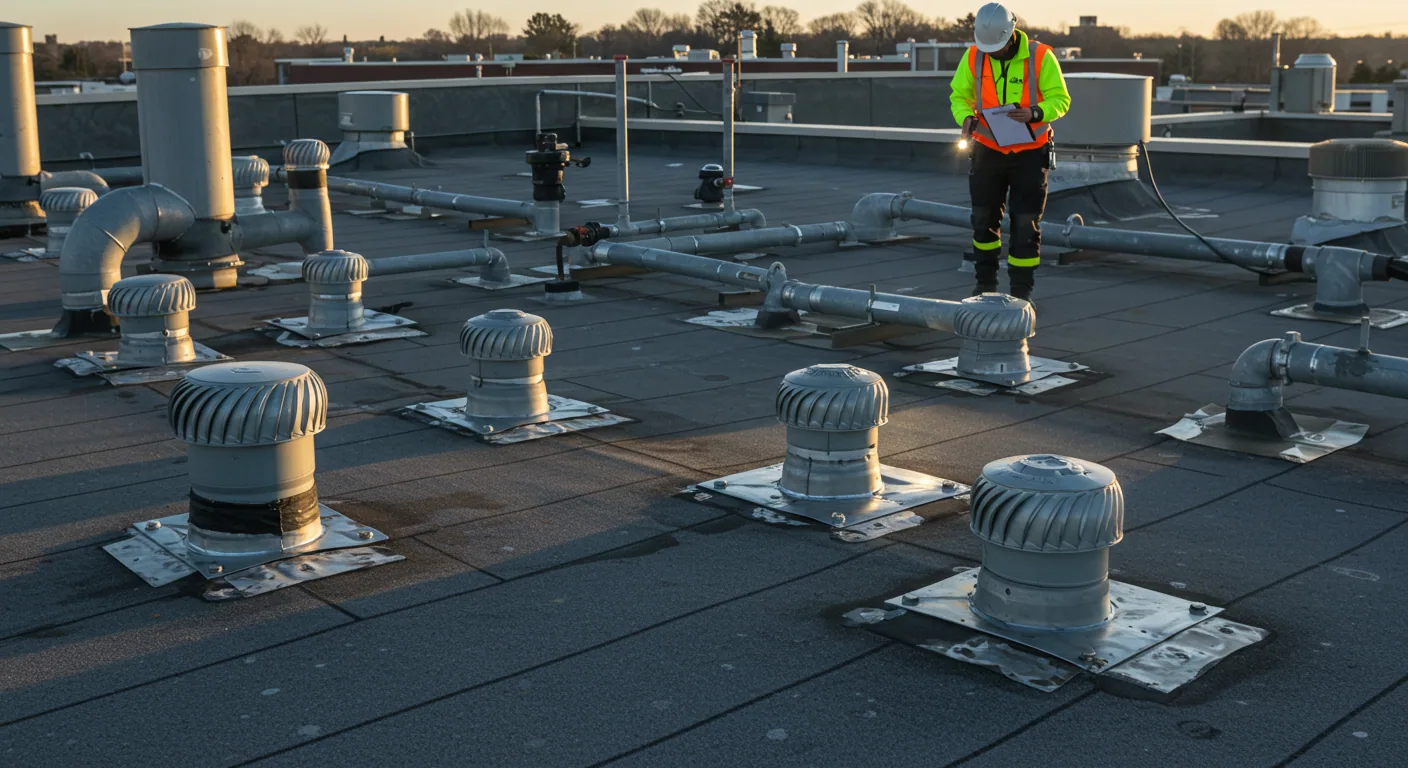
For investors and REITs in Clearwater, FL, we connect physical findings to a usable scope. We inspect details, drainage and accessible deck conditions. Where moisture is suspected, we explain the investigation required. The report distinguishes an observed opening from an area that still needs confirmation.

Downtown Clearwater and the Old Bay Character District are identified redevelopment areas. A purchase there needs an inspection of the current roof, regardless of the building's history. The age of a landmark does not tell us when its membrane was installed or what remains beneath it.

Separate appearance from condition

Separate appearance from condition

A coating can conceal earlier repair edges. It cannot establish that the substrate was dry or attached properly. We look for blistering, soft areas, loose details and exposed repair transitions. These signs help direct investigation rather than deciding the roof's future by themselves.

A due diligence roof survey records what was accessible at the time of the visit. Interior access, drawings and prior maintenance records can improve the picture. Restrictions belong in the report so the buyer can identify what remains unresolved before relying on the findings.

We also confirm whether separate roof sections have different materials or drainage. A replacement over one tenant does not establish the condition over another. The acquisition review must preserve those boundaries. Otherwise a recent repair can give a misleading impression of the entire asset.

Investigate the hidden materials

Wet insulation changes the repair decision. It can lose useful thermal performance and leave moisture against other parts of the assembly. A new surface over it does not remove that problem. We identify suspect areas before recommending restoration, a recover or replacement.

An infrared moisture investigation can help locate thermal patterns under suitable conditions. Those patterns require interpretation and confirmation. We explain which areas were tested and whether the evidence supports local removal or a wider repair boundary.

A test opening may reveal layers, attachment and deck condition that photographs cannot show. Permission and proper closure are part of that work. If the seller limits invasive investigation, we describe the remaining uncertainty. A buying decision then rests on known limits rather than a confident label attached to incomplete access.

Compare scopes on equal terms

Compare scopes on equal terms

A repair allowance needs a defined area and a defined task. Rebuilding failed wall flashing is different from coating the surrounding field. Removing saturated insulation adds another step. We break these items apart so proposals can be compared without hiding a missing operation in a broad description.

Capital repair planning considers the observed roof condition alongside planned ownership timing. An immediate leak repair may allow the building to operate while a larger project is prepared. It does not reset the condition of the untouched roof.

Roof access, tear-off depth, deck repairs and equipment coordination affect price. Tenant protection can also change the sequence. We explain these drivers qualitatively and identify what must be confirmed before a final scope. An attractive surface choice should not distract from the work needed to connect it to sound material.

Account for redevelopment details

US 19 runs through Clearwater and Largo. Clearwater identifies its portion as a redevelopment corridor. A tenant change can introduce new rooftop equipment, abandoned openings and alterations at a parapet. Before a new use begins, we compare the proposed equipment layout with the roof that is already there.

An acquisition along the US 19 corridor may need coordination among seller, buyer and tenant. We identify whose permission is required for roof access and where equipment work could affect the proposed repair. The actual lease and construction plans settle those responsibilities.

Working with a general contractor on the improvement work helps sequence curbs, supports and roof closures. Placing equipment before its curb detail is settled can create rework. A clear roof scope should reach the construction team before openings or delivery dates are committed.

Keep operations in the valuation

Keep operations in the valuation

An occupied asset needs more than a material estimate. We identify work above sensitive tenant areas, air intakes and entrances. The manager can then see which spaces require protection or a different work period. Noise and access restrictions belong in the planning assumptions.

A property management team can provide leak history and service records. These help distinguish recurring symptoms from a new event. We inspect the current condition too. An old invoice is evidence of past work, not proof that the same detail remains sound today.

The operating plan should explain how each work area will be closed against rain. Clearwater's summer thundershowers make that sequence consequential. Opening more roof than the available conditions permit adds exposure. We plan the day's work to suit the roof and weather, then communicate changes before tenant arrangements are affected.

Preserve the record after closing

A sale can leave roof information scattered across several parties. We organize the inspection findings by building and section so the new owner can use them after closing. Photographs, moisture findings and repair recommendations should refer to the same locations.

For a portfolio, roof asset records help track the difference between repair spending and capital work. A completed local patch is recorded as a local patch. Roof sections that were not replaced retain their own condition and unresolved concerns.

Following a storm, immediate protection may need action before a capital decision is finished. We respond at any hour, including weekends and holiday periods, subject to safe access. Send the address, inspection deadline and available records. We will explain the roof evidence and which questions need an answer before the asset decision.

During acquisition or portfolio review, a roof opinion should state its basis and limits. We note what was observed, which records were available, the areas not reached and whether any opening or test is still recommended. That is different from assigning a fixed remaining-life estimate. Comparing assets is more useful when each report uses the same categories for active leaks, deferred maintenance, near-term repair and capital planning. A documented scope can then support diligence discussions while leaving final valuation, reserves and transaction terms with the investment team.

Commercial Roofing Questions

The seller calls the roof new. What do you need to check?

Installation records and the actual roof assembly should agree. We inspect the stated replacement area, details and visible condition, then identify whether older sections or hidden layers remain outside that description.

Can a condition report give us a fixed replacement year?

Future service depends on present condition, exposure and upkeep. We describe the evidence and planning considerations without assigning an exact failure date that the inspection cannot establish.

Should we inspect before negotiating the repair allowance?

Early findings make the allowance more specific. They identify the affected roof sections and whether moisture investigation or deck access is needed before the scope can be priced reliably.

Do small recurring leaks justify replacing the asset roof?

Repeated symptoms deserve investigation before a capital decision. Several leaks may share one failed wall detail, or they may reflect widespread deterioration. We show which pattern the inspection supports.

Can the survey be handed to our property manager after closing?

A location-based report is useful for that handoff. We include observed findings and inspection limits so the manager can act on current repairs and retain unanswered items for further review.

Inspect before the roof allowance

Send the property address, acquisition timing and available roof records. We will show the findings and explain what they mean for the proposed work.

Request a Roof Assessment   or call 555-555-5555

Call555-555-5555