KEE Roofing in Clearwater, FL

KEE PVC-alloy membrane roofing for Clearwater, FL plants, hospitals and kitchens: chemical and grease resistance, welded seams, repair and replacement.

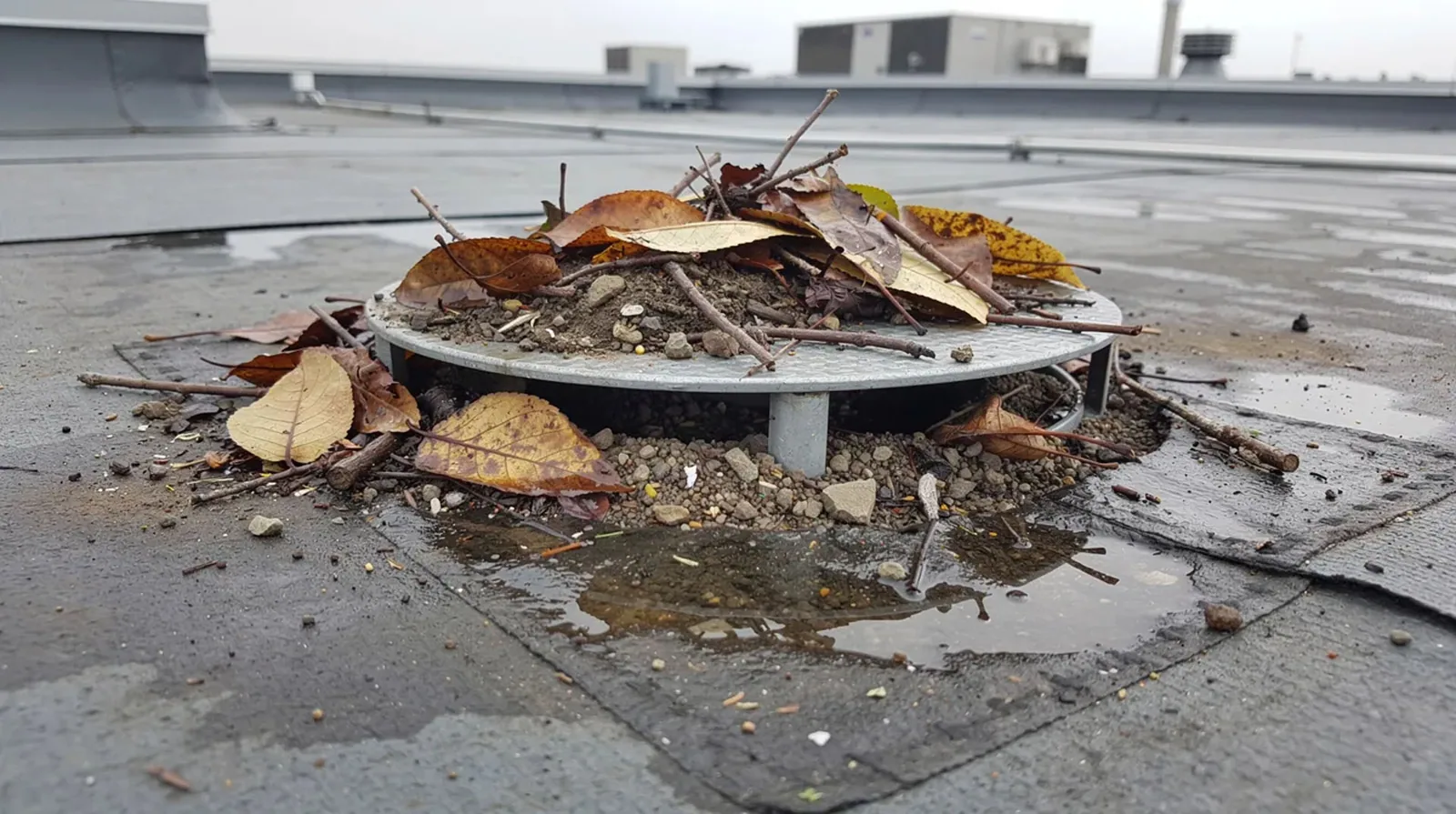
A KEE roof usually fails at a detail somebody added after the roof was laid. A new exhaust fan, a conduit run, a satellite mount: each one means a cut in the sheet and a patch around it. We inspect both the membrane and the later patch to identify the affected material.

KEE is a PVC-alloy membrane. The letters stand for ketone ethylene ester, a polymer blended into the sheet to provide flexibility with product-specific formulation and performance. Its joins are heat welded, and chemical exposure suitability is evaluated using the selected product's published resistance information. Grease, oils, fuels and process discharges are not interchangeable exposures.

Here is why it matters in Clearwater, FL. Pinellas County has a deep manufacturing base and large medical campuses, and buildings like those put steady loads on a roof. Here is how KEE handles that, and where it still needs care.
Late additions open the roof

Late additions open the roof

Step one on any KEE failure is the penetration. Every pipe, curb and mount gets a boot or a flashing, and those pieces were welded by whoever was on the roof that day. When a later crew cut a new hole and sealed it with caulk, the repair held for a season and then cracked.

Step two is the edge of a weld. KEE needs a clean surface and enough heat to fuse. A weld made over film from kitchen exhaust or over a damp patch bonds on the top only. A probe along the seam edge finds it.

Step three is foot traffic. Service techs carry tools, filters and parts to rooftop units, and the same path wears every week. A KEE sheet resists abrasion well, but a dropped panel or a ladder foot can still cut it. The tear is small and the water finds it.

In short, the membrane is the strong part. Everything attached to it needs watching.

What sets KEE apart

Think of it this way. KEE is a polymer used in certain flexible roofing sheets. Formulations differ, including products that contain liquid plasticizers as well. We identify the actual membrane and examine aged material before assuming it can accept a new weld.

That is also why KEE gets used where the roof is exposed to something nasty. Fats and oils soften many membranes. Solvent vapor does the same. Suitability for those exposures requires the selected product's resistance data, which is why it shows up on roofs over kitchens, laboratories and process areas. It reflects sunlight, handles ponded water and can be mechanically attached or fully adhered.

The cost rises with those benefits. The selected membrane, attachment, preparation and detail work determine installed cost. Whether the extra spend is worth it depends on the actual discharge, compatibility, condition and required detail work. If the answer is nothing but rain, a lighter system may fit better, and TPO roofing is the usual comparison.

Exhaust, process air and salt

Exhaust, process air and salt

Pinellas County has the third largest manufacturing employment base in Florida, with more than 34,000 manufacturing workers. Companies with Clearwater operations include GE Vernova, Bausch + Lomb Surgical, Monin Americas and Yo Mama's Foods. Plants and processing buildings often vent heat, steam and fine mist through the roof, and those exposures are tough on membranes that cannot take them. A manufacturing plant roofing job begins with a list of what comes out of the building.

Healthcare is the other big driver. Morton Plant Hospital has buildings from 1941 forward, and its current roof equipment and protected interior uses need identification before work is planned. A hospital roof carries a long list of penetrations.

Add the climate. Tampa Bay summer highs in the low 90s, almost daily afternoon storms, and salt air from a peninsula that is more than half water. Those factors wear on sealants and edge metal even where the membrane shrugs off the chemicals. In office parks along Ulmerton Road and the Gateway district, the weather and the rooftop equipment both need a plan.

Checks at every penetration

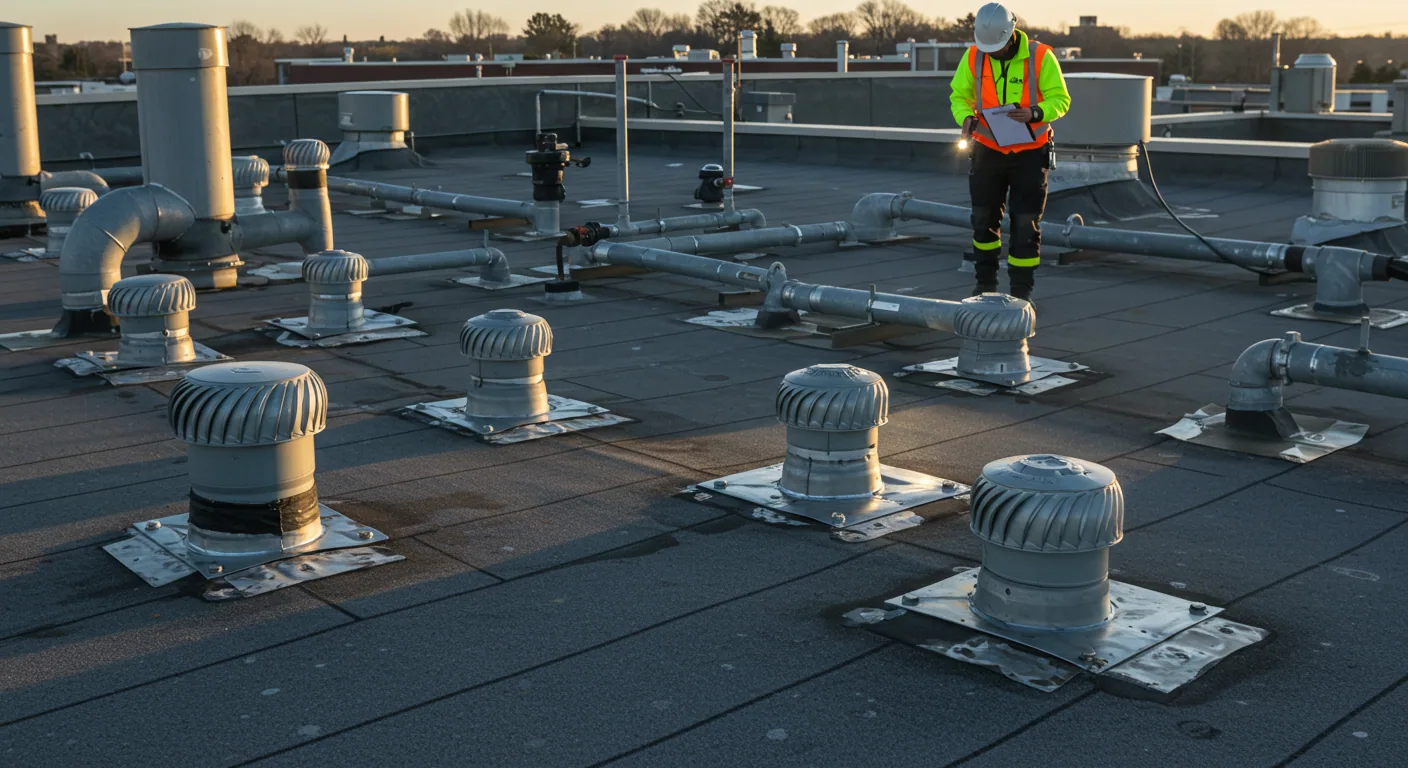
On a KEE roof, walk from unit to unit. These are the things to look at:

  • Caulk used where a welded boot should be.
  • Open seams around newer curbs and conduit.
  • Sheet worn thin along the service path.
  • Greasy film on seams downwind of exhaust fans.
  • Flashing at curbs that has lifted or pulled away.
  • Loose edge metal and corroded fasteners.

If you find caulk on a seam, treat it as a temporary fix. Caulk does not weld to PVC alloy. Good skylight and penetration flashing means a welded, reinforced boot, not a bead of sealant. The same goes for new rooftop equipment curbs and supports, which should be flashed before the unit is set.

Welding repairs that last

Welding repairs that last

We prepare the sheet with the cleaner specified for the identified product and test a small weld first. Aged membrane weldability needs a prepared test connection and inspection before the repair method is confirmed. A patch is cut with rounded corners, welded all the way around and probed.

For new rooftop equipment, we build the penetration properly: a pre-molded boot, a flashed curb or a coated metal flange welded into the sheet. If your tenants change equipment every few years, a planned schedule of preventive roof maintenance catches the cuts that happen between visits.

When the sheet is worn out, replacement is the call. KEE is often chosen again if the exposure has not changed. If it has, PVC roofing or another system may fit the new conditions. We compare them with you on the actual roof.

KEE is a formulation within PVC roofing, so the full assembly still matters: attachment, cover board, insulation, flashings and the conditions around rooftop equipment. A membrane choice should follow the building's exposure and operating needs, not a claim that one polymer solves every roof problem. We compare the proposed sheet with the existing material at tie-ins and confirm how seams will be heat-welded and tested. At exhaust points, the inspection also checks deposits, temperature and clearance. Those observations help determine whether a repair needs only membrane work or coordination with the equipment serving the space.

Commercial Roofing Questions

Why would a kitchen or lab building choose KEE over standard PVC?

Exposure resistance and flexibility vary by product formulation. We compare the specific chemical resistance information and inspect the assembly before recommending a KEE system. No membrane choice removes the need for compatible details and discharge control.

Can KEE be repaired as easily as TPO?

A prepared test weld helps establish repair suitability. The membrane uses heat-welded details, but aged or contaminated material needs examination before a sound connection can be assumed. The difference is the cleaning step: a film of grease must come off first, or the weld will not hold.

My building adds rooftop units often. Is KEE a good fit?

It tolerates abrasion and welds new boots well. Each unit still needs its curb flashed before it is set, and a service path with walkway pads keeps wear in one place. That plan matters more than the brand of membrane.

Will KEE hold up in a hurricane?

Attachment and edge metal do that work. The project designer establishes applicable wind loads for the building and location. We use the required tested assembly and zone-specific attachment rather than assigning a universal county speed from the building use.

Does KEE need special permits in Clearwater?

No special ones. Filing is routine: a roofing permit plus the product approval sheet for the membrane, flashing and fasteners. We handle the paperwork.

Tell us what vents onto the roof

Send photos of the units, curbs and any seams you worry about, or book an inspection. We will show you what we see, explain which details are carrying the risk, and recommend a repair or a new KEE roof. Call any day of the week.

Request a Roof Assessment   or call 555-555-5555

Call555-555-5555