Commercial Roof Inspection in Clearwater, FL

Hands-on commercial roof inspections in Clearwater, FL with photos and written findings, so you know what is failing, what can wait and what to budget.

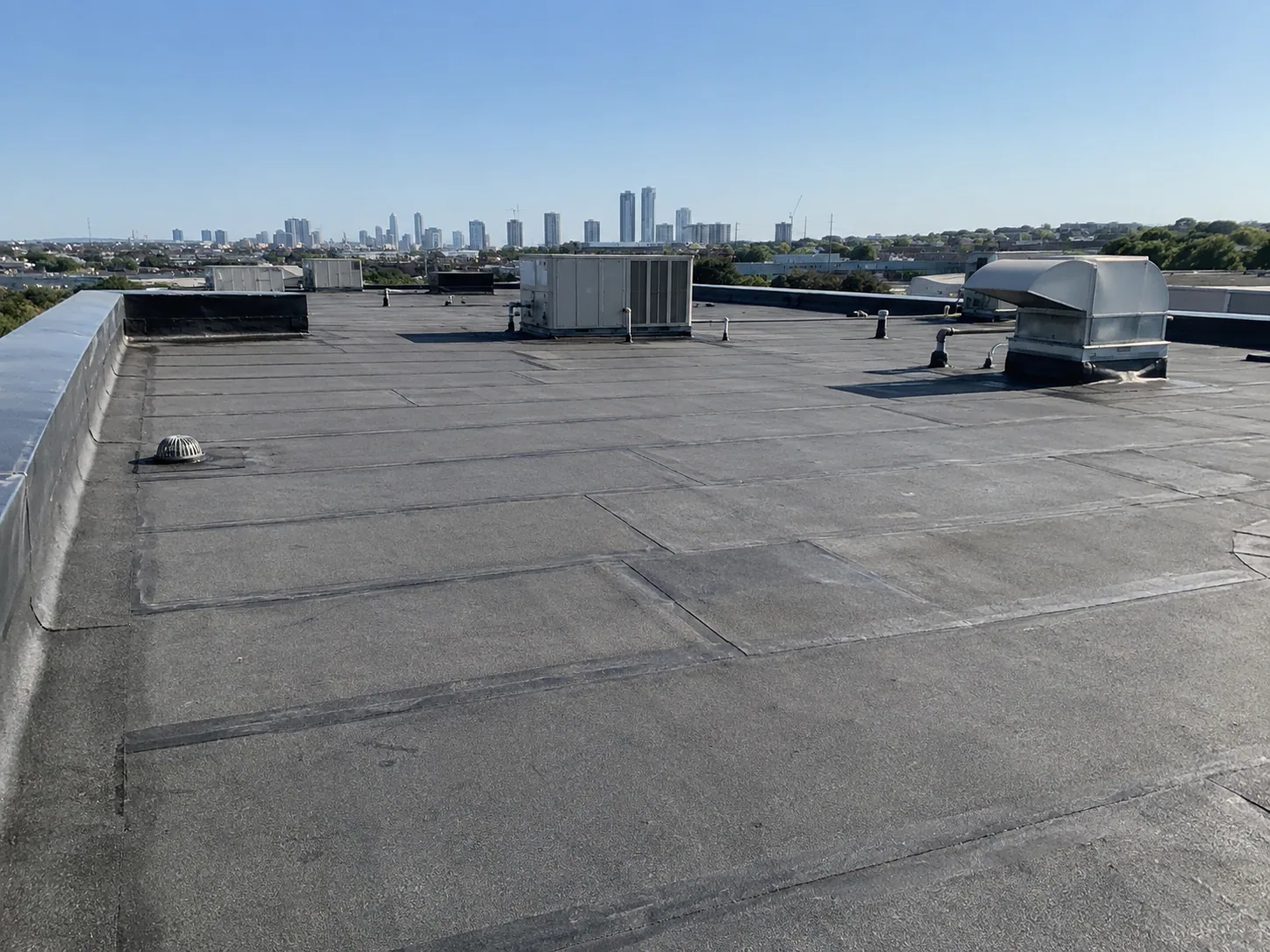
An open seam can develop before anyone reports a ceiling stain. The trouble is that a roof looks flat and quiet from the parking lot. The signs sit at the seams, the edges and the drains, and you only see them up close.

That is the purpose of an inspection. We go on the roof, touch the details and write down what is there. For a property manager in Clearwater, FL, the output is simple: what is failing, what is wearing, what can wait, and what to put in next year's budget.

The inspection connects each observation to a location and a next step. That gives the manager something useful to act on after the roof visit.

What we check, in order

What we check, in order

Step one is the perimeter. Wind pulls hardest at the edges and corners, so loose components there need close attention. After that we move inward in the same order every time:

  1. Edge metal, coping and fascia: loose pieces, open joints, missing fasteners.
  2. Walls and curbs: flashing height, sealant, termination bars.
  3. Penetrations: pipes, vents, conduit, rooftop unit curbs.
  4. Drains, scuppers and gutters: debris, clamping rings, signs of standing water.
  5. Seams and laps: welds, adhesive, lifted or shrunken edges.
  6. The field of the roof: punctures, blisters, wear, ponding stains.
  7. The interior: ceiling stains, damp tiles and rusted deck where we can see it.

Fixed order matters. It keeps us from skipping the dull spots where leaks begin.

We also note what is on the roof that should not be. Abandoned pipe stubs, old cable runs, stacked pavers, debris and spare parts left by other trades all trap water or wear the membrane. A rooftop unit that was added years ago may sit on a curb that no longer matches the flashing around it. These are small findings that rarely show up in a quick visual check.

What a walk finds that a photo does not

Hands-on examination can reveal a loose termination or a damaged lap that an overview photograph misses. We use the inspection method appropriate to the roof material. A thermoplastic weld is examined differently from an adhered rubber seam or a layered bituminous detail.

Moisture investigation needs more than a soft spot underfoot. We compare readings with the assembly and confirm suspect areas with suitable tests where needed. Any test opening is planned and repaired as part of the work. A seam probe helps locate incomplete or open welds; it does not establish the condition of every concealed layer.

For difficult access or a broad roof layout, a drone roof inspection provides context. Where the conditions and assembly permit, an infrared moisture survey identifies patterns that need investigation. We explain the limitations of each tool alongside the finding.

Paths to rooftop units also deserve a close look. We check for surface wear, damaged walkway material and punctures near service locations. The route shows where to inspect; the condition of the material determines the recommendation.

Old campuses, newer pavilions

Old campuses, newer pavilions

Morton Plant Hospital includes pavilions from different periods, including buildings dating to 1941 and 1966. That building history does not establish the age of the roofing. We identify the assembly at each roof section and compare available installation records with what is visible today.

Countryside Mall has two levels and received skylights during its 2009 renovation. Those documented features illustrate why roof layouts and penetrations need separate inspection findings. The current condition still comes from the visit, including the skylight flashing and drainage details that can be reached safely.

For medical office roofs, inspection arrangements account for access and occupied spaces. A property in Downtown Clearwater also needs its own roof map and access plan. The building's address and history help organize the visit; they do not replace examination of the assembly.

Timing a walk to the Gulf Coast year

Tampa Bay's wet season starts in late May and continues into October. An earlier inspection gives the owner time to address developing defects before repeated summer rainfall. A spring walk catches the loose edges and clogged drains that the first heavy storm would find. A second visit after a named storm shows what wind and rain did, while accessible evidence can still be recorded before corrective work changes it.

Hurricane Helene and Hurricane Milton both hit within weeks of each other in 2024. A dated pre-storm record helps compare later changes. Without it, we document the present damage and use the available evidence to investigate the cause. Other good moments to schedule a walk: before a purchase or refinance, when a roof warranty expires, and when you start next year's capital plan.

What you get in writing

What you get in writing

The report is the product. It carries dated photos of each defect, a map of where each sits on the roof, and a plain rating for each finding. An urgent finding involves active entry, loose material or another condition needing prompt attention. Planned repair findings have a stated work recommendation. Monitored items receive a follow-up interval suited to their condition and exposure.

Owners use it in three ways. Facilities teams turn it into work orders. Asset managers feed it to roof capital planning. Buyers and lenders use it as part of due diligence roof surveys. If you want a full record across several buildings, we connect the findings through roof condition reports with consistent building and section labels. Ongoing care then moves into preventive roof maintenance.

A useful inspection report answers the next decision, not just the question of whether a defect exists. For each concern, we record its location, apparent extent, nearby roof details and the next step needed to confirm or correct it. A manager can then separate active water entry from maintenance items and longer-term capital work. The report also notes areas that could not be safely reached or that need records before a conclusion is drawn. When a later inspection uses the same roof map, changes become easier to spot and the repair history is less dependent on who remembers the last visit.

Commercial Roofing Questions

My roof looks fine from the ground. What would an inspection find?

Close inspection can find an open lap, a damaged curb connection or debris obstructing a drain. Those findings need locations and recommended actions. We also identify inaccessible details so a roof that looks sound from the parking lot is assessed against the areas actually examined.

If you find problems, am I forced to fix them?

Findings are information first. We rank each item by urgency and explain the risk of waiting, then you decide what to do and when. We separate real needs from nice-to-haves so the budget conversation stays honest.

Can an inspection support a purchase or lease negotiation?

It can. A walk-through with photos and a condition rating gives a buyer, a lender or a tenant a factual picture of the roof. It also helps set repair credits and reserve funds before closing, when the numbers can still change.

Do you inspect right after a named storm?

A post-storm visit is arranged once access and conditions permit safe inspection. We record the damage before corrective work changes the evidence, while protecting active openings as needed. Buildings with water entry or loose components need prompt attention, and the report explains the work still required.

How do you separate a repair-now item from a watch item?

Active water, loose components and the consequence of further deterioration guide urgency. We explain those conditions and set a suitable follow-up interval for monitored items. A dry visit alone does not establish that a developing defect can safely wait.
Book a walk, or send photos first

Send photos of the roof or book an inspection. We will walk it with you, show you what we see, and explain it in plain terms. You leave with findings you can act on.

Request a Roof Assessment   or call 555-555-5555

Call555-555-5555