Commercial Roofing in Downtown Clearwater, FL

Downtown Clearwater commercial roof repairs start with drainage, flashing and access checks. We explain repair choices and plan work over occupied spaces.

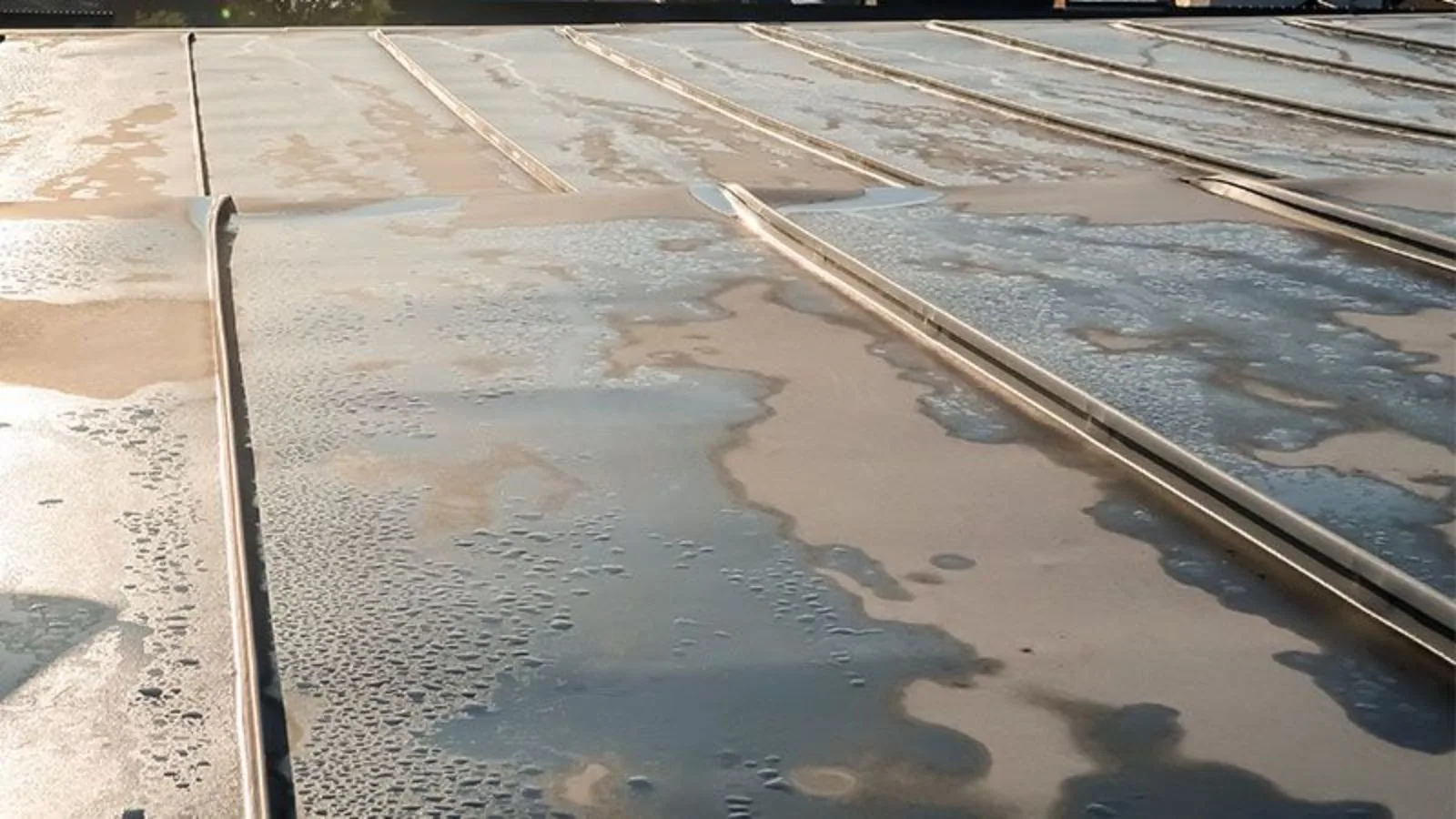
Downtown commercial roofs can leak where an upper wall meets a lower roof. The joint has two jobs. It must shed water from the wall and stay closed while the roof moves with temperature. A patch across the face may hide a loose termination behind it.

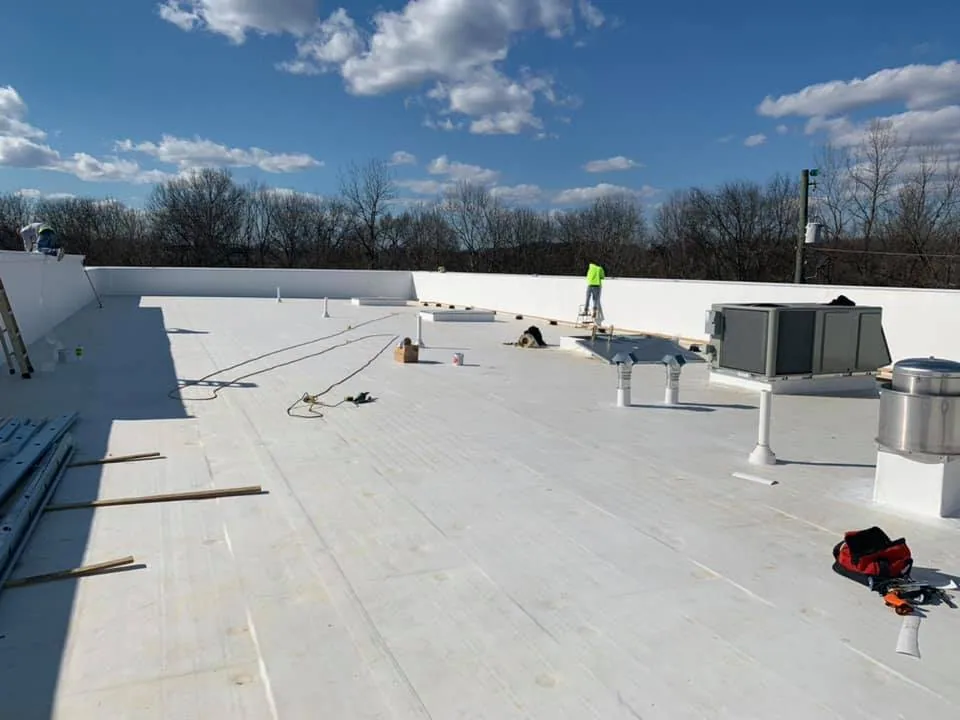
We repair, inspect and replace commercial roofing in Downtown Clearwater, FL. We start with the connections on your building, then explain what has failed and which materials can remain. The work can include membrane repairs, drainage correction, new flashing or replacement of a damaged assembly. Each choice follows the condition we find.

The Fort Harrison Hotel and Clearwater Bank Building are part of the downtown commercial core. Morton Plant Hospital sits at its edge on Pinellas Street. Those different uses make access and interior protection part of a roofing decision. A manager needs to know what will happen above the occupied rooms before the roof is opened.

Follow the wall connection

Follow the wall connection

A stain near an outside wall gives us a starting point. We inspect the base flashing, the top termination and the surface above them. Cracked wall joints or loose coping can send water behind otherwise sound roofing. Closing the membrane alone will leave that route open.

During a hands-on roof inspection, we mark the suspect joints and compare them with the interior locations. We check previous repairs for compatible materials and secure attachment. More sealant is useful only where the detail is designed to use it. A joint that needs sheet flashing cannot be rebuilt with a thick bead.

Downtown redevelopment includes the Old Bay Character District and the North Ward School redevelopment site. A planned change of use is a good time to inspect roof-to-wall connections before interior finishes are committed. We identify roofing defects separately from wall work so the project team can assign both parts.

Visit the quiet roof

A vacant room can conceal a leak because nobody reports the first drip. Water may reach insulation or ceiling materials before a routine building visit finds it. We inspect roof sections over unused space with the same care as sections over occupied rooms.

A photographed condition report connects each finding to a roof location. The report distinguishes an active opening, a developing defect and an area that needs further investigation. That gives an owner a useful record for maintenance or redevelopment rather than a collection of unlabeled photographs.

For buildings with limited interior access, we explain that limit. A drone can help view a difficult roof elevation, but it cannot press a seam or examine a concealed connection. We arrange closer access when the repair decision requires it. We also identify who can provide access to rooms and roof hatches before the inspection date.

Trace water to the outlet

Trace water to the outlet

A low roof beside a taller building can receive runoff from more than its own surface. We trace the actual route, including downspouts and changes in elevation. Leaves or loose construction debris at the final outlet can hold water against joints that usually drain freely.

Our drain and scupper work checks the opening and the connection to the roofing. A clear pipe does not prove the flashing around its bowl is sound. A clean scupper does not correct a depression in the roof. We separate those conditions before setting the repair scope.

Clearwater receives much of its rain during the summer wet season. That puts repeated demand on outlets between periods of strong sun. We look for water lines, sediment and damaged seams in low areas. Those signs help us explain whether cleaning, flashing repair or a change in slope is needed.

Reserve a safe work route

Debris must leave the roof without passing over an unprotected entrance. Material must reach the work area without blocking required exits. We walk those routes with the manager and agree where deliveries, removal containers and lifting equipment can be placed.

Coachman Park includes a covered amphitheater beside the Bilheimer Capitol Theatre. Event activity is a reason to confirm surrounding access before scheduling nearby work. We do not assume that a loading area will stay available simply because it was clear during the inspection.

For roofing above occupied rooms, we identify the noisy steps and any air intakes close to the work. The daily opening is limited to an area that can be protected in the available weather. A larger crew schedule cannot make an unsafe wind or lightning condition acceptable.

Choose the assembly repair

Choose the assembly repair

Wet insulation changes a repair decision. A surface patch can close the entry point, but it does not remove trapped moisture or restore a deteriorated supporting layer. We investigate the extent of damage before specifying a cover or coating.

A targeted repair suits a sound roof with a defined defect. Removing and replacing the roof becomes a different discussion when damaged layers are widespread or connections cannot be rebuilt reliably. We explain which finding leads to each option. Thickness, attachment, drainage and perimeter details belong in that explanation.

A building also needs its own permit review. Clearwater requires permits for roofing component installation or replacement and a product approval specification sheet for exterior products. We address the proposed assembly and work scope through that process. The permit requirement is considered before materials are ordered, rather than added after installation starts.

Keep the repair record useful

After a repair, the manager needs the location, materials and remaining concerns recorded. That record helps distinguish a returning leak from a new one nearby. It also gives the next maintenance visit a defined set of connections to check.

Our scheduled roof maintenance can include outlets, seams, edges and equipment details. Properties managed across Downtown Clearwater and Countryside still need separate roof records. A similar business use does not mean two roofs have the same assembly or remaining condition.

For urgent water entry, call at any hour, including weekends and holidays. We assess access and weather, arrange safe temporary protection where possible, and explain the permanent work afterward. Send interior photographs and room locations, or book an inspection, so we can show you the detail that needs attention.

A request covering Clearwater Beach should also provide that building's entrance contact and affected spaces so the visit reaches its intended roof detail.

Commercial Roofing Questions

Can a wall repair and roof repair be scheduled separately?

The joint between them decides the sequence. We identify where wall water reaches the roof flashing and coordinate any shared detail. Independent work can proceed separately, but a connected termination needs a clear order so one trade does not disturb the other's finished repair.

A closed floor has old stains. Can you tell whether it still leaks?

Dated observations and a close inspection help establish the current condition. We compare stains with roof defects and investigate concealed moisture where needed. An old mark alone cannot establish active leakage, and a dry visit does not prove the assembly stayed dry during rain.

Will a coating avoid removing the roof above our tenants?

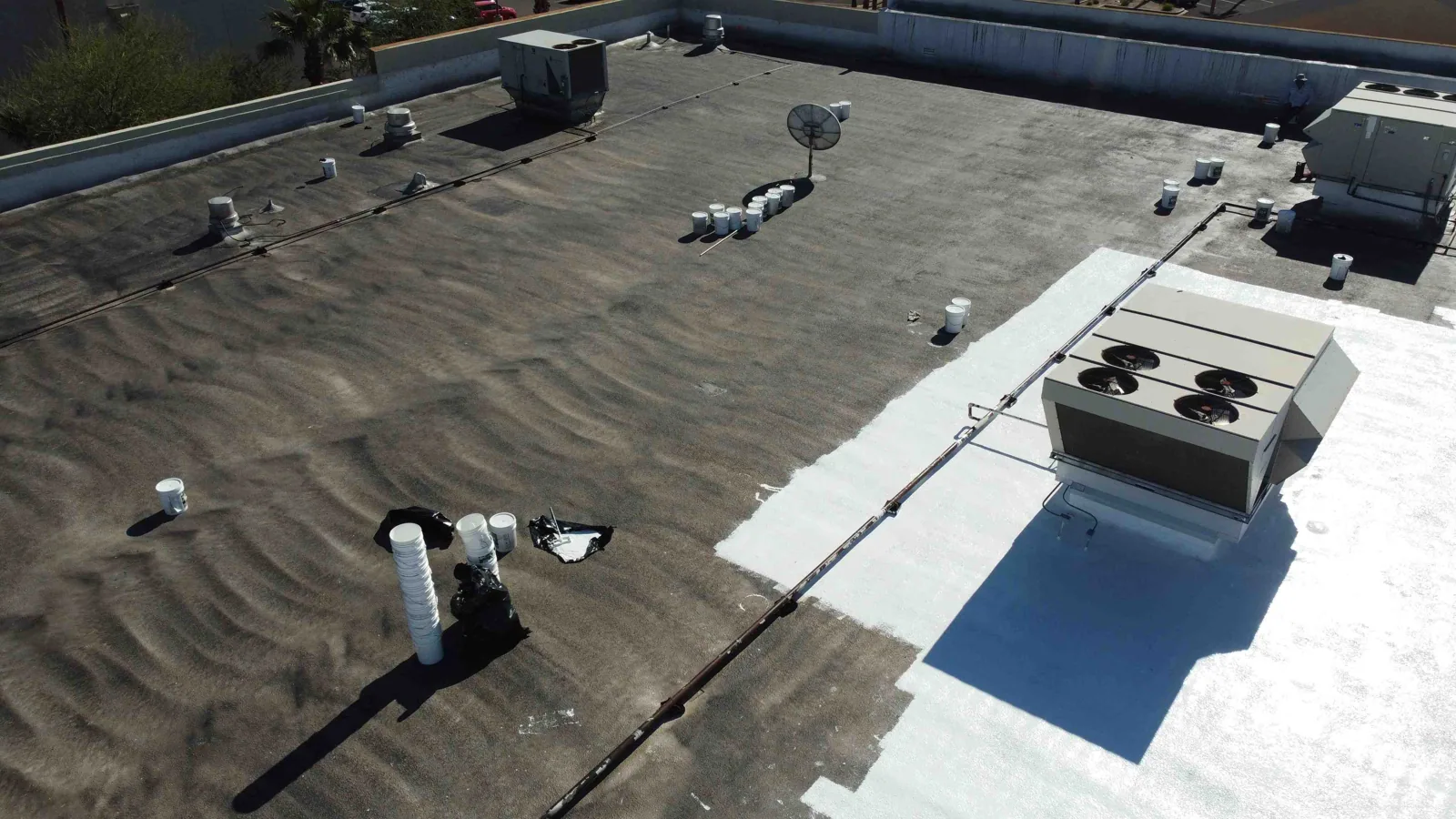
A coating needs a suitable, dry and securely attached surface. We examine seams, flashing and moisture before recommending it. Wet layers or failing attachment require their own correction. Occupancy affects the work plan, but it does not make an unsuitable assembly ready for coating.

Who should attend the first downtown building inspection?

Bring the person who knows the leak locations and the person who controls roof and room access. Existing repair records are helpful. We can then connect interior symptoms with roof findings and discuss deliveries, protected routes and working hours with the manager responsible for them.
Show us the affected rooms

Send the leak locations and photographs or arrange a downtown roof inspection. We will explain the connections, repair options and access plan.

Request a Roof Assessment   or call 555-555-5555

Call555-555-5555