Commercial Roofing at St. Pete-Clearwater Airport Industrial Park, FL

Clearwater Airport Industrial Park roof work starts with attachment, drainage and controlled access. We explain repairs and coordinate occupied work areas.

Roofing at an airport industrial property can fail where sheet metal moves against a flashing joint. The two parts expand differently. A rigid patch can split while the surrounding panels remain usable. We inspect the joint and its attachment before choosing the repair.

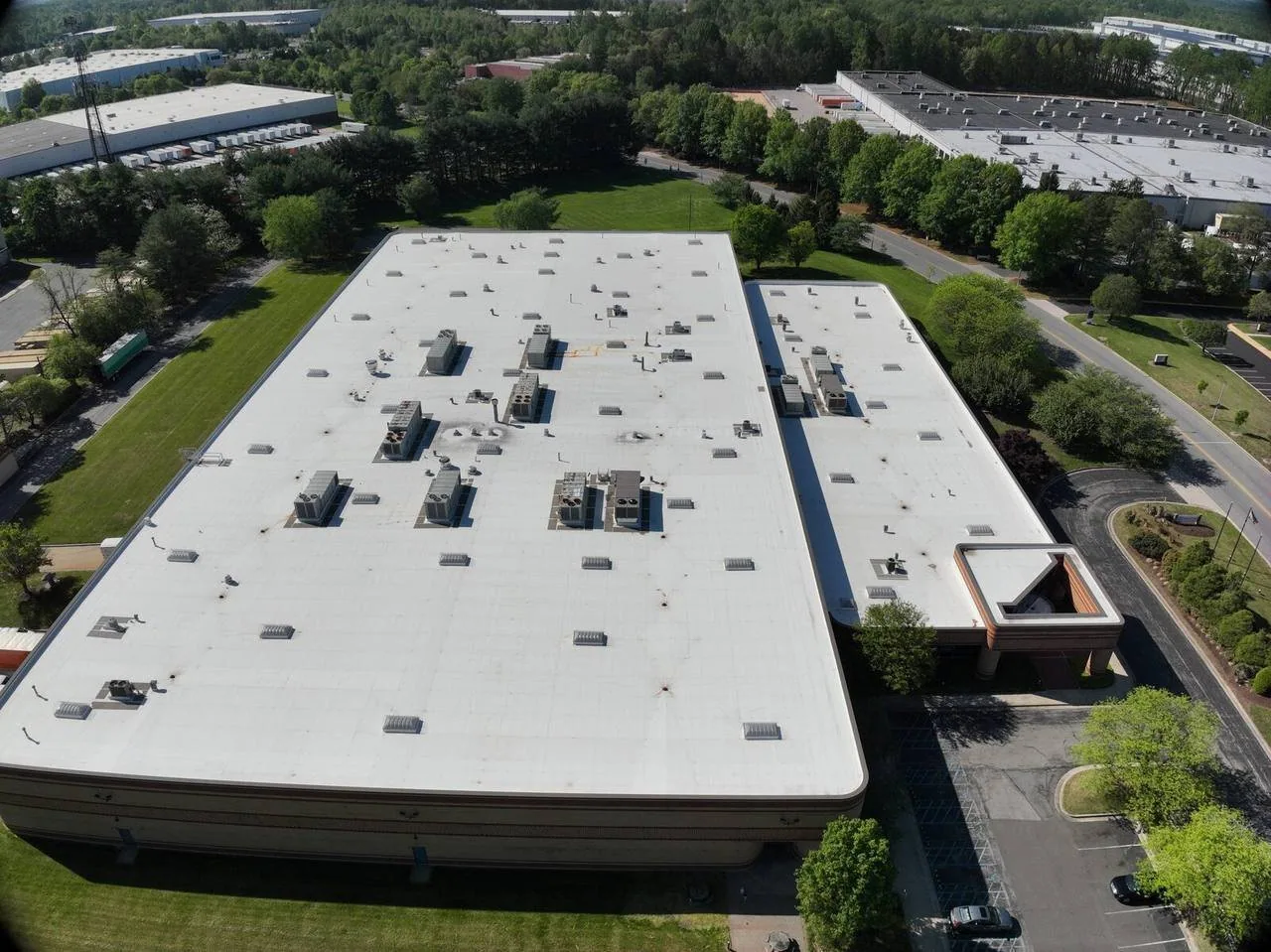
We provide commercial roofing at the St. Pete-Clearwater Airport Industrial Park and serve the wider Clearwater, FL market. Repairs, replacement, coating and maintenance begin with the assembly on your property. We check metal and low-slope roofs directly rather than selecting a system from the industrial address.

The industrial park sits on the property of St. Pete-Clearwater International Airport, a county-owned airport in unincorporated Pinellas County. Coast Guard Air Station Clearwater is also based at the airport. Roofing in that setting needs advance access coordination and controlled material handling. Those arrangements are confirmed for the particular work area before delivery.

Allow the joint to move

Allow the joint to move

A metal panel can move as its temperature changes. A curb or wall connection may move differently. The flashing needs to accommodate that movement while shedding rain. We look for split sealant, stressed fasteners and patches that bridge a moving joint too rigidly.

Standing seam roof repairs begin with panel connections, clips and transitions. We check whether the opening belongs to a seam, a penetration or another detail. The repair should preserve the way the assembly is intended to move rather than pinning one visible gap closed.

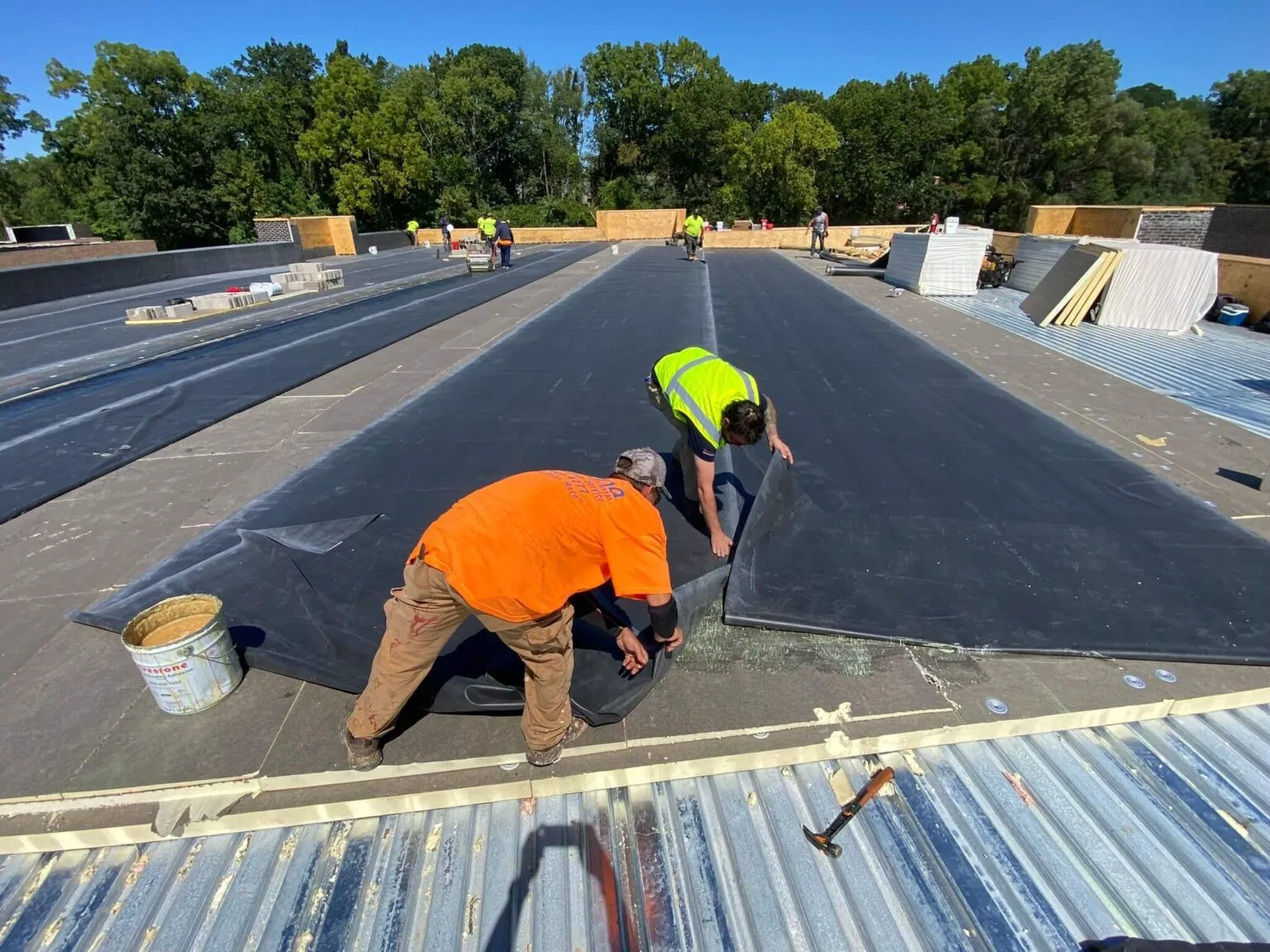
Low-slope roofing has its own connection requirements. We identify the membrane and inspect compatible repair options. A surface coating, welded sheet detail or bituminous patch serves a different function. We explain the chosen method so the manager knows what is being rebuilt and which surrounding parts remain.

Confirm access before scheduling

A work crew needs permission to reach the correct building and roof. We confirm the entrance, contact person and any escort or badging procedure with management. Access requirements can differ across an airport property, so the arrangement needs to match the actual scope.

For roof work on military installations, access and work sequencing can include additional approval procedures and coordination with operations. Applicable roofing requirements also need review. We discuss those conditions before presenting a schedule that depends on entering controlled areas.

Coast Guard Air Station Clearwater includes aircraft maintenance hangars, headquarters and support buildings. These are different operating spaces. A roof inspection at a building with controlled activity requires its own instructions. We identify who can authorize access and which interior areas need protection before any opening or material removal begins.

Contain loose material

Contain loose material

Cut sheet fragments, packaging and removed fasteners need a controlled collection method. Wind can move loose debris before the end of a shift. We plan removal and temporary storage with the property manager so the work does not leave material scattered across access areas.

For roofing over aircraft hangars, the operating team identifies the spaces and equipment that need separation from overhead work. We discuss the method for removal, lifting and temporary protection. A repair above a door and a replacement across an occupied bay require different controls.

Material staging is checked during the planning visit. The approved unloading point may not be beside the easiest roof access. That affects how products reach the work area and how damaged roofing leaves it. We explain those logistics with the scope instead of treating them as an arrival-day decision.

Examine the exposed fasteners

A rusted or loose fastener can admit water through its washer or leave a panel connection weakened. We check the metal around it as well as the fastener. Replacing the screw alone does not restore a hole that has enlarged or a panel that has deteriorated.

Our commercial roof repair work identifies which components need replacement and which can be prepared for retention. We also examine curbs, vents and edges for movement damage. Photographs show the connection so the manager can see why a larger detail is included.

Pinellas County has coastal humidity and salt-air exposure. We look for actual corrosion and its extent rather than assuming every metal component has failed. A stained surface and a weakened connection need different responses. The condition at the fastening point guides the proposed correction.

Keep runoff out of the work

Keep runoff out of the work

Rainwater can collect behind equipment supports or at a low roof transition. We trace the route to each accessible outlet and inspect the flashing there. The drainage check is part of repair planning even when the reported leak appears at another connection.

With drain and scupper corrections, we distinguish obstruction from damaged flashing or inadequate slope. A clear outlet cannot empty water that never reaches it. Where the roof shape needs adjustment, we explain the materials and connections involved.

The Tampa Bay area has frequent afternoon storms during its wet season. An open repair needs a realistic protection plan for those conditions. We check the forecast, available drying conditions and the time needed to close the day's work. Operations may control the access window, but weather still controls whether installation can proceed safely.

Review repair and replacement separately

Localized defects can suit a targeted repair when surrounding roofing is sound. Damaged insulation, deck concerns or broad attachment problems call for a different scope. We investigate those findings before recommending a new surface over retained materials.

A roof coating restoration needs suitable preparation, adhesion and corrected joints. It cannot replace missing structural capacity or remove wet layers. A retrofit or replacement needs review of the supporting assembly and project requirements. We show what each option would address.

The Bayside Bridge links eastern Clearwater with the airport area through McMullen Booth Road and 49th Street North. Managers coordinating properties near the airport and Countryside can use separate building records to plan visits. For urgent leaks, call day or night, including holidays. Safe access comes first, then temporary protection and the permanent repair explanation.

Owners who also manage buildings in Lutz can plan those visits separately from airport-area access.

Commercial Roofing Questions

Can you enter an airport property just because the repair is urgent?

The property's access procedure still applies. We contact the responsible manager and confirm the permitted route, escort or other requirements. Urgency does not remove access controls. Once access and weather allow, we assess temporary protection and explain the next repair step.

Our metal roof leaks beside a curb. Is a coating enough?

The curb connection needs inspection first. A split joint, damaged panel or loose support may require rebuilding before any coating is considered. We examine movement and attachment, then explain whether restoration can follow the repair or whether the affected materials need replacement.

Does every rusty fastener need the whole panel removed?

The surrounding metal condition determines the scope. A sound connection may allow a compatible fastener repair, while an enlarged hole or deteriorated panel may need more work. We show the affected area and explain why the selected detail will address the defect.

Can the roof be opened over an occupied maintenance bay?

That needs coordination with the operating team. We identify the equipment, interior protection and separation required for the proposed opening. Some work can be sequenced by area, while other tasks need the space cleared. The plan is agreed before removal starts.

What belongs in the record after an emergency patch?

Keep photographs, the patch location and the permanent work still outstanding. Temporary protection can have limits that need follow-up. We distinguish it from a completed assembly repair so the manager can schedule the remaining work and compare any later water report with the initial findings.
Arrange the access contact

Send photographs and the airport property's access contact or request an inspection. We will explain the roof findings and the controls needed for repair.

Request a Roof Assessment   or call 555-555-5555

Call555-555-5555