Hurricane Damage Roof Repair in Clearwater, FL

Clearwater hurricane roof repairs assess wind openings and rain-soaked materials. We explain safe protection, coastal water paths and permanent restoration.

A hurricane can damage a roof in several connected steps. Wind displaces a detail. Rain enters the opening. Loose debris damages another area. A repair that addresses only the first missing piece can leave wet layers and nearby openings behind.

Hurricane damage roof repair in Clearwater, FL starts with safety and a mapped inspection. We examine accessible roofing, equipment connections and perimeter details. The record separates observed damage, temporary protection and the investigation needed to define the permanent work.

Helene set a surge record at the Clearwater Beach gauge in 2024. Milton followed with damaging gusts and heavy rainfall in parts of Pinellas County. Those events explain why coastal flooding and roof leakage must be investigated as different water paths. The roof scope follows evidence at your building rather than the regional storm headline alone.

Establish the accessible roof area

Establish the accessible roof area

Loose metal, unstable equipment and concealed electrical hazards can limit a post-storm inspection. We assess access with the property contact before approaching the damage. Where a section cannot be entered safely, that limitation stays in the report.

Our urgent roof response continues through nights, weekends and holidays. Available protection depends on the assembly, weather and safe access. We explain what the temporary measure addresses and what it leaves for the permanent repair.

Inside, the operator keeps occupants clear of damaged or wet electrical areas and arranges protection of affected contents. We identify roof work above those spaces. A safe interior route does not automatically establish that the roof above it is safe to walk.

Inspect displacement and attachment

A lifted perimeter detail may expose membrane termination and damaged backing. We inspect that connection along with nearby joints and corners. Replacing the missing metal without checking what supports it can leave the same weakness beneath the new piece.

Wind-related roof damage can also affect attachment away from the visible tear. Wrinkling, pulled seams and displaced sheets direct further inspection. We explain which signs require additional checks rather than calling the untouched field sound from a distant view.

Perimeter metal correction needs compatible parts and suitable support. The proposed scope identifies damaged backing and attachment concerns where found. The repair joins the roofing and metal details so each component can perform its intended role.

Follow rain into the assembly

Follow rain into the assembly

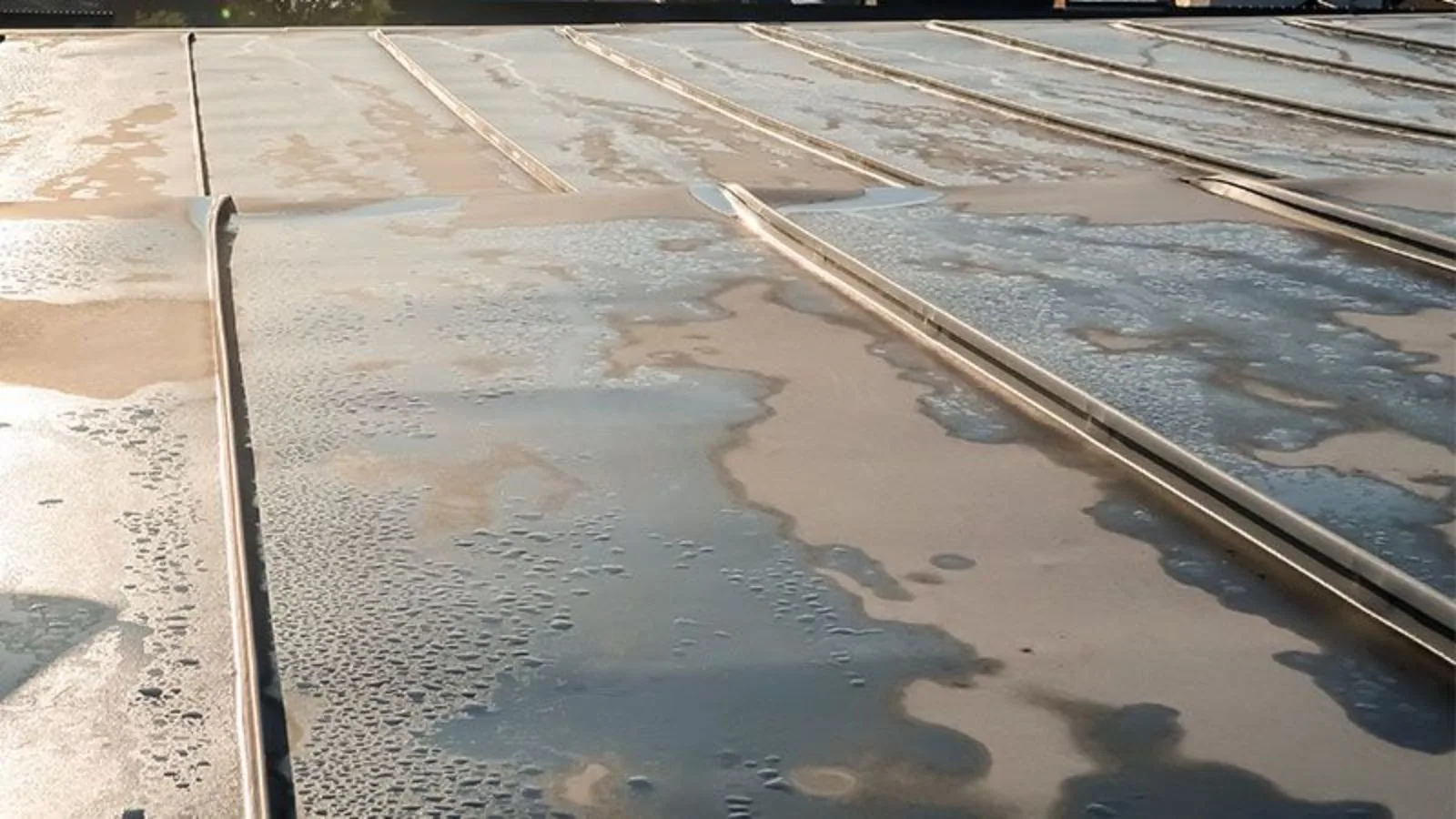
Water can spread through insulation beyond the storm opening. Closing that opening is urgent, but it does not remove the water already inside. We examine suspect moisture and explain the checks needed to define the affected material.

An infrared investigation of the roof can help map suspect areas under appropriate conditions. Confirmation establishes the wet layers and supports the removal boundary. The thermal image alone does not identify every entry point or prove the condition of inaccessible material.

Drainage damage needs review too. Debris can block an outlet while another section loses flashing. Both can contribute to continued water entry. We inspect accessible drain connections and runoff paths so the permanent scope does not leave a separate blockage testing the newly repaired roof.

Distinguish coastal floodwater

Clearwater Beach is a barrier-island resort district. A property in Clearwater Beach can have storm water entering through more than one part of the building. We compare roof findings with interior observations and the available damage records.

Restoration coordination after a storm involves the roofing contractor and other relevant trades. Wall damage, glazing openings and flood exposure have their own investigations. We state the roof evidence clearly so the permanent repair is not asked to solve a different building problem.

Helene also produced record surge at St. Petersburg. That coastal event adds regional context without establishing a particular property's damage. Photographs of your building, inspection findings and confirmed affected layers remain the basis for its roofing scope.

Coordinate equipment and occupancy

Coordinate equipment and occupancy

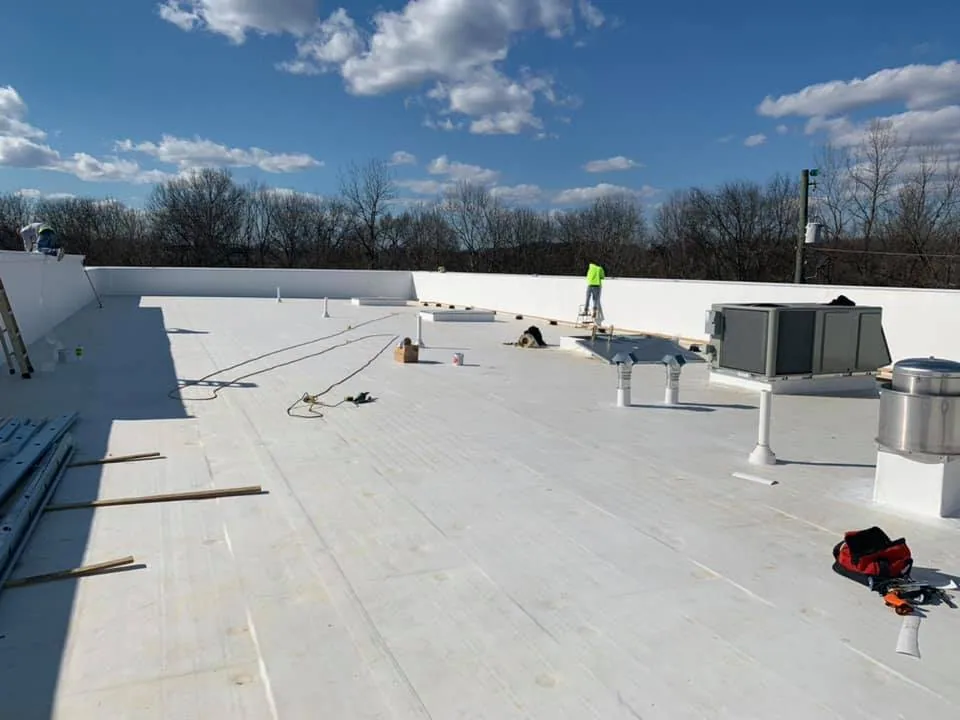
Storm-displaced equipment can stress a curb or puncture roofing nearby. The equipment trade checks its unit and support arrangement. We inspect the roof connection and coordinate the sequence for repair. A fresh flashing detail should not be tied to equipment that remains unstable.

For roof work above continued operations, the building contact identifies protected spaces and access restrictions. We explain material movements, loud tasks and air intake concerns. Temporary weather protection is part of the sequence wherever final closure cannot occur immediately.

Scheduling also accounts for the damaged site's actual access. A lift route or loading area available before the storm may now be restricted. We review staging directly with the property contact and identify what must be cleared or authorized before the permanent work can begin.

Document permanent recovery of the roof

The repair scope identifies removed material, rebuilt details and connections to the surviving assembly. Confirmed wet insulation is addressed separately from torn sheet replacement. Deck or structural concerns receive the necessary specialist review before the roofing work proceeds over an affected support. The final inspection also checks the approach used by repair and equipment crews. Loose objects and new service damage can affect the surviving roof, so we record those conditions alongside the completed details before the roof work is closed out.

Roofing records for insurance review describe the observed condition and completed protection. They also distinguish proposed permanent work from unrelated wear. Coverage and settlement remain with the insurer and policy process, while the roof record provides a clear explanation of the physical tasks.

Price reflects access equipment, removal extent, support repairs, material compatibility and occupancy protection. We explain those drivers and document additional findings if approved removal reveals hidden damage. Send safely taken photos, the property contact and earlier roof records. We will show what the inspection supports and explain which steps are needed to restore the affected roof sections.

After a hurricane, separate roof damage from water that entered at doors, walls or through coastal flooding. We record the accessible roof area, displaced components, open seams and moisture concerns while noting where debris or unsafe conditions prevent inspection. If emergency covering is already in place, its limits and attachment are included in the report. Wind-related findings are described from the observed damage, not assigned a precise gust speed at the property. A follow-up scope can then identify what is stabilized, what needs removal and which building systems or interior trades must be coordinated before normal operations resume.

Commercial Roofing Questions

The roof was covered after the storm. Do you still need an inspection?

Temporary protection can conceal damage and leave wet material beneath it. We inspect accessible areas and explain the additional checks needed before the permanent repair is defined.

Can hurricane flooding and roof leaks be handled under one roofing scope?

Different water paths require separate evidence. We document roof defects and coordinate with the relevant trades where floodwater or wall openings affected the building.

Will you assign a storm wind speed to our roof damage?

The inspection records physical displacement and failure. Regional event measurements do not establish the exact gust at your building, so the repair follows observed conditions and assembly requirements.

Should we restore the interior before replacing wet roof insulation?

The restoration team needs the roof closure status and remaining moisture findings. We communicate those conditions so interior work can be planned with the unresolved roofing exposure in view.

What if equipment cannot be moved immediately?

Access and support constraints may require interim protection. We explain the temporary limits and coordinate the equipment work needed before the permanent flashing or membrane connection can be completed.

Show us the storm opening

Send safe photos and the affected building address. We will inspect the accessible damage and explain temporary protection and permanent roof repair.

Request a Roof Assessment   or call 555-555-5555

Call555-555-5555