Standing Seam Metal Roofing in Clearwater, FL

Standing seam metal roofing in Clearwater, FL: clip systems, salt air and hurricane wind design, penetration flashing, repair and new installation.

A standing seam roof rarely fails in the middle of a panel. It fails where something interrupts the panel: a pipe, a curb, a trim piece, the end of a run. The long steel or aluminum sheet is the strong part. The details around it are the weak part.

Raised joints connect the long metal panels in a standing seam roof. Those joints and the clips beneath them form part of the attachment system. The panels lock together with the fasteners hidden underneath, so rain meets a smooth surface and no exposed screw heads. That design sheds water well and gives the roof room to expand and shrink.

Owners in Clearwater, FL get two things from this system. It stands up well to wind when it is clipped and trimmed correctly, and salt air asks more of the metal than inland weather does. Here is how it works, where it fails and what we do about it.

Panels, clips and room to move

Panels, clips and room to move

Think of it this way. Each panel sits on a clip, and the clip is fastened to the deck. The panel edges fold over each other along the seam, locking the sheet down without any holes through the face. When the sun heats the metal, the panel slides a little on its clips. At night it slides back.

That movement is the secret. A roof that cannot move will crack at its fasteners or buckle between its supports. A roof that moves freely stays tight for years. It also means every penetration has to allow for sliding, with a flexible flashing that does not lock the panel in place.

Panels can be roll-formed on site, so a single piece can run the full length of a long slope. Fewer end laps mean fewer leak points. The seam itself comes in snap-together and mechanically folded types, and uplift performance depends on the specific tested panel, seam, clip and support combination.

Where a metal roof lets go

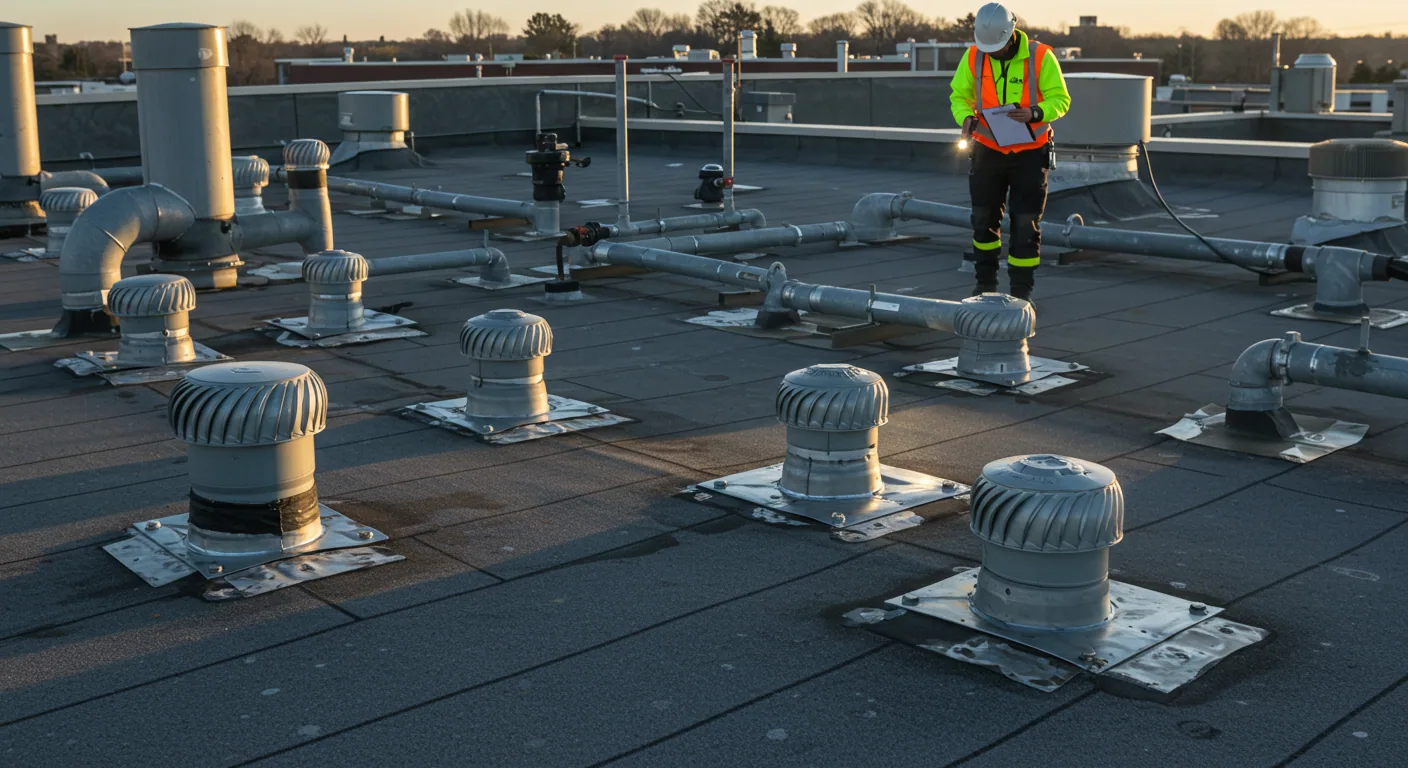
Step one is the penetration. Every pipe or curb needs a custom flashing, and a rigid flashing fastened through the panel will cut the sheet as it moves. Water enters at the cut.

Step two is the trim. Ridge caps, eave trim and gable trim are held with fasteners and sealant. Sealant dries and cracks, and fasteners back out as metal flexes. Open trim lets wind-driven rain behind the panels.

Step three is the coating. A deep scratch can expose the base metal. On steel, that can begin rusting; other metals develop different corrosion products. In a damp or salty setting, rust spreads under the paint before you see it. Cut edges and scratched fasteners are the starting points.

Step four is the seam itself. A seam that was not locked fully during install can open in a storm. Wind then lifts the panel and peels it upward along the seam.

Salt air and Gulf wind

Salt air and Gulf wind

Pinellas County is a peninsula, with 55 percent of its area covered by water. Coastal humidity and salt exposure affect material selection, while storm surge is an event requiring separate site assessment. Salt speeds up corrosion on steel panels, fasteners and cut edges, so coating, metal choice and fastener quality matter more here than they do inland. Aluminum or a heavy coated steel often suits the coast better.

Panel attachment deserves close attention after strong wind. Milton affected Pinellas in October 2024, and inspection of a metal roof needs to include clips, fasteners and the trim connections. New work uses the clip spacing and attachment specified for the building and panel assembly. A tighter spacing by itself does not establish that the roof meets its design requirements.

The beach side raises the stakes. Clearwater Beach, a resort district of hotels and condos, saw a record Helene surge in September 2024, so coastal connections need inspection for corrosion and storm displacement. At properties associated with Clearwater Executive Airpark or St. Pete-Clearwater International Airport, hangar roofs and other wide-span buildings need their actual roof geometry and wind exposure assessed before clip attachment is specified.

Signs on a metal roof

Check these on a standing seam roof every year, and after any named storm:

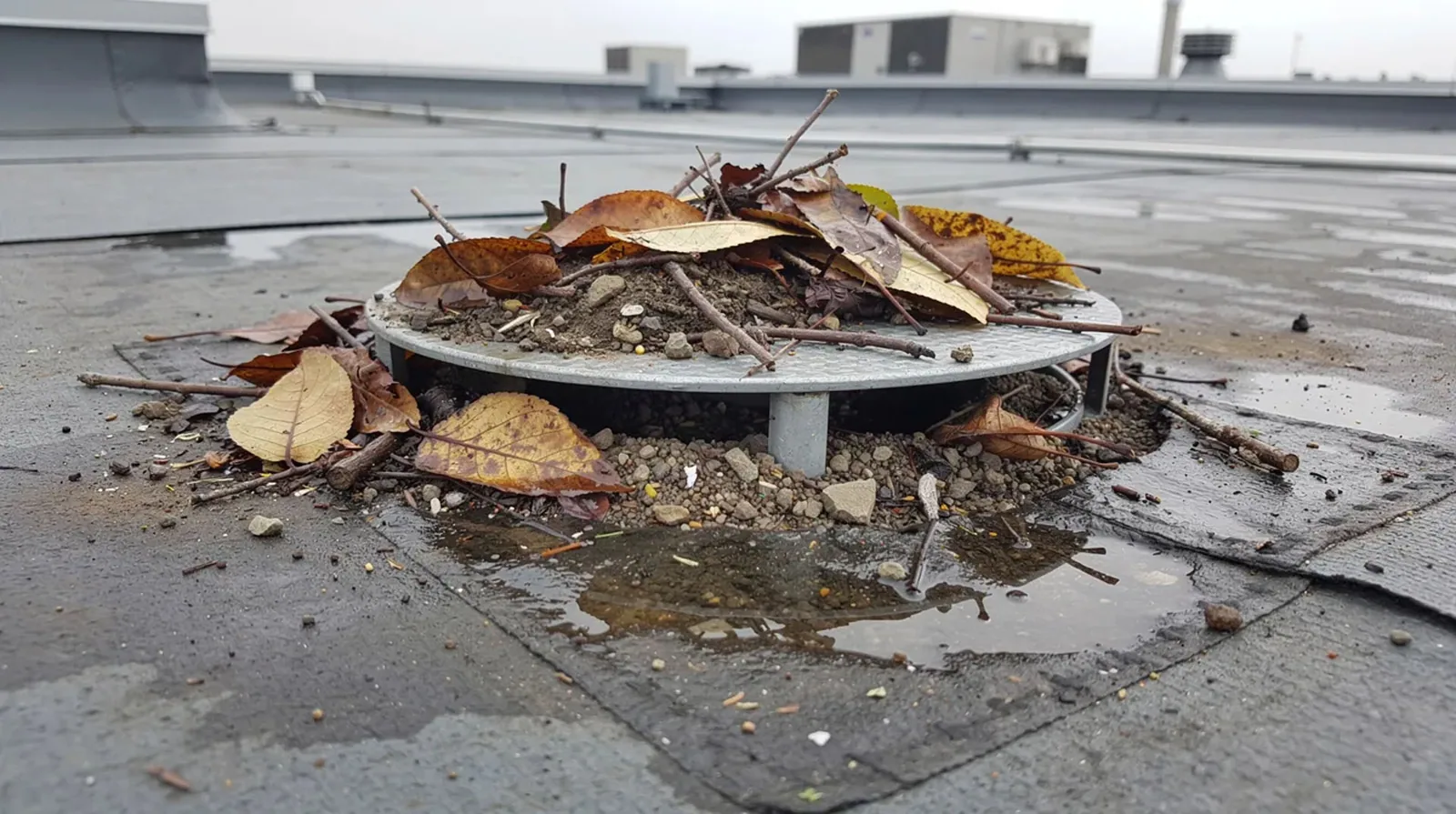
  • Red or white rust at cut edges, scratches and fasteners.
  • Cracked or missing sealant at ridge, eave and penetrations.
  • Seams that have lifted, buckled or opened.
  • Fasteners that have backed out of trim.
  • Dents or creases from impact.
  • Staining below penetrations, a sign of flashing trouble.

Edge details take a large share of the damage. Gutters and trim that have come loose let wind get under the panel. Our work on edge metal, coping and gutters keeps the perimeter tight, and skylight and penetration flashing handles the cuts through the field.

What drives the cost

What drives the cost

Standing seam is a premium roof, and the price reflects it. Material gauge and finish matter, as does the number of penetrations, the trim and the roof shape. Roll forming on site saves joints but needs space for the machine and a crew trained to run it.

The building matters too. A deck that is out of plane needs correction. Insulation and an underlayment under the panels affect heat, noise and condensation. Access, crane time and phasing around occupied space add to the schedule. Submittals come before materials, because the applicable Clearwater permit submission identifies the proposed roofing products before installation proceeds. After a major storm, hurricane damage roof repair on a metal roof begins with the trim and the seams.

Metal does not take the same flashing methods as membranes such as TPO roofing. A standing seam roof with a rubber boot glued to the panel will fail early. A compatible curb flashing still needs sound support, movement allowance and inspection. That difference is one reason owners hire a roofer who knows both families.

Fixing seams, clips and trim

We begin by mapping every spot of rust, every open seam and every failed sealant line. Surface rust gets sanded, treated and recoated. Loose seams are re-seamed with a tool made for the profile. Trim gets new fasteners with gaskets and fresh sealant that suits metal.

For leaks at penetrations, we replace the flashing with a unit designed to move with the panel. If the panel itself is corroded through, we cut out the damaged section and install a new one. Multiple defects require a scope comparison of repair and replacement, including remaining material condition. We lay out that comparison with photos. If the existing roof is exposed-fastener metal instead of standing seam, metal roof retrofit is the path that fits.

Commercial Roofing Questions

Does a standing seam roof last better than a membrane near the water?

It can, if the metal and fasteners are right for salt air. Material and protective finish are selected for the actual exposure and product requirements. The trim and flashing are where the roof is most likely to fail either way.

How do I know my standing seam roof is clipped for hurricane wind?

The tested assembly and project design establish the required panel, seam, clip, support and attachment. We compare accessible installation details with those requirements. Clip spacing alone cannot demonstrate compliance.

A standing seam panel has a small rust spot. Is it a problem?

Small spots are the time to act. The repair follows the panel manufacturer's coating and corrosion-treatment instructions. Surface treatment suits some localized damage; deeper deterioration can require replacement. Left alone near salt air, rust can run under the paint and eat through the panel.

Can I walk on standing seam to service rooftop units?

Service access follows the panel system's walking instructions and a safe route established for the building. Some spans or conditions are unsuitable for walking. We review compatible walkways or supported access for repeated equipment visits.

What permits does a standing seam roof need in Clearwater?

A roofing permit with a product approval sheet for the panels, clips and fasteners. The City accepts applications online from licensed contractors, and we prepare the package.
Send photos of the trim and seams

Send photos of rust, open seams or any stained ceiling, or book an inspection. We will show you what we see on the metal, explain what is causing it and lay out the repair or the new roof. Call any day of the week.

Request a Roof Assessment   or call 555-555-5555

Call555-555-5555