TPO Roofing in Clearwater, FL

TPO roof installation, seam repair and replacement for Clearwater, FL buildings, built for summer heat, wet-season storms and compatible attachment details.

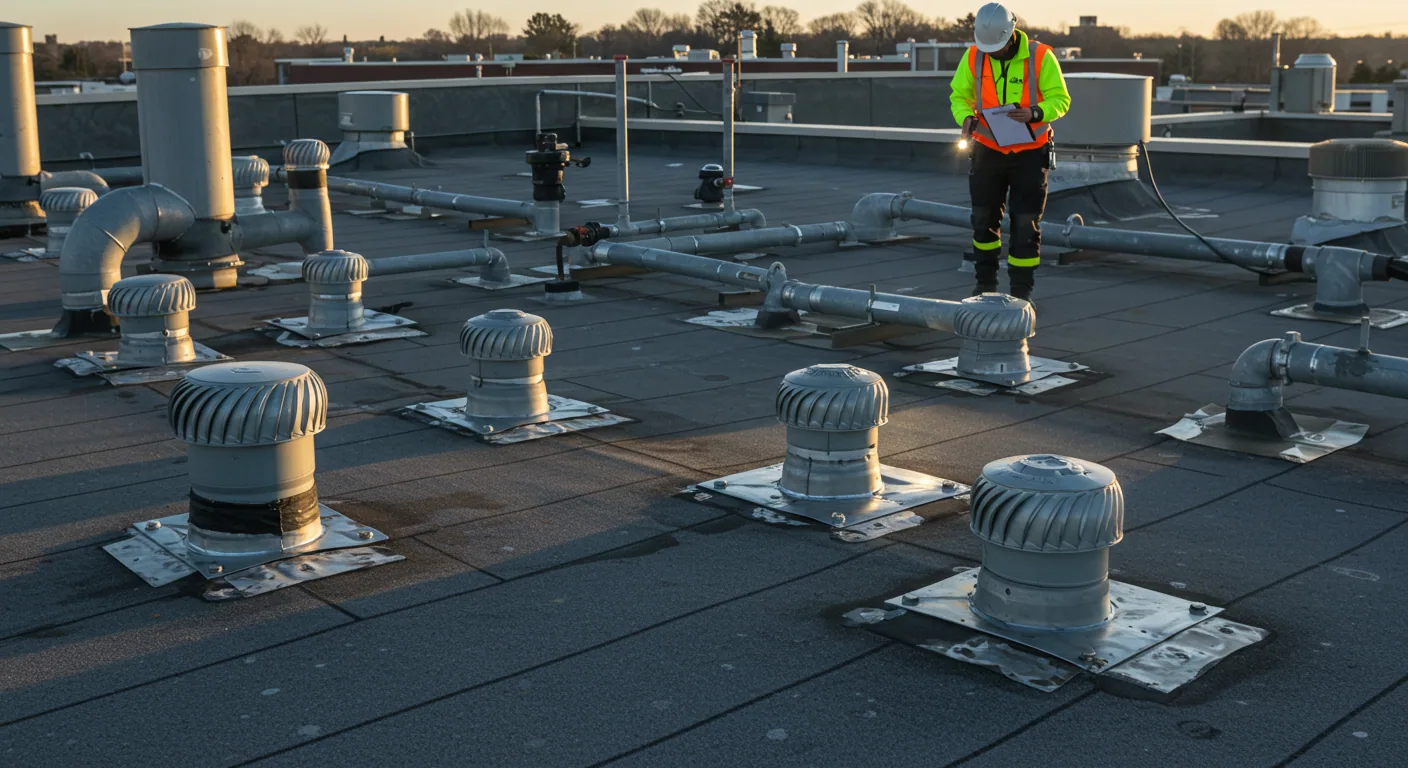
A TPO opening can develop at an incomplete weld, damaged flashing or a punctured field. Inspection needs to distinguish those causes before the repair method is chosen. TPO is a single sheet of thermoplastic membrane, white or light grey, joined with hot air at every overlap.

Here is how it works. A crew rolls the membrane over insulation, then melts the edge of one sheet into the next so the two layers become one. A properly prepared weld is part of the waterproof assembly and still needs inspection for later stress or damage. A weak weld looks the same on day one and peels open a few summers later.

For owners in Clearwater, FL, the weld matters more than the logo on the roll. Tampa Bay summer highs in the low 90s, storms that arrive almost every afternoon and salt in the air all test those seams. The short version: we install, repair and maintain TPO with the seam in mind, and we show you what we find.

Where TPO lets go

Where TPO lets go

Start with the seam. A weld picks up dust, moisture or a cold deck in the first hour and bonds only on the surface. It holds for a season and then lifts at one corner. A probe run along the edge finds that weak spot. A glance from the roof hatch does not.

Next is flashing. At walls, curbs and pipes the sheet turns upward and is held by adhesive, termination bars and sealant. Heat slowly pulls the membrane back toward the field, and that pull tears at the corners. Look for a sheet that has gone tight and straight like a drum skin, or a bar that has lifted off the wall.

Then comes the surface. TPO carries a reinforcing fabric just under the top layer. Sun can thin that layer over the years, and a dropped tool or a fallen limb can cut it. Exposed reinforcing fabric indicates wear or damage requiring close inspection; a path through the complete sheet needs confirmation. The insulation holds it, and the damage spreads sideways long before a stain appears on the ceiling.

A white roof in a wet season

Pinellas County sits in IECC Climate Zone 2A, a hot and humid zone, and a light reflective membrane suits it. It sheds some of the sun that would otherwise bake the building. It does not stop the membrane from stretching all day and shrinking at night.

Then the wet season runs from late May into October. Afternoon storms cool a hot sheet in minutes, and Tampa Bay's roughly 49 inches of annual rain, nearly two-thirds from June through September, gives every seam and every drain a workout. Clearwater itself logs closer to 53 inches.

Wind adds the third test. Hurricane Milton sent gusts up to 101 mph in parts of Pinellas County in October 2024. A TPO sheet that is only lightly attached at the perimeter is the kind that peels. Retail roofs along the US 19 corridor and the long edges around Countryside carry that exposure on every side.

Signs on a TPO surface

Signs on a TPO surface

You do not need a ladder to start. Walk a safe path and look for these:

  • Seams that show a dark line, a gap or a lifted edge.
  • Flashing at walls and curbs that has pulled away or gone brittle.
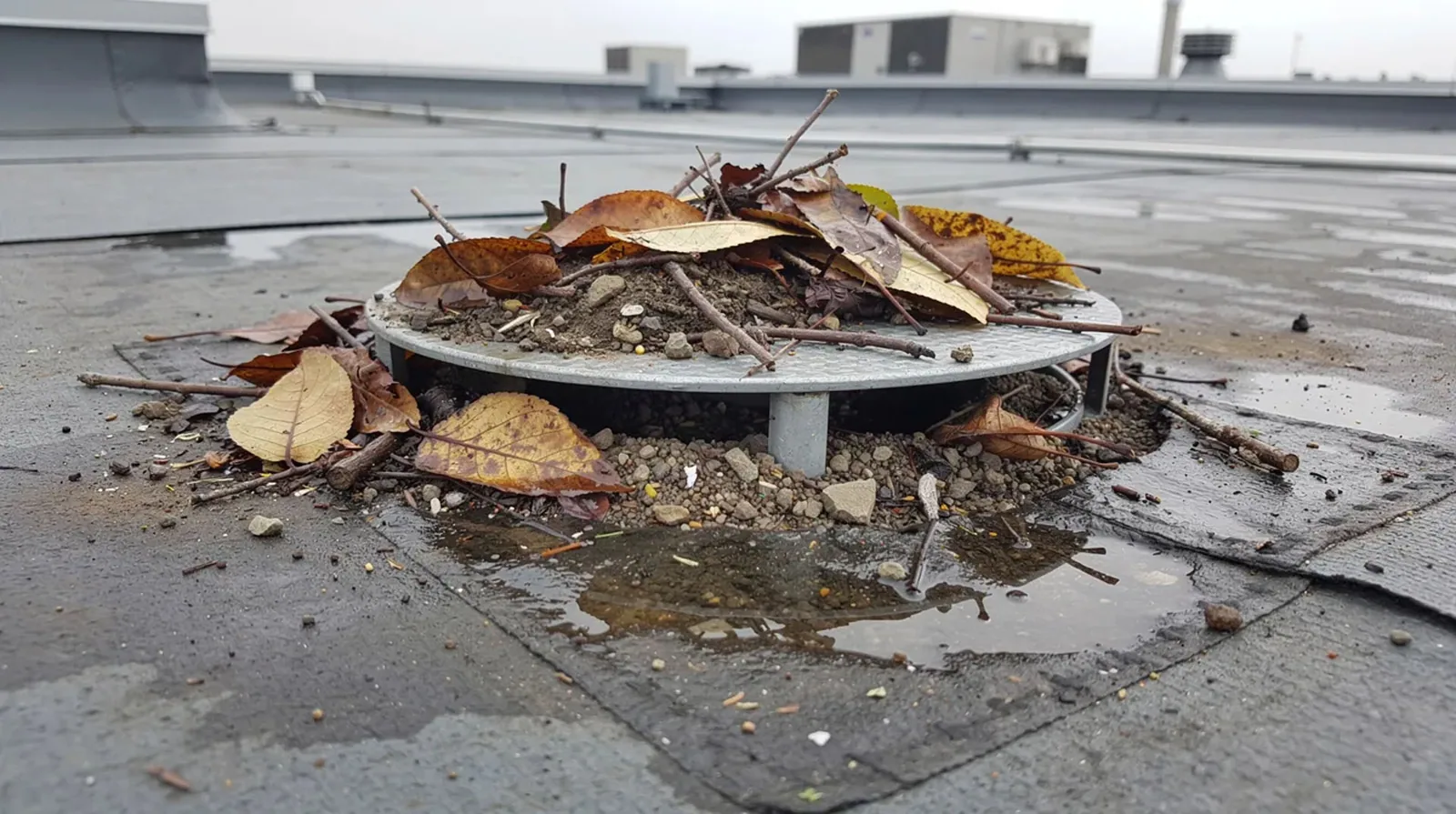
  • Dirty areas that hold water for a day or more after rain.
  • Cuts and scuffs near hatches, units and service paths.
  • Fabric showing through the top layer.
  • Loose edge metal where the sheet ends.

Standing water and open seams require separate checks. Water that sits keeps the sheet hot and wet, and that ages the welds faster. Sun and heat leave their own marks too, and heat and UV roof damage repair starts with the same walk.

What moves the price

TPO is sold by how it is held down, and that choice drives much of the cost. Mechanically attached systems fasten the sheet through the seam with plates and screws. Fully adhered systems glue the sheet to the board below. Ballasted systems rely on weight. Each one performs differently when wind pulls up.

Attachment is evaluated with the building's height, shape and roof zones in view. At a medical facility such as Morton Plant, the project requirements need to be established for the affected building rather than inferred from the campus name. The specified TPO assembly then sets the fastening or adhesion and detail treatment needed to resist the design loads.

Other drivers are plain: insulation thickness, old layers that must come off, rooftop units and tight access. The City of Clearwater also asks for a permit and a product approval sheet listing the exterior materials, so the paperwork is part of the schedule. When the whole system comes off, commercial roof replacement adds tear-off and new insulation to the bill.

Repair before replace

Repair before replace

Step one is a clean, dry surface. Old TPO collects dirt that a new weld will not bond to, so we scrub the area and let it dry. Then we cut out the failed section, fit a patch with rounded corners and weld it down with hot air.

After the weld, we probe the edge of every repair and every seam in the work area. Flashing gets the same treatment, with new termination bars, fresh sealant and a corner detail that does not pull at one point. If the problem is a run of open seams, seam failure repair follows the same weld, probe and recheck steps.

Sometimes repair is the wrong answer. A sheet that has gone chalky and brittle across the whole field, or insulation that is wet across a wide area, argues for a new roof or a recover. We test first with moisture readings and core cuts, then tell you which path makes sense. A new membrane over wet board only moves the problem up a layer, so the insulation and cover board choice matters as much as the sheet.

Get ready before the afternoon storms

Walk the roof in spring. Clear the drains, look at the seams near them and tighten loose edge metal. After May it is a race against the daily storms.

Compare TPO with its neighbors if you are choosing a new roof. PVC roofing resists grease and chemicals better, which matters over restaurants. EPDM roofing uses a different seam method, with suitability reviewed for the actual assembly. We will tell you which fits your roof and your tenants.

Commercial Roofing Questions

Why do some TPO roofs open at the seams in a few years while others last much longer?

Weld quality and exposure sort them out. A seam welded on a dirty or damp surface bonds only at the top, and the heat of a Clearwater summer works on it every day. The completed join needs appropriate preparation, inspection and suitable surrounding material.

Is TPO a good choice on a building near the beach?

The membrane handles salt air well, since plastic does not rust. The metal around it is the weak part. Fasteners, termination bars and edge cleats on a beachfront or causeway roof corrode faster, so we pick coated or stainless parts and check them on every visit.

Should the sheet be mechanically attached or fully adhered in hurricane country?

Fully adhered spreads the hold across the whole surface, which helps at edges where wind pulls hardest. Mechanical attachment is quicker and can work well when the fastener pattern is tightened near the perimeter. Deck, insulation, tested assembly and project design loads guide the choice. A denser fastener pattern alone cannot establish that a mechanically attached system meets those requirements.

My TPO roof is old and dirty. Can it still be patched?

Cleaning comes first, then we test whether a new weld will bond. Aged sheet that still welds can be patched many times. Sheet that will not take a weld is a sign the surface is near the end, and we will say so with photos before you spend more on patches.

Does TPO work need a permit in Clearwater?

Installing or replacing a roofing component calls for a permit from the City of Clearwater, with a product approval sheet for the exterior materials. We confirm the proposed repair scope with the city rather than assuming a patch is exempt.
Send photos of your seams

Send photos of the roof, or book an inspection. We will probe the seams, show you what we see and explain it in plain terms, then tell you whether a repair, a recover or a new TPO roof fits the building. Call any day of the week.

Request a Roof Assessment   or call 555-555-5555

Call555-555-5555