Schedule a dry, controlled repair
A seam repair needs suitable preparation conditions. Moisture, contamination and weather can affect the connection. We plan the work around the identified material requirements and explain why an active wet surface may need protection before the permanent join is rebuilt.
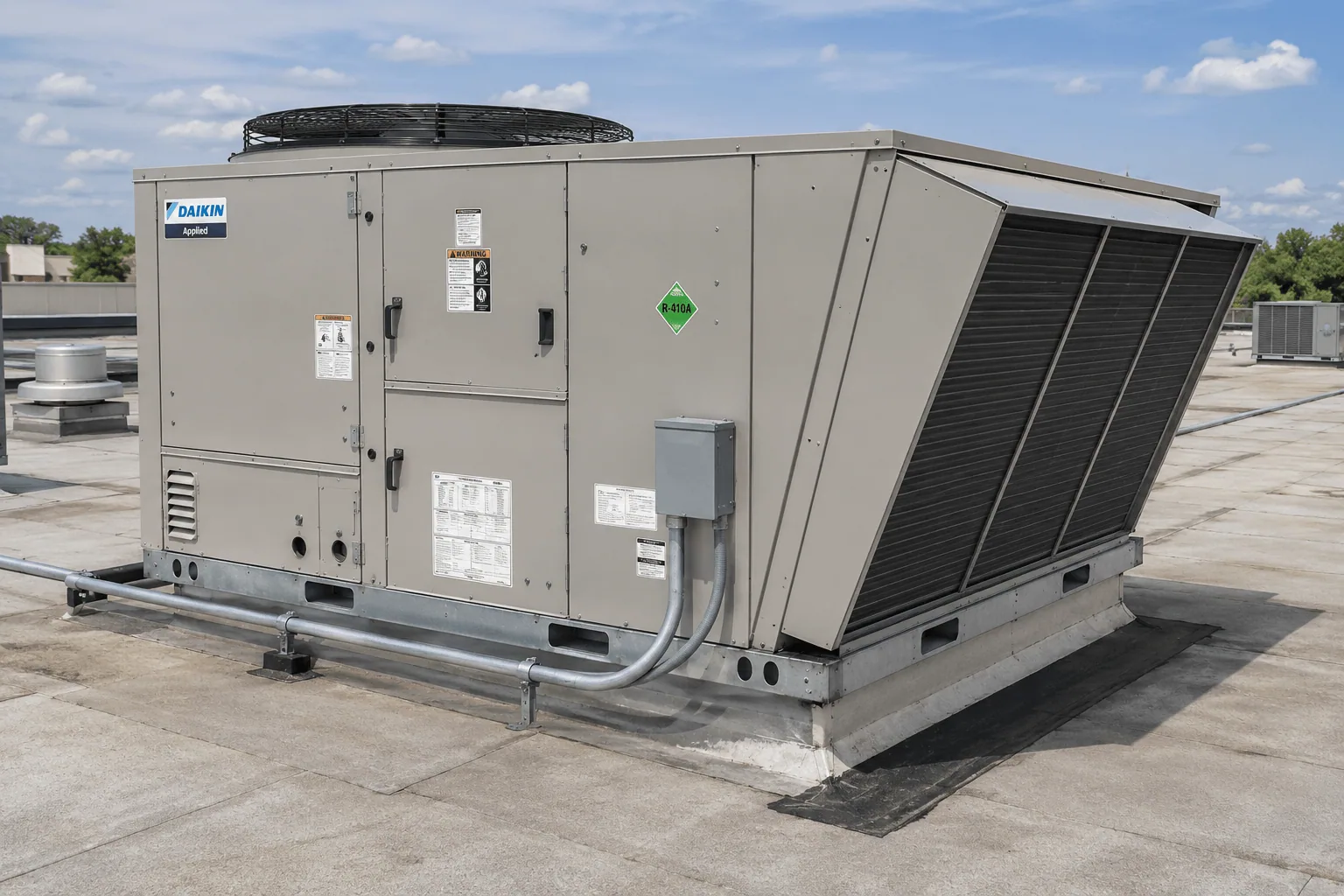
Ongoing seam and detail checks help detect new service damage and developing separation. A roof used frequently by equipment technicians needs a suitable approach route. Walking protection should preserve access to seams and keep the drain path open.
Scope and cost depend on the failed length, wet layers, old patch removal and access. Emergency roof help continues through nights, weekends and holiday periods when active water needs a response. Send safe photographs and the leak timing. We will inspect the joint, show the surrounding condition and explain the repair method that suits the assembly.
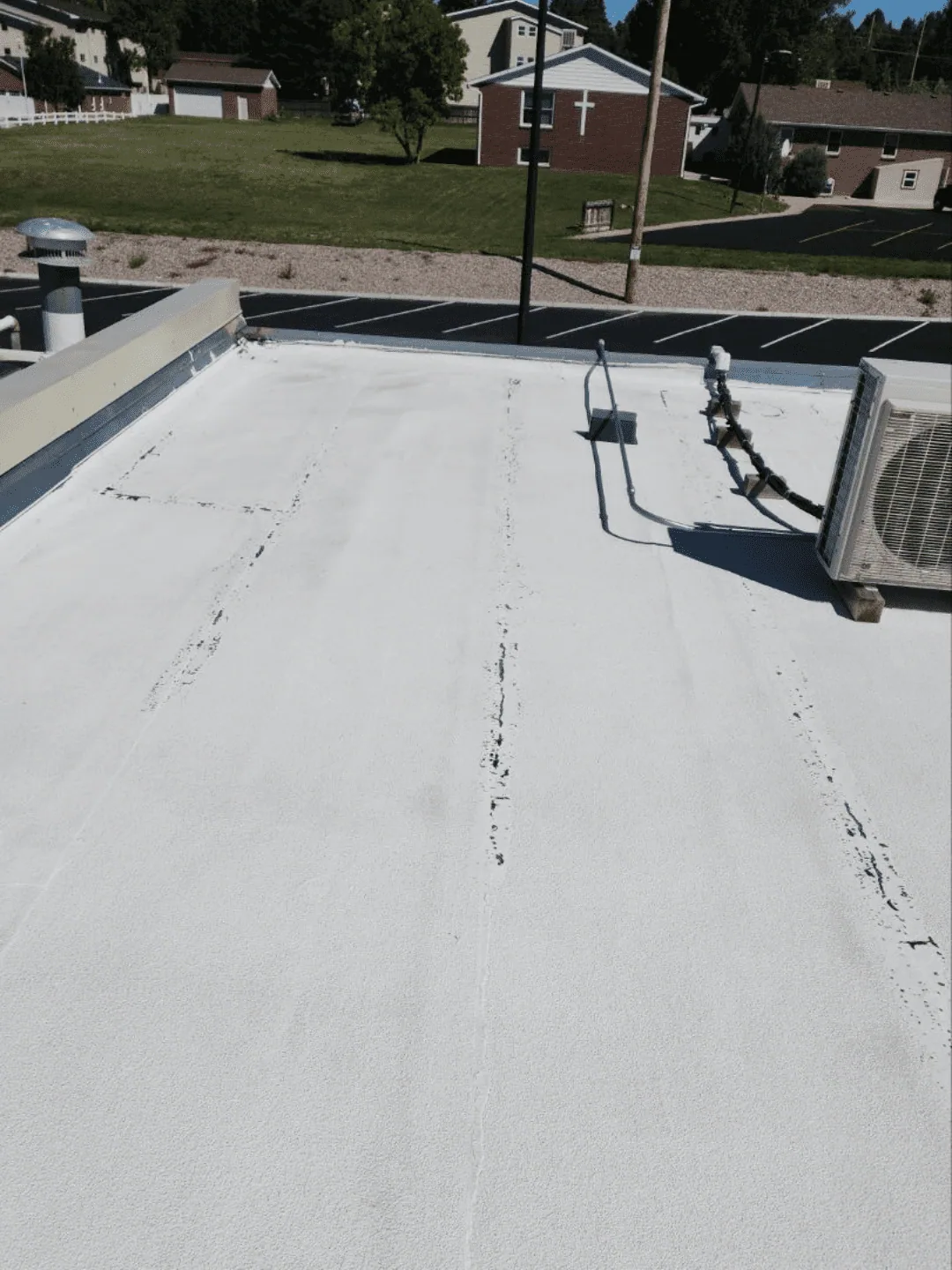
Repair method depends on the membrane and how the seam was made. A heat-welded thermoplastic lap, an EPDM splice and a bituminous overlap need different preparation and verification. We first check whether the seam has separated, whether the substrate beneath it is sound and if nearby movement or ponding contributed. The repair area should extend to material that can form a reliable bond, not stop at the first visible split. Afterward, we inspect the completed connection and record its location so the next service visit can tell a new failure from a previously repaired segment.
Keep the weld test result with the roof diagram. A later visit can then compare the same seam segment under similar inspection conditions.
Commercial Roofing Questions
The lap looks closed. Why inspect it closely?
Separation can remain at the edge of an apparently flat joint. We examine the join using the appropriate method for the membrane and show whether the accessible material supports a local repair.
Can the same patch product repair every single-ply seam?
Compatibility is specific to the identified system. We check the membrane and existing repairs before choosing preparation and joining materials.
Our seam was repaired twice. Should another patch be added?
The earlier bond and surrounding condition need examination. Removing failing layers or correcting movement may be more appropriate than placing another patch over an unsound connection.
Does a long failed seam require replacing the whole roof?
The condition beyond that join matters. We inspect adjacent seams, material and moisture before explaining whether the evidence supports targeted repair or a wider project.
Will the repaired seam need a protected walking route?
Repeated service access can affect its exposure. We review the equipment approach and recommend suitable protection where needed, while keeping seams and drainage accessible for inspection.