Carlisle SynTec Roofing in Clearwater, FL

Carlisle roof work in Clearwater begins with sheet identification, attachment and moisture checks. We explain EPDM, TPO and PVC repair or replacement choices.

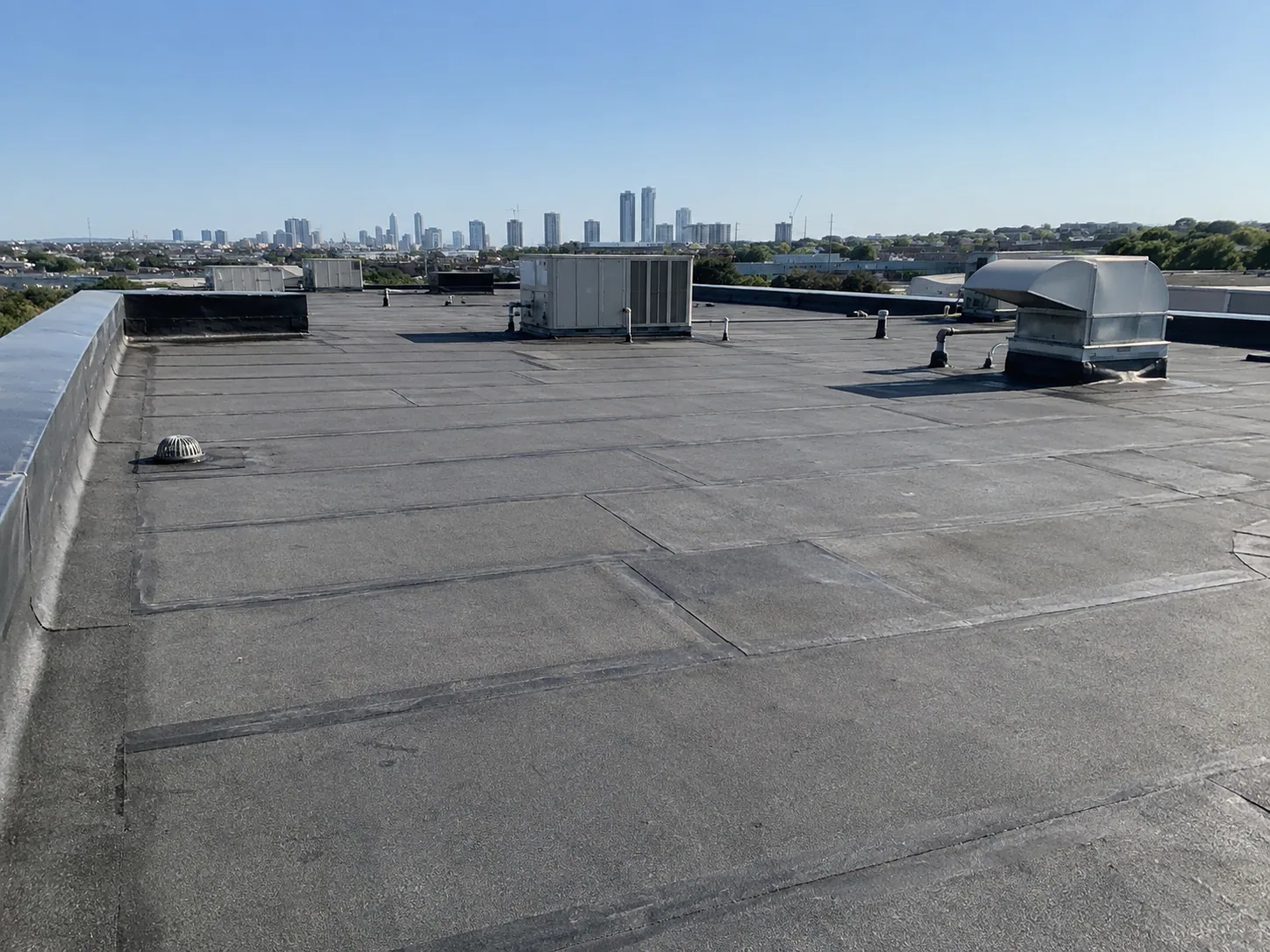
A Carlisle roof can lose a watertight connection where membrane flashing pulls away from a curb. The sheet and curb experience different movement. A deteriorated termination or unsuitable repair leaves an opening. Rain then reaches the layers even while the broad roof field looks serviceable.

Carlisle SynTec roofing in Clearwater, FL starts with identifying the system on your building. Carlisle supplies EPDM, TPO and PVC membranes, including fleece-backed options. Those materials require different joining and repair methods. A common manufacturer name does not make their components interchangeable.

We inspect the detail, compare records and explain what needs correction. Local repair, recover and replacement decisions follow the material condition and supporting layers. The property manager receives a scope tied to the observed assembly, with any further investigation identified before larger work is chosen.

Separate the rubber from the thermoplastic

Separate the rubber from the thermoplastic

EPDM is a rubber roofing membrane. Its seams and flashing use compatible bonding components rather than the same welding process used for thermoplastic sheets. We check the installed material and previous repairs before choosing preparation and patch products.

A rubber membrane roof can have a sound field while adhesive or flashing details need attention. Dirt and deteriorated surface material affect the repair area. We identify where a durable connection can be made and where damaged sheet requires removal.

For thermoplastic TPO roofing, welding conditions and seam evaluation are relevant. PVC needs compatible products specific to that material. We explain the actual system rather than selecting by the sheet's apparent color or by what a neighboring building uses.

Check the assembly below the backing

A fleece-backed membrane includes a backing that is part of the chosen assembly. It does not make damaged insulation beneath it suitable for retention. We inspect the existing roof layers and the material available for attachment before considering a repair or recover approach.

Carlisle's FleeceBACK options sit alongside its other single-ply offerings. The specific sheet, attachment method and substrate need to be established for your project. We review the system information and proposed tie-ins rather than treating backing as a substitute for assembly design.

Our roof recover evaluations separate suitable retained material from layers needing removal. Moisture investigation, supporting condition and drainage all affect that decision. A smooth-looking surface can hide wet insulation or previous work that changes the new assembly's practical options.

Inspect the service route and termination

Inspect the service route and termination

A technician stepping beside an air handler can damage roofing away from the curb flashing. We examine the approach as well as the connection. Punctures and weakened terminations need separate details. The scope identifies each so a curb repair is not expected to correct unrelated service damage.

Through curb flashing and support work, we coordinate the roofing with equipment corrections where needed. The equipment trade handles the unit and its operating components. We establish the roof connection and discuss how service movement affects it.

A termination above the membrane needs a secure, weather-shedding detail. Water entering behind it can bypass a patch on the horizontal surface. We inspect accessible upper connections before describing the local repair. Photographs show the relationship so the manager can understand why the opening is not limited to the visible sheet.

Read the roof in its operating setting

Gateway contains offices and industrial businesses, while US 19 serves commercial buildings through Clearwater and nearby communities. Those settings require assembly-specific inspection. A roof over offices may have different access and equipment restrictions from the production building next door.

For a property in Gateway and Ulmerton Road, we review staging space and the functions beneath the roof. The operating plan identifies intakes, occupied rooms and equipment that needs coordination. Its details come from your building, rather than an assumption based on the district.

Clearwater's summer rain and intense sun repeatedly cycle the membrane and its connections. Drainage inspection remains important even where the sheet appears sound. We explain whether standing water involves debris, a damaged outlet or a low area. The manufacturer selection does not remove the need to correct that condition.

Where roof access crosses tenant-controlled space, we agree permission and timing through management. The inspection may need access above an adjoining unit to follow shared runoff. Record any restricted detail separately so the report remains clear about what has been checked and what is still outstanding.

Compare a complete replacement proposal

Compare a complete replacement proposal

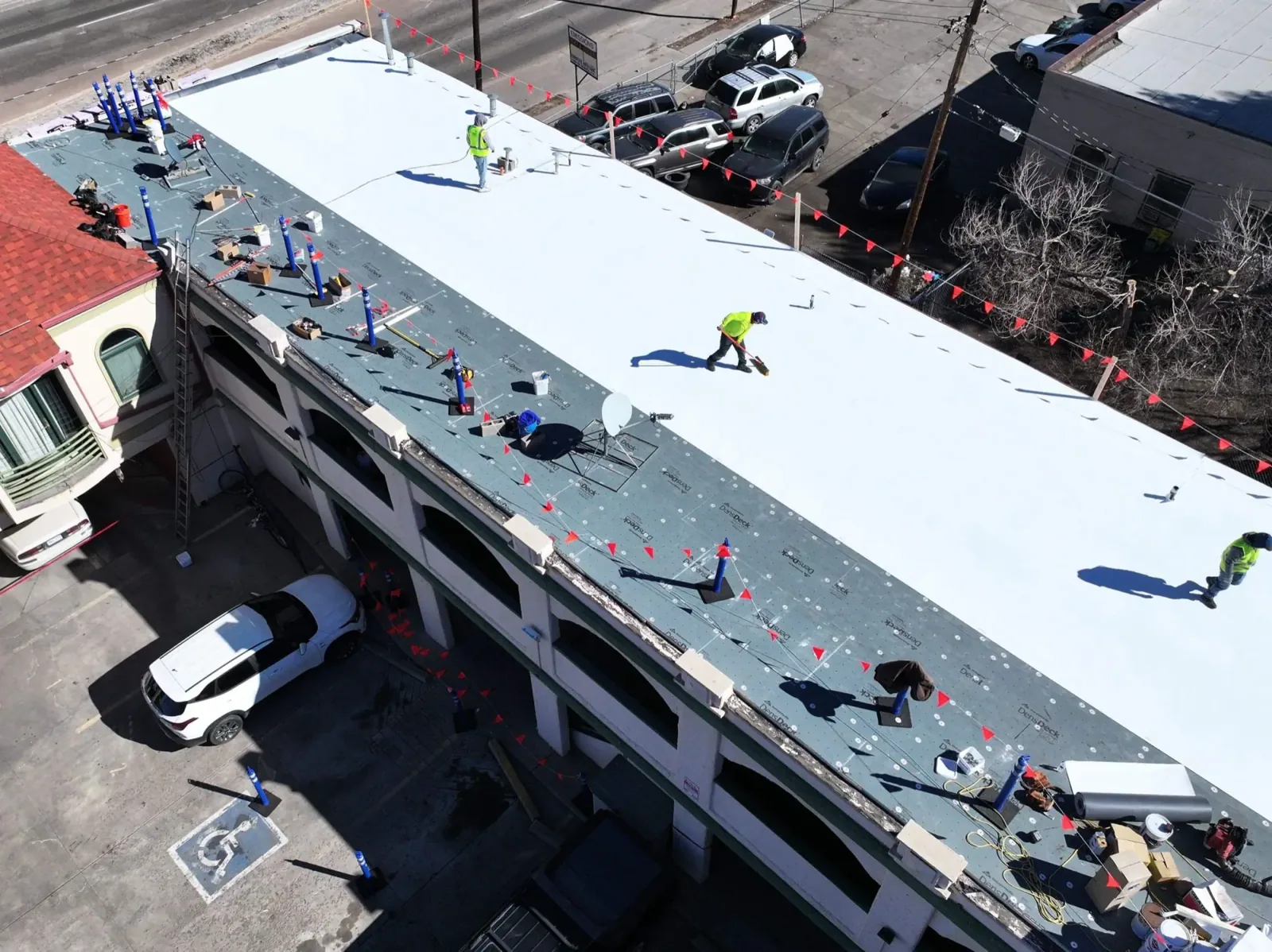
A replacement proposal should identify membrane, insulation, cover board where required, attachment and the perimeter details. Supporting deck condition affects those choices. The assembly needs applicable project requirements addressed before individual product preferences become an installation decision.

Cost changes with damaged layers, removal routes, equipment moves and available working periods. A limited flashing repair may avoid broader removal when suitable material remains. Repeated failures and moisture extending across a section can support a different scope. We show what the inspection establishes.

Existing warranty documents need review for reporting and repair procedures. Our warranty coordination for roof work keeps those requirements connected to the proposed scope. An identified Carlisle membrane does not by itself confirm an issued warranty or establish what a repair is covered for.

Comparisons with Versico membrane assemblies or GAF commercial roof options should address the same building needs. Product families can overlap, while component selection and details still matter. We explain the roof requirements first so the comparison has a practical basis.

The completed repair record identifies materials, locations and remaining concerns. Keep it available for subsequent equipment work. A new opening or damaged walkway can introduce a separate defect, and the record helps the next inspection distinguish that change from the detail already rebuilt.

Proposal comparisons should separate product family from assembly design. A Carlisle record may refer to EPDM or a thermoplastic sheet, and the repair approach changes accordingly. We verify the actual membrane, attachment, seams, flashings and condition of the layers below before specifying a tie-in. Fleece backing or a product label does not show whether hidden insulation is dry. If the project uses a different system, the scope should explain how drains, curbs and existing wall transitions will connect to it. This makes the technical decision visible instead of reducing it to a manufacturer name.

When comparing two proposed Carlisle assemblies, check which existing layers each plan retains, how drains and curbs will transition, and what attachment is specified for the building. A product record can help identify the sheet, but an on-roof inspection should confirm that identification before compatible materials are ordered. Keep the selected assembly, repair locations and closeout photographs with the property file so the next service visit can distinguish original components from later changes.
Commercial Roofing Questions

Can you identify the Carlisle sheet from an old repair invoice?

The invoice can help, but it needs comparison with the installed material. Later repairs or reroofing may have changed the assembly. We examine available markings and conditions before choosing compatible repair components.

Does fleece backing allow the existing wet roof to stay?

Wet or unsuitable retained layers need evaluation and removal where required. Backing does not dry concealed material or establish its suitability. The recover decision follows investigation of the complete assembly.

Can the curb flashing be replaced while the roof field remains?

Sound retained sheet and a suitable connection can permit that approach. We inspect the termination, surrounding layers and equipment support first. Damage extending beyond the curb changes the repair boundary.

What should be compared between two different single-ply proposals?

Compare the whole assembly and scope, including insulation, attachment, drainage and transition details. Membrane names alone leave important differences unresolved. We explain the items that change the work on your building.

A Carlisle roof starts leaking after a holiday storm. Can we call?

Our emergency roofing response is available at night and during holidays. Provide the property contact and leak location. Immediate measures depend on safe access and conditions, with permanent repairs explained after the assembly is examined.

Bring the membrane record to the inspection

Send safe photographs and available roof records, or book an inspection. We will explain the Carlisle system condition and the work supported by the findings.

Request a Roof Assessment   or call 555-555-5555

Call555-555-5555