Commercial Roofing Questions
The HVAC contractor is replacing a unit. Does the curb have to change too?
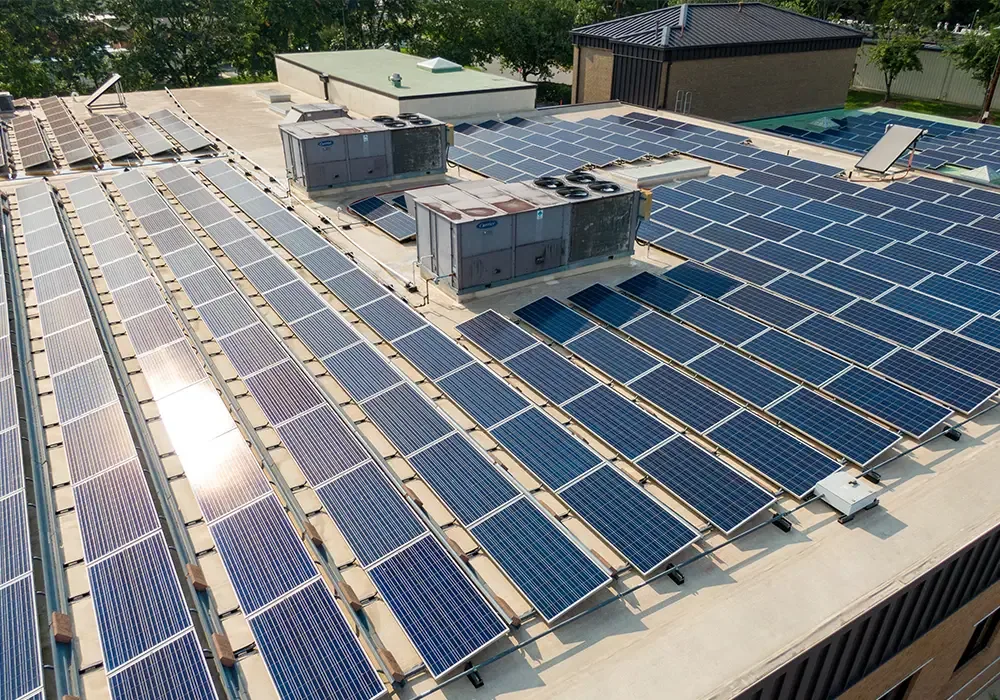
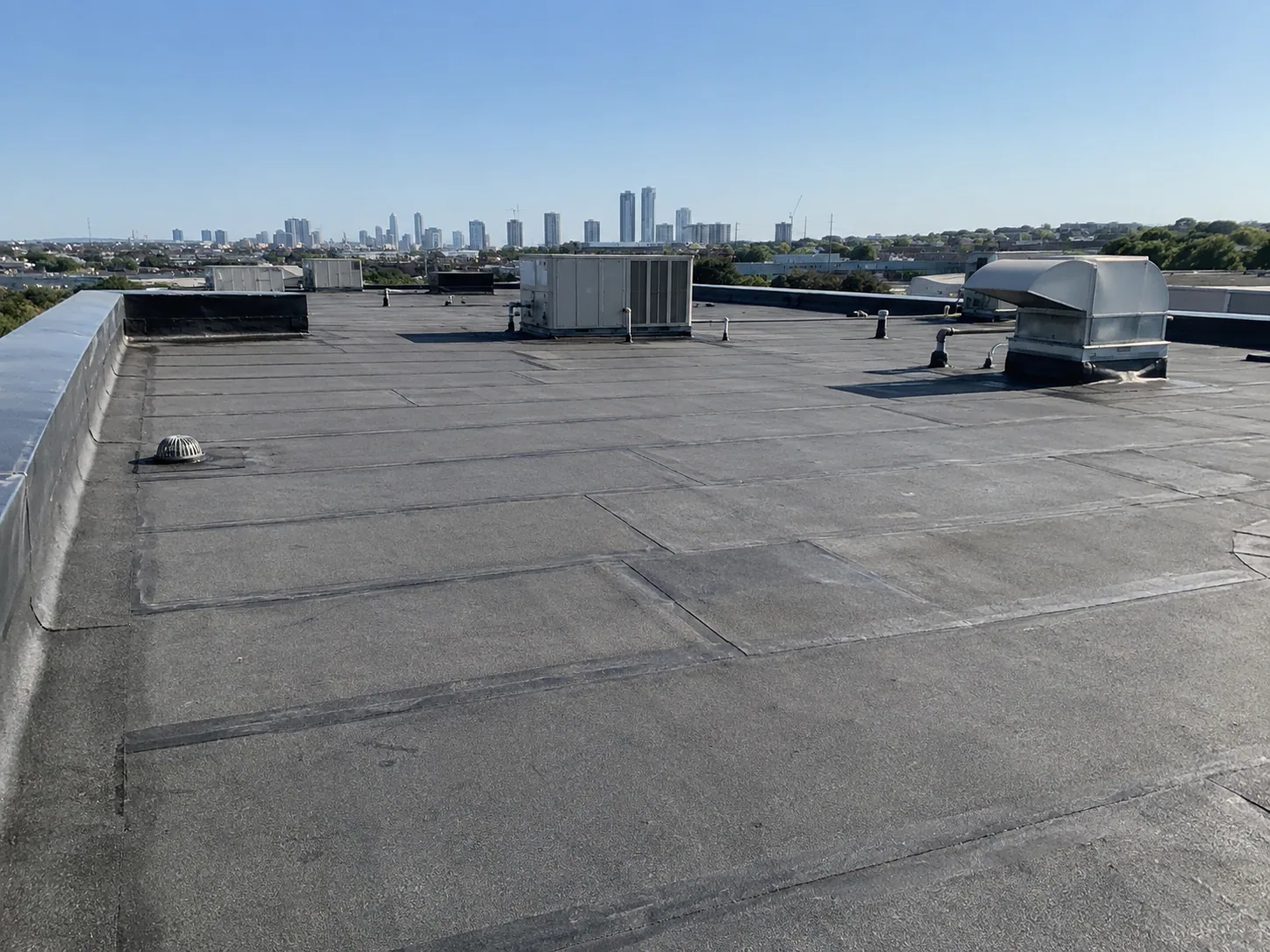
Check the footprint first. The new unit may require a different opening or connection, and a curb built for the old one may leave gaps at the base or sit too low. An adapter curb often solves it. We look at the flashing and the nailer at the same visit, because the roof is open and the cost of redoing a curb later is far higher than doing it now.
Who is responsible when a unit leaks, the roofer or the HVAC company?
The leak path tells you. If water entered through the flashing, the cap or the counterflashing, it is a roof detail. If it came from a panel, a refrigerant line or the condensate drain, it is a mechanical issue. We trace the water and show you where it entered, so the right trade gets the call.
Can pipe supports sit directly on the membrane?
Not for long. A bare support presses on one spot while the pipe expands and contracts, and the membrane under it wears thin. Pads or pedestals spread the load. We replace worn pads before the membrane underneath has been cut through.
Does reflashing a curb need a permit in Clearwater?
Flashing a curb counts as roofing work, so yes in most cases. The City of Clearwater asks for a permit on any roofing component that is installed or replaced, filed online with a Product Approval sheet for the exterior products. We assemble the proposed product information and installation tasks for the permit review.
What does salt air do to unit legs and rails near the beach?
It eats the protective coating first, then the steel. On barrier-island buildings along Clearwater Beach, we inspect rails and clamps for corrosion and attachment damage. We record corrosion and coordinate equipment hardware correction with the responsible trade. The roofing repair follows the confirmed support and flashing requirements.