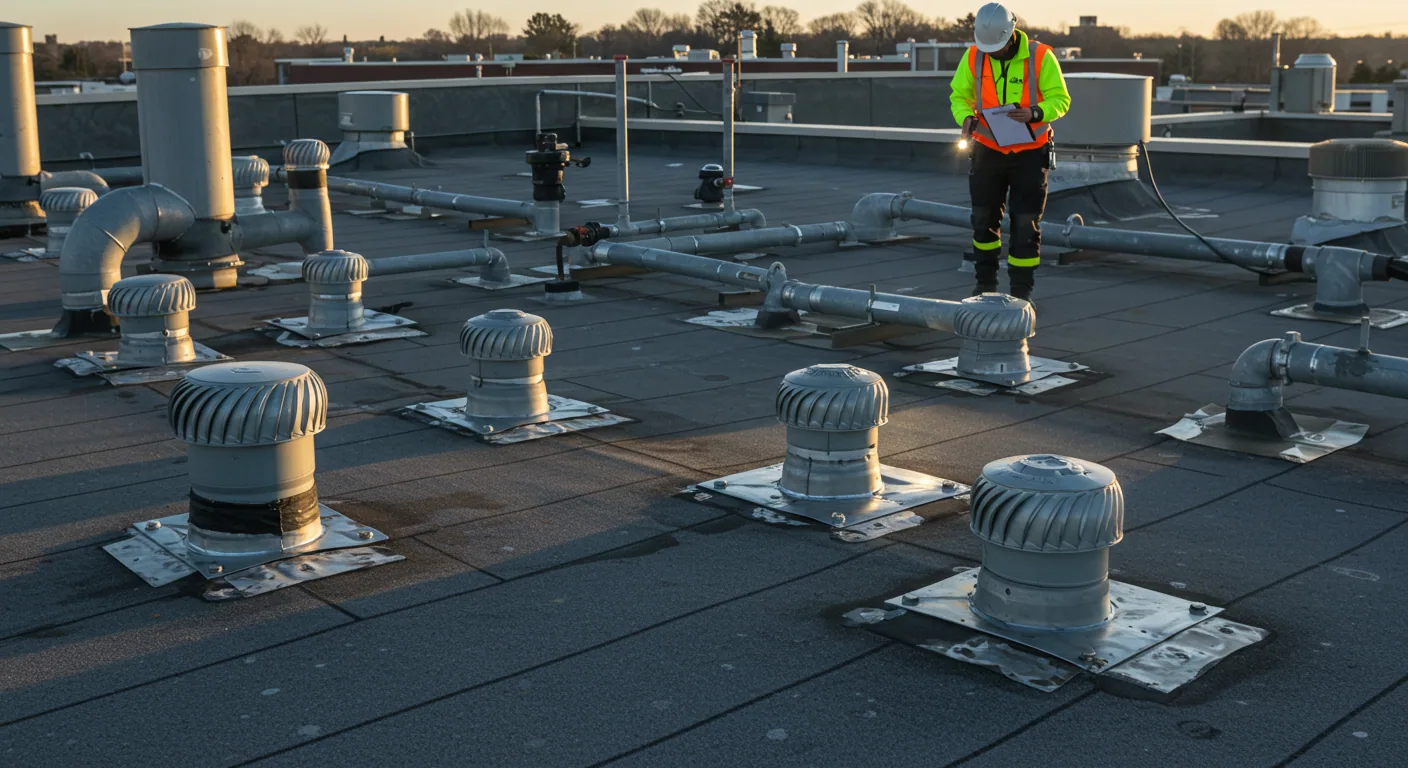
Infrared Roof Moisture Survey in Clearwater, FL

Clearwater infrared roof surveys investigate thermal patterns under suitable conditions. Confirmatory checks help define wet materials and repair limits.

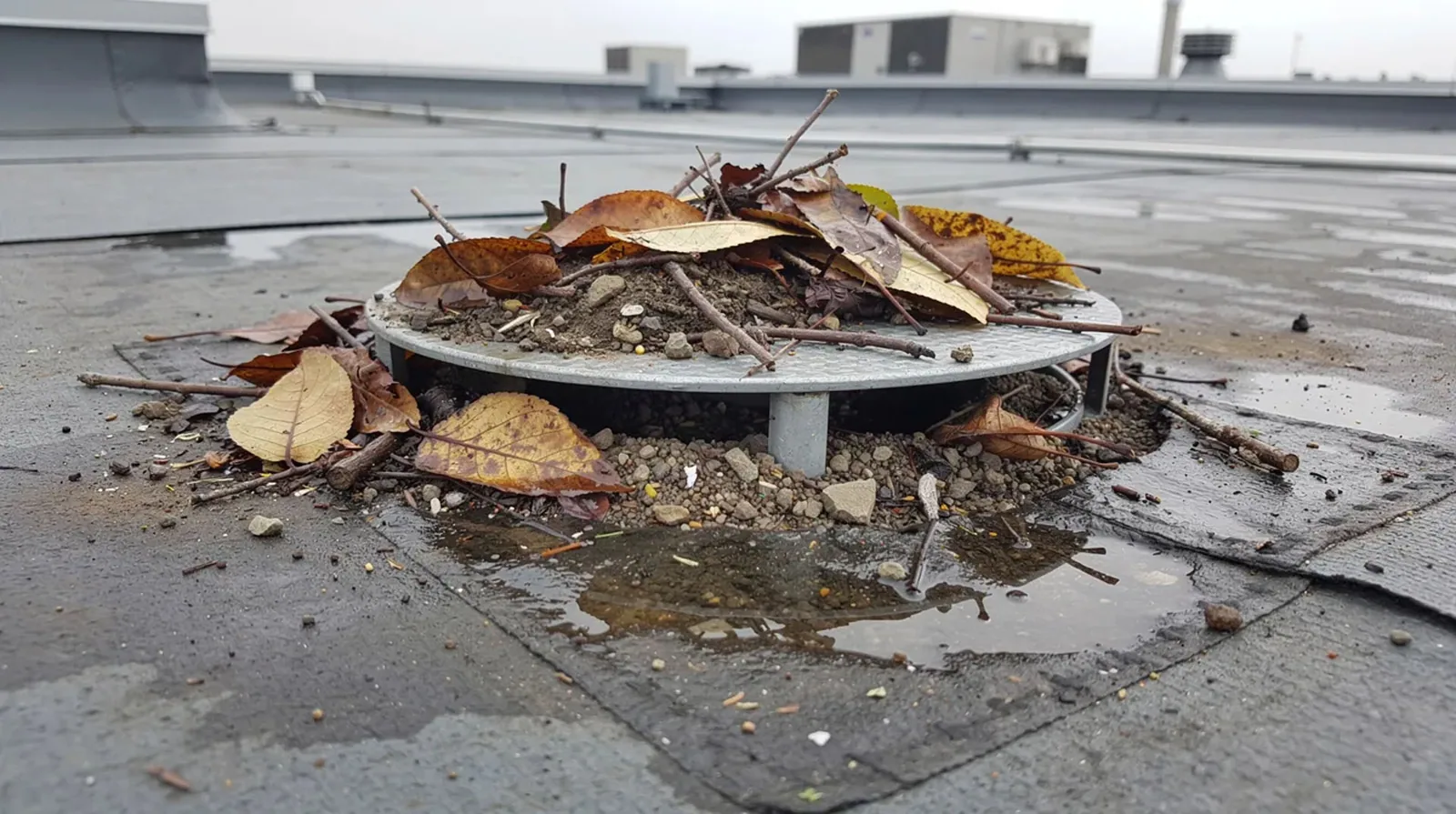
Concealed wet insulation can remain beneath a membrane that looks intact. The membrane can be smooth, white and tight while the board beneath it is soaked. An interior drip can appear after moisture has already affected layers above the ceiling.

An infrared survey identifies thermal patterns that can indicate hidden moisture under suitable conditions. A thermal camera reads how the roof gives off heat, and soaked insulation behaves differently from dry insulation. We then confirm each suspect area with moisture readings and small core cuts, so the map you receive is based on proof.

For owners in Clearwater, FL, where the roof gets soaked almost every summer afternoon, it is one of the most useful dollars you can spend before a repair or a reroof. Here is how it works.

How the camera sees water

How the camera sees water

Think of it this way. Water holds heat longer than dry insulation does. All day the sun heats the roof. As evening comes and the surface cools, dry areas let go of their heat fast, while wet areas stay warm and glow brighter in the thermal image.

That is why timing matters. We scan on dry, clear days, usually in the hours after sunset when the roof is losing heat. Rain, wind, heavy cloud and wet surfaces spoil the picture, so we do not guess when the conditions are wrong. We wait.

The result is a heat map laid over the roof plan. Warm patterns mark locations needing comparison with the assembly and further testing. The map does not say how much water or how deep. That comes next.

Not every roof scans the same. Smooth single-ply membranes can be suitable candidates when exposure and survey conditions support interpretation. Gravel surfaced and ballasted roofs hide heat patterns, and heavy shade or standing water muddies the picture. Metal roofs need different methods altogether. We tell you before we start whether your roof is a good candidate and what we will use if it is not.

Proof comes from the core

A thermal image is a lead, not a finding. Warm spots can come from a roof drain, a thicker patch of insulation or a metal deck rib. So we confirm in person.

  1. Walk each marked area with a moisture meter.
  2. Cut a small core through the layers at the suspected wet spots, and at a few spots that look dry for comparison.
  3. Look at what is in the core: wet or dry board, rusted deck, trapped water between layers.
  4. Patch every cut the same day with materials that match the roof.
  5. Mark confirmed wet locations and estimated boundaries on the plan, including areas where more checks are needed.

The cores are what turn a heat map into something you can price, plan around and show an adjuster or a lender.

Why Pinellas roofs hold water

Why Pinellas roofs hold water

Tampa Bay gets about 49 inches of rain a year, and nearly two-thirds of it falls from June through September. In Clearwater the total runs closer to 52.6 inches, mostly as daily summer thundershowers. A roof sees that load for months, with high humidity in between, and water that gets in does not dry out easily.

Hurricane Milton added over 18 inches of rain to parts of Pinellas County in October 2024. Helene's surge reached Clearwater Beach weeks before. An open connection warrants moisture investigation after that exposure, and insulation under a patched or tarped roof can stay damp for a long time afterward.

The buildings at risk range from the beachfront hotels on Clearwater Beach to hospital pavilions at Morton Plant and Mease Countryside Hospital. Water reaching occupied medical or guest spaces requires coordinated protection, which is why surveys come early in hospital roofing planning.

Reading the map

The report gives you a plan with every confirmed wet area outlined, a count of how much of the roof is affected, photos of the core samples and a recommendation. Most roofs fall into one of three groups:

  • Small, isolated wet pockets. Cut out and replace the wet insulation, repair the cause, and keep the roof. This is the case for a targeted commercial roof leak repair.
  • Wide wet areas require removal planning even where the membrane appears sound. A roof recover requires correction of wet material as well as evaluation of layer limits, deck, attachment and applicable requirements.
  • Widespread wet insulation requires comparison of removal scopes and the condition of the remaining assembly before considering commercial roof replacement.

Knowing the group before you spend is the entire point.

When to order a survey

When to order a survey

Order one before any recover, partial replacement or long-term warranty decision. Order one before you buy a building, so you know if the roof carries hidden water. Order one after a named storm, once the roof has dried enough to scan, to see how much insulation took water. And order one for any roof that has leaked more than once in the same area.

A survey is also a good partner for the walk-based work in commercial roof inspection and for the due diligence roof surveys that buyers and lenders ask for. If you own several buildings in Gateway and Ulmerton Road or along US 19, scanning them together gives you one comparable set of results.

The survey also protects your budget from two kinds of waste. It keeps you from replacing a roof that has only a few wet pockets. And it keeps you from covering over a roof that is wet everywhere. Either mistake costs far more than the survey.

Survey conditions affect interpretation. Recent rain, roof temperature, construction type and the time of day can change the contrast that an infrared camera records. We use the scan to identify patterns for follow-up, not to label every warm or cool area as wet insulation. Suspect locations are checked against the assembly and, where appropriate, confirmed with a direct test or selective opening. The report maps both the indication and the verification result. That distinction matters when an owner is deciding how much material to remove, especially where a small repair could otherwise turn into unnecessary replacement of sound roof sections.

Commercial Roofing Questions

Can you scan when it rains every afternoon?

Clear evenings are what matter. We wait for a dry day and a calm sky, then scan after the roof has soaked up sun. In the wet season that can mean a few extra days of waiting, and we tell you the schedule up front instead of rushing a poor scan.

Will the survey find every wet spot?

Not by itself. Thermal imaging identifies suspect patterns, and suitable cores or readings help confirm sampled locations. No survey establishes every concealed wet pocket. Some roofs, such as ballasted, heavily shaded or metal roofs, scan poorly, and in those cases we lean more on moisture readings and cores.

Do core cuts damage the roof?

Each cut is small, and we patch it the same day with compatible material. A good core tells you more about the roof than a day of guessing. We keep the cuts to a minimum and place them where they answer the most questions.

What does wet insulation cost me besides the leak?

Energy and structure both pay. Saturated board loses much of its insulating value, adds weight to the deck, and keeps the steel under it damp enough to rust. Retained moisture can also affect adjacent materials and warrants appropriate building assessment where damp interior conditions remain.

Is the report useful to an insurer or a buyer?

It gives both a factual map. The plan shows the boundaries, the photos show the cores, and the findings describe moisture evidence. Entry points require their own investigation. With earlier records it can support comparison of changes after a storm, and in a sale it gives the buyer a firm basis for repair credits.
Ask us to scan before you spend

Send photos, the roof age and any leak history, or book an inspection. We will find out what is wet, show you the map, and explain which repair path makes sense.

Request a Roof Assessment   or call 555-555-5555

Call555-555-5555