From images to findings
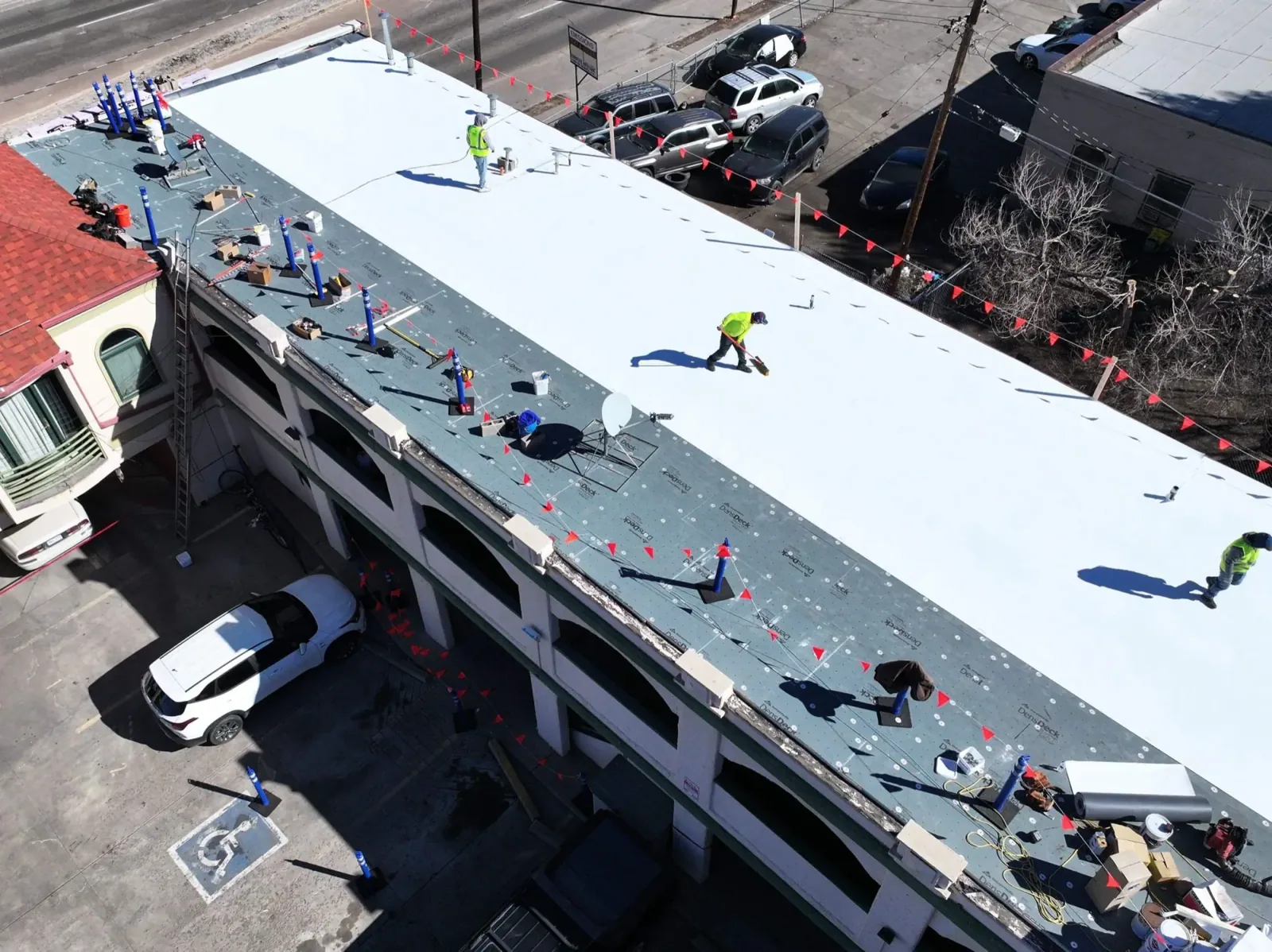
The flight is half the work, and the other half is the part that turns pictures into decisions. Afterward we review the images against the roof plan and mark each suspect area. The follow-up uses safe access and the examination method appropriate to the detail. Suspected moisture can require additional testing before the affected layers are identified.
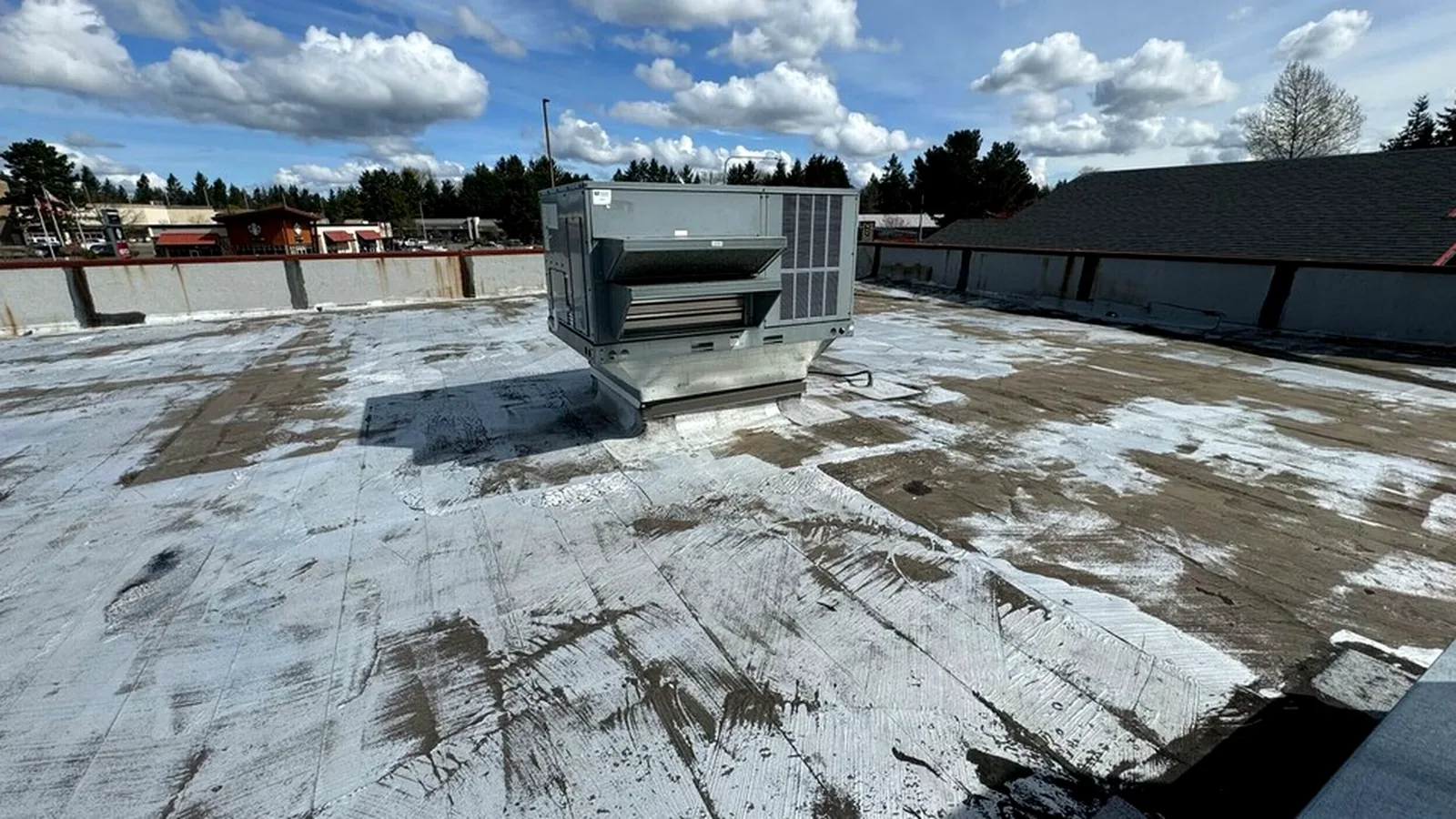
A drone cannot feel a soft spot, and it cannot see wet insulation under a dry membrane. Where conditions are suitable, the moisture investigation can include an infrared moisture survey. For the full condition picture, it feeds into a commercial roof inspection and a written report, organized the same way as our roof condition reports.
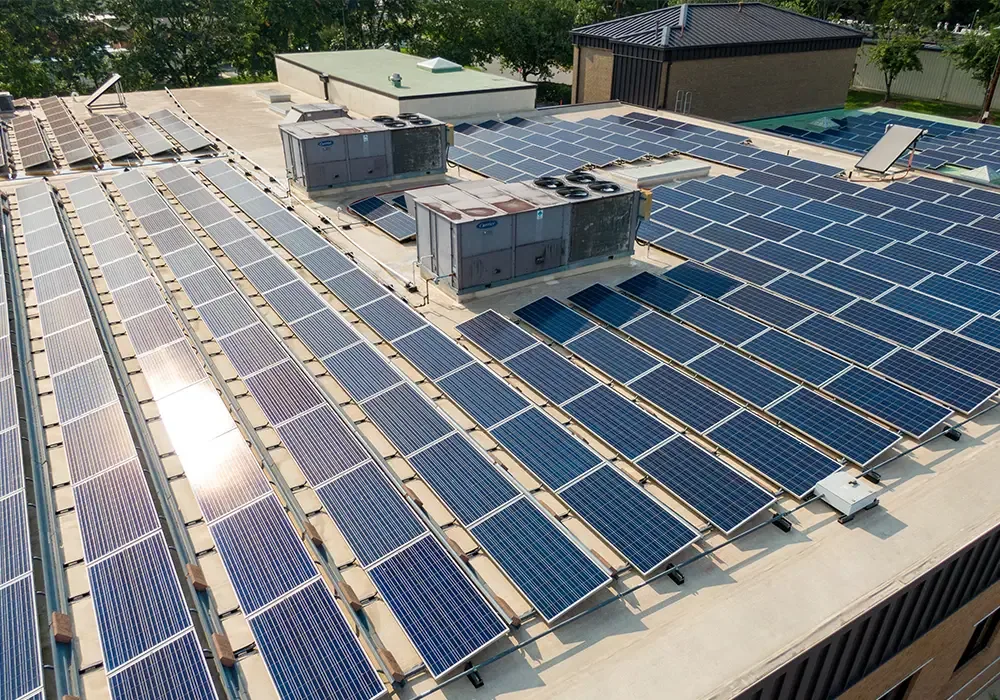
Overhead images are most useful when they are paired with a question the property team needs answered. A broad view can show drainage patterns, surface changes and access constraints, while close detail still requires a safe hands-on check. We identify the date and limits of the image set, then compare visible conditions with roof plans, leak records or maintenance notes supplied by the manager. A shadow, reflection or surface discoloration is not by itself proof of trapped moisture. The report distinguishes what the camera shows from what needs confirmation on the roof, so the next inspection or repair is based on a defensible finding.
Commercial Roofing Questions
Does a drone replace a roof walk?
No. It speeds up the first look and shows the whole roof, but only a person can feel a soft spot or test a seam. We use the drone to decide where to walk and what to probe, then investigate accessible details using suitable methods and explain any areas that remain unconfirmed.
Is it safe to fly this close to the airport?
Airspace comes first. We check the intended flight area near St. Pete-Clearwater International Airport for authorization requirements, and we check that before we plan a visit. If the area is restricted and approval is not available, we switch to a ground inspection.
What will I receive after the flight?
You receive images labeled to the roof layout and an account of the visible findings. The report distinguishes what the camera showed from details requiring closer access or testing. Follow-up findings and their recommended actions are added to the same location record so the manager can track the work.
Can you fly over a building that is open to the public?
Yes, with limits. We keep the aircraft away from people, parked cars and entrances, and we brief the property manager before takeoff. Open parking lots and busy entrances get extra buffer, and we schedule around peak hours.
Is a drone useful after a hurricane?
After a storm it is often the safest first look. Wet membranes are slick, debris hides openings and a damaged deck may not hold weight. The drone shows us the worst of it from a safe height, so we know where to go and what to bring.