Solar-Ready Roofing in Clearwater, FL

Roof prep and repair for rooftop solar in Clearwater, FL: moisture checks, penetration flashing, drainage and wind-ready details before and around the array.

A solar layout changes roof loads, service access and the details available for inspection. Structural capacity and waterproofing both need review before installation. Here is how it goes. The installer selects supports or ballast under an engineered plan, with compatible roofing details wherever penetrations are required. The array then shades the surface for years. If the roof was tired or the insulation was wet, nobody sees it until a ceiling stain appears under the panels.

Solar-ready roofing means the roof is fixed first, so the array is not on a clock. In Clearwater, FL, the roof also has to ride out wet seasons and hurricane gusts, so the clock is real.

Where arrays hurt roofs

Where arrays hurt roofs

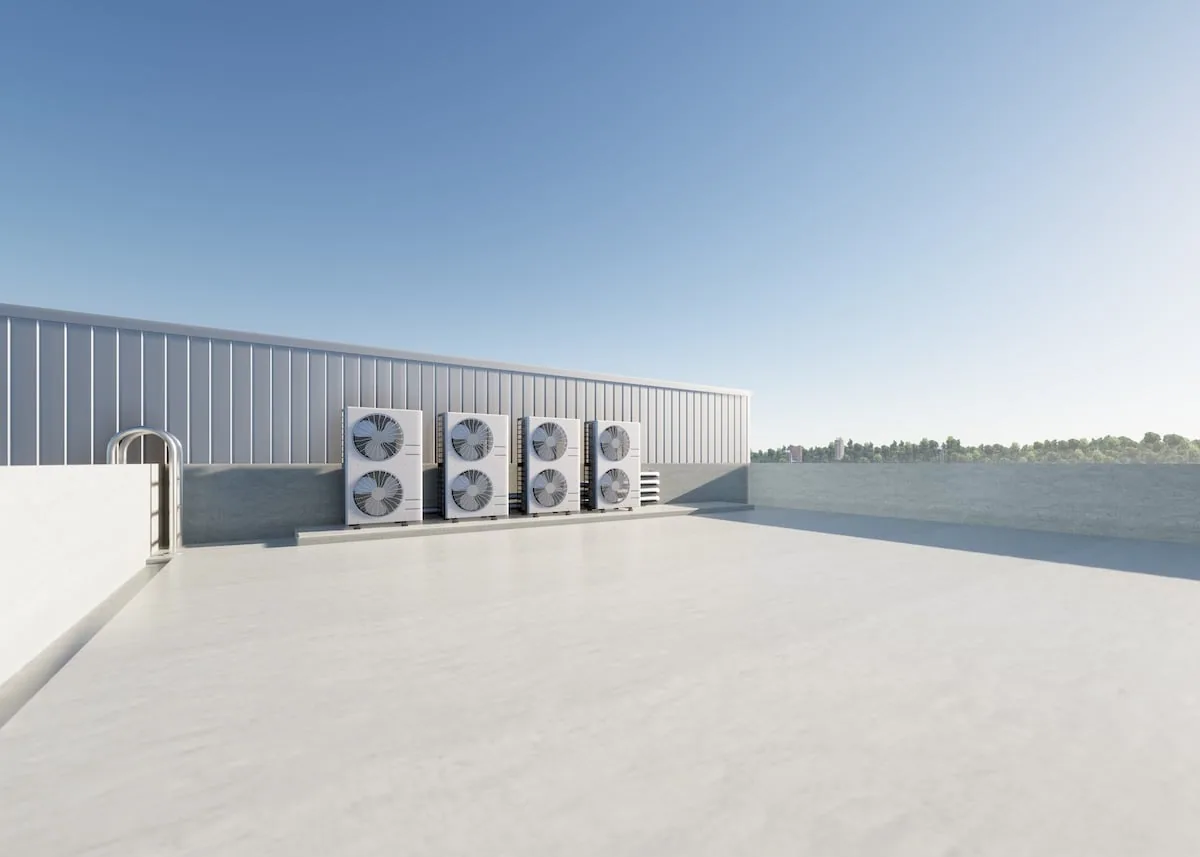
Step one is the mounts. Every post or standoff that goes through the roof is a new opening. Ballasted systems avoid some of them, but the weight sits on the membrane in a few narrow lines, and those lines press into the surface through every hot afternoon.

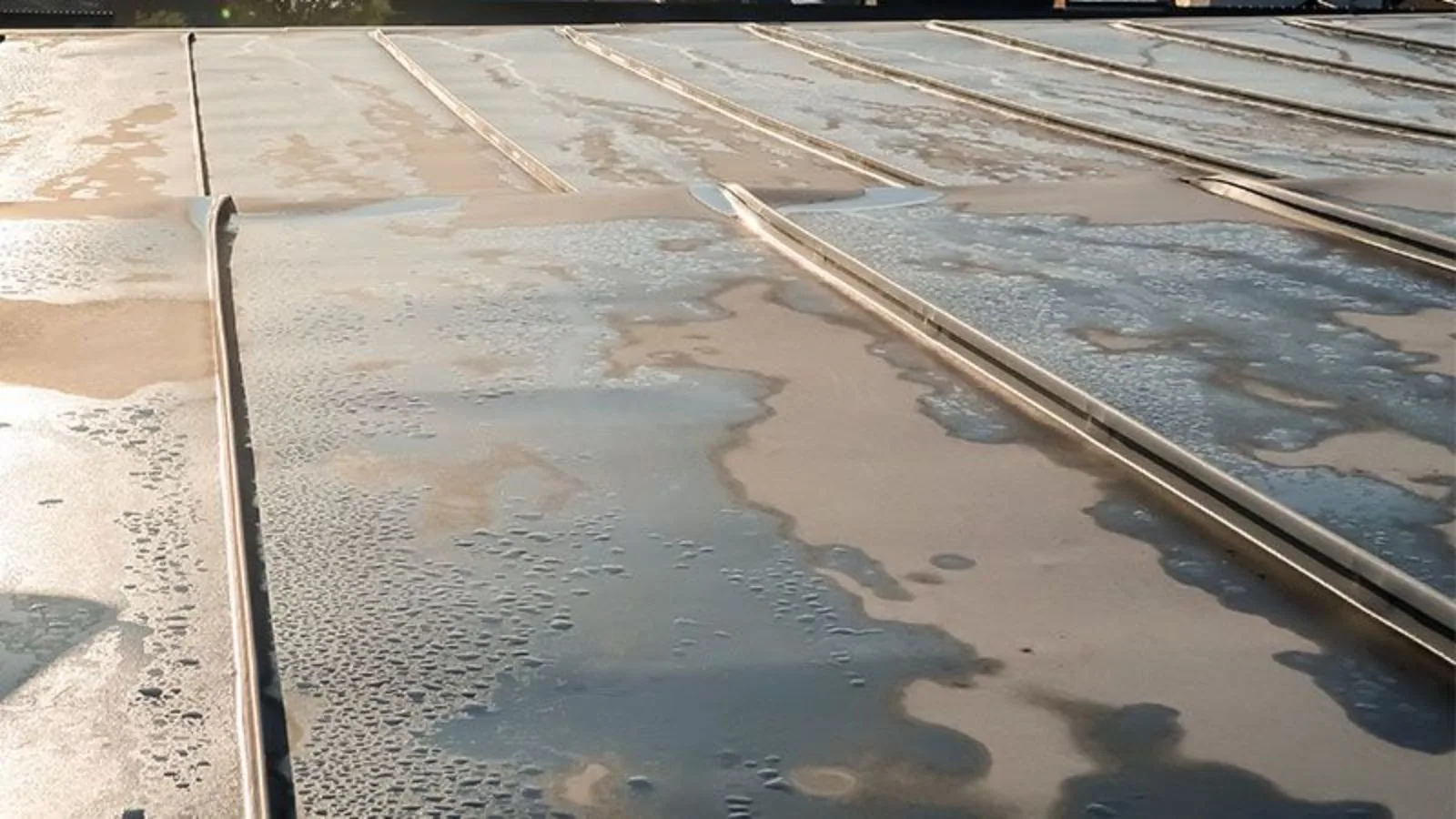
Step two is the shade. Panel shade can change surface drying and inspection access. We inspect actual deposits and drainage rather than assuming all shaded roofing stays wet. Meanwhile the open edge of the array runs hot, so the membrane just outside it sees a sharper swing.

Step three is the foot traffic. Installers and later technicians walk the same paths. A membrane that is already thin or brittle at those paths cracks, and the crack sits under or beside equipment that is expensive to move.

Step four is the drains. Rails and wiring can sit across a drain line or block a scupper. Water backs up behind the array, and the ponding the roof never had before begins.

Is the roof ready?

Before any layout is drawn, a roof should pass these checks:

  • The membrane is sound, with seams tight and no open flashing.
  • The insulation is dry, confirmed by a survey and not by guesswork.
  • The roof condition and expected array service period are compared, including future removal and reset planning.
  • Drains and scuppers are clear and sit outside the array footprint.
  • The deck and structure can take the added load, which is an engineer's call.
  • Walkway routes run from the roof access to the equipment and the array.

A roof that fails one item is not a lost cause. It is a repair list. A roof that fails the life test is usually better replaced before panels go up, since removing and resetting an array to reroof under it adds a second job to the first.

For roofs that look uncertain, an infrared moisture survey can contribute under suitable conditions, with confirmation and other assembly checks as needed, and the findings go into a baseline report the whole project can use.

Wind and wet on the Gulf

Wind and wet on the Gulf

A solar array changes the loads and wind exposure of the roof assembly. Its supports or ballast need a design coordinated with the structure and the roofing system. We identify where those components bear on the roof and which penetrations or protective layers are needed. The attachment arrangement must be evaluated for the actual project, including how it connects to the building below.

Milton showed how this goes. Its gusts reached 101 mph in parts of Pinellas County in October 2024, and the storm partly tore the translucent roof off Tropicana Field in St. Petersburg. When a mount or a ballast block lets go, the repair is a job for wind damage roof repair, and the array has to be worked around.

Then there is the calendar. The rainy season runs from late May into October, with storms on most summer afternoons. Panels shed that water in streams, and the roof drainage design must account for where that runoff lands.

Preparing the roof, in order

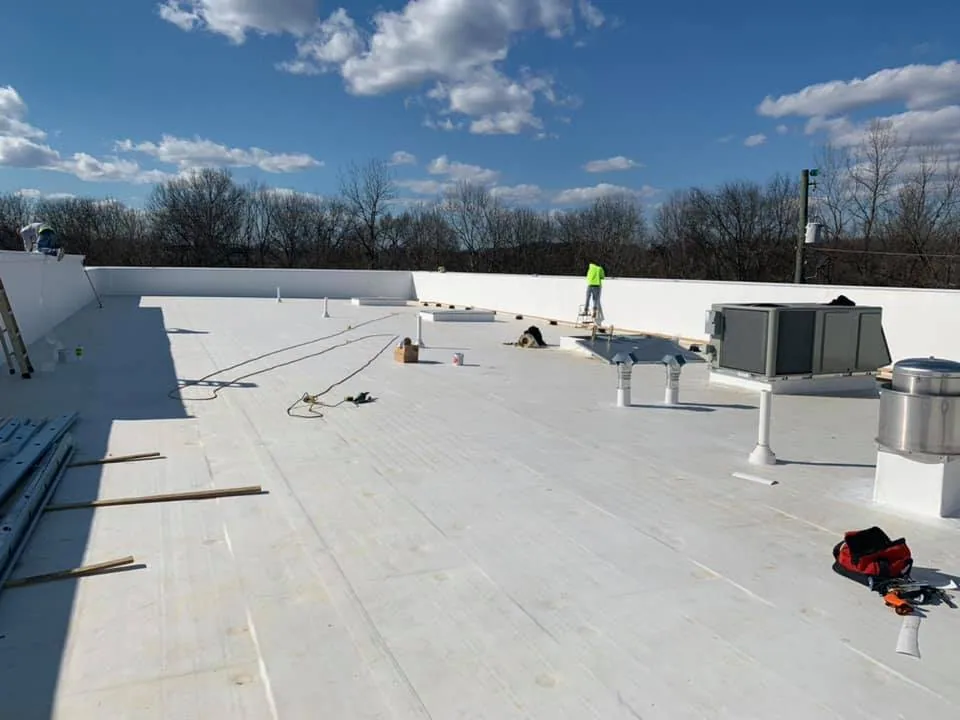
We start with a walk and a moisture check, because every later decision depends on what is under the membrane. Wet insulation comes out. Failed seams are welded or sealed. Old flashing around penetrations is replaced where it is tired.

If the roof is near the end of its life, we say so with photos, and we price a commercial roof replacement ahead of the array. Replacement can avoid later array removal when the existing roofing condition cannot support the proposed plan. On a standing seam metal roof the story changes: standing seam metal accepts seam clamps that grip the rib without drilling, which keeps the panels away from the weather seal.

We then plan the details that the solar installer needs. Penetrations get proper flashing or a sealed pocket. Ballast sits on protection pads. Walkway pads mark the paths. Drains stay clear, and the array keeps its distance from the roof edge, where wind loads are highest.

Last comes paperwork. Manufacturers set the conditions for warranties when others work on the roof, and we coordinate with the installer so every penetration is documented. That is a large part of roof warranty management.

When the panels have to move

When the panels have to move

Eventually something under the array needs work. A leak, a new penetration or a reroof means the panels come off, wait somewhere safe and go back on. Plan for it from the start. Leave access aisles, keep the wiring labeled, and pick a layout that can be shut down in sections.

Before a named storm, the question is whether the array is still fastened the way it was designed. Loose ballast, missing clamps and slipped mounts are the failures to look for afterward. A walk with photos right after the storm shows what moved, and our crews answer storm calls around the clock.

Strip centers and big-box retail stores line the US 19 corridor, and an industrial park sits on the grounds of St. Pete-Clearwater International, the Airport Industrial Park. Each building has its own structure, its own equipment and its own storm history, so each gets its own plan. A yearly review under preventive roof maintenance keeps the surface under the panels in view.

Commercial Roofing Questions

Should we replace the roof before putting panels on it?

Compare present roof condition with the array's service planning before installation. Pulling panels to reroof underneath adds a second crew, a second schedule and electrical shutdowns. A roof with a few years of life but dry insulation can sometimes be repaired and coated instead, so a moisture survey comes before the verdict.

Can solar go on a standing seam metal roof without drilling?

Often. Seam clamps grip the raised rib, without roof-sheet penetrations where the engineered system and compatible seam profile permit. The panel profile and the clamp must match, and the clamp rating must fit the wind load. We check seam condition, fastener lines and panel gauge before the clamps go on.

Does adding panels void the roof warranty?

The particular warranty document establishes the requirements. We review approval, inspection and alteration conditions with the owner before a mounting detail is committed. We read the warranty first, flash the penetrations to the manufacturer's detail, and keep a record of every one.

What happens to the array when the roof under it leaks?

Panels come off, in sections where the layout allows. The electrician disconnects, we repair or replace the membrane beneath, and the panels go back on. A layout with aisles and labeled strings makes the job small. A packed layout makes it large.

How do ballasted arrays hold up in a hurricane?

Ballast alone is not the full answer. Designers combine weight, wind deflectors and sometimes tie-downs, evaluated for the actual building, location and applicable design requirements. A qualified designer must establish those loads rather than select them from roof use alone. We inspect the roof edges and the ballast pads after a storm, since a shifted block can damage the membrane under it.

Check the roof before the rails

Send photos of your roof or book an inspection. We will check moisture, seams and drainage, show you what we find, and explain what the roof needs before a solar installer starts.

Request a Roof Assessment   or call 555-555-5555

Call555-555-5555