Hand over the questions as well as the findings
The property team needs to know what was inspected, what was found and what remains unresolved. Include the accessible sections, marked photographs and the work recommended for each condition. Keep access limitations beside the relevant finding.
For a building in the US 19 commercial corridor, send the available roof records and the timetable for access. We can agree on the survey scope and explain which additional checks may be needed. That helps the team use the available visit for the questions that matter.
After the survey, new equipment plans or further access can change the roofing scope. Keep those developments connected to the original findings rather than relying on an early inspection as a description of work it never examined.
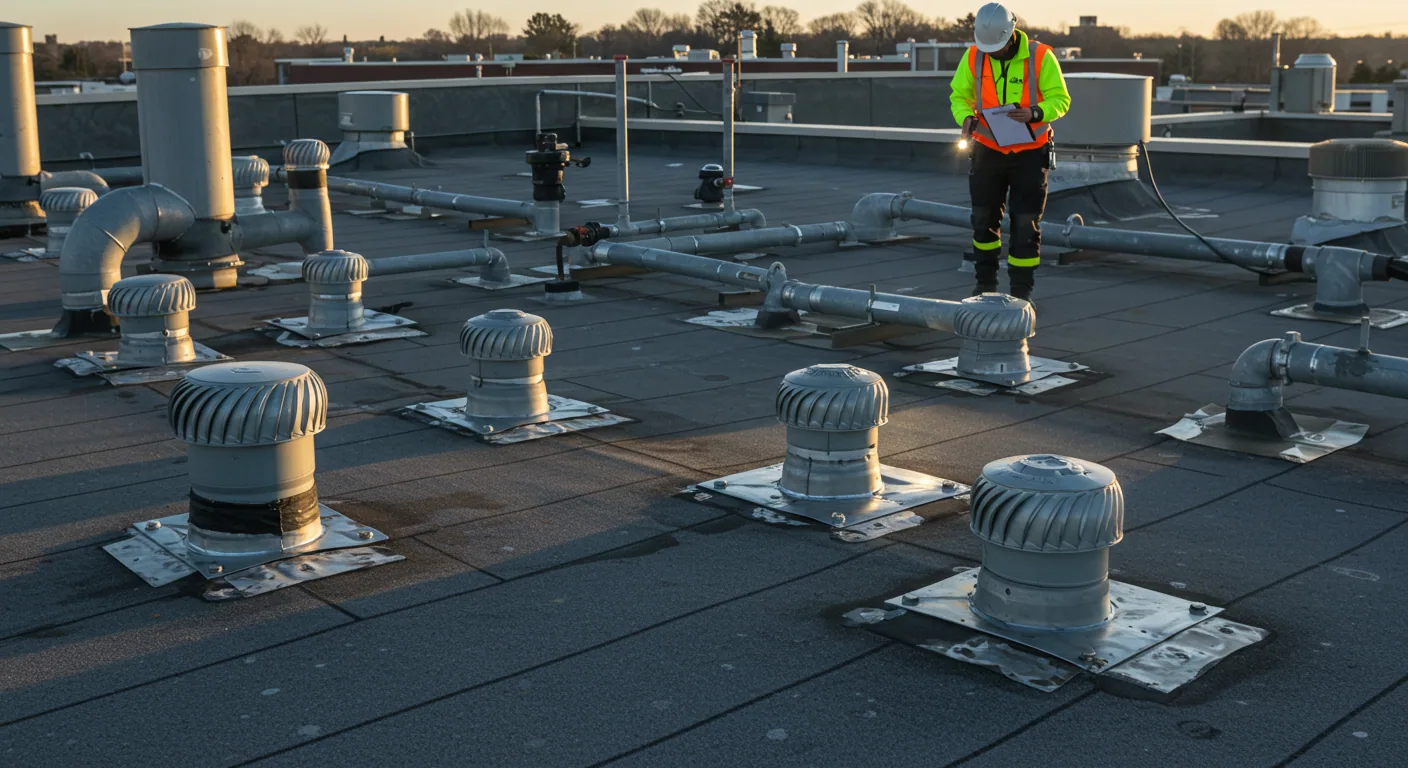
A survey should leave the buyer with both findings and unanswered questions. We distinguish accessible visual observations from conditions that need a test opening, tenant access or structural review. If rooftop equipment is planned, the report can flag where supports, clearances or flashing will need design before installation. It should not convert an uncertain concealed condition into a precise replacement area. The buyer can then weigh immediate leak control, further investigation and longer-term capital work with a clear understanding of the evidence behind each step.
Commercial Roofing Questions
The seller says the roof was replaced recently. What do you need to check?
The installation records and visible assembly need to agree. We identify which sections were involved, examine their condition and review the available warranty documents. A recent date does not settle the condition of older sections or connections altered after the installation.
Can you survey the roof if we cannot enter the tenant spaces?
Exterior access can still provide useful findings, but the limits belong in the report. Without interior access, we cannot compare all ceiling damage or leak reports with the roof layout. We explain which questions remain and what a later interior visit could help resolve.
Does a moisture scan establish the full replacement area?
An indication on the scan needs to be interpreted against the roof assembly and confirmed where appropriate. We use further investigation to distinguish suspect areas from confirmed wet materials. The repair or replacement scope should follow those findings, rather than treating a thermal outline as the final work boundary.
What if we want to add rooftop equipment after taking over the property?
Identify the planned locations during the survey. We examine the nearby assembly, flashing and drainage, then explain which roofing details need coordination with the equipment design. New loads and supports also need the appropriate structural review; the roof survey does not establish equipment capacity by itself.
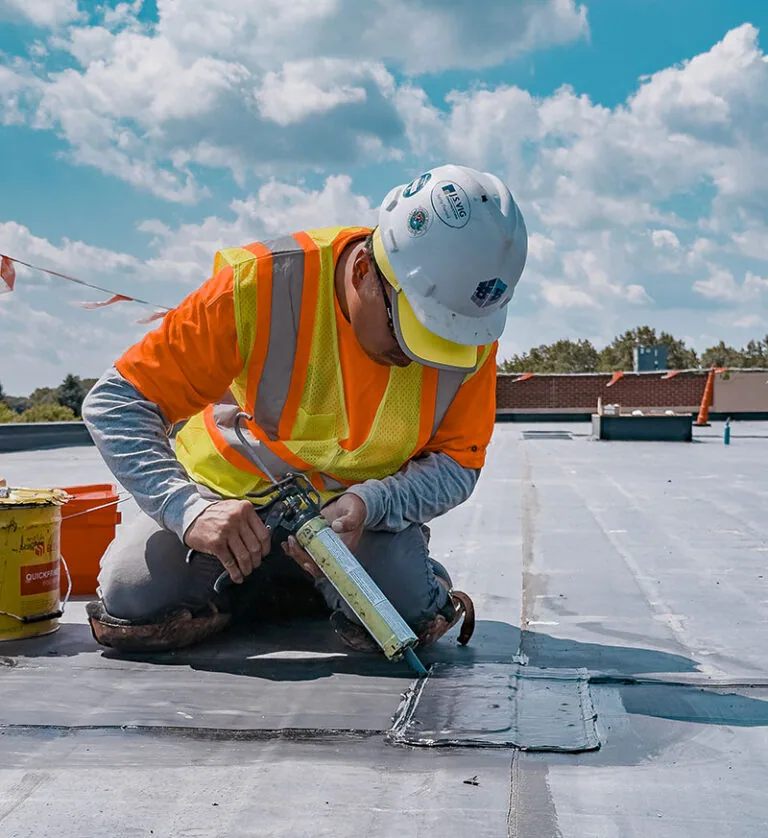
Can the survey provide a repair plan without assuming the whole roof needs replacement?
Defined defects can be separated from broader condition concerns. We mark the repairable details and explain which areas need further investigation or larger work. The result gives the property team specific next steps instead of reducing the roof to a single age-based replacement recommendation.