Use workable preparation conditions
Surface work needs suitable cleaning, drying and application conditions. Clearwater's wet-season rain can interrupt that sequence. We explain the requirements for the selected material and arrange the daily work so preparation is not left exposed beyond a workable window.
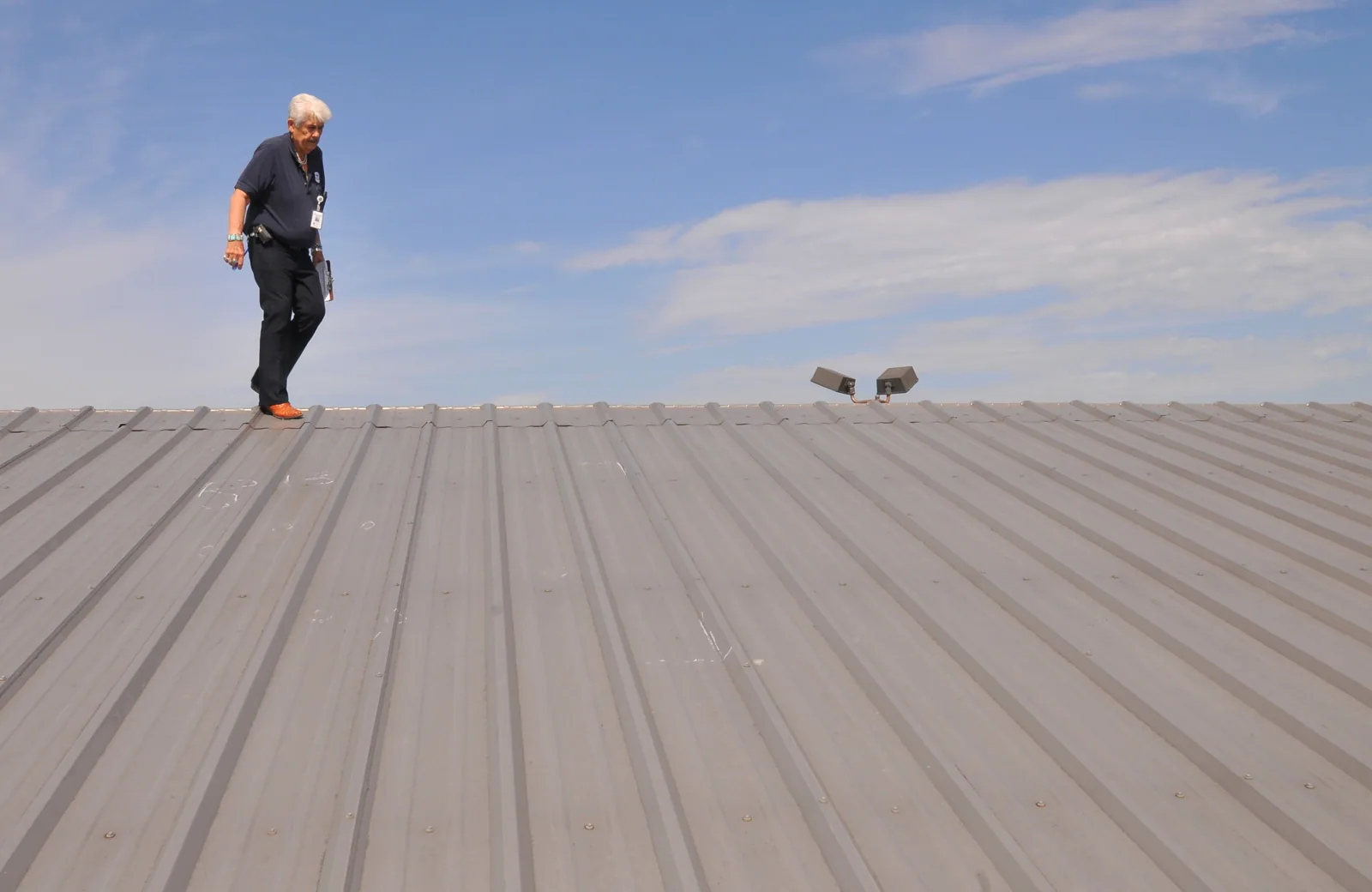
Roof use matters after the repair too. A maintenance plan for the repaired surface can check developing cracks, debris and damage from equipment access. Service routes should protect compatible material without concealing details that still need inspection.
Cost follows repair extent, surface preparation, hidden moisture, old treatment removal and access. Broad deterioration may justify a larger project when local connections cannot be made to sound material. Emergency help is available at night, on weekends and during holidays if an opening starts admitting water. Send safe photos and any earlier coating records. We will inspect the surface and explain the options supported by its condition.
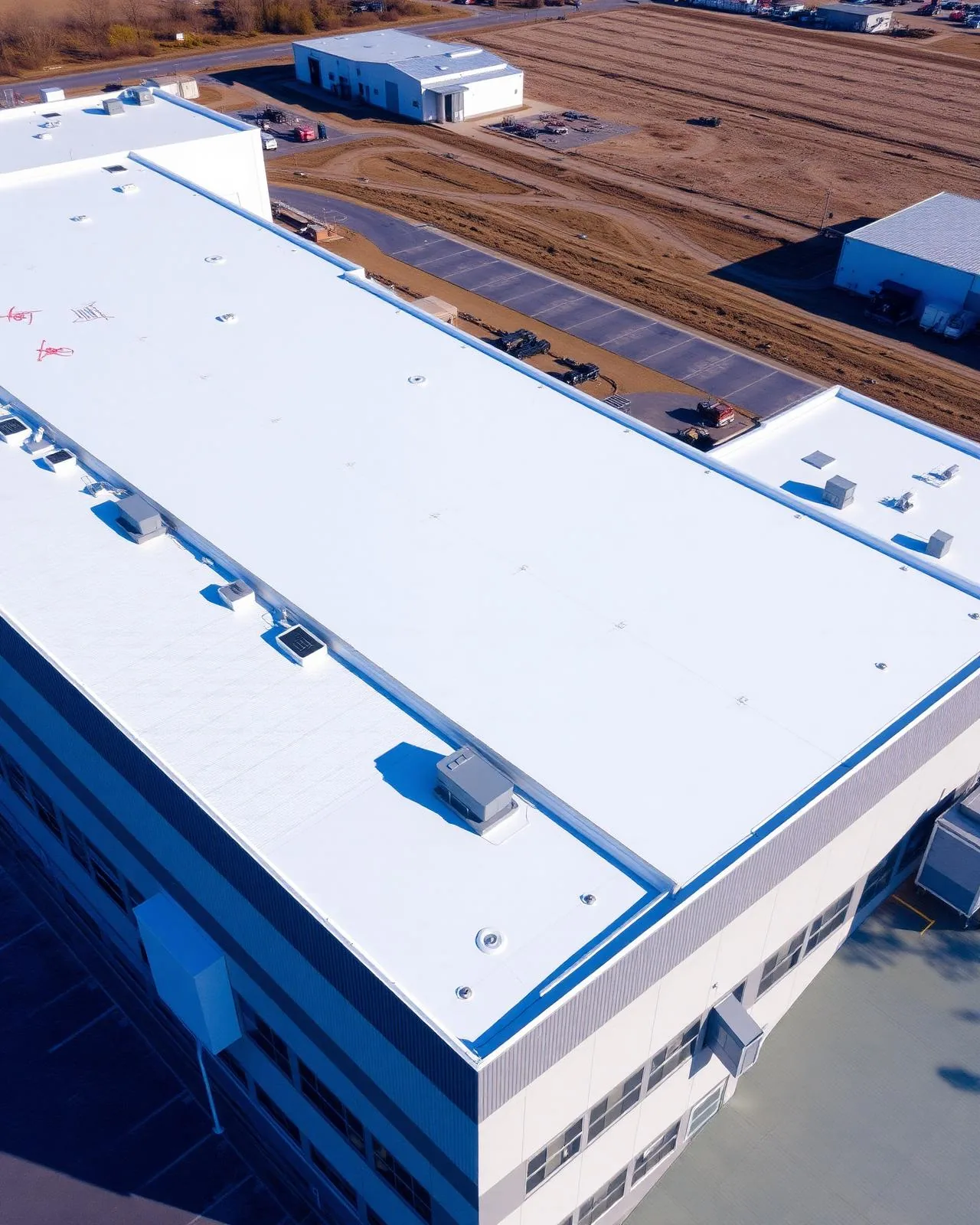
Sun exposure can change a surface, but color alone does not show whether the waterproofing has failed. We look for brittle or cracked membrane, exposed reinforcement, shrinking seams and deterioration at flashings, then compare those signs with moisture and drainage conditions. A reflective coating can be considered only after the substrate and retained assembly are suitable. It cannot dry wet insulation or bridge a moving joint that needs repair. The inspection also distinguishes exposed roof areas from shaded sections, since they may weather differently and require separate preparation or treatment before a consistent restoration can be specified.
Record the repair date and tested area beside the roof plan. That gives maintenance staff a clear starting point for the next inspection.
Commercial Roofing Questions
The roof changed color. Does that mean sunlight damaged it?
Color alone is not enough to establish damage. We inspect the material and details, identify earlier treatments and explain which physical signs support a repair recommendation.
Can a coating be applied before the cracked flashing is rebuilt?
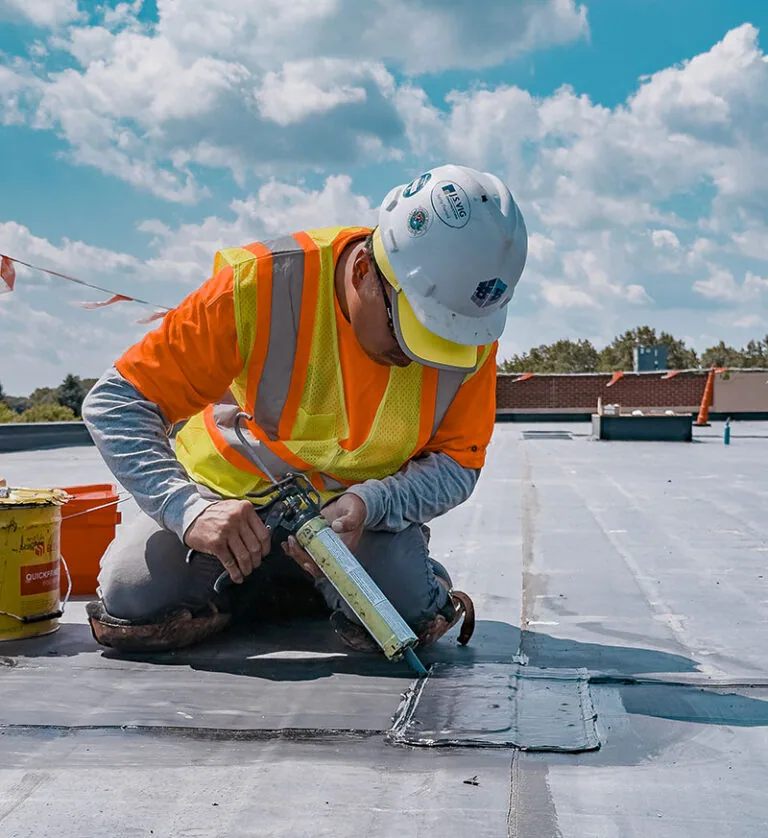
Detail correction belongs in the preparation sequence. We inspect the connection and identify the compatible repair needed so the coating is not asked to bridge an unfinished defect.
Will a reflective surface correct wet insulation?
Surface reflectivity does not remove hidden water. We investigate suspect moisture and explain the affected material removal before considering restoration.
Should protected and exposed roof areas receive the same repair?
Their actual condition guides the scope. We compare the material and connected details in each area so sound sections and deteriorated ones are not treated as interchangeable.
What records help evaluate an older coating?
Product information, application records and earlier repair photos provide context. We compare them with current condition and suitable checks before deciding whether another treatment can bond to the existing surface.