Soprema Commercial Roofing in Clearwater, FL

Soprema roofing in Clearwater begins with lap, flashing and moisture checks. We explain bituminous, PVC and liquid-applied options for the actual roof assembly.

A layered roof can leak where flashing has cracked at a wall transition. The horizontal surface remains intact, but the upright connection has lost its seal. Rain gets behind the detail and reaches the layers. A surface coating alone does not recreate the damaged transition.

Soprema commercial roofing in Clearwater, FL starts with the installed system and the failed connection. Soprema supplies SBS-modified bitumen, PVC roofing and liquid-applied materials, along with insulation and coatings. We identify the assembly before considering which repair or renewal process is suitable.

Several product families can address different building needs. Their availability does not make them interchangeable over existing damage. We inspect the roof, investigate suspect layers and explain the scope supported by those findings. The decision begins with what needs correction on the building.

Find the upper limit of the failure

Find the upper limit of the failure

A crack beside a parapet can involve the flashing material, its termination or movement at the junction. We examine accessible details above and below it. Water entering behind the upper termination can bypass a repair applied only at the base.

For wall flashing corrections, the repair needs a suitable connection to sound retained material. Damaged supporting layers can expand the task. We explain whether the scope rebuilds a limited detail or requires removal of a wider affected area.

A moving joint deserves a detail that accommodates that movement. Repeated rigid patches can split again along the same line. We identify the relationship between the connected building parts before selecting material or presenting another broad patch as the answer.

Inspect the reinforced layers

An SBS-modified bitumen assembly has layered connections whose condition matters as much as the exposed surface. We inspect laps, flashing and prior repairs. Loose or unsuitable retained material needs evaluation before additional material is installed over it.

Our work on SBS-type modified bitumen roofing follows the installed assembly and applicable product requirements. Preparation and joining methods vary with the selected components. We explain the process required for the actual repair rather than assume every asphalt roof uses the same installation method.

Moisture beneath a sound-looking surface changes the proposal. Investigation establishes material needing removal and supporting condition where accessible. A new cap or flashing layer should not hide insulation that cannot remain. The visible repair and the concealed damage belong in one decision.

Prepare the substrate before liquid work

Prepare the substrate before liquid work

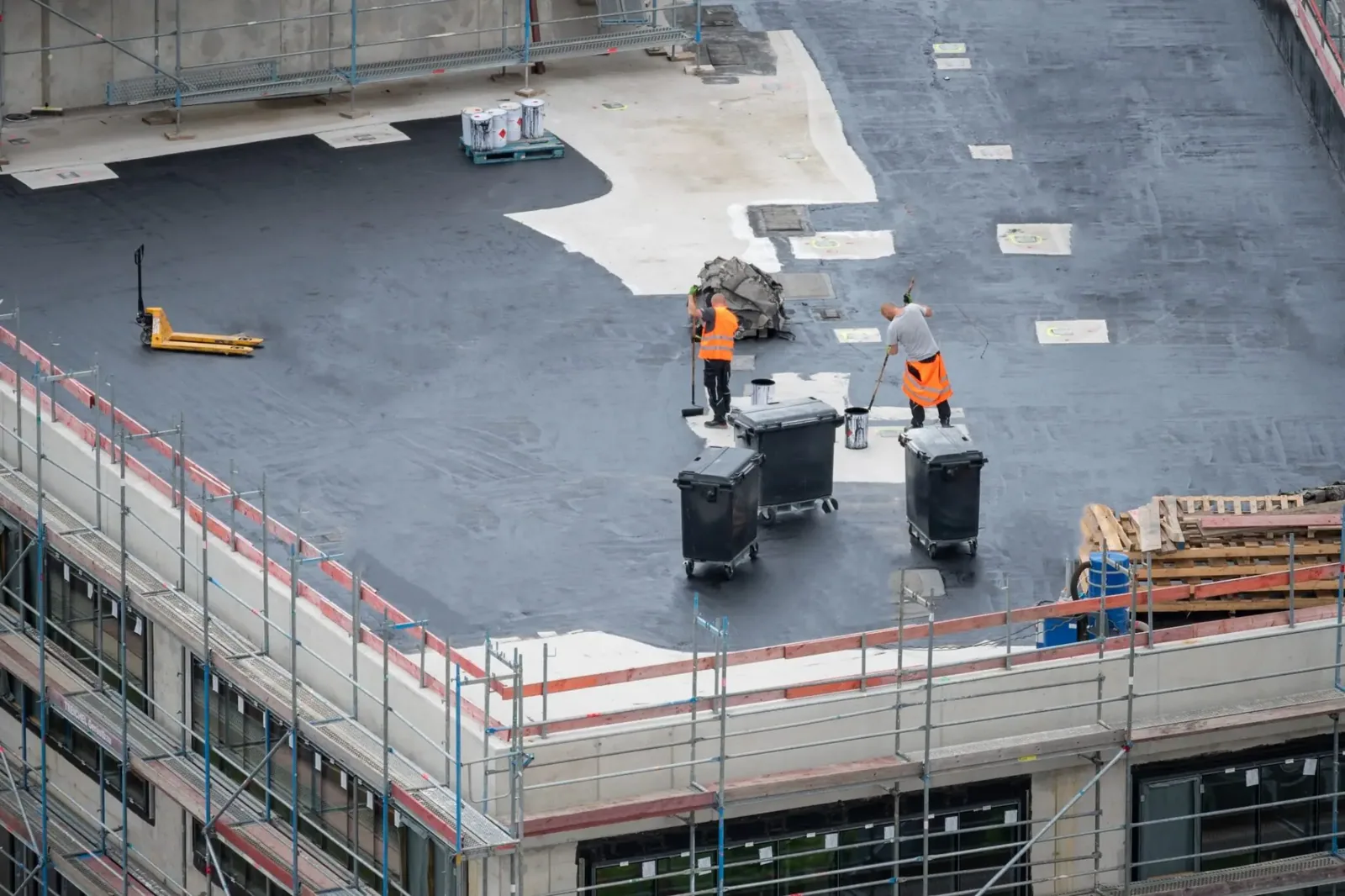
Liquid-applied material needs a suitable substrate and a detail designed for the connection. Surface preparation, compatibility and required reinforcement cannot be skipped because the shape is awkward. We review those requirements before proposing liquid work around equipment or complex transitions.

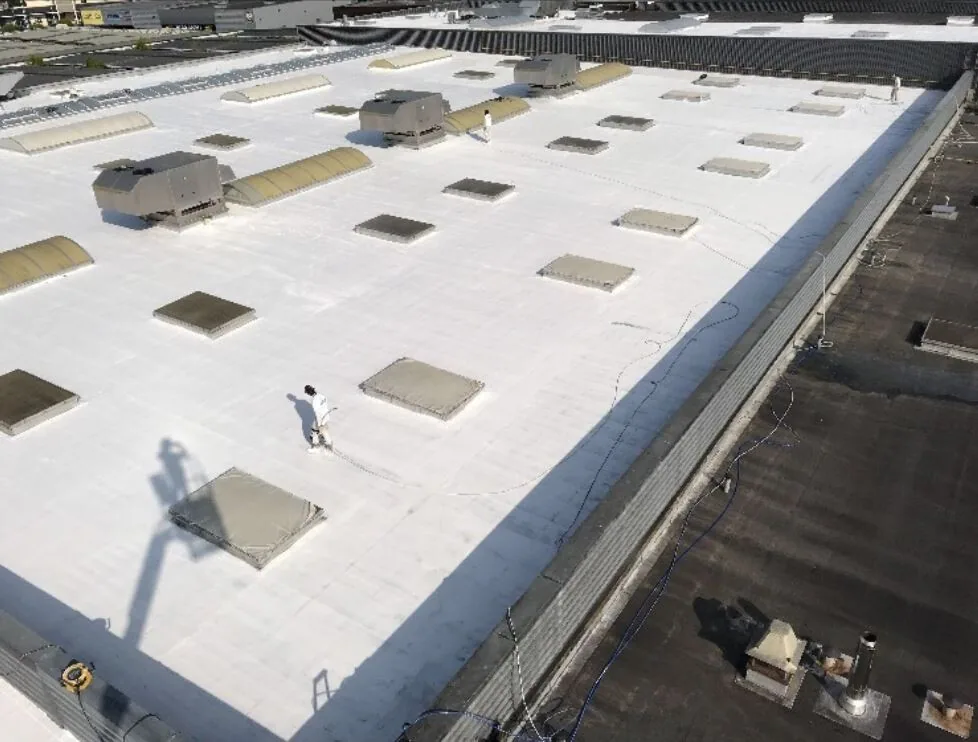
Through roof restoration evaluation, we distinguish suitable surface renewal from structural or moisture problems. Coatings do not dry trapped insulation, secure loose supports or create drainage slope. Defects needing separate repair are identified before restoration is priced.

Soprema's PVC offerings present another membrane option, with their own compatible details. We evaluate the complete assembly and proposed work, including attachment and insulation. Changing the exposed material does not eliminate correction of the existing layers or supporting condition.

Inspect the actual addition and opening

Downtown Clearwater has historic and institutional commercial buildings, including the Clearwater Bank Building and Fort Harrison Hotel. Those structures provide context for careful assembly identification in the district. They do not establish the roof type or supporting condition of another property.

For work in Downtown Clearwater, we review the actual material handling route and occupied spaces below. A constrained approach can change removal and delivery methods. The roof detail still needs a suitable correction regardless of access limitations.

US 19 has commercial buildings through Clearwater and nearby communities. A roof above adjoining tenants can include later penetrations and changes in height. We inspect those connections with permission and follow drainage across the relevant roof area instead of stopping the review at an interior lease line.

Clearwater's summer rain repeatedly tests laps and transitions. We discuss the daily weather protection needed for removal or material application. A usable opening must allow closure within safe conditions, not simply fit the start time preferred by the business.

US 19 also passes through Largo. For a connected commercial property there, the inspection follows the roof assembly and shared runoff rather than assuming every tenant has an independent roof.

Compare preparation with replacement

Compare preparation with replacement

A limited flashing failure may be repaired where surrounding layers are sound. Broader moisture, repeated splits or poor tie-in material can justify renewal of a larger section. We show the inspected defect and explain what additional findings change the removal boundary.

Our roof layer replacement work identifies damaged insulation and required supporting corrections. The new assembly needs attachment and edge details suitable for the applicable building requirements. Product choice follows that full evaluation.

Price reflects surface preparation, damaged material, access and equipment coordination. A complicated curb junction can require substantial detail work within a small area. We identify that labor instead of assuming the roof area alone describes the cost.

Roof records and issued warranty documents are compared with the proposed work. Our roof warranty record review keeps reporting requirements and repair details together. A manufacturer name does not establish coverage or approval for the selected correction.

Comparisons with Johns Manville layered systems or Sika membrane assemblies need the same attention to the building. The proposed product family, preparation and complete scope should be clear enough to explain what each alternative accomplishes.

Finished photographs record repaired transitions and remaining concerns. Keep them with equipment changes and inspection records. A later crack or water report can be compared with the completed connection, making the next investigation more specific than another patch requested somewhere along the wall.

Liquid-applied components can help detail irregular transitions, but their performance depends on preparation and the condition of the material beneath them. We identify the membrane and prior coating, remove material that cannot provide a sound bond and check whether trapped moisture or movement is causing the split. A liquid treatment should not conceal failed insulation or an unsupported flashing edge. The repair record names the prepared area and the adjoining tie-in, while the scope notes any surface conditions that could change the work after opening. That gives the owner a reasoned comparison with rebuilding the detail or replacing a larger section.

Commercial Roofing Questions

Can a liquid-applied detail repair an awkward curb shape?

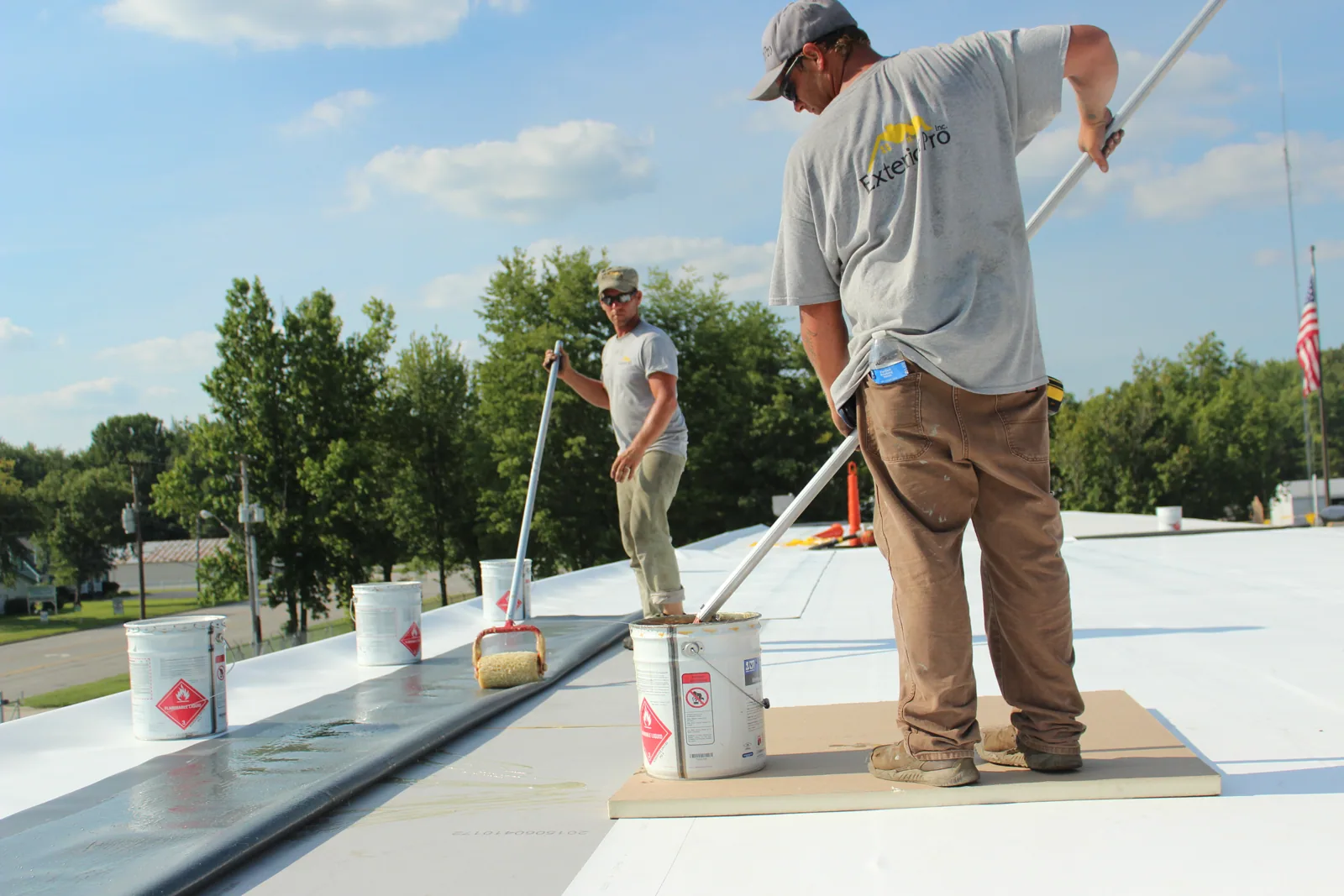
A suitable substrate, compatible components and proper detail can support that option. We examine the connection and preparation needs first. Liquid material alone does not resolve loose support or wet layers beneath the roofing.

Does cracked wall flashing require replacing the entire layered roof?

Limited damage and suitable retained material can permit a local correction. We inspect the termination, movement and moisture condition before defining that boundary. Findings beyond the flashing can require a larger scope.

Can an existing coating stay beneath the new repair?

Compatibility and bond suitability determine retention. We evaluate the surface and product requirements before applying another material. Unsuitable layers may need removal so the new connection reaches an appropriate substrate.

Why investigate insulation before adding another cap layer?

The surface cannot establish that concealed insulation is dry and suitable. Confirmed damage needs correction before renewal. We explain the investigation and how its findings affect removal and the proposed assembly.

Can storm-damaged flashing receive assistance during a holiday?

Emergency roofing calls remain available through holidays and overnight periods. We examine safe access and weather before immediate measures. Temporary protection is separated from the permanent detail and layer repairs supported by inspection.

Send the wall transition and roof history

Book an inspection or share safe photographs and repair records. We will explain the Soprema system options and the preparation your roof needs.

Request a Roof Assessment   or call 555-555-5555

Call555-555-5555