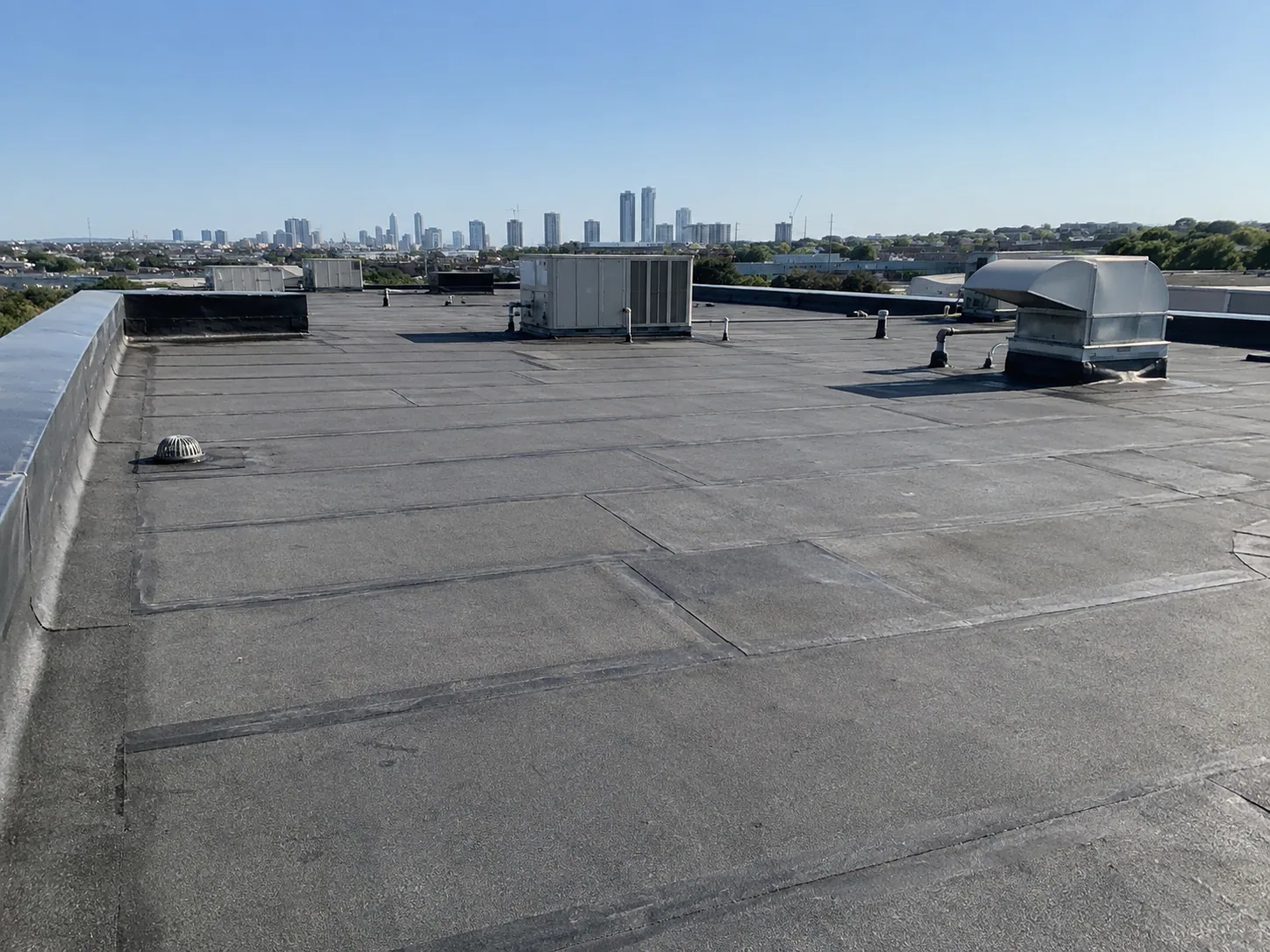
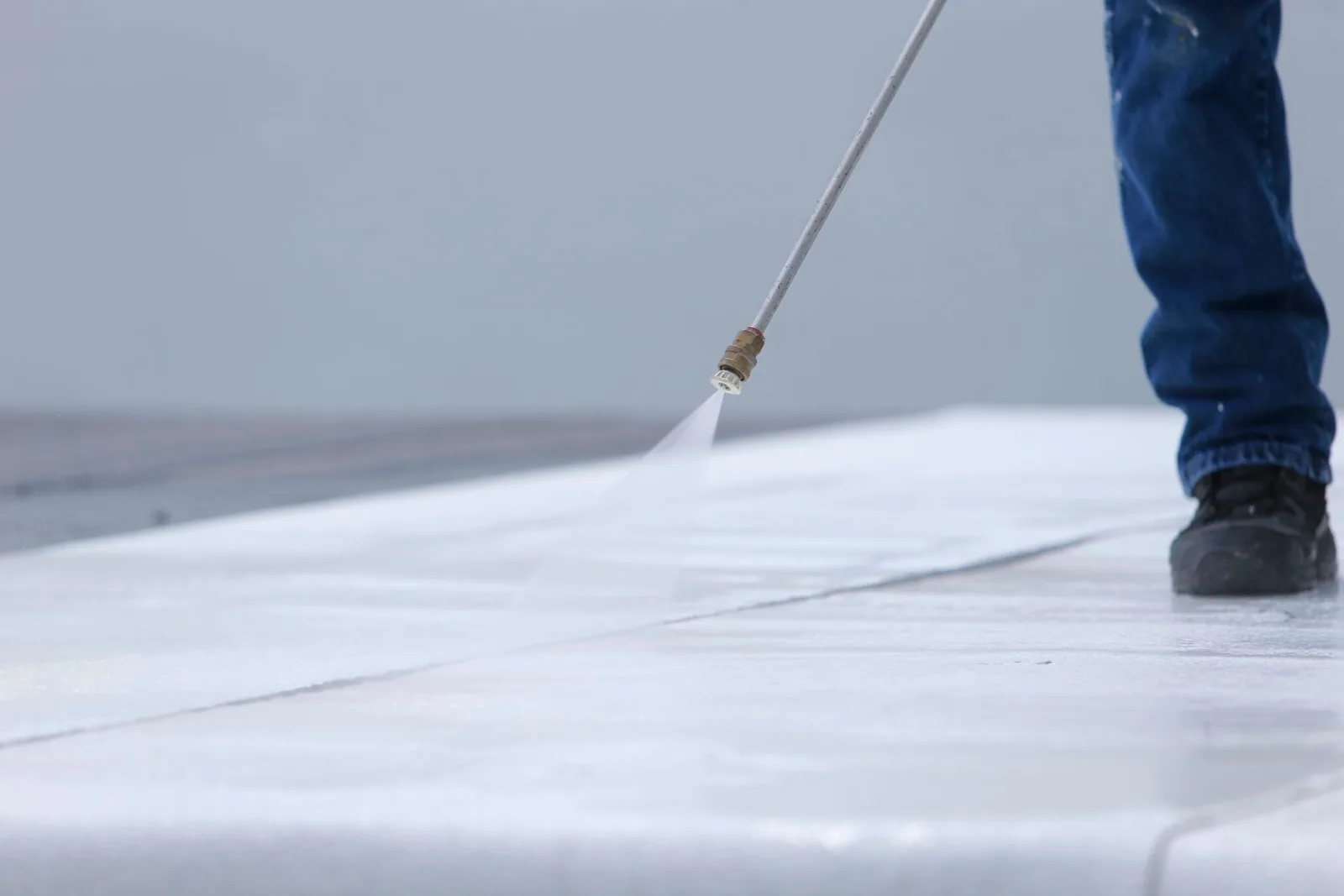
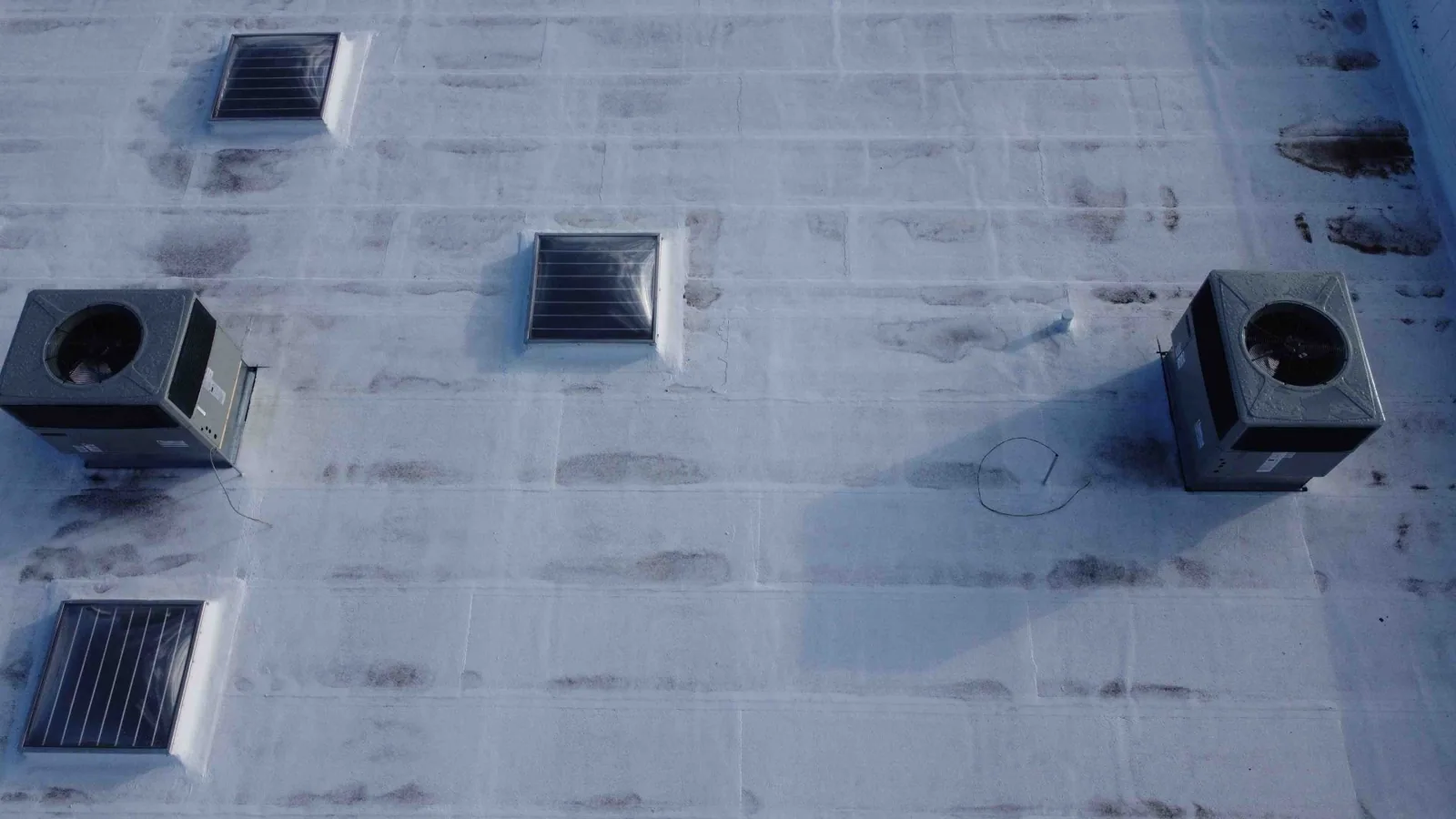
A local welded repair can be practical where compatible sound sheet remains. Repeated seam defects, broad moisture or inadequate tie-in areas can justify a larger project. We show the findings behind that recommendation rather than assume replacement from the manufacturer name.
The replacement scope identifies insulation, attachment, membrane and flashing. Cost changes with removal, supporting repairs, equipment moves and access. A constrained occupied work period can also change the sequence. Those tasks need explanation alongside the selected sheet.
Comparing Duro-Last PVC roofing options and GAF thermoplastic systems requires a complete assembly comparison. The available materials may suit different proposals, while your drainage, support and interior protection remain necessary considerations.
Issued roof warranty documents need review before work is undertaken under their requirements. The membrane identity does not establish the applicable reporting procedure or coverage. Keep those documents with the condition findings and proposed repair details so the work can be evaluated against the actual property record.
After installation, the manager receives the repair locations and finished detail photographs. Future equipment service should be compared with that record. A new opening, damaged service route or changed discharge can create a different defect. Retain remaining concerns separately so completed work does not obscure an area still awaiting investigation.
On a PVC roof, the visible sheet thickness and joining method both affect repair preparation. We inspect the existing seam, prior patches, flashing and attachment before deciding where to tie in. Heat welding can restore a compatible thermoplastic connection, but surface contamination, age and underlying movement still matter. If water is reported near a seam, check nearby skylight curbs and drains as well; the shortest distance to a ceiling stain is not proof of the entry point. The report identifies the tested area and any section that needs further access.
Record the seam test location and result in the closeout file. Later repairs can use that point of reference.