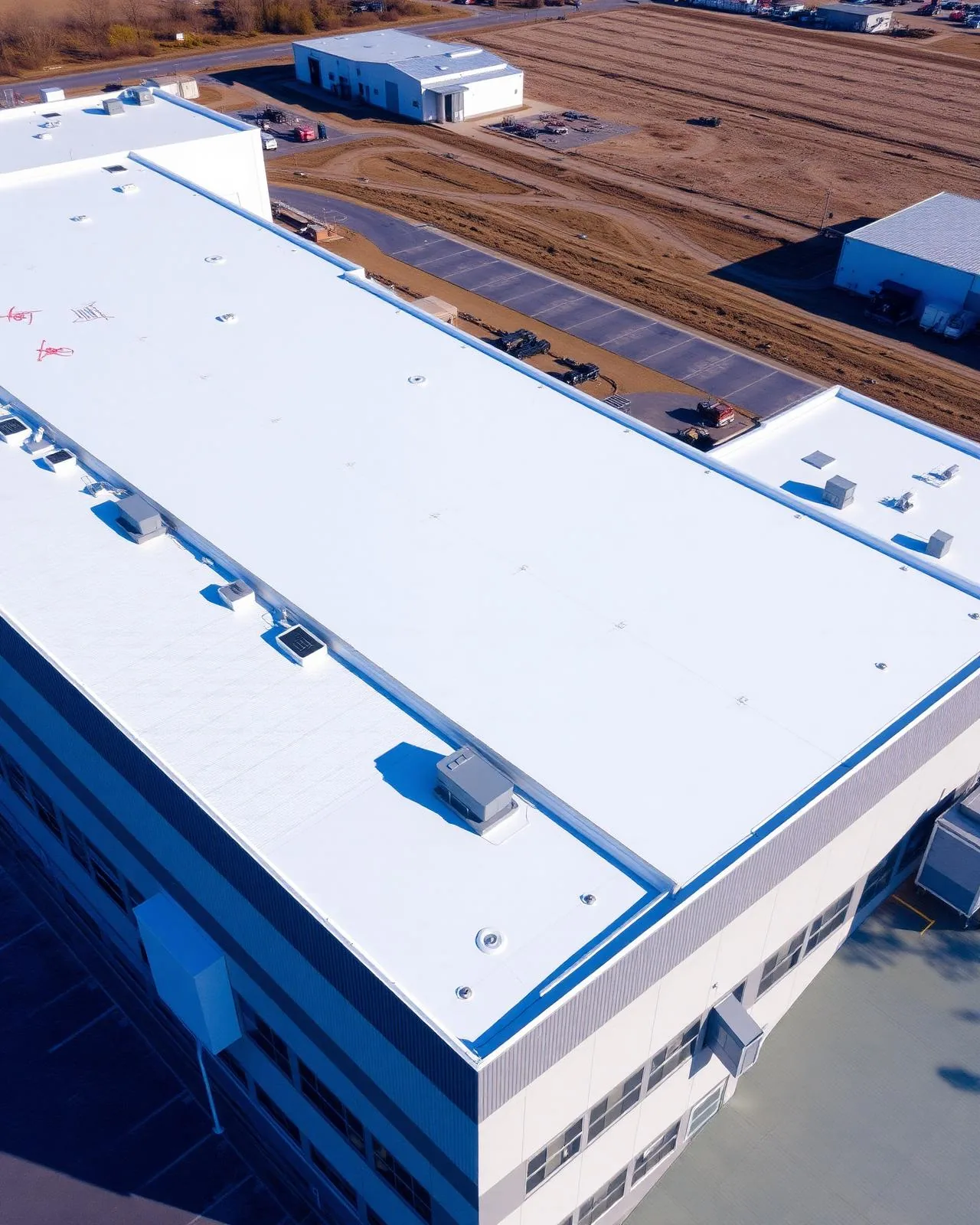
Cool Roof Installation in Clearwater, FL

Reflective cool roofs for Clearwater, FL buildings: white single-ply, coatings and reflective metal, matched to heat, humidity, ponding and hurricane wind.

A reflective roof can lose surface performance as dirt and weathering change its finish. The material can start out bright white and lose some reflectance as deposits and weathering accumulate. Here is why. A cool roof works by bouncing sunlight away before it becomes heat, and by letting the heat it does absorb escape again. Dirt, mildew and the film left by standing water coat the surface and can reduce solar reflectance. Thermal emittance is a separate product property; surface appearance alone does not quantify either one.

So choosing a cool roof in Clearwater, FL is really two choices. One is the reflective material. The other is how the roof will be kept clean, dry and sound underneath it.

Why white turns gray

Why white turns gray

Step one is dirt. Wind carries dust, soot and pollen onto a flat roof, and rain does not wash a low-slope surface as well as it washes a steep one. The film builds in the corners and along the edges first.

Step two is growth. Humid air plus a daily afternoon shower is ideal for mildew and algae. The dark spots spread, and each one absorbs sunlight instead of reflecting it.

Step three is ponding. Water that sits for a day or more leaves a ring of residue, then a stain, then a patch of growth. A cool roof with poor drainage ends up with a map of its own puddles printed across it.

Step four is wear. Coatings chalk and thin under ultraviolet light, and membranes lose their top finish at seams and at foot-traffic routes. These signs need inspection of both surface condition and waterproofing. Their effect on energy use depends on the material, insulation and building operation.

Heat, humidity and the code

The county falls in Climate Zone 2A under the energy code, the hot-humid band, and its roofs are designed for that. Tampa Bay summer highs run in the low 90s, and the sun is strong enough that a dark membrane can feel like a stovetop underfoot. Air conditioning is a year-round expense for much of the county, so the roof surface has a direct line to the utility bill.

The energy code is the first thing we check. Florida's 2023 energy code lets a project comply through either the IECC or the ASHRAE 90.1 route, and the route chosen can set what the roof surface and the insulation under it must do. Each project also needs a City of Clearwater roofing permit with a Product Approval sheet for the exterior products.

A reflective covering still needs an attachment design for the building. Solar reflectance describes a surface property; it does not establish how the membrane, insulation or edge resists uplift. We specify the reflective material within the required assembly so the thermal decision and the structural attachment are both resolved before installation.

Three ways to a reflective roof

Three ways to a reflective roof

Most reflective roofs reach the same goal by one of three routes:

  • A white or light-colored single-ply membrane, such as TPO, installed as the new roof.
  • A liquid coating over a sound existing roof, which is the idea behind roof coating restoration.
  • A reflective finish on a metal roof, either factory applied or field applied.

Coatings split further. Silicone may suit certain standing-water exposures when the selected product permits them. Acrylic requires suitable drainage and application conditions. Price varies with product and scope. Both can turn an old gray roof into a reflective one, if the roof underneath is dry.

That condition is the catch. Confirmed wet insulation needs correction rather than concealment below a reflective finish. Where the assembly and conditions permit, we use an infrared moisture survey with suitable confirmation before defining wet-material removal, and often add a firm cover board during roof insulation and cover board work so the new surface lies flat.

Where cool roofs disappoint

Three patterns repeat. The first is a cool coating sprayed over a roof that should have been replaced. Concealed moisture can affect adhesion and the assembly beneath the treatment. The second is a white membrane on a roof with no slope plan, so every low spot becomes a gray ring. The third is no maintenance plan at all.

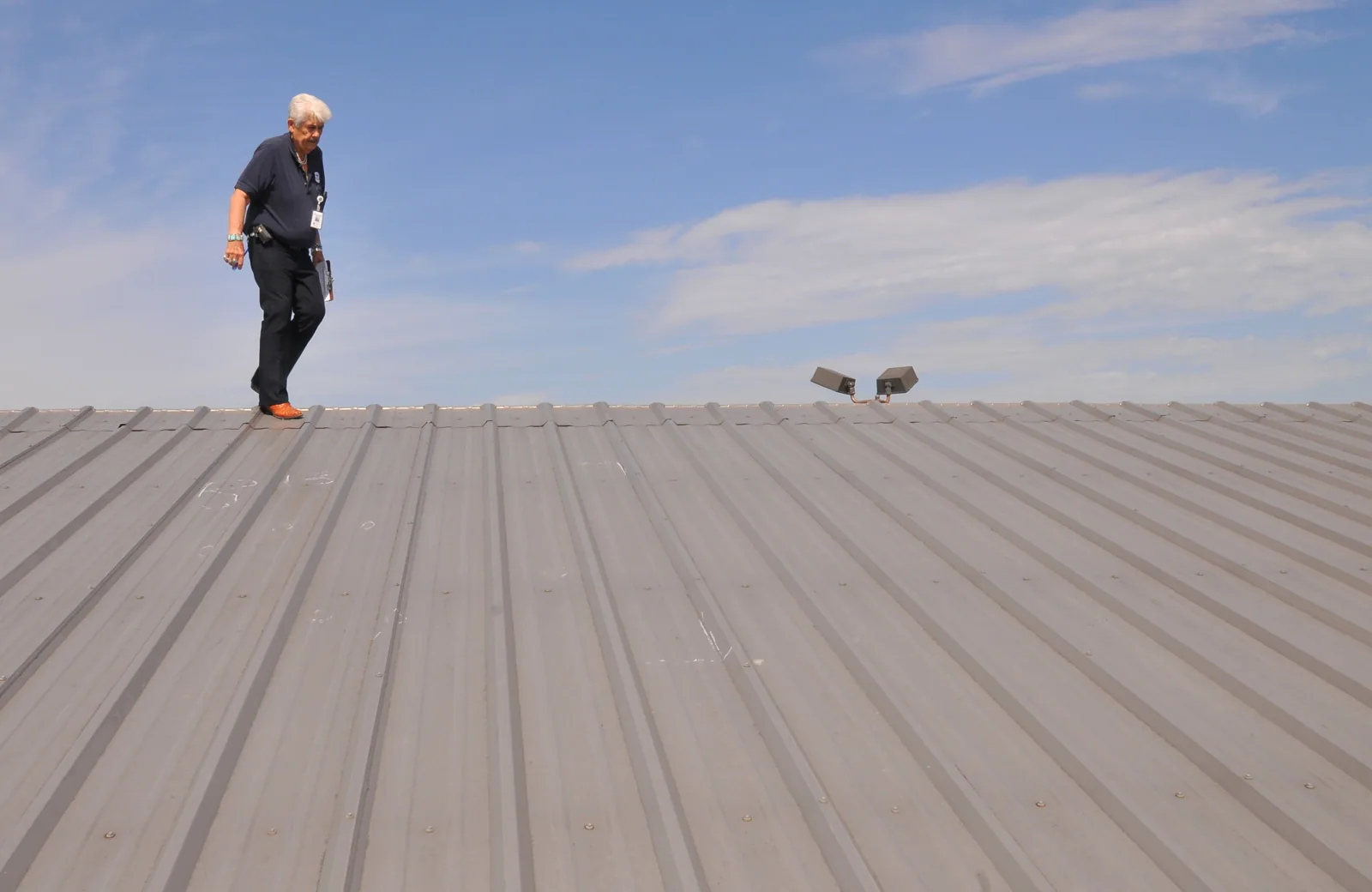
Look at the roof twice a year. Check for dark streaks along parapets, stained seams and dirty drain sumps. Ask whether the surface still looks bright from a few steps away. Winter is the quiet season for this work, because the work needs suitable drying and application conditions, arranged with the property calendar.

A low, wide building puts more roof than wall under the sun, so the roof drives its heat gain. The industrial park at St. Pete-Clearwater International Airport needs roof measurements and building-use information to evaluate the thermal choices, and it is why warehouse roofing gets a close look at the surface.

Timing the install

Timing the install

The period outside Tampa Bay's summer rainy season can offer useful work windows. Product temperature, drying and curing requirements still govern coating or membrane installation, and the roof is ready before the first afternoon storm of the wet season. The rainy months start around the end of May.

A hotel on Clearwater Beach, where Sandpearl is among the resort properties and coastal exposure warrants inspection, shows the other side. Guests and rooms keep the building running, so the work is staged by section and the noisy steps are scheduled for hours that suit the property. Regional malls such as Countryside work the same way, with hours set around the stores below. Our hotel roofing work follows the same pattern.

Before any storm warning, we keep the temporary protection ready. A partly finished reflective roof is just as exposed as any other open roof, and the crew leaves it tied down each night.

Commercial Roofing Questions

Does a cool roof still matter if the building already has thick insulation?

Insulation slows heat as it moves through the roof. A reflective surface keeps much of that heat from landing in the first place, so the insulation has less to hold back. The two work as a pair, and the reflective surface also lowers the temperature swing the membrane has to survive.

How do we keep a white roof white in Florida?

Wash it. We follow the selected product's cleaning instructions, including suitable pressure and approved cleaners. Cleaning frequency reflects actual deposits and roof condition. We also clear drain sumps, because standing water is where the stains start. A coating that has chalked away needs a recoat, not more washing.

Can a coating turn my existing dark roof into a cool roof?

Sometimes. The roof underneath must be dry, well attached and mostly free of ponding. We test for trapped moisture first and replace wet insulation. If the old roof passes, a reflective coating gives it a new surface and a longer life. If it fails, a new reflective membrane is the safer route.

Does a reflective roof change the hurricane wind rating?

The color does not. The attachment does. A white membrane held by weak fasteners will lift like any other, so the edge details, fastener pattern and perimeter metal matter just as much. We build the assembly to the wind speeds the county sets, then choose the finish.

Which reflective surface suits a beachfront hotel?

Beachfront roofs fight salt, humidity and standing water after every storm. Membrane condition, drainage, attachment and product requirements guide the selection. We inspect those details before explaining whether a new reflective membrane or suitable coating fits the property.
See what the sun does to your roof

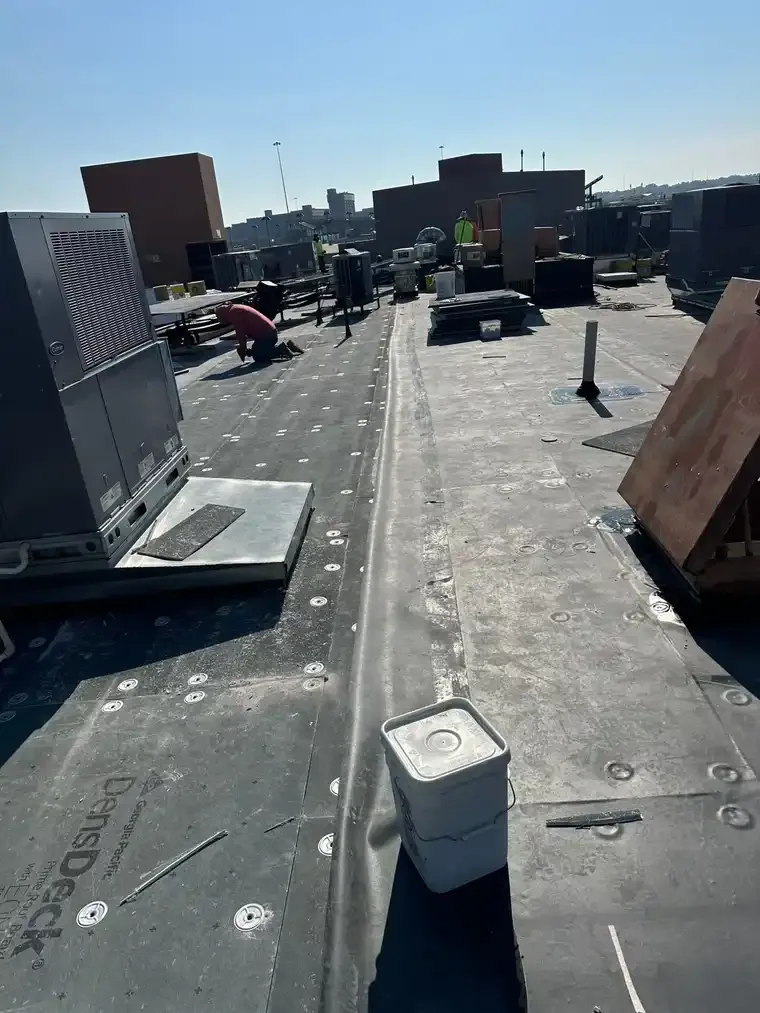
Send photos of your roof or book an inspection. We will check the surface, the drainage and the insulation, show you what we see, and explain whether a coating or a new reflective membrane fits.

Request a Roof Assessment   or call 555-555-5555

Call555-555-5555