Acrylic Roof Coating Systems in Clearwater, FL

Acrylic roof coating for sound, well-drained commercial roofs in Clearwater, FL, with dry-window scheduling, rust and seam treatment, and mildew control.

An acrylic treatment needs its selected product's drainage and exposure requirements checked before application. Many systems require positive drainage; water-based chemistry alone does not establish every cured film's behavior. On a roof that drains quickly, acrylic is a strong, low-cost way to renew a sound surface. On a roof that holds puddles, it is the wrong tool.

Here is how it works. Acrylic arrives as a white liquid, with the coating particles carried in water. A crew rolls or sprays it on, the water evaporates, and the particles fuse into a flexible, reflective film. It is applied in coats, each one given time to dry. Then the next one goes on.

For owners in Clearwater, FL, the question is not whether acrylic works. It is whether the roof and the weather let it work. We apply it over metal, built-up, modified bitumen and foam, and we choose it when the roof drains well, the surface is sound, and the budget favors a lighter system.
What acrylic does well

What acrylic does well

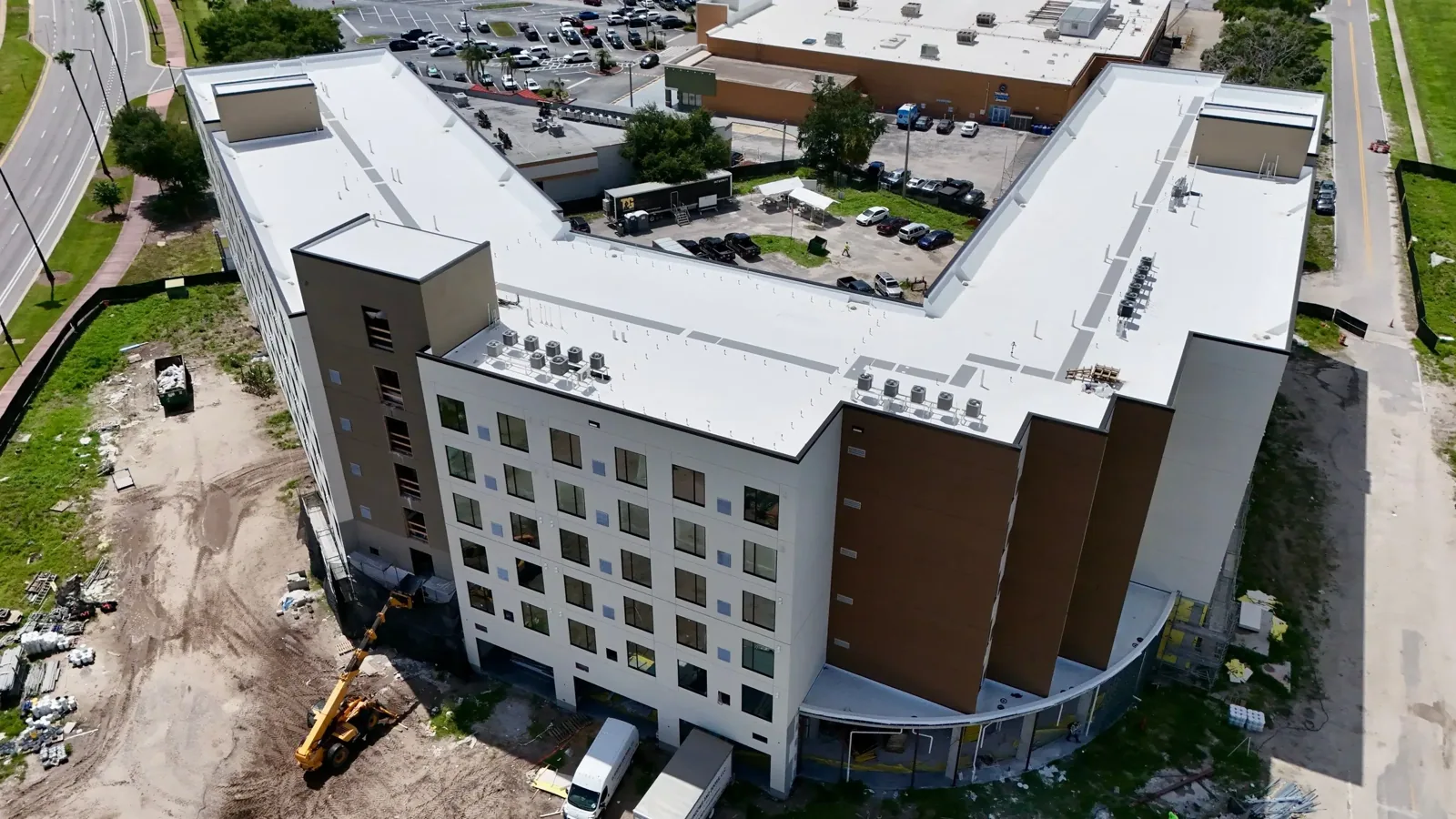
Acrylic earns its place for four reasons. It reflects sunlight, so a white roof runs cooler under a summer sun in the low 90s. Its installed cost depends on preparation, product and repair scope. It bonds well to many clean surfaces, including old coatings of its own kind. And it is easy to recoat, so a roof can be renewed again when the film wears.

Recoating also needs compatibility checks for silicone coating systems. We inspect the existing bond and follow written requirements for the proposed coating over either treatment. It also gives a clean base for the next owner, and it can be tinted or finished with a top coat if needed.

It works especially well on metal, once rust is treated and fasteners are sealed. A tired retrofitted metal roof or an older standing seam metal roof with a failing finish often needs exactly this. Pinellas County is rated IECC Climate Zone 2A, which means hot and humid, so a reflective surface suits the energy side as well. For a full renewal plan, our roof coating restoration work puts acrylic and the repairs it depends on in one scope.

Humidity grows things

Clearwater is humid most of the year. Warm, damp air and a film of dirt on a roof are what mildew and algae live on, and surface deposits can support growth on coating materials. The result is black or green streaks, mostly on the shaded side of a roof or near drains. They look like a failing coating. Most of the time they are surface growth, and a wash with a proper cleaner takes them off.

Rain is the other local issue. The wet season stretches from late May into early October, with the heaviest rain and lightning in July, August and early September. Nearly every afternoon holds a storm, which shrinks the number of good coating days. Parts of Pinellas County took more than 18 inches from Milton, and a roof with weak drains under that load will pond. Acrylic does not belong there until the drains are fixed. Our roof drain and scupper work fixes the cause so the coating has a chance.

Retail centers along the US 19 corridor through Largo, Clearwater and Palm Harbor, and the buildings near Countryside, share these conditions. Humidity and heavy rain apply to every roof there, and a recoat schedule has to account for them.

Water is its weak point

Water is its weak point

Acrylic fails in a few predictable ways.

  • Ponded water softens the film and lifts it, leaving a mottled white patch with bare surface at the center.
  • Rain before the coat cures washes it off in streaks or leaves it thin.
  • Moisture trapped beneath the film forms blisters in the heat.
  • Mildew darkens the surface and holds moisture against it.
  • Rust on a metal roof comes through if it was painted over and not treated.

The reason is chemistry. The same water that carried the coating onto the roof can soften it again. That is why drainage, cure time and surface preparation matter more than which brand is in the bucket. Heat and sun wear a coating thin in a related way, and our heat and UV roof damage repair addresses coatings that are past their service life.

How we recoat a roof

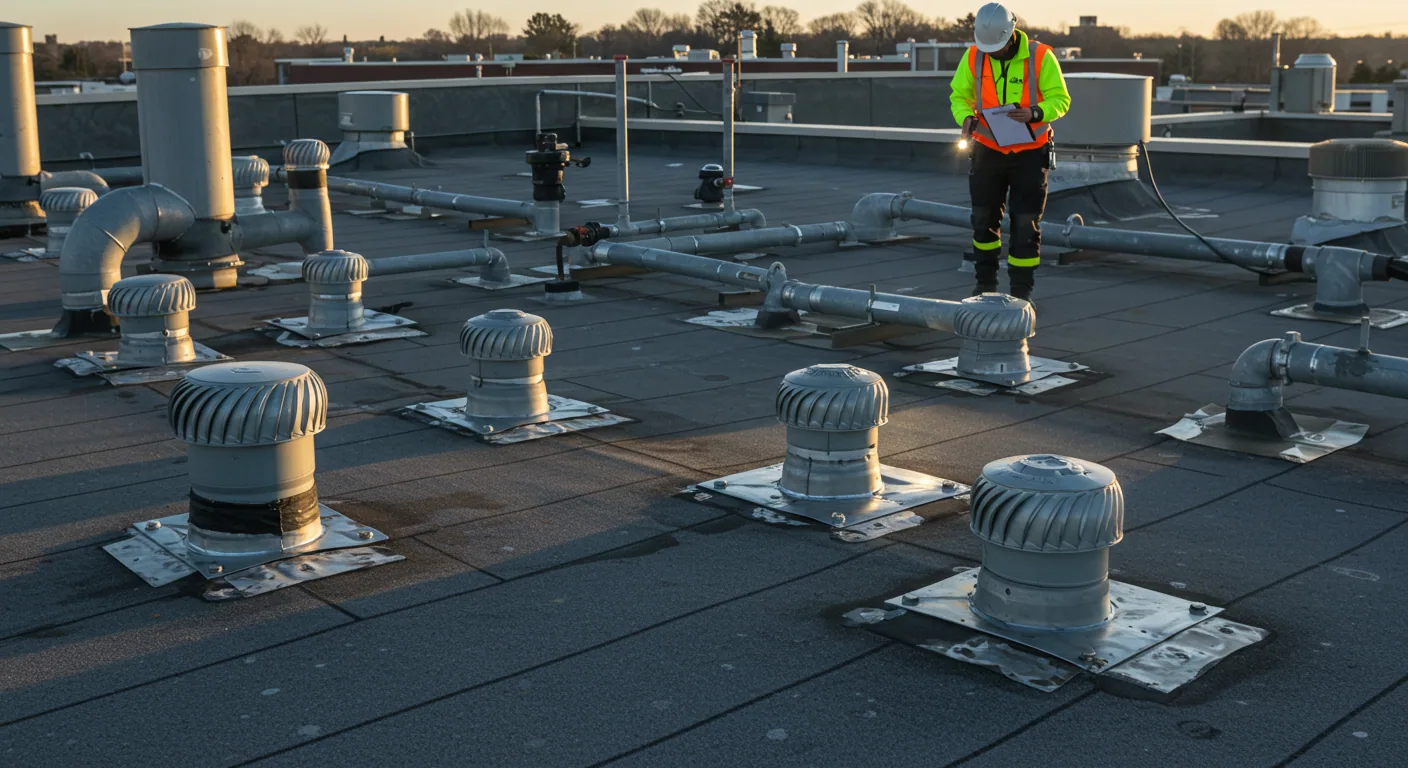
Step one is the survey. We walk the roof, look for ponding marks, and check for moisture in the layers beneath. Where the surface is wet, the coating waits.

Step two is the wash. We remove dirt, chalk and mildew, rinse the salt off, and let the roof dry.

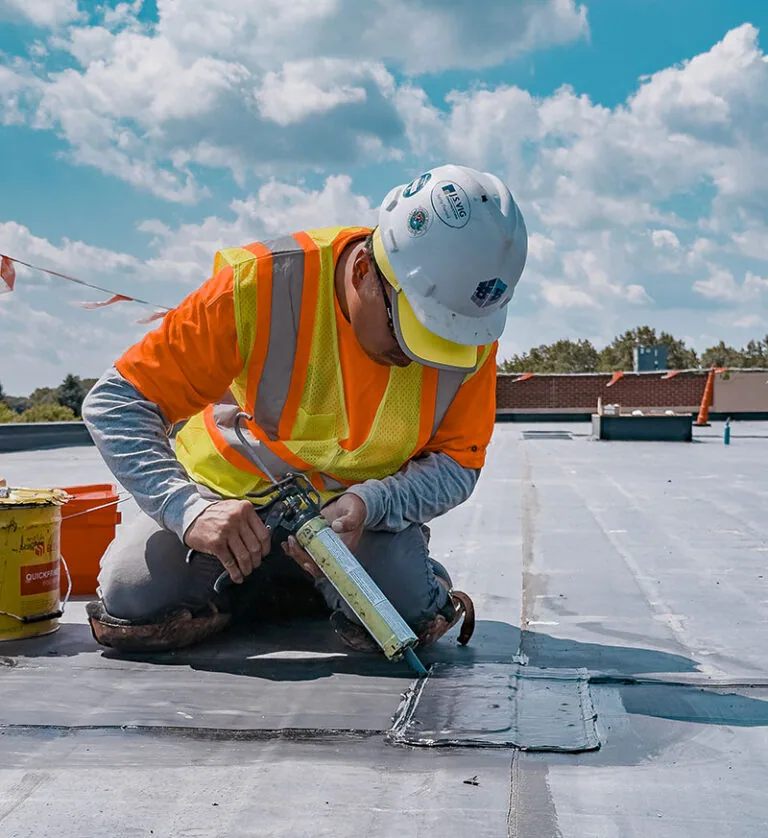
Step three is the fixes. Rusted metal is treated and primed. Loose seams, fasteners and flashings are resealed, and reinforcing fabric goes over seams and cracks. Cut-outs replace wet insulation.

Step four is the coating. We apply the base coat, let it dry, then apply the top coat in the opposite direction so thin spots do not line up. We check the thickness as we go. A building that wants ongoing care can add a preventive roof maintenance visit, so the washing and spot repairs happen before the coating wears through.

Cure time sets the schedule

Cure time sets the schedule

Acrylic needs dry hours, and not just at the moment it goes on. The surface must be dry when we start. The air must be warm enough for the water to leave the film. Rain cannot arrive until the coat has set. In the wet season that leaves a narrow morning window on many days, and some days leave none. Plan for a longer calendar than the work itself.

Cost follows the roof. Drivers are how much cleaning and rust treatment the surface needs, the number of coats, the amount of seam and fastener detail, how many penetrations interrupt the field, and access. Product, required thickness and substrate preparation vary across liquid systems, so the lowest first cost is not always the lowest cost over the life of the roof. We weigh both when we propose it.

Commercial Roofing Questions

Is acrylic or silicone the better choice for my roof?

Drainage is one selection factor, alongside substrate, bond, preparation and product requirements. We investigate persistent water first and explain any correction needed. A silicone product that permits ponding does not remove the drainage problem.

Why did my coating turn black in spots?

Black or green spots usually mean mildew or algae feeding on dirt in humid air, not a failed coating. A wash with the right cleaner often brings the white back. If the film underneath is also thin or cracked, a recoat follows.

Can I just recoat every few years instead of replacing the roof?

Often, yes, as long as the roof under the coating is dry and sound. Each recoat adds film and extends the service life of the roof. When the insulation is wet or the membrane is split, coating hides the problem, and a repair or replacement is the better path.

Will acrylic work over a rusty metal roof?

Treated rust takes it. We remove loose scale, convert or prime the rust, seal every fastener, and reinforce seams. Remaining corrosion or unsound metal can affect the new treatment, so preparation and any replacement requirements enter the scope.

Does a coating add wind resistance?

No. A coating is a weather skin, not a structural layer, and a loose edge or lifted seam stays loose beneath it. For wind resistance we repair the edge metal and attachment first, to the design wind speeds Pinellas sets, and coat afterward.

Send us photos of the roof

Send photos of the surface, the stains and the drains, or book an inspection. We will walk the roof, show you what we see, and explain whether acrylic fits the way the roof drains. Call any day of the week.

Request a Roof Assessment   or call 555-555-5555

Call555-555-5555