Roofing for Retail and Restaurant Chains in Clearwater, FL

Clearwater chain locations get roof repairs matched to each store. We explain shared roofs, kitchen equipment, local access and regional approval needs.

A chain store roof can leak at a change the regional office never sees. A local service visit moves equipment. An exhaust connection opens. A shared drain collects debris from another tenant. A uniform store layout does not make the roofing condition uniform across the portfolio.

Roofing for retail and restaurant chains in Clearwater, FL starts with the specific location and its operating contact. We inspect the roof, identify the affected details and explain the findings to the people authorizing the repair. Local access information stays with the scope as it moves to regional approval.

US 19 runs through Clearwater and Palm Harbor. Palm Harbor's cluster of national restaurants and retailers lies along that route. A program serving those locations needs common reporting and individual roof investigations. The street address and brand do not identify the membrane, drain layout or lease responsibility.

Separate the store from the shared roof

Separate the store from the shared roof

A leak above a sales floor can originate beyond the tenant's roof area. Water may travel from a neighboring curb or a higher wall. We compare the interior symptom with the exterior roof layout before drawing the repair boundary.

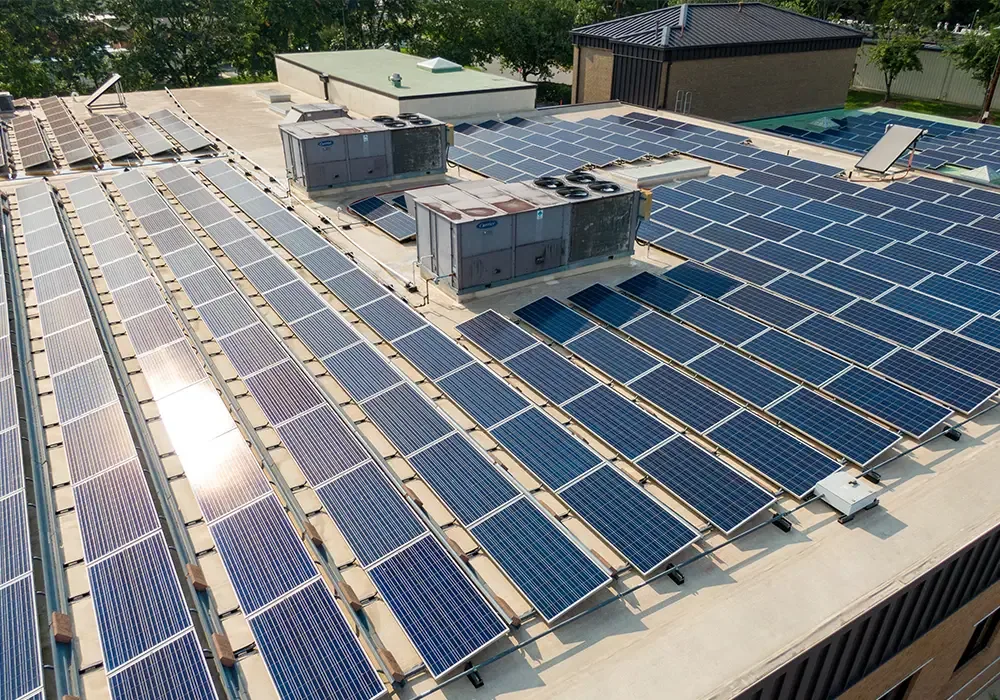
Shopping center roofing can involve common outlets and connections across several leases. The landlord's records help establish responsibility. Our inspection shows the affected roof details without treating the store's interior boundary as the limit of the water path.

The local manager provides access and leak timing. The owner or regional contact authorizes the agreed work. We identify those roles before scheduling so the crew does not arrive with a repair instruction that the landlord has not approved. A clear location-based scope makes that discussion easier.

Give kitchen equipment its own review

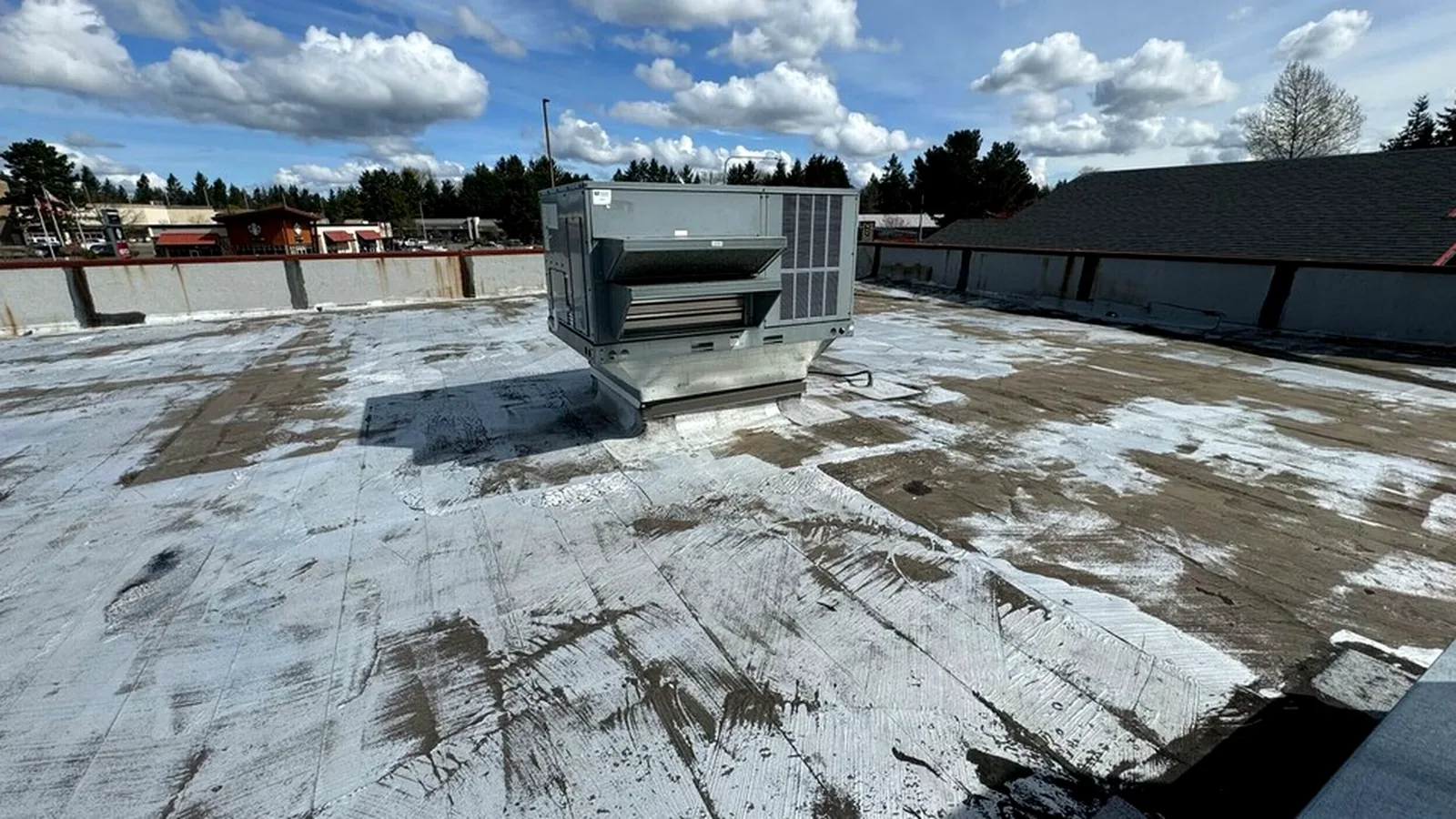
A restaurant exhaust fan can expose roofing to grease, heat and frequent service. A repair material must suit the existing assembly and the exposure. We inspect the curb, nearby membrane and collection arrangement before proposing the flashing work.

For restaurant roof repairs, the exhaust contractor checks the fan and collection components. We coordinate their work with the roof connection. Correcting the flashing while discharge continues onto it leaves the repaired area exposed to the same damage.

A regional maintenance instruction may cover equipment cleaning without addressing the roof beneath it. We describe the separate roofing defects in the report. Photographs of the curb, service approach and affected material help the approval team understand which tasks belong to the equipment trade and which belong to the roofer.

Use reporting that travels well

Use reporting that travels well

A close photograph of an open seam can lose its meaning once it leaves the store. We include enough surrounding detail to show the affected roof location. The report distinguishes an active opening, wet material and developing wear rather than grouping them into a broad leak label.

Programs for multiple store roofs can use the same finding categories while preserving each location's assembly and restrictions. That helps a regional team compare the work. It does not justify issuing the same repair scope to stores with different problems.

At a location in Palm Harbor, access through a stock room or shared service corridor needs local confirmation. Regional approval can authorize the work, but it cannot establish that a route is available on the scheduled day. We coordinate that detail with the store contact.

Protect customers and stock

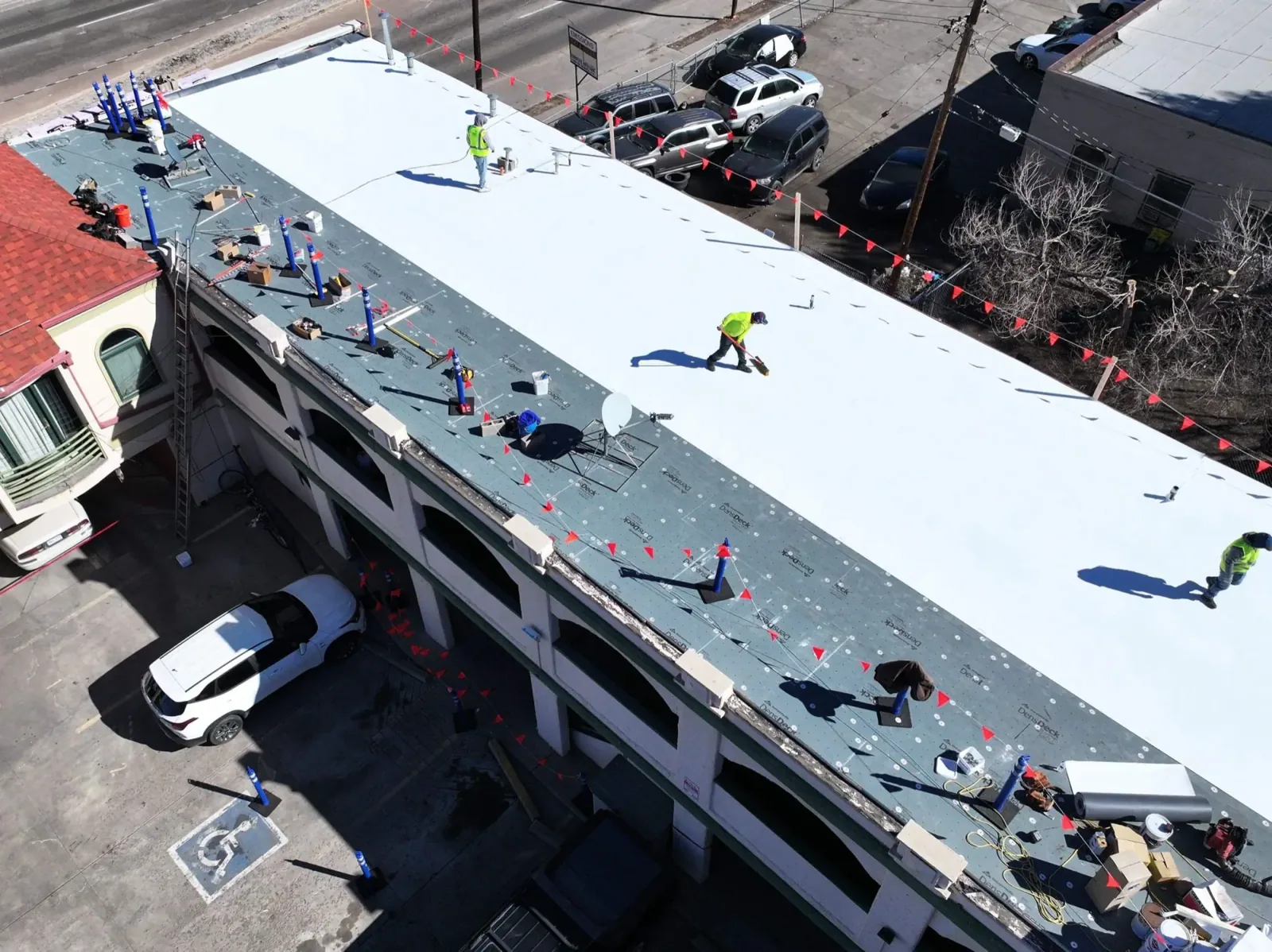
An operating store needs a defined separation between customers and roofing activity. We review entrances, delivery doors and the material staging area. The manager identifies the hours and spaces that require particular protection. Removed roofing needs a controlled route out as well.

A food operation also needs equipment schedules and preparation areas considered. We identify the work above the affected zone and any nearby intakes. The operator and relevant trades establish the equipment restrictions. Those decisions belong in the sequence before roofing materials are removed.

For roof replacement over an operating store, daily openings follow a workable weather window. Tampa Bay's afternoon thunderstorms make closure planning significant. A store deadline does not remove that exposure. We explain the sequence and update the manager when weather changes the day's work.

Bring the landlord into the scope

Bring the landlord into the scope

A lease may assign roof maintenance differently from rooftop equipment maintenance. We inspect the physical connections and provide the findings. The landlord and tenant use their documents to settle who approves each part. We do not infer responsibility from who first reported the drip.

Working with the property management company can establish roof access, warranty records and neighboring tenant contacts. That information helps keep a local repair from conflicting with existing roof requirements or another scheduled trade visit.

If a store is being remodeled, construction coordination should address new openings before equipment is placed. The roof detail and drain paths need review alongside the mechanical layout. Closing an old penetration is also part of the change; leaving it under a loose cover does not complete the roof work.

Review repeat symptoms by location

Several leak calls at one store may share a single cause. They may also reveal wider moisture or membrane deterioration. We compare the reported timing, completed repairs and current findings before recommending another patch or a larger project.

Our roof maintenance visits can check debris, service damage and repair edges. Stores should report equipment changes between visits so the roof record remains useful. New rooftop work can create a defect after an otherwise sound inspection.

Scope and price vary with wet material removal, shared access, equipment coordination and customer protection. We explain those drivers to the approval contact. Emergency roof response continues day and night, including weekends and holidays. Send the store address, safe photographs and local contact, and we will show what the roof needs before the permanent repair is authorized.

Chain operators benefit from a repeatable reporting format, not a single repair prescription for every store. Each property still needs its own roof assembly, landlord arrangement, equipment layout and operating window confirmed. We identify the source of the reported leak, any kitchen exhaust or rooftop unit involved, and the work zone that could affect customers or stock. The regional team can compare findings across locations while the local manager coordinates access and notices. When a remodel adds or removes equipment, updating the roof record helps prevent an abandoned curb or altered flashing from being mistaken for an original condition.

Commercial Roofing Questions

Our stores share a brand standard. Can their roof repairs use one specification?

A reporting standard is useful, but material compatibility and roof condition remain location-specific. We identify each assembly and explain which repair details can be specified consistently and which require a separate approach.

Who should authorize repair of the roof around a restaurant fan?

The lease and equipment responsibility documents establish authorization. We show the roof defect and coordinate the trade boundaries so the landlord and operator can approve the relevant tasks.

Can the regional office receive findings without attending the inspection?

Marked photographs and a clear scope can support remote review. We also identify local access restrictions and unanswered items so the approval team does not miss information held by the store manager.

A remodel contractor left an old vent behind. Is that part of your inspection?

Abandoned penetrations deserve a close check. We inspect their closure and the surrounding roof, then explain whether removing and rebuilding the detail is needed.

What makes repeat leak calls useful for planning?

Dates, rain conditions and repaired locations help reveal a pattern. We compare that history with current roof findings before deciding whether the next action is a targeted repair or wider investigation.
Send the location and local contact

Share the store address and safe leak photos. We will explain the roof findings and prepare a repair scope that the approval team can understand.

Request a Roof Assessment   or call 555-555-5555

Call555-555-5555