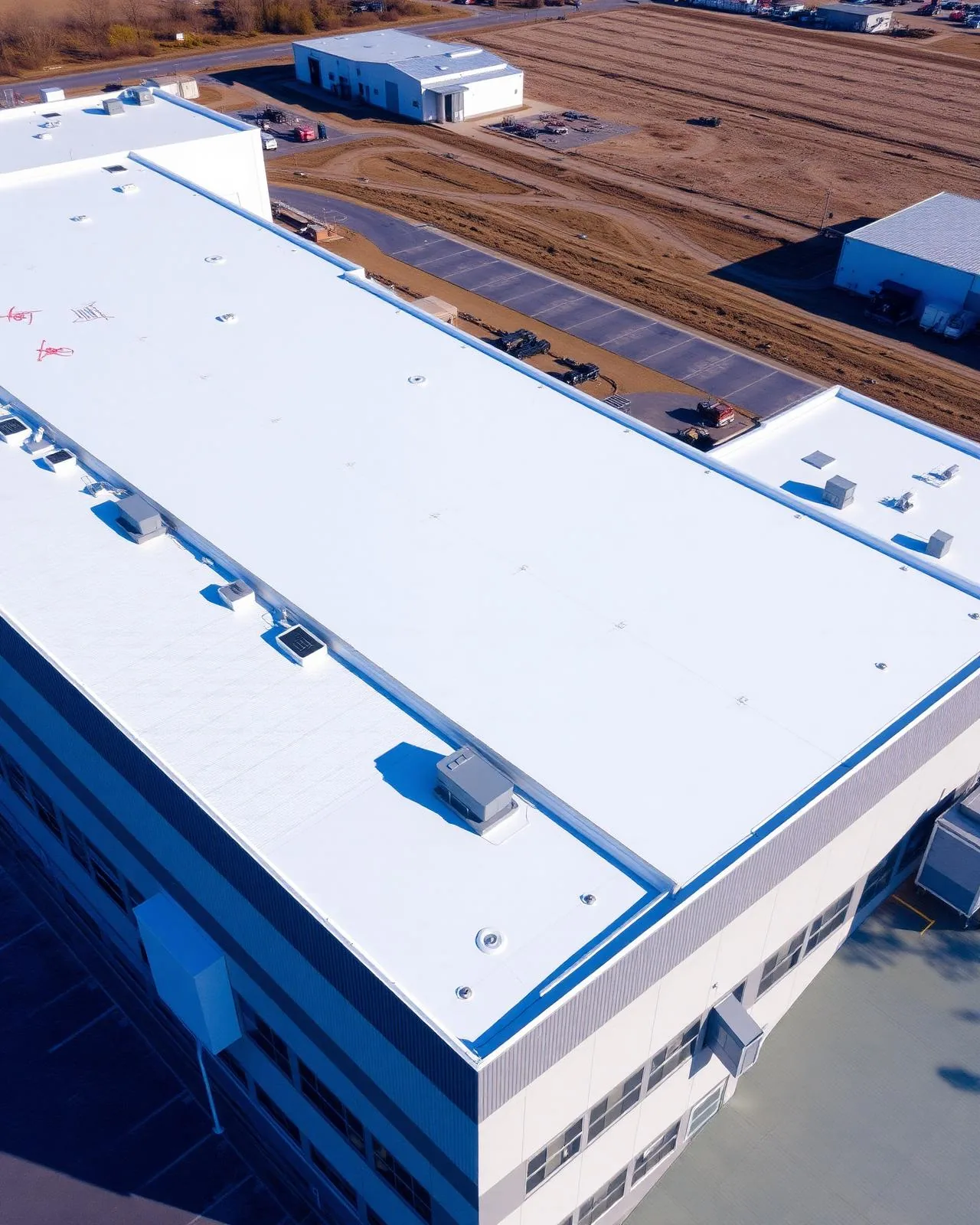
Roofing for Public Agencies in Clearwater, FL

Clearwater public facility roof work starts with marked defects and usable scopes. We explain building access, storm repairs and maintenance priorities.

A public building roof can fail at a detail that routine floor checks never reach. Loose coping, a blocked outlet or a split curb corner may remain unnoticed until rain affects a service counter. The agency needs an exterior inspection that identifies the defect before deciding which work to authorize.

Public agency roofing in Clearwater, FL combines that inspection with the building's operating requirements. We identify roof access, occupied spaces and equipment contacts. The proposed scope explains what needs repair, what needs further investigation and how the work affects public access.

The city hall on Louden Avenue opened in Dunedin during 2023. Gulfport has a city-owned marina beside Clam Bayou Nature Park. These local facilities show the variety of public uses in the region. Their ownership does not establish a roof type or condition. We inspect the current assembly on each building assigned for review.

Make the finding usable

Make the finding usable

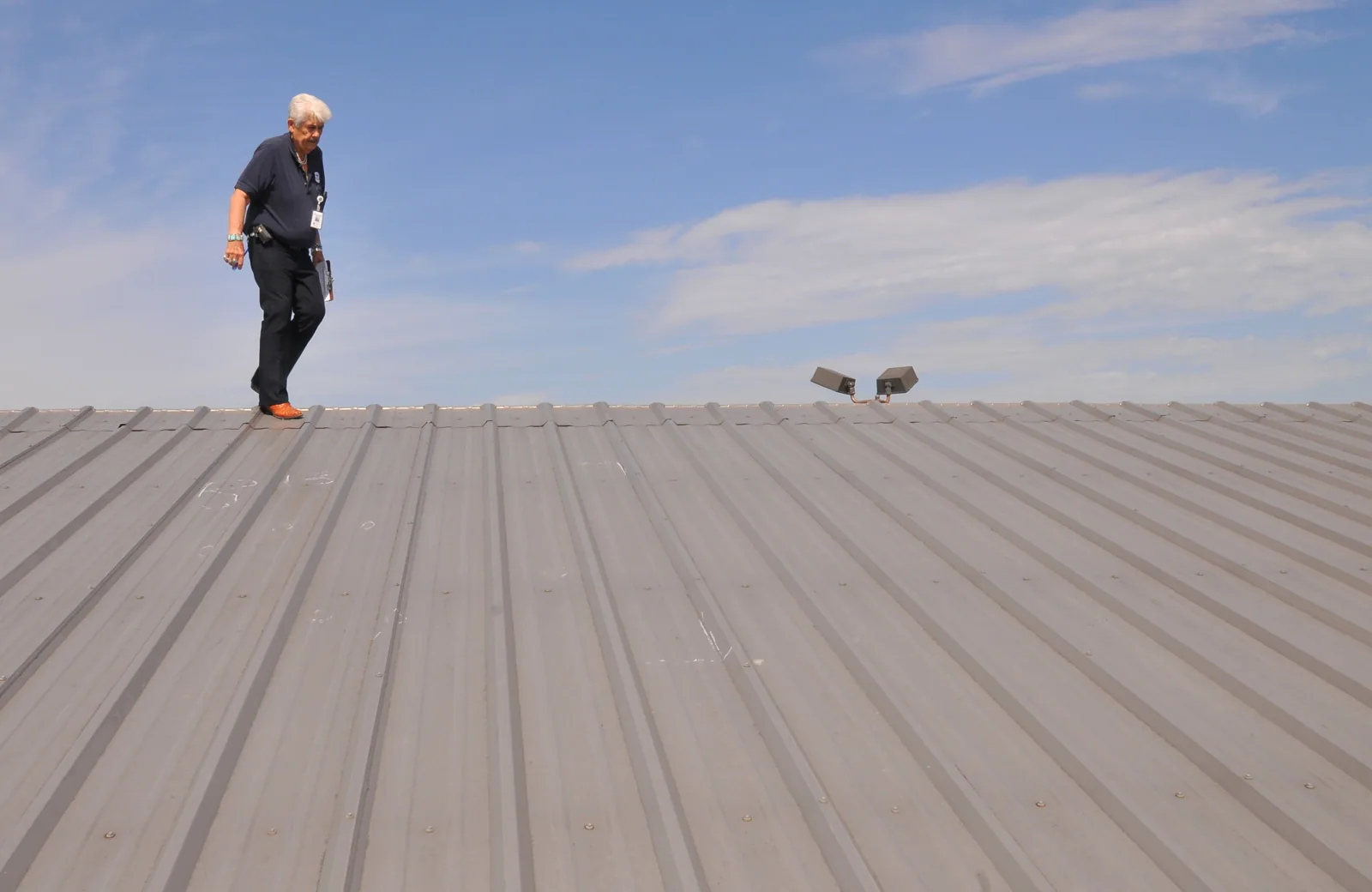
A photograph of damaged metal needs a building and a location. We record the roof section, nearby features and the observed problem. A close view explains the defect. A wider view helps staff find it without depending on the person who attended the inspection.

Roof condition reports with photographs separate visible defects from suspected hidden moisture. They identify access restrictions too. An inaccessible roof section should remain an unanswered item rather than receiving the same assessment as a section examined directly.

The agency can then connect the finding with its approval process. We describe the physical repair tasks and relevant cost drivers. Purchasing staff receive a scope that is specific enough to compare, while facilities staff retain the evidence needed to check whether the proposed work addresses the actual problem.

Protect the public route

A lift near a building entrance changes how people move through the site. We discuss its placement before work begins. The agency identifies accessible entry requirements, security procedures and operating hours. The roof plan then includes a suitable material and debris route.

For government building roof work, noise can affect public counters and meeting rooms. We identify the loud stages and their roof locations. The agency decides the operational arrangements while we plan the roofing tasks within those limits.

A facility in Dunedin needs that review based on its present use. The date a building opened does not tell us which rooms are sensitive to roof work. Interior access and a conversation with the operating contact establish the spaces that require particular coordination.

Distinguish storm entry from flooding

Distinguish storm entry from flooding

Helene brought storm surge into Gulfport's downtown and surrounding areas. Floodwater and roof leakage need different investigations. A wet interior after a coastal storm cannot be assigned to the roof just because roofing damage is also visible outside.

We inspect the membrane, flashing and perimeter for openings. The agency provides available storm photographs and interior observations. We describe what the roof findings support and keep uncertainty clear where another building component may be involved. This helps the repair scope avoid mixing unrelated causes.

Insurance restoration coordination can involve records from several trades. We provide the roof evidence and a described scope, while the insurer makes coverage decisions. Immediate protective work is recorded separately from the permanent repair so the agency can see what remains after the urgent response.

Inspect drainage as a system

A cleared basket does not establish that a roof drains properly. Water still needs an unobstructed path to the outlet. We check low areas, equipment supports and debris collection points that can keep water against the membrane after a shower.

Our drain and scupper repair work addresses both the outlet and its connection to the roofing. A loose flange or split flashing requires a material repair. A settled area may need a different correction. We explain those distinctions before labeling the issue as maintenance.

The service route should permit staff or authorized maintenance personnel to reach drainage points safely. We identify access limitations during the inspection. A roof maintenance instruction is not workable if the only route requires unsafe climbing or passing through a restricted room without an agreed procedure.

Coordinate adjoining construction

Coordinate adjoining construction

A public improvement project can alter a roof before the roofing contract begins. New equipment, wall work or removed supports may expose details that need closure. We review those interfaces with the construction coordinator before settling the work sequence.

General contractor coordination helps establish who supplies the curb and who handles the flashing around it. We identify the condition needed for our roof connection. Equipment placement should not block a drain or leave an unfinished opening concealed beneath a support.

Projects for school district facilities have their own operating calendars and access requirements. The same clear scope method remains useful, but the agency's particular restrictions stay in the plan. A standard form should not erase the difference between a public service office and an active classroom building.

Plan the next authorized step

An isolated defect may need a local repair when sound surrounding material can accept the connection. Repeated openings or broad moisture can require more investigation and a larger scope. We show the evidence behind that distinction so staff can explain it through the approval process.

Price reflects the affected layers, deck concerns, access equipment and public protection arrangements. Permit requirements and product information are reviewed for the proposed work. We identify these scope needs rather than assuming an early inspection settles every construction detail.

Roof emergencies can interrupt normal authorization hours. Assistance remains available at night, on weekends and during holidays, with site safety and access assessed first. Send the facility address, operating contact and safe photographs. We will explain the visible roof condition, protective options and permanent work that still needs approval.

For a public owner, the inspection record should be clear enough for facilities staff and purchasing reviewers to follow without being present on the roof. We label the defect, show its location in photographs and explain the repair boundary, access assumptions and any condition that still needs confirmation. If an entrance or public route is nearby, the work plan identifies how people will be kept away from overhead activity. Coastal rain or flooding can also affect walls and site drainage, so the report separates roof observations from other water paths before recommending a roofing correction.

Commercial Roofing Questions

Can the inspection report support a purchasing review?

A defined location and repair description give staff a clear basis for review. We include observed conditions, photographs and limitations so the roof problem remains understandable when the scope moves between departments.

Our lobby stayed wet after a coastal storm. Will you identify all water causes?

Roof inspection addresses the roofing assembly and its connections. Where the evidence points toward wall entry or floodwater, we explain the limitation and coordinate findings with the relevant building specialists.

Does a newer city facility need the same roof checks as an older one?

Current condition guides the inspection. Recent equipment work, debris or a failed detail can affect a newer assembly too. Building age alone cannot establish that its roof remains watertight.

How do you plan a lift beside a public entrance?

The agency identifies required public access and security restrictions. We review staging and material movements, then agree on an arrangement that provides a suitable work zone and operating route.

Can an urgent repair be separated from a future replacement bid?

Temporary or local work can be described separately where suitable. We state the area addressed and the work remaining so the emergency action does not imply that the entire roof has been restored.
Show us the facility finding

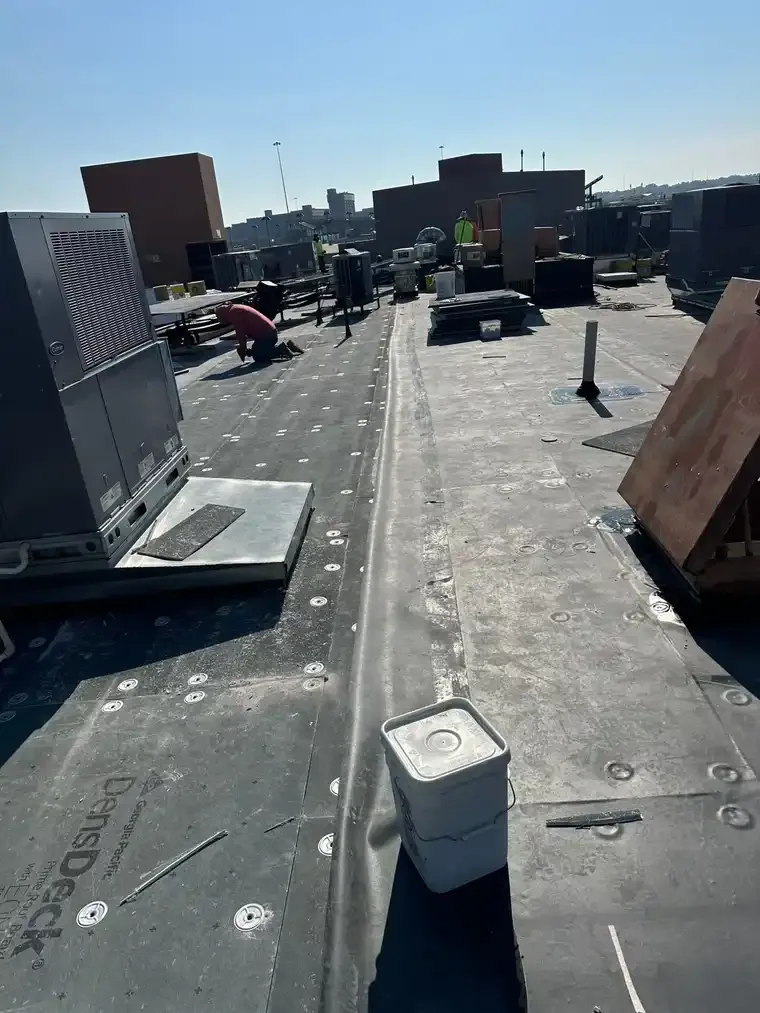
Send safe roof or interior photos and the facilities contact. We will inspect the assembly and explain the scope your agency needs to review.

Request a Roof Assessment   or call 555-555-5555

Call555-555-5555