Restaurant Roofing in Clearwater, FL

Restaurant roof repair in Clearwater, FL starts with exhaust curbs, grease exposure and drainage. We explain the repair and plan the work around your kitchen.

A restaurant roof can leak where the kitchen sends air outside. The exhaust fan stands on a curb. Flashing joins that curb to the roof. Heat, vibration and service visits put stress on the connection, and rain finds any opening left behind.

Grease adds a second problem. If it escapes the collection system, it reaches the roof surface. Cleaning the fan does not repair damaged flashing. Patching the flashing does not stop grease from landing on it again. Both sides of the problem need attention.

Restaurant roofing in Clearwater, FL starts with that distinction. We inspect the roof and its equipment connections, then coordinate with the kitchen exhaust contractor where their work meets ours. You get photographs, a clear explanation of the leak and a repair plan that accounts for the next service, not just the next rain.

Separate grease from rain

Separate grease from rain

A dark patch beside an exhaust fan deserves a closer look. It could be surface staining. It could also include softened roofing, an open lap or a patch that has lost its bond. We identify the roof material before choosing a cleaner or applying another repair.

The sheet, flashing and repair material must suit the exposure. A PVC membrane is one option to evaluate for a kitchen roof, but the complete assembly matters. The product requirements, existing roof condition and exhaust arrangement all enter the choice. Changing the sheet alone leaves the same collection problem above it.

The exhaust contractor handles the fan, duct and grease collection equipment. We handle the roof connection and damaged roofing. We agree on where each trade stops so a new collection tray does not cover an unfinished flashing corner or discharge onto the fresh repair.

Leave room to service the fan

A fan that needs cleaning also needs a safe way to open. If lifting it pulls at conduit, stretches a cable or bears against the flashing, the next service can undo the roof repair. We check the clearance and discuss the service movement with the exhaust contractor before rebuilding the detail.

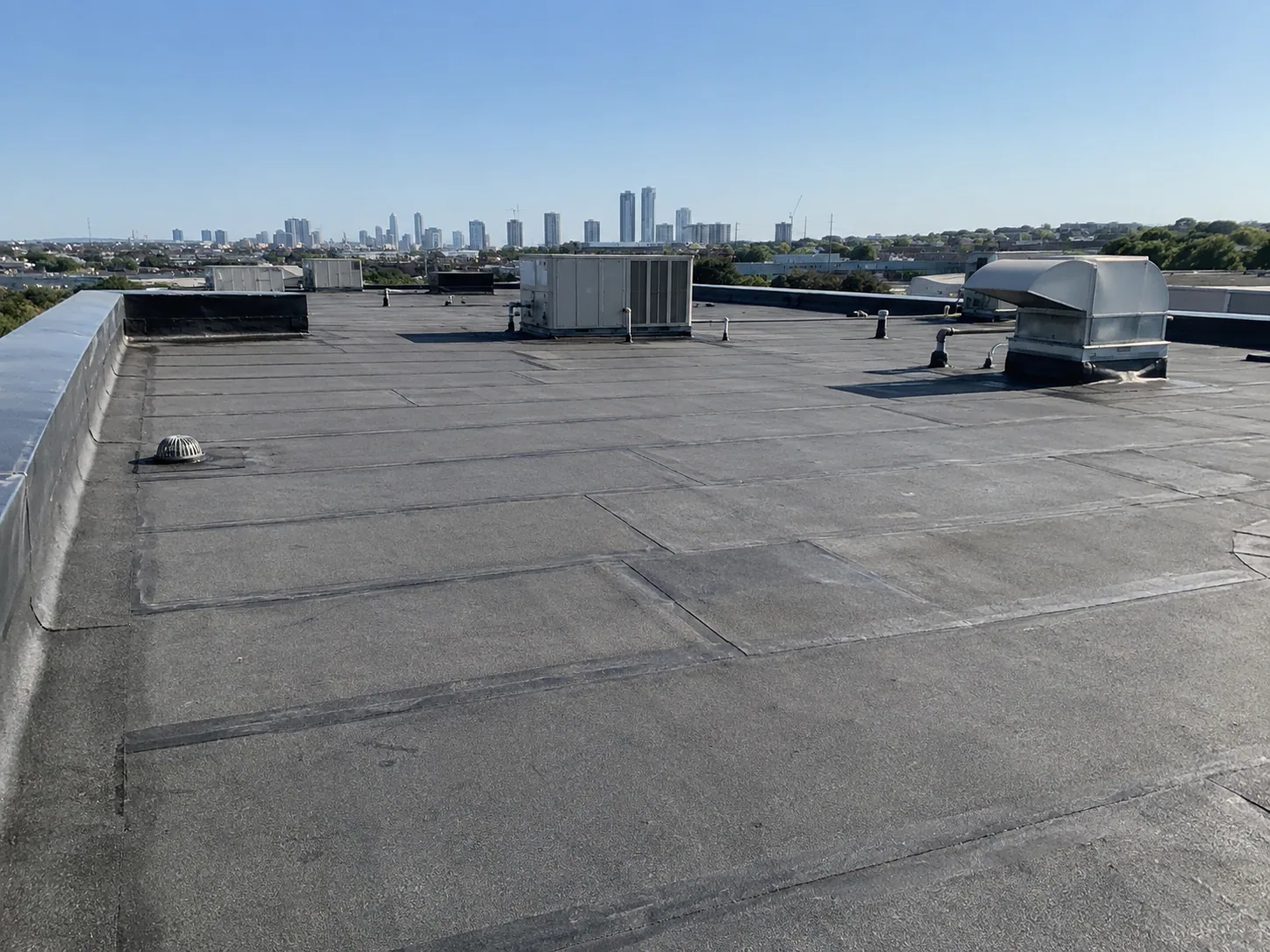
Our equipment curb and support repairs address the roofing around those connections. The work can include replacing failed curb flashing, closing abandoned penetrations and repairing punctures beside the unit. Loose equipment or a damaged curb needs its own correction before the flashing can do its job.

Walking routes matter too. We plan compatible protection where technicians approach the equipment. A walkway should protect the membrane without blocking runoff or hiding a seam that still needs inspection.

Give rain a clear exit

Give rain a clear exit

Tampa Bay's wet season brings repeated afternoon storms. A restaurant roof has to drain between them. Leaves, packaging and debris can collect behind equipment or at an outlet. Grease residue can make that debris harder to remove. The result is standing water beside a detail that was designed to shed it.

We inspect the outlets and the paths leading to them. Our drain and scupper work separates a blockage from a damaged drain connection or a low area that needs a different correction. Clearing an outlet helps only if water can reach it.

US 19 passes through Clearwater and Largo, with shopping centers and roadside commercial buildings along the corridor. At a restaurant in one of those centers, drainage may cross a lease boundary. We follow the flow across the roof instead of assuming the outlet nearest the kitchen serves only that tenant.

Trace the shared roof

A stain above a dining booth is a starting point. The opening can be at a neighboring curb, a wall connection or an old penetration left from a previous tenant. We compare the interior stain with the roof layout and check whether it follows rain, equipment operation or both.

A restaurant inside a shared shopping center needs the landlord involved before the scope is settled. We mark the affected roof area, identify which equipment sits there and show the connections that need attention. That gives the landlord and tenant something concrete to discuss.

An adjoining grocery store can add refrigeration equipment and more service traffic to the same roof. We inspect the relevant neighboring details with permission. The written findings distinguish what we observed from what still needs access or testing.

Match the repair to the damage

Match the repair to the damage

An isolated failed flashing can call for a local repair. Wet insulation or damage extending beyond the curb changes the scope. We check the material below the surface where the inspection indicates a problem, using moisture investigation and suitable test openings when needed. Covering saturated material leaves the roof with damage under a new patch.

The repair then follows the findings. We remove material that cannot remain, restore the affected assembly and join the new flashing to sound roofing. If the surrounding roof has widespread seam failures or repeated patches, we explain why a larger repair, recover or replacement deserves consideration.

Access, damaged insulation, equipment moves and the amount of roof involved drive the price. A tight service window can affect sequencing as well. We show which items stop the active leak and which address longer-term condition, so the manager can see what each part of the scope accomplishes.

For a property in Largo, we carry out the same inspection of the kitchen connections and drainage. US 19 and Alt US 19 both run through the city. The restaurant's actual roof condition determines the work, not its address on either route.

Plan around the kitchen shift

Roof debris and open food preparation areas cannot share a work zone. Before starting, we agree on interior protection, roof access, material staging and the route for removed roofing. Air intakes and exhaust equipment go on the work map. Deliveries and customer entrances stay clear of the agreed staging area.

An exhaust shutdown belongs on the kitchen schedule. The restaurant and exhaust contractor confirm what can run during the work and when the affected equipment can return to service. We arrange the roofing steps around that window. If safe separation is not possible during cooking, the affected operation needs a different work period.

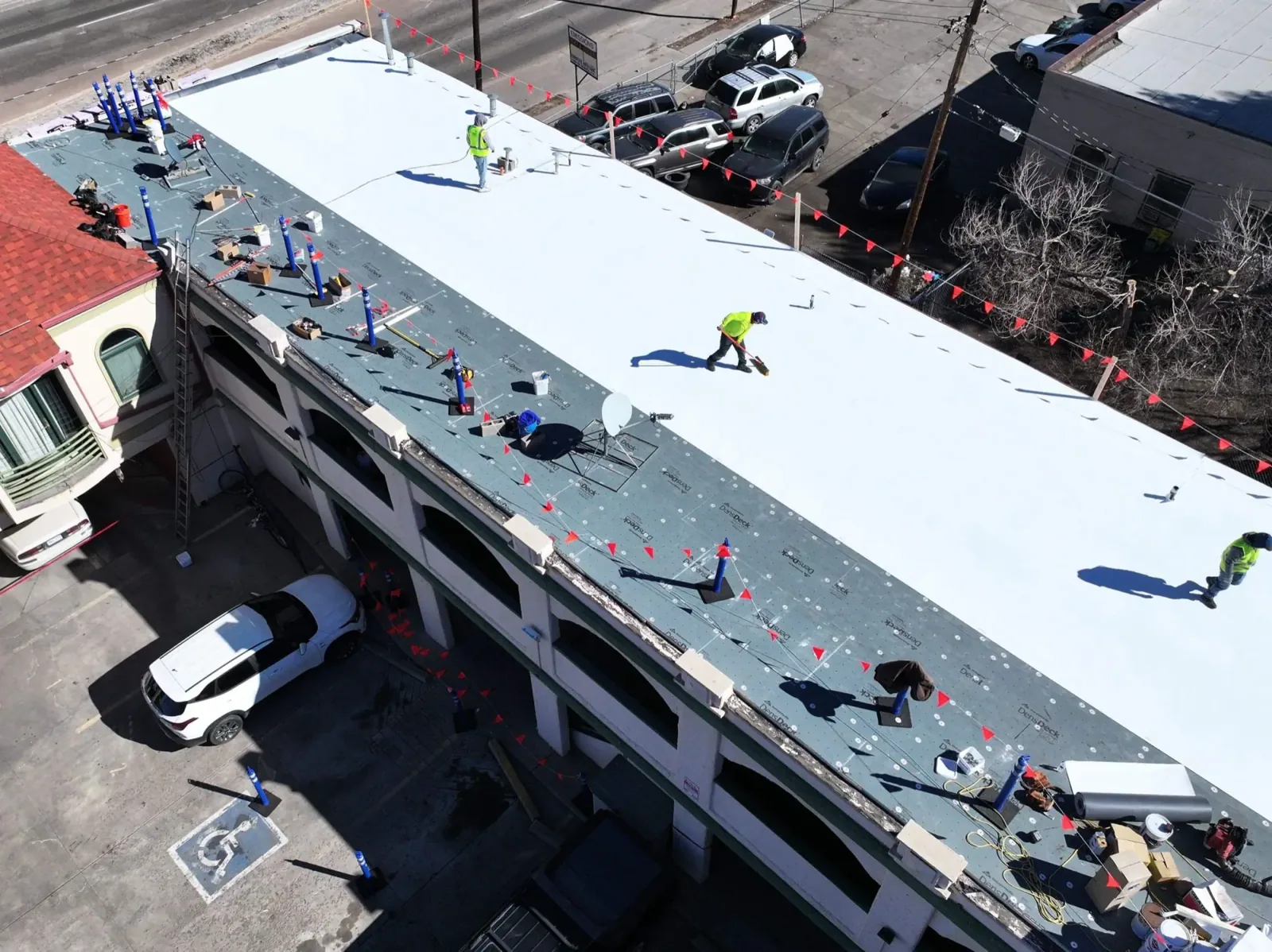
For roof replacement over an operating building, we divide the work into sections that can be closed within the available weather window. The morning forecast helps set the day's opening. It does not replace a plan for protecting the building if conditions change.

After the repair, we photograph the finished details and explain what to watch. A roof maintenance plan can pair checks of flashing and drainage with the kitchen's separate exhaust service schedule. Send photos or arrange an inspection, and we will show you where the roof needs attention.

Commercial Roofing Questions

The drip appears beside the hood. Is that enough to identify a roof leak?

The timing helps separate the causes. Water during rain points us toward the roof and duct connection. Moisture during cooking can also involve condensation or equipment problems. We inspect the roofing while the exhaust contractor checks their equipment, then explain which findings support the repair.

Should the fan be cleaned before you repair the roof around it?

Coordinate the two jobs first. Where grease is present, cleaning and correcting collection may need to happen before roofing materials can bond properly. We agree on the sequence with the exhaust contractor and check the surface condition before installing the repair.

Can we coat the stained area instead of replacing the flashing?

Sound, compatible material is the starting requirement. A coating cannot replace a failed curb detail or make damaged insulation dry. We check the existing assembly and the contamination, then explain whether cleaning, a local replacement or a wider repair is appropriate.

What will you need from the landlord before working on our leased unit?

Permission for roof access and the agreed scope come first. Existing roof records, warranty documents and equipment responsibility information also help. We provide photographs and marked findings so the tenant and landlord can settle the work authorization with the same information.

A storm opened the roof above the kitchen. How do we start?

Keep people away from the wet area and have the restaurant manager protect the affected operation. Call for roof assistance; our emergency response is available day and night, including holidays. We assess access and weather, arrange temporary protection where safe and document what the permanent repair needs.

Show us the fan and the leak

Send photos of the ceiling stain and the exhaust area if they are safely available, or book an inspection. We will explain the roof findings and plan the repair with your kitchen schedule.

Request a Roof Assessment   or call 555-555-5555

Call555-555-5555