Senior Living Roofing in Clearwater, FL

Senior living roof repairs in Clearwater protect resident rooms and care routines. We inspect leaks, explain wet materials and coordinate safe work areas.

A senior living roof can fail where a small equipment opening has lost its flashing seal. Rain reaches the insulation. The ceiling stain appears beside a resident bed or above a corridor. The repair needs to stop that entry while keeping the care routine safe below.

Senior living roofing in Clearwater, FL requires a roof plan and an operating plan together. We inspect the affected assembly, explain the damage with photographs and agree on the rooms that need protection. Nursing, dining and resident services each have different access needs. We discuss them before choosing the daily work area.

We also separate roof leakage from equipment water. A cooling unit can produce a drip without rain. A damp ceiling alone does not settle the cause. Comparing the timing with the roof condition helps us avoid repairing a membrane while the equipment problem continues.
Match the roof to the care area

Match the roof to the care area

A roof drawing needs room names that staff actually use. Mark resident rooms, medication storage, dining, laundry and movement routes beneath each roof section. We compare those locations with the inspection findings. That makes the consequence of opening one section clear before materials arrive.

For a campus with separate living wings, the approach differs from a single building. Our multifamily roofing work accounts for separate units; care facilities add staff response and resident assistance to that arrangement. A person who cannot easily change rooms needs a relocation decision made by the care team before noisy or exposed work begins.

Relevant medical areas receive their own review. The protection used during medical office roof work helps identify intake locations and sensitive interiors. Facility staff determine the care restrictions. We explain the roofing steps so those restrictions can be put into the schedule.

Find the damaged layers

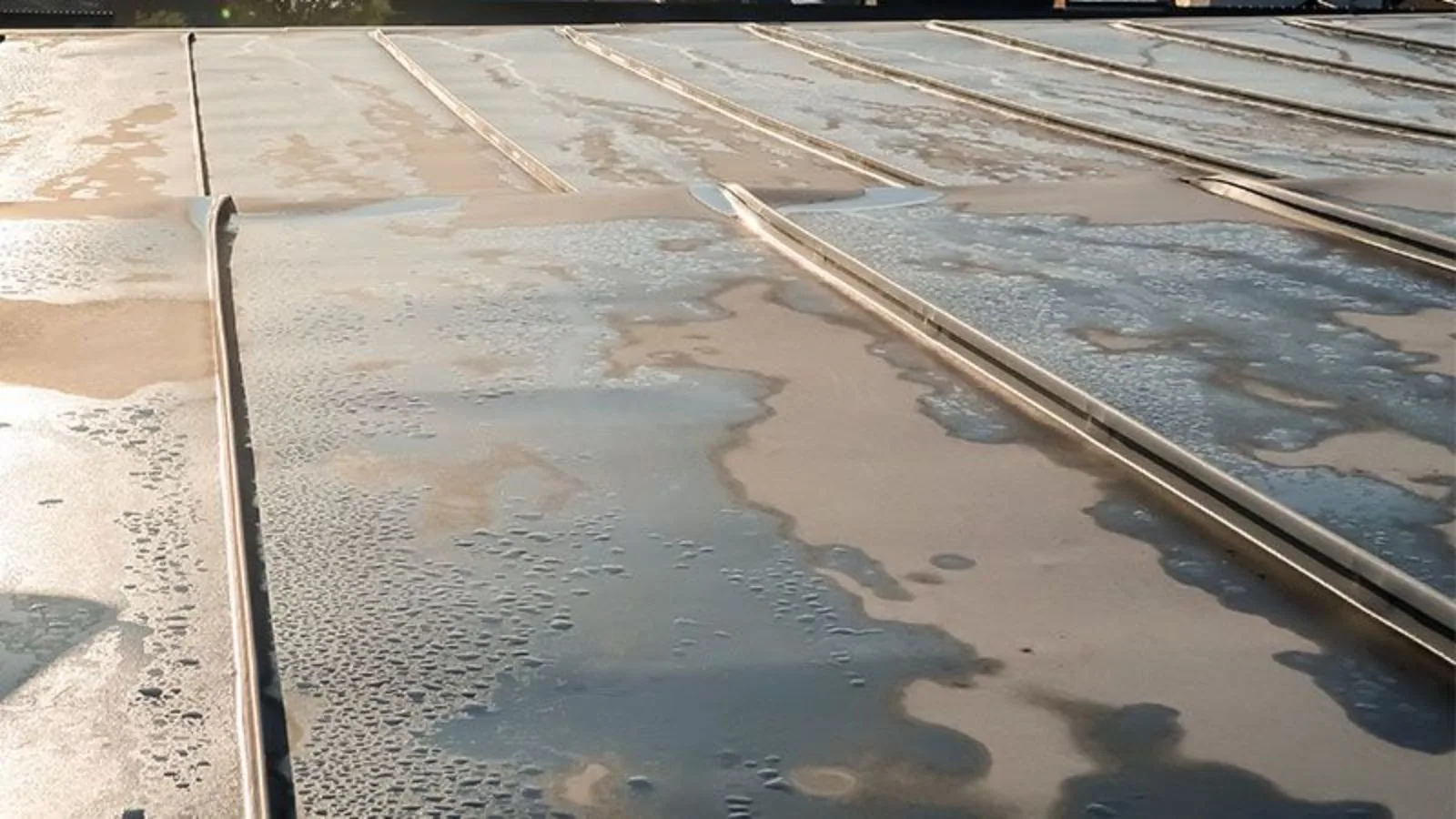
Dry paint does not show whether roof insulation is dry. Repeated rain can leave moisture inside the assembly after the room stops dripping. We check seams, curbs and wall connections, then investigate suspect material beneath the surface. Test openings require permission and a plan for closing them.

An infrared roof survey can help mark areas for investigation under suitable conditions. It does not replace confirmation of the assembly. We compare survey indications with physical findings and mark the affected roof area separately from the room stain.

A local repair is practical where the defect and damaged material are limited. Broader wet insulation changes the scope. We explain what must come out, what can remain and how new material will meet sound roofing. That explanation matters before choosing a recover or a coating that would hide unresolved damage.

Allow for repeated summer rain

Allow for repeated summer rain

Clearwater receives frequent thundershowers during its summer wet season. A blocked outlet can keep water over a resident wing between storms. We inspect the drainage route, including debris behind equipment and the roof surface beside each outlet. A clean drain is useful only when runoff can reach it.

Largo has Florida Suncoast Hospice and Palms of Largo among its employers, and US 19 crosses the city. Before work at a senior living property, map resident rooms, dining and service areas to the roof sections above them. Confirm which staff contact can coordinate access and material delivery. A roof over a care wing may need a different sequence from one over a laundry or kitchen, even when the membrane is the same. The room functions and roof details together determine the protection plan.

Morton Plant Hospital occupies a multi-pavilion campus overlooking Clearwater Bay. For senior living, a roof map should likewise distinguish separate wings and shared service areas. We label the work zone by the rooms and equipment below it, then review each boundary with the facility contact before setting a repair sequence.

Keep resident movement clear

A covered entrance may sit directly beneath the roof edge being repaired. We identify that conflict before setting ladders or lifting material. Staff and residents need a usable route that does not pass through falling-debris exposure. Required exits stay part of the access discussion.

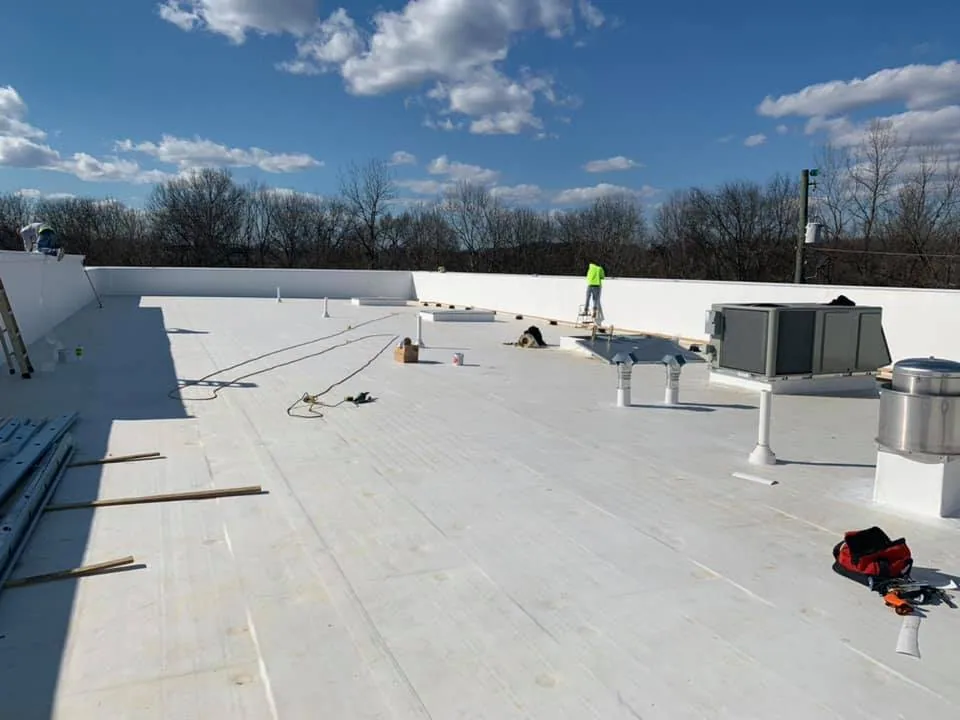
During reroofing above occupied care spaces, we divide the roof into sections that can be protected within the available conditions. Tear-off noise, fastening and odors are described by task. That lets staff plan meals, visits and resident movements against the steps that affect them.

Air intakes need particular care. Roofing dust or odor can enter a building through operating equipment. We coordinate any intake protection or shutdown with facility staff and the appropriate equipment contractor. Ventilation cannot simply be stopped because it makes roofing easier. Its operating requirements must be addressed before the work proceeds.

Price the protection with the repair

Price the protection with the repair

Removing wet insulation costs more work than sealing one open seam. Limited lift access, several roof levels and restricted work periods add separate tasks. We show those items in the scope so the manager can distinguish the roof correction from the measures needed to carry it out safely.

Our roof capital planning separates urgent work from later sections. Connected drainage or shared wall flashing can limit phasing. Where a temporary tie-in is workable, we identify its inspection needs and the point at which the next phase must join it.

The finished record belongs with the facility maintenance information. Photographs show the repaired connections and the areas still being watched. Through scheduled roof upkeep, drainage and equipment approaches can be checked before recurring rain makes a small defect an interior interruption.

Before scheduling, the facility should identify who can approve room access, relay a changed work boundary and brief the next shift. We explain the roofing sequence, the expected noisy tasks and any area that needs temporary protection. Facility leadership makes resident-care and relocation decisions. A clear handoff between day and overnight contacts keeps those decisions current if weather or a concealed roof condition changes the work plan.

Commercial Roofing Questions

A resident room leaks but the adjacent room stays dry. Can you work on just that area?

The roof findings decide the repair boundary. A limited flashing defect may permit localized work. Moisture extending beyond it or a shared drainage problem can require a larger area. We show staff the affected section before room protection and relocation decisions are made.

Should our care staff remain available during the roof inspection?

One designated facility contact helps us understand room access, sensitive operations and reporting procedures. Clinical staff do not need to accompany ordinary roof work. Their operating restrictions should reach the roofing plan through the agreed contact before any intrusive inspection begins.

Can tear-off wait until residents leave for an activity?

A usable weather window and enough time to close the section are essential. An activity period can help reduce disruption, but it may be too short for the roofing step. We compare the task duration with the care schedule before committing to that window.

The ceiling dried over the weekend. Does that reduce the scope?

Surface drying is useful information about the room, not proof about the insulation. We confirm the affected roof layers before reducing the repair area. Keeping wet material beneath a new repair can leave damage that requires another opening later.

Who do we call if water starts over a corridor overnight?

Use the facility emergency procedure to protect residents and isolate the affected interior. Our emergency roof response takes calls through the night, weekends and holidays. Weather and access govern immediate roof work; we explain temporary protection and the permanent correction after assessment.

Show us the affected wing

Send safe interior photographs and room locations, or book an inspection. We will explain the roof damage and coordinate the repair with your care team.

Request a Roof Assessment   or call 555-555-5555

Call555-555-5555