Commercial Roofing in Belleair, FL

Belleair commercial roofing starts with the installed assembly, leak paths and drainage. Our Clearwater team explains repair scope and safe occupied work.

A commercial roof in Belleair can leak through a wall transition that remains hidden behind a surface patch. The visible sheet may shed water while a loose upper connection admits it. We inspect the complete detail before deciding where the repair should begin.

We offer commercial roof inspection, repair and replacement in Belleair, FL, with service from Clearwater, FL. We examine low-slope and metal assemblies, investigate moisture and explain the available repair choices. The recommendation follows your roof's construction and condition. The work plan accounts for the occupied rooms, equipment and access beneath it.

Belleair lies south of Clearwater and northwest of Largo, and the Pinellas Trail passes through the town. For a property with shared management in these communities, we keep access contacts and repair records attached to the correct address. The roof inspection then gives each building its own material and repair decision.

Identify what is installed now

Identify what is installed now

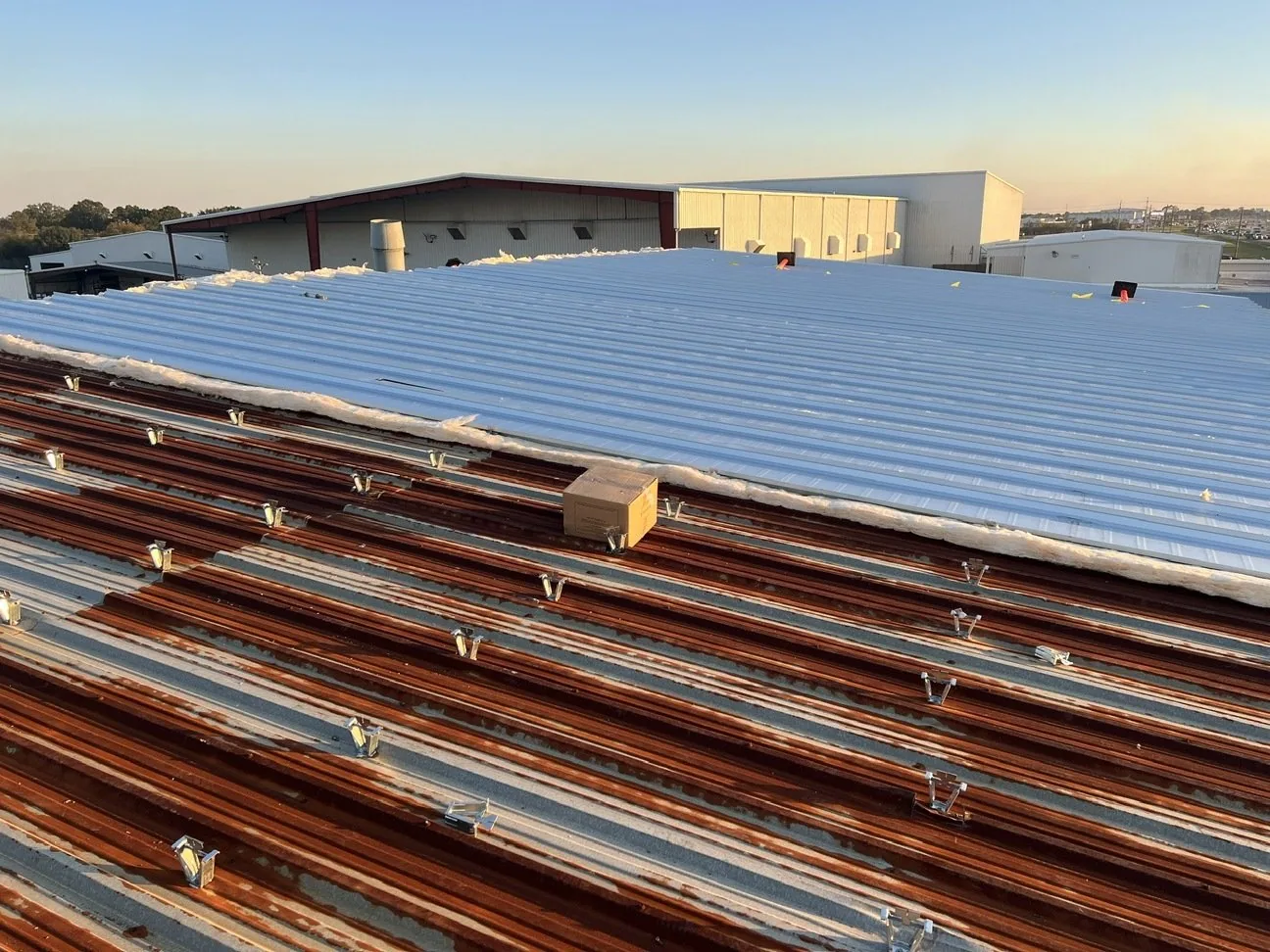
A roof can contain different materials across additions or earlier repairs. We inspect each section and its transitions rather than assigning one system to the whole building from a distant view. A metal cover over one area does not establish the assembly under another.

A commercial roof examination records the material, visible condition and access limits. We check seams, perimeter details and penetrations by the method suited to that system. The manager receives marked findings, not an unsupported judgment based on the address or building appearance.

Previous repair records can help identify material and dates, but the current connection still needs inspection. A repair may remain sound, or its edge may have loosened. We explain what we found before proposing removal. That keeps useful material in the discussion without assuming every old patch must be replaced.

Inspect the top of the flashing

Water can enter above a base flashing and travel behind it. We check the top termination, coping and adjoining wall joints along with the sheet at the roof surface. The full route matters when a stain returns after earlier patches.

Our flashing connection repairs identify which roofing parts need rebuilding and where wall work needs coordination. A sealant bead can serve a designed joint, but it does not replace missing sheet material or secure an unsupported termination. We explain the detail the repair is intended to restore.

Moving joints need a connection that suits the movement. The sheet, metal and supporting surface can respond differently to temperature. A rigid repair across those parts may split. We examine the existing arrangement and select compatible preparation and material rather than closing the face without checking the support.

Trace the roof's discharge path

Trace the roof's discharge path

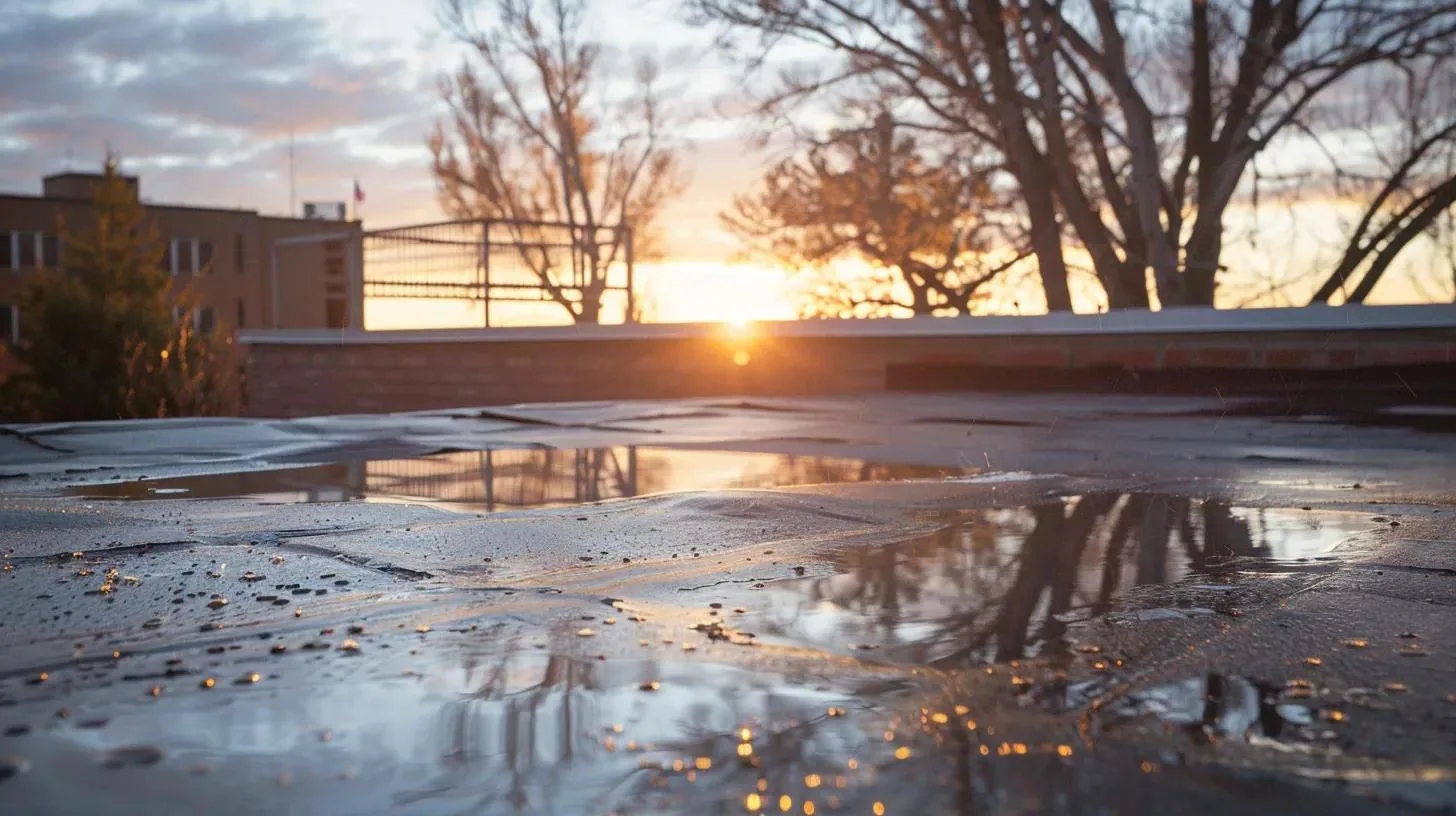
A low-slope roof needs a continuous route to its outlet. A support, debris pile or depression can interrupt that route before water reaches the drain. We inspect the roof shape and mark areas where water has remained.

Repairing drains and scuppers can involve the outlet flashing as well as an obstruction. A clean bowl may still have a damaged connection to the roofing. A sound outlet cannot remove water trapped in a separate low area. Those conditions are explained as different repair tasks.

When slope correction is needed, we review the adjoining curb heights and terminations. Added material changes more than the field surface. The repair should move water toward the intended discharge and preserve usable connections. Any downstream piping concern is identified for the appropriate coordinated check.

Examine the concealed damage

Insulation can stay wet between rain events even when the exterior dries. A recommendation to cover or coat retained material follows investigation of the suspect area. A new finish does not remove trapped moisture from the retained assembly.

Where appropriate, an infrared roof investigation can help locate patterns needing closer examination. We assess those patterns against construction and confirm suspect areas. The findings and limits are explained so the owner knows what evidence supports material removal.

The deck also needs review where water damage or testing indicates a concern. Supporting repair can change the method and sequence beneath the roofing. We distinguish visible findings from conditions that remain concealed until opening. The proposal can then explain the inspection boundary instead of implying certainty where access has not established it.

Protect the interior work boundary

Protect the interior work boundary

A crew opening the assembly needs to know what occupies the space below. Management identifies equipment, stored items and rooms with particular restrictions. We explain noise, removal and temporary protection before the work period is selected.

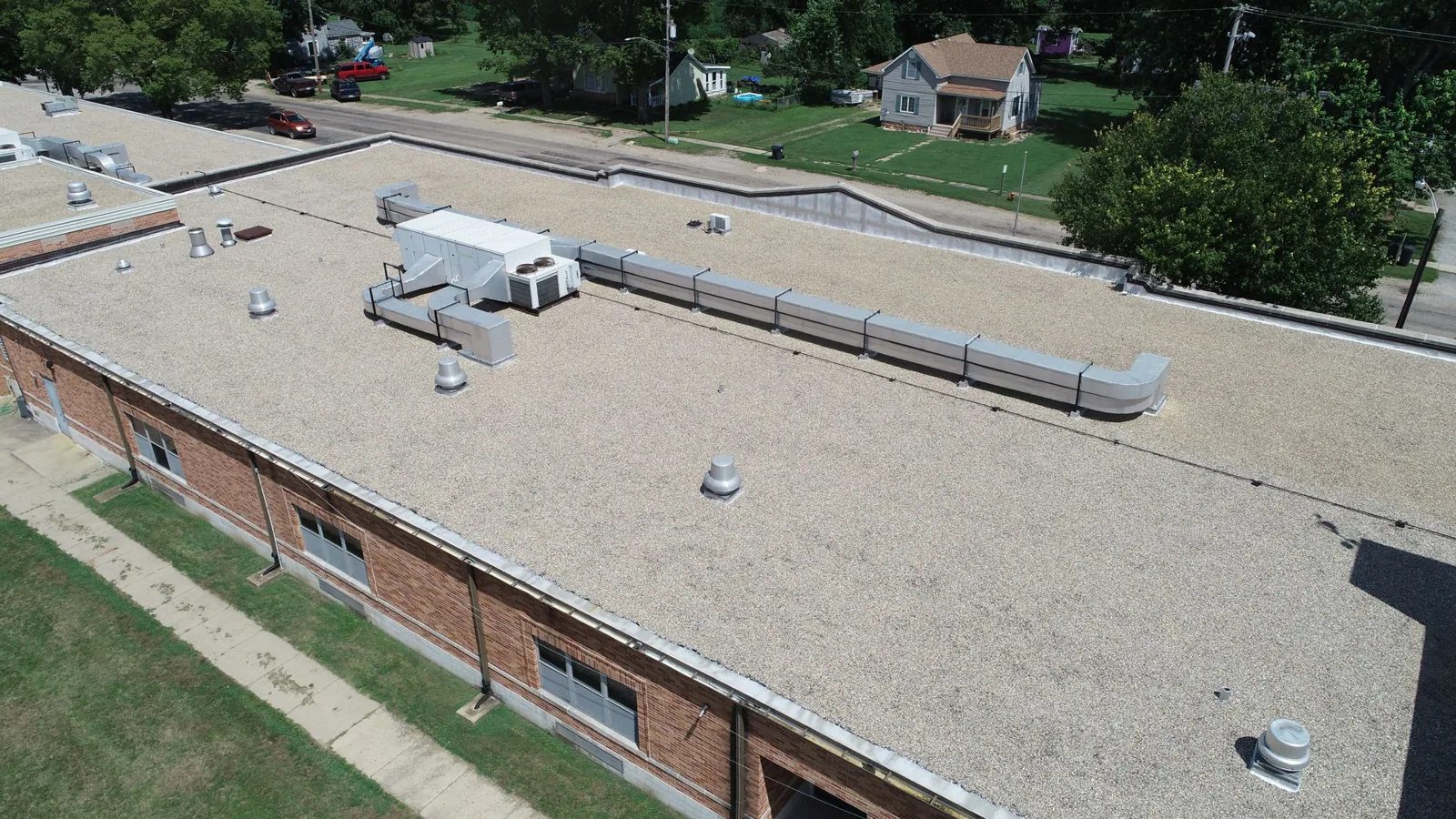
Roofing over active interior spaces includes air intakes, required exits and material routes. A roof hatch may be usable while the corridor beneath it remains busy. We plan controlled movement rather than relying only on the exterior access point.

For properties near the Pinellas Trail, we confirm any adjoining public movement directly during the site visit. The trail's presence does not establish the building's entrance or service route. Deliveries, lifting and debris removal are arranged around the specific address and the available protected area.

Compare complete repair choices

A defined defect in a sound assembly may suit focused repair. Restoration needs suitable adhesion, corrected details and dry retained layers. Widespread damage or attachment problems may lead to replacement. We show the finding that supports each option.

Coating an existing commercial roof is assessed as a system choice, including preparation and connections. Equipment moves, supporting repairs and access can affect both restoration and replacement costs. The owner receives those tasks in the scope rather than comparing exterior finishes alone.

Buildings here and in Largo keep separate roof records when visits are coordinated. Tampa Bay's wet-season storms affect safe work windows, and we take urgent calls overnight and during holidays. Temporary protection follows access and weather review. With your photographs and an inspection, we can show the roof condition and set out a practical repair sequence.

An Indian Rocks Beach roof visit needs its own reported location and receiving instructions when the owner coordinates several properties.

Belleair's position between Clearwater and Largo makes coordination with the property contact important for arrival and access. The Pinellas Trail is a useful geographic reference, but it does not establish a building's roof type or an approved staging point. We confirm the property's own route, nearby pedestrian movement and any occupied rooms below the task. A low-slope roof beside a metal section may require separate condition findings and tie-in details. The inspection records each surface and drainage path independently, so a repair or replacement recommendation follows what is installed rather than the property's neighborhood or development history.

Commercial Roofing Questions

The roof has several different patches. Can you identify the underlying system?

We examine the exposed assembly and available material records, with closer access where needed. Some layers may remain concealed until testing or removal. We explain what is established and what still needs investigation before selecting a compatible repair detail.

Can a wall leak make a recent roof patch look unsuccessful?

Water entering above the flashing can pass behind the roof connection. We inspect upper joints and the patch together, then compare them with the interior report. The findings distinguish a returning roof defect from wall water that needs coordinated work.

Why review curb heights before adding slope insulation?

The higher roof surface changes how much curb and flashing remain exposed. We check those connections before adding material. The drainage correction must preserve suitable termination heights and equipment access, rather than raising the field while burying a detail.

Can coating reduce removal over our occupied rooms?

A suitable assembly may support restoration after preparation and repairs. Wet layers or failing attachment need correction first. We assess the roof, then explain the disruption for each viable method. Occupancy affects sequencing but cannot make unsuitable material ready for coating.

What helps you schedule a Belleair commercial repair?

Provide the property address, interior leak locations and the access contact. Photographs and earlier repair records help too. We inspect the assembly and confirm staging, protection and operating restrictions before agreeing a work period.

Bring the current repair record

Send Belleair leak locations and photographs or arrange a roof inspection. We will explain the installed assembly and the work needed at its connections.

Request a Roof Assessment   or call 555-555-5555

Call555-555-5555