Commercial Roofing in Tarpon Springs, FL

Tarpon Springs commercial roof work examines metal joints, wall flashing and water paths. Our Clearwater team explains repairs and occupied-building access.

A commercial roof in Tarpon Springs can leak where an old repair ends beside a wall joint. The patch may close one opening while the adjoining flashing remains loose. We examine the transition and the retained layers before adding another repair over it.

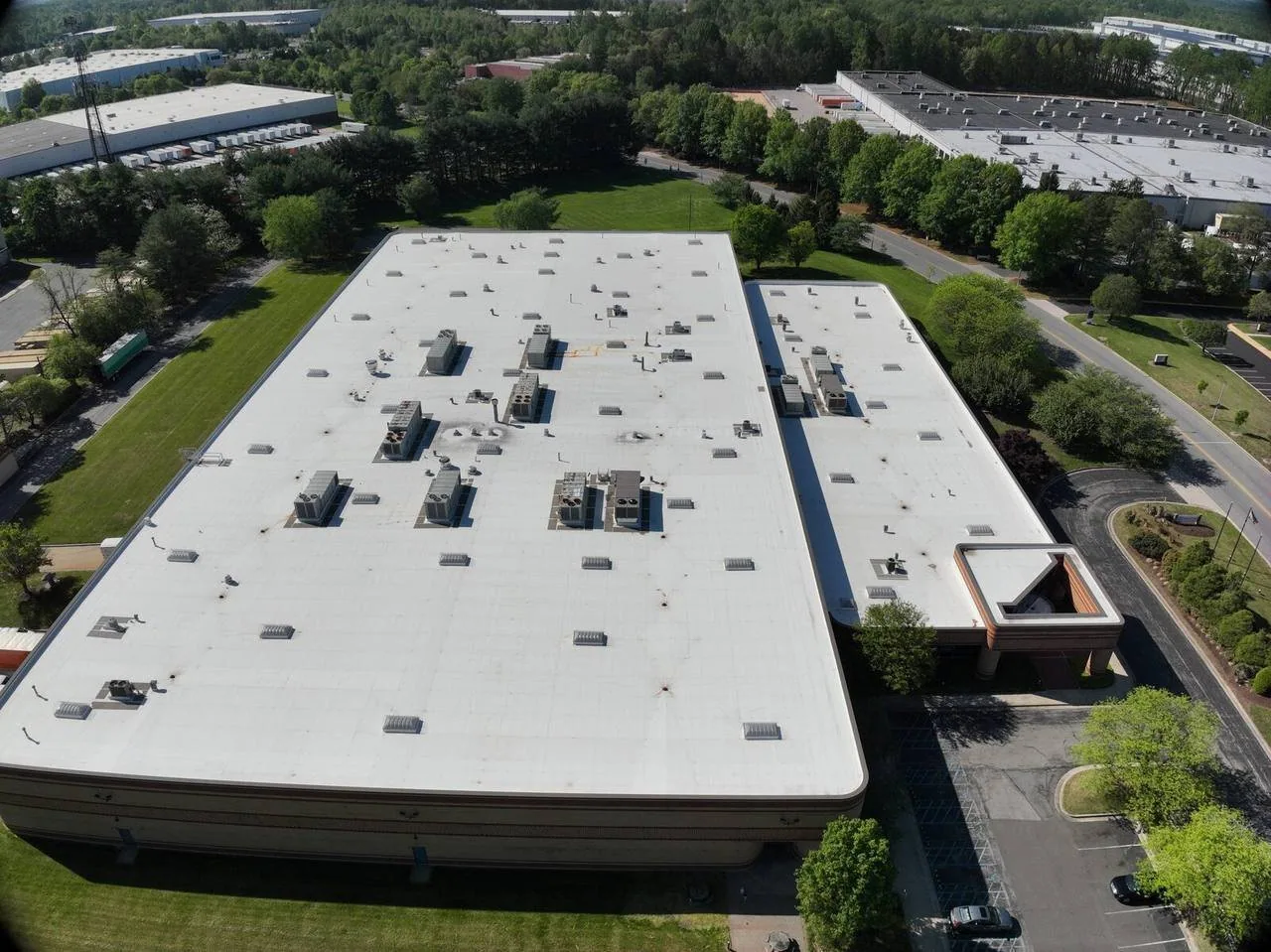
We provide commercial roof inspection, repair and replacement in Tarpon Springs, FL, serving the area from Clearwater, FL. Metal and low-slope roofs are assessed by their installed construction and condition. We explain moisture findings, attachment and the work needed at each connection. That assessment guides focused repair, restoration or a larger replacement.

The Sponge Docks include historic sponge packing houses, while AdventHealth North Pinellas provides a different operating setting. Tarpon Springs also has historic districts and commercial activity along US 19 and Alt US 19. A roofing proposal needs the actual building's access and construction, not a material assumption based on its address.

Inspect the patch boundary

Inspect the patch boundary

A thick repair layer can hide the edge of a damaged detail. We check its bond, material and surrounding condition. The visible face may look closed while water travels beneath a loose termination or through an adjoining seam.

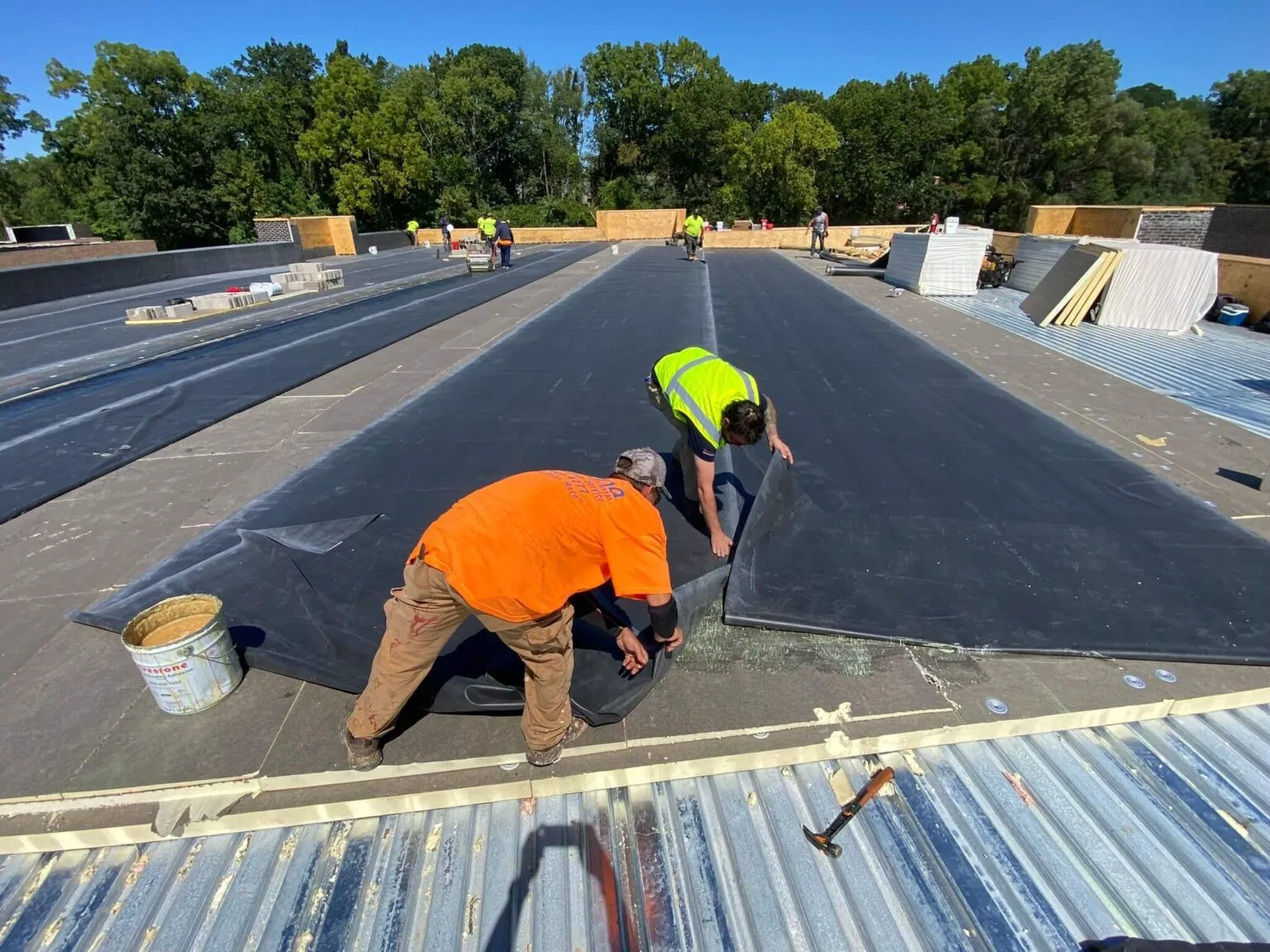
Targeted roof repair starts by identifying the existing assembly. We explain which previous material can stay and what needs removal for the new connection. Compatibility matters at the patch edge as well as the main repair area.

At a wall, we inspect higher joints and coping too. A roof patch does not correct wall water entering above it. Connected wall and roofing work are described separately so the project team can schedule them in a sensible order. Each completed detail should remain protected while the next task proceeds.

Identify the current roof

A historic designation describes the property, not the roof layers present today. Repairs, replacements or additions may have changed the assembly. We examine what is installed and record limits where a connection is concealed.

The Sponge Docks include the E.R. Meres and N.G. Arfaras packing-house buildings. Tarpon Springs also has the Greektown Historic District and buildings such as the Tarpon Springs Depot and Arcade Hotel. Those places make project requirements worth reviewing. They do not establish present roof material, structural condition or prior repair history.

A marked roof condition assessment keeps visible defects, further testing and project constraints clear. Photographs are tied to roof locations. The manager can then use the report for repair planning without treating the building's history as evidence of current damage.

Check surfaces after severe weather

Check surfaces after severe weather

Impact marks, split sheets and disturbed metal need close examination after a storm. We compare the visible damage with the surrounding material and connection. A dent does not automatically establish an opening, while a small split may need prompt repair.

Tarpon Springs summers include afternoon thunderstorms that can produce hail, and storms can bring tornadoes or waterspouts off the Gulf. These are local conditions to consider when planning inspections. The actual roof finding still determines the repair. We do not assign a storm cause simply because a defect was noticed afterward.

Roof repairs after storm damage include photographs of the affected details and materials. Earlier records help distinguish existing concerns from new damage where available. The owner receives the roofing scope separately from equipment, wall or interior repairs that may also be required.

Examine the low area and outlet

Water collecting beside a raised detail can keep seams wet longer than the surrounding field. We trace its route and inspect the low area's condition. Clearing the final outlet may not solve an obstruction farther upslope.

Our drain and scupper repair scope can address flashing, debris and the surrounding roof connection. Where slope needs rebuilding, we explain the insulation or supporting work involved. Raising a low area also changes adjoining detail heights, so those connections need review before material is added.

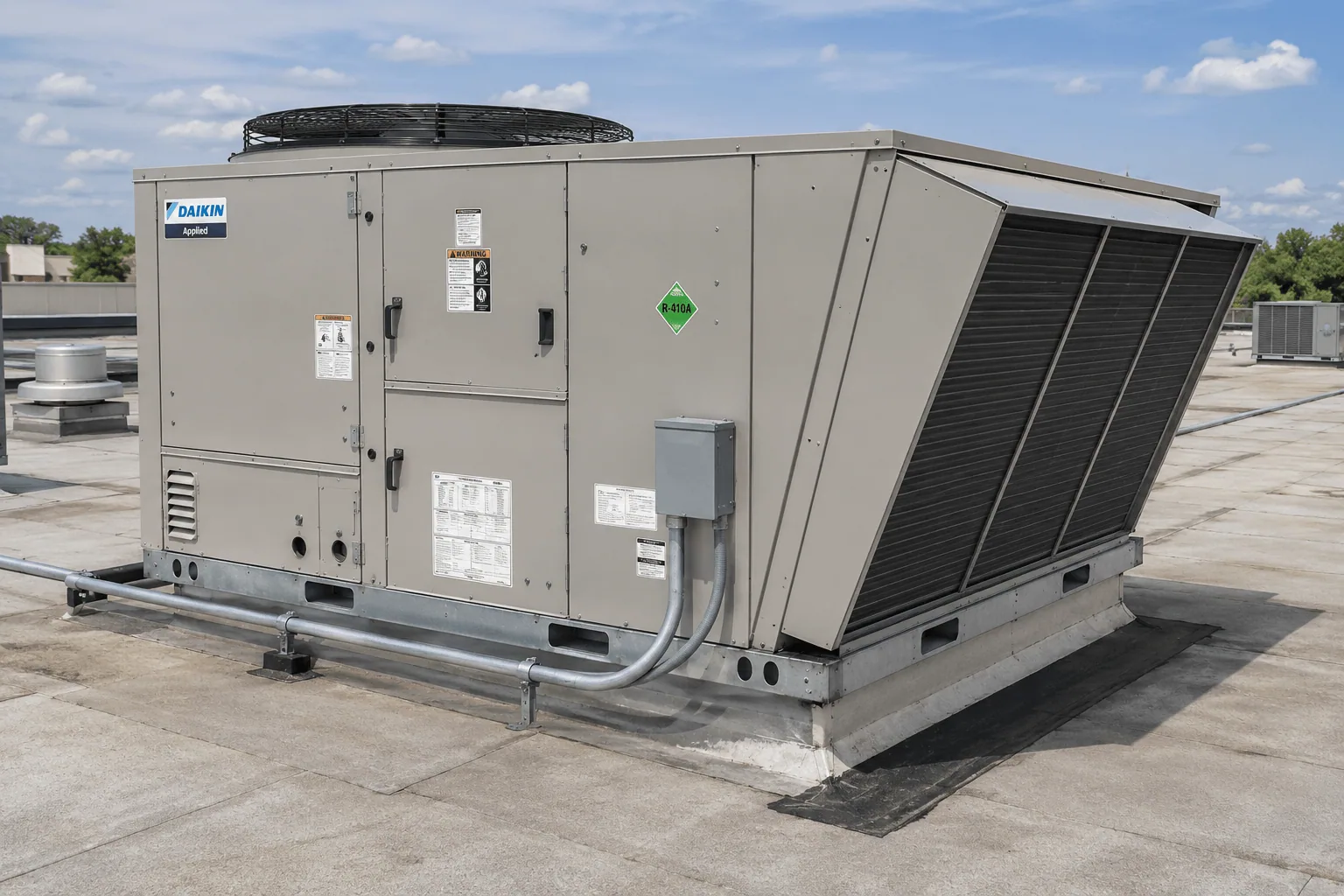
We inspect equipment supports and service paths along the route. A protective pad or new curb should not create a barrier to runoff. Drainage, attachment and maintenance access are checked together. That lets the repair restore water movement without leaving another detail harder to inspect or service.

Agree who needs protection

Agree who needs protection

The proposed opening needs to be matched with the interior space beneath it. Management identifies people, stock and equipment that need separation. We explain removal, fastening and lifting activity so the protection plan can be set before the roof is opened.

For roof work above healthcare operations, facilities staff identify air intakes and departments with particular restrictions. At retail or hospitality properties, receiving hours and public routes may control access differently. Those instructions are confirmed for the specific building.

US 19 and Alt US 19 are the city's main highway corridors. A road connection helps plan arrival, but the actual unloading point and staging area require direct review. We confirm the entrance, work height and removal route before selecting equipment or agreeing dates with management.

Explain the retained layers

Before a coating or recover, we investigate moisture and supporting condition. A surface that dries after rain can leave wet insulation below. The damaged extent needs to be established before existing material is retained under a new finish.

Rebuilding damaged insulation layers can form part of a focused repair or a broader replacement. We show the boundary and explain the connection to sound material. Access and equipment moves are included where they affect the work rather than left outside the comparison.

For owners managing sites here and in Palm Harbor, the roof records remain separate. Emergency assistance is available every day, overnight and during holidays. Temporary protection begins with an assessment of safe roof access. Send photographs or request an inspection so we can show the damaged connection and explain the permanent repair.

An additional New Port Richey inspection should carry the staff observation and room reference that the roof examination is intended to investigate.

Tarpon Springs includes active commercial corridors as well as historic buildings and waterfront destinations. A property's current roof, later additions and operating schedule matter more than its original construction period. We verify the present assembly and document transitions where older sections meet newer work. Along US 19 and Alt US 19, a retail or care property may need deliveries and public access coordinated separately from the roofing sequence. Strong summer storms can bring hail, while more severe systems may produce tornadoes or waterspouts offshore. After weather passes, the inspection records visible roof damage and interior reports before defining the repair area.

Commercial Roofing Questions

Our old patch is intact but its edge has lifted. Does it need removal?

The bond and surrounding membrane determine how the detail can be rebuilt. We examine the lifted area and check compatibility with the existing roof. Loose or unsuitable material may need removal before a new patch can form a sound connection.

Can you choose repair materials from the building's historic age?

We identify the current assembly instead. A building may have roofing installed or altered after its original construction. Applicable project constraints also need review. The repair material follows the installed system and the condition of the connection.

Do hail marks mean the membrane has failed?

An impact mark needs inspection for splitting, puncture or damaged underlying material. Some marks affect appearance without opening a water path. We record the actual condition and explain any testing needed rather than treating every visible mark as the same damage.

Why check the low roof before repairing an upper outlet?

The receiving surface shows where concentrated runoff goes and whether it has damaged a seam or flashing. We inspect the connected route. An outlet repair can be incomplete if the discharge still directs water against an unsuitable lower detail.

Can we keep customers using the entrance below the repair?

Overhead work needs a protected separation or an alternate route. We review lifting, removal and required exits with management before scheduling. The plan identifies which tasks affect the entrance and when a temporary restriction is necessary.
Show the old repair edge

Send Tarpon Springs roof and interior photos or request an inspection. We will explain the existing assembly, repair boundary and access requirements.

Request a Roof Assessment   or call 555-555-5555

Call555-555-5555