Commercial Roofing in Westchase, FL

Westchase commercial roofing checks roof transitions, drainage and concealed moisture. Our Clearwater team explains repair options and site access needs.

A commercial roof in Westchase can leak at a change in height where water from an upper section reaches a weakened lower detail. The repair needs the connected route inspected. Closing one seam may leave an adjoining wall joint or discharge opening unresolved.

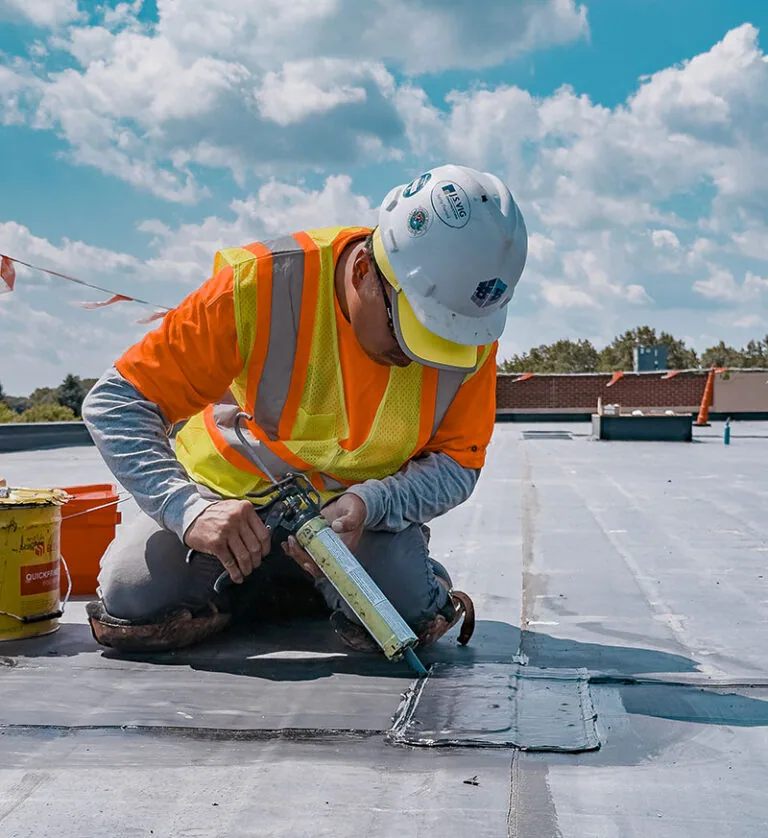
We provide commercial roofing in Westchase, FL, with service from Clearwater, FL. Inspection, repair, replacement and maintenance start with the installed roof system. We explain the connections, damaged materials and access that affect the work. A coating or recover is considered only after retained layers and attachment have been assessed.

Westchase lies in northwestern Hillsborough County near the Pinellas County boundary, and Tampa Bay Downs is located there. A commercial work plan needs the particular property's operating calendar and permitted service route. We discuss those arrangements directly rather than treating the surrounding community as evidence of roof construction or condition.

Inspect the transition as one detail

Inspect the transition as one detail

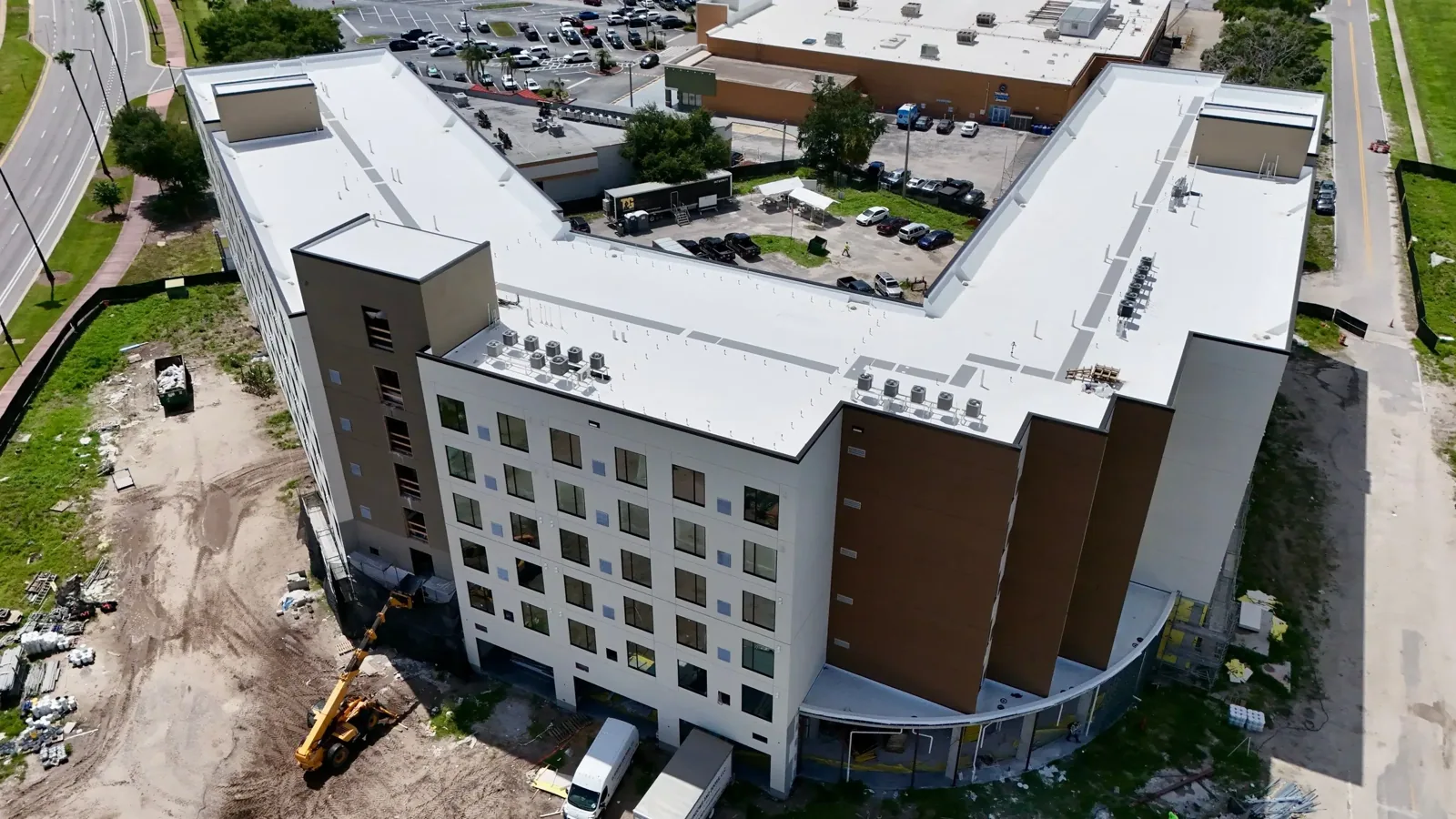
An upper outlet may send concentrated runoff onto a lower roof. We inspect the receiving surface and the connection between levels. A raised curb or wall can redirect that water toward a seam that usually drains freely.

Our work on roof drainage connections examines outlet flashing, obstructions and roof shape. Each finding is explained separately. A split outlet needs rebuilding even if it flows freely, while a depressed section needs a different correction from cleaning.

We also check the wall termination at the transition. Water entering above the roof can run behind base flashing. Connected wall and roofing tasks are identified with their work boundaries and sequence. That prevents new membrane work from being left beneath an upper joint still admitting rain.

Match the work with operating dates

A roof task can affect entrances, staff routes and interior rooms through noise or material movement. We mark those areas and explain the steps before the calendar is agreed. The manager identifies activity that requires a different time or protected separation.

Tampa Bay Downs is a Thoroughbred racetrack in Westchase. For an event-oriented property, we ask for the actual operating schedule and work restrictions. The presence of an event venue nearby does not mean every commercial address follows the same dates. Each work plan needs its own access and protection discussion.

Replacing roofing while the property operates includes the daily opening, temporary closure and affected spaces below. We limit exposure to what can be protected in suitable conditions. A calendar gap helps scheduling but cannot make rain, lightning or unsuitable bonding conditions workable.

Confirm who controls the work area

Confirm who controls the work area

A roof inspection needs the authorized access contact and any requirements for staging or common routes. We confirm those before arrival. A person reporting a leak may not control the roof hatch, service yard or unloading point.

Westchase has a Community Development District responsible for common areas of its planned neighborhoods. Where a commercial task affects shared access, management identifies the relevant permissions. Roofing responsibility and entry instructions still need confirmation for the actual building.

Properties in Westchase and Town 'n' Country can coordinate visits while keeping individual roof records. The county boundary and neighborhood arrangements are useful location context. They do not establish identical permits, assemblies or access routes. We review the proposed scope and property's own instructions before setting dates.

Show what the inspection establishes

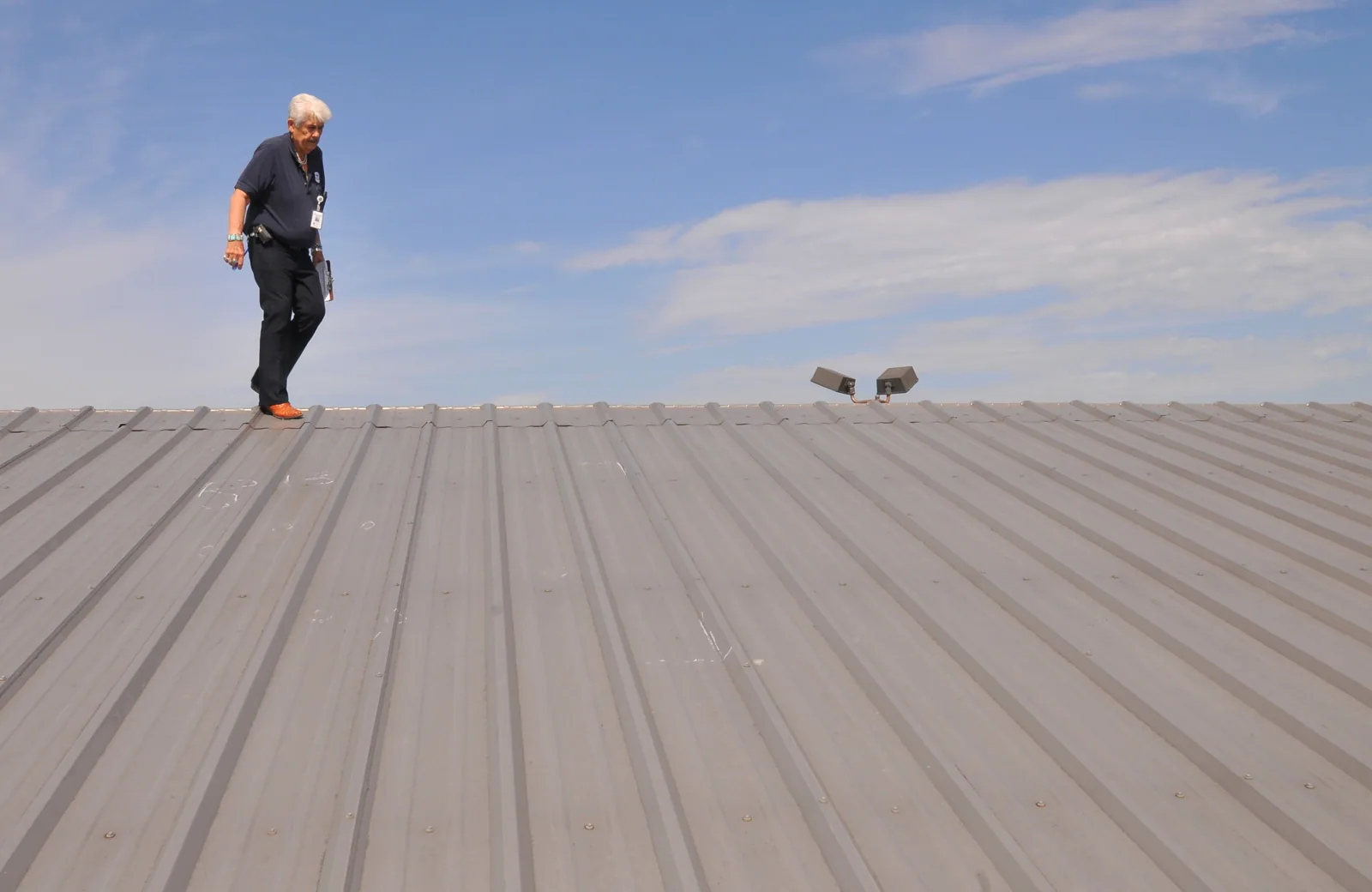
A surface walk can identify visible openings but cannot expose every concealed layer. We explain those limits and mark where further testing or access is needed. The manager should know which findings are established before the proposal assumes material retention.

A location-marked roof report links photographs to the assembly and interior reports. We distinguish active defects, developing concerns and investigation items. Dated repair records help compare a new report with work that was actually completed.

For infrared investigation beneath the roof surface, suitable conditions and interpretation matter. We compare patterns with the construction and confirm suspect areas as required. One image does not identify the condition of every supporting layer. The report describes what the assessment supports and what remains concealed.

Choose the work that reaches the damage

Choose the work that reaches the damage

A sound assembly with a defined opening may suit focused repair. Wet insulation, supporting deterioration or weak attachment can require broader removal. We show the damaged extent instead of using only the visible split as the boundary.

Replacing damaged roof insulation needs compatible layers and workable tie-ins. A coating renews a suitable surface after required correction. A recover adds material over suitable retained construction. Replacement is a different option where retention would leave unresolved damage. We explain what each approach leaves and removes.

Equipment movement, work height, staging and protection below affect the cost and sequence. We include those tasks in the scope so the owner can compare complete options. A roof material name cannot by itself explain how much supporting or connection work the property needs.

Record the completed connection

Frequent storms develop in Tampa Bay afternoons during the wet season. We check the current forecast and site conditions before opening roofing or using material that needs a dry surface. Temporary closure at retained sections is examined before the exposed area is left protected.

After repair, roof maintenance with repair records tracks outlets, transitions and service paths. The next equipment change can be compared with the finished flashing. That helps staff identify a disturbed connection before repeated rain produces another interior report.

We take emergency roof calls at all hours, including holidays and weekends. Immediate protection follows safe access and weather review. The permanent correction is then explained with its remaining tasks. Arrange a Westchase visit with the affected rooms and photographed symptoms identified. We can then show the detail and discuss a practical work period.

A Westshore roof assignment can use a coordinated management contact while the proposed removal, receiver preparation and affected tenant activity remain attached to its building.

Westchase combines commercial properties with managed community areas in northwestern Hillsborough County. The property owner or manager should identify who controls roof access, shared routes and any nearby public space before work is scheduled. A local destination such as Tampa Bay Downs provides geographic context, but its operations do not establish neighboring properties' schedules or roof systems. We inspect each roof section and confirm where water discharges before planning the repair. The work sequence includes a daily closure check because wet-season afternoon storms can arrive while crews are still on the roof.

Commercial Roofing Questions

Can work be scheduled between operating events?

A suitable opening and closure period needs to fit both the task and current conditions. We explain the noisy steps, protection and access first. Management can then identify workable dates without assuming a short calendar gap is enough for every repair method.

Who should arrange permission when staging affects a shared route?

Property management should identify the authority responsible for that space. We describe the proposed material movement and restrictions so the necessary permissions can be arranged. Roof access and common-area access may involve different contacts, and both need confirmation before arrival.

Why inspect an upper roof when the stain is under the lower section?

Upper runoff or wall water may reach the lower detail. We trace the connected route and inspect its transitions. The location of the drip directs the investigation but does not establish which part first admitted water.

Can a dry roof inspection rule out wet insulation?

Surface dryness cannot establish the condition inside the assembly. Leak history and visible signs can indicate where closer investigation is needed. We explain testing and confirmation requirements before recommending a finish that would retain those layers.

Do similar neighboring roofs need the same replacement date?

Each assembly needs its own condition record. Material, drainage, repairs and attachment can differ even where buildings look alike. We compare inspection findings and priorities rather than assigning a common replacement date from appearance or location.
Bring the permitted work dates

Send Westchase roof photographs and the operating contact or book an inspection. We will explain the findings and a workable repair sequence.

Request a Roof Assessment   or call 555-555-5555

Call555-555-5555