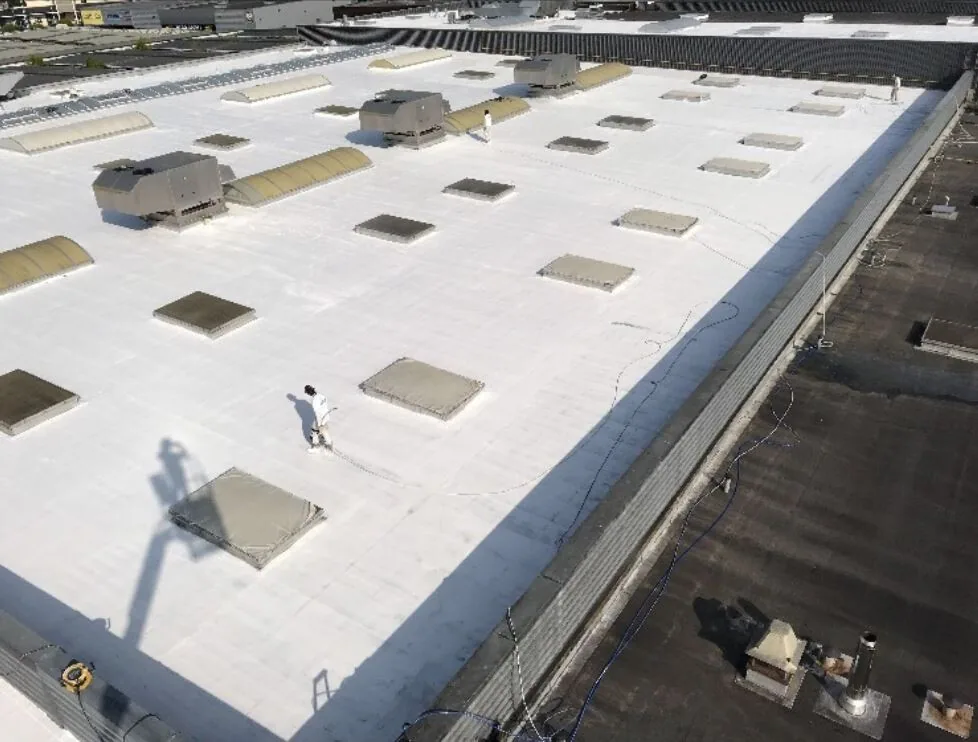
Roof Insurance Claim Assistance in Clearwater, FL

Roof insurance claim documentation in Clearwater, FL: dated photos, damage maps and clear scopes that separate storm damage from old wear.

A storm roof record becomes harder to assess when it lacks dated locations and clear damage descriptions. The adjuster arrives, sees a roof that has aged, and cannot tell what the storm did and what the years did.

That gap is fixable. It closes with dated photos, a map of every defect, and a plain statement of cause for each one. The roofing record describes physical findings rather than settling coverage or legal questions. It requires someone to climb the roof, look closely and write down what is there before the evidence changes.

For owners in Clearwater, FL, that someone is us. We build the roof side of the file. The insurer decides coverage. Here is how the roof side comes together, and what to do before and after a storm to make it stronger.
Where claims lose ground

Where claims lose ground

Most weak claims share the same few flaws. They are easy to avoid once you know them.

  • No before photos, so no one can show the roof was sound.
  • Repairs made first and documented later, which erases the evidence.
  • Old wear and storm damage lumped together in one vague description.
  • A scope that says "repair roof" without locations, quantities or causes.
  • Delay, which lets rain add new damage that looks like neglect.

The reason it matters: an insurer reads a file the way a teacher reads an essay. A clear structure earns a fair reading. A pile of loose photos earns questions, and questions slow every step after them.

A roof that has been maintained helps the file, because a dated record shows its condition before the storm. Where earlier records are unavailable, we describe current observations and the limits of any comparison.

What to gather first

You can start the file before we arrive. Here is what to collect:

  • The policy, and the page that lists the deductible. Some Florida commercial policies set a separate windstorm or hurricane deductible, so read yours closely.
  • The date and time of the storm, and when you first saw damage.
  • Photos of the roof and the interior, taken before anything is moved or repaired.
  • Past inspection reports, repair invoices and maintenance photos.
  • Names and phone numbers for your tenants, so we can reach those with leaks.

If water is entering, stop it. Temporary protection is expected and reasonable, and it keeps a small loss from becoming a large one. Keep receipts for tarps and temporary patches, and photograph the roof before and after.

What we put in the file

What we put in the file

Step one is the survey. We walk the whole roof, edges first, then the field and the details, and photograph every defect with the date and location.

Step two is the cause. Each item records the observed damage pattern and any supported cause. We distinguish confirmed findings from suspected causes and do not assign an event date from appearance alone. Each cause description needs evidence. Where timing or cause is uncertain, we state the observed condition and the further information needed.

Step three is moisture. If water may have reached the insulation, we investigate suspect thermal patterns under suitable conditions with an infrared scan and confirm with meter readings or cores. Wet insulation changes the scope, and the readings back it up.

Step four is the scope. We list the repairs by location, with materials and quantities, so the estimate can be checked line by line. When it fits, we also price a temporary repair separately.

Step five is the adjuster visit. We can meet the adjuster on the roof, point out each item and answer technical questions on the spot. Our storm damage assessment and the claim file use the same photos and measurements, so nothing has to be redone.

Two storms, one file

Pinellas County took two major storms in a few weeks. Hurricane Helene in September 2024 pushed record water onto the coast, with levels 4 to 7 feet above MHHW along coastal Pinellas, and more than 29,000 businesses and homes were affected. Milton arrived in October with gusts past 100 mph, and in St. Petersburg it tore part of the roof from Tropicana Field.

When wind and water both show up in a county, the file has to say which force did what. Surge reached buildings from the ground, as it did in downtown Gulfport, where water up to 8 feet high swamped the area. Wind worked on roofs. Policies often treat the two differently, so the roofing record distinguishes observed entry paths for the insurer's review.

It also helps to know that Milton produced at least 46 confirmed tornadoes in Florida. Wind and impact damage require site evidence; overlapping patterns may not identify an exact storm mechanism. Our report names the mark and the likely cause, so the adjuster can see how we reached it. Findings from wind damage look different on a roof from water findings, and the report is written to show the difference.

Build the file before you need it

Build the file before you need it

The strongest claim file is one that already exists. A dated roof inspection before the season gives you a baseline: photos of accessible edges, drains and details with their actual condition recorded. After a storm, the comparison does most of the talking.

Three habits help:

  • Keep the inspection and maintenance reports in one folder, on paper and in a shared drive.
  • Photograph the roof every spring, including the equipment and the drains.
  • Log every repair with a date and a short description of the work.

Owners with many buildings can keep one set per roof, so a loss at one building does not depend on records from another. Our roof condition reports are written for that purpose, with dated photos and a rating for each finding.

The same file serves anyone on the insurance restoration side of a loss, because a clear record shortens the path to the repair.

Keep the roof record factual and organized from the first inspection. Photographs should show the overall area as well as the detail, with dates and locations that can be matched to a roof plan. Separate observed damage from pre-existing wear, maintenance needs and conditions that remain concealed. An estimate should describe the work needed to restore the assembly and explain quantities without promising how an insurer will interpret coverage. If temporary protection is installed, record its location and later removal. This gives the property owner a consistent file for conversations with the carrier, adjuster and contractor while keeping the repair decision grounded in the roof's actual condition.

Commercial Roofing Questions

Who decides whether the damage is covered?

The insurer decides coverage, under the terms of your policy. Our part is the roof findings: damaged locations, observed patterns, supported causes and the proposed repair tasks. We do not promise outcomes.

What if the adjuster calls the damage old wear?

Ask for the reasoning in writing, then compare it with the photos and the pattern on the roof. Tears and displaced materials are observations to compare with earlier records and event timing; their appearance alone does not establish the damage date. We can walk the roof again and add detail if the dispute is about one specific item.

Can you meet the adjuster on the roof?

We can. We bring the damage map, point out each item, and explain how it formed. That permits a direct discussion of accessible details and unresolved findings.

How long should I keep roof records?

Keep them through the claim and well after the repair. Photos, reports, invoices and receipts also help with a later sale, a lease dispute or a lender review. Store copies off site as well as on site.

What if I find more damage after filing?

Report it promptly and add it to the file. Hidden damage under a membrane often appears after the first rains, and an updated scope with fresh photos is normal. We document it the same way we documented the first round.

Send photos and your policy dates

Send photos of the damage and the dates of the storm, or book an inspection. We will build the roof side of the file, show you each finding, and explain what it means. Call any day of the week.

Request a Roof Assessment   or call 555-555-5555

Call555-555-5555