Commercial Roofing in Gulfport, FL

Gulfport commercial roof repairs inspect storm openings, coastal metal and drainage. Our Clearwater team explains findings and plans safe occupied work.

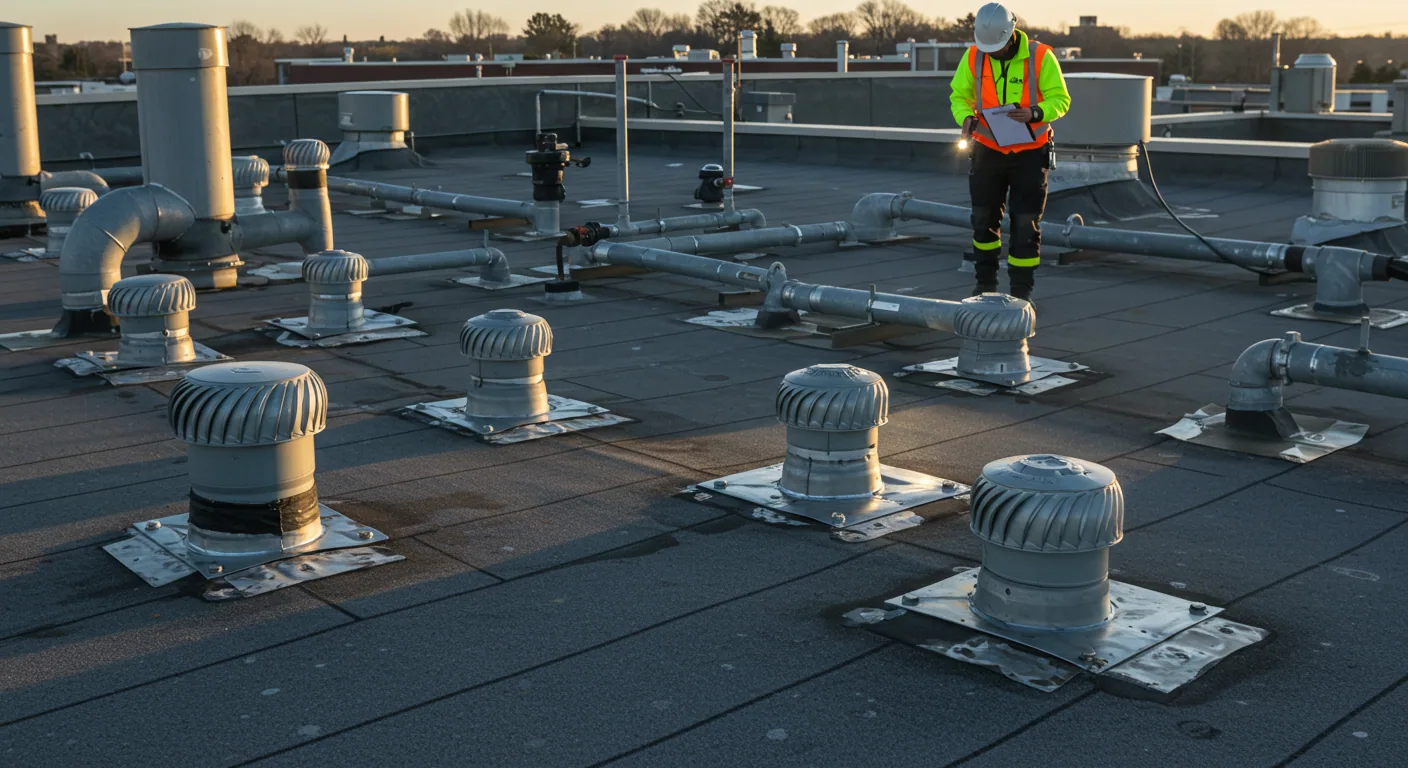
A commercial roof in Gulfport can leak after a storm loosens metal at a wall or perimeter connection. The opening may remain small while water spreads beneath it. We inspect attachment and affected layers before deciding whether the permanent repair can stay local.

We provide commercial roofing in Gulfport, FL, with service from Clearwater, FL. Our work includes inspections, leak repairs, replacement and suitable restoration of metal or low-slope assemblies. We show the damaged detail, explain retained-material condition and discuss protection for the spaces below. The work follows roof findings rather than a general assumption about coastal damage.

Gulfport has a municipal marina beside Clam Bayou Nature Park and Williams Pier on Boca Ciega Bay near the Casino Ballroom. Waterfront activity gives property managers access and public-movement concerns to discuss. The roof inspection and delivery plan still need to address the actual building where work is proposed.

Separate flood damage from roof entry

Separate flood damage from roof entry

Water rising through lower spaces and rain entering above a ceiling need different investigations. We record the roof's openings and compare interior locations and timing. The roofing scope should not treat every water-damaged room as evidence of a membrane failure.

Helene's September 2024 surge flooded Gulfport's downtown and surrounding areas. That local history makes careful water-route documentation useful. It does not establish the present condition of a particular roof or prove the cause of a later stain. We examine the assembly and available earlier records directly.

Repairing documented storm roof damage includes marked photographs of disturbed details and affected material. Where another trade needs to assess wall, equipment or flood-related damage, we explain that coordination. The owner receives a defined roofing task rather than an unsupported combined diagnosis for every form of water entry.

Inspect the support beneath metal

A rusted face does not show the condition of a fastening point beneath it. We inspect the metal joint, support and adjoining membrane termination. Surface discoloration and weakened attachment may require different work.

Our metal edge connection repairs identify which components need replacement and which can remain. We examine corners and transitions as well as straight lengths. A new cover should not conceal an unsecured connection left underneath it.

Pinellas County's coastal humidity and salt-air exposure make those details useful inspection points. The recommendation still follows actual deterioration on the roof. We identify compatible repair material and explain preparation. A sealant bead can serve an appropriate joint, but it cannot restore a missing support or replace sheet flashing that has split.

Follow runoff beyond the first puddle

Follow runoff beyond the first puddle

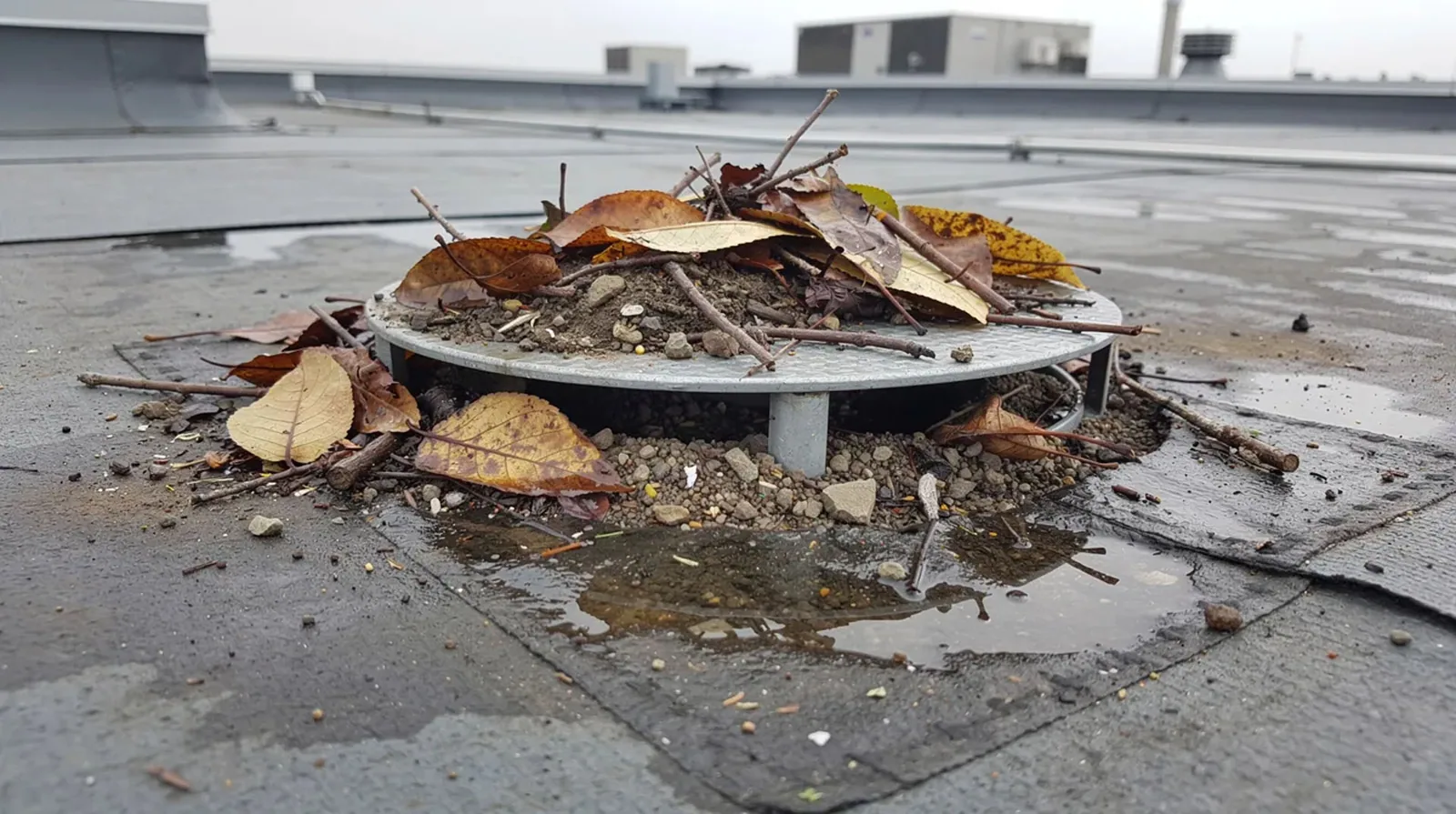
A support or depressed section can hold water before it reaches the outlet. We trace the roof slope and examine low-area seams. Clearing the final opening may not correct that upstream obstruction.

Repairing roof drainage details addresses outlet flashing, obstructions and nearby roofing as found. Slope correction is a separate task where water remains isolated. We review adjoining curbs and wall terminations before adding material, because a higher surface changes how those details connect.

The discharge route may also involve piping beyond the accessible roofing connection. We explain where another trade needs to investigate. A new roof patch cannot clear a concealed pipe. Drainage and weatherproofing are documented separately so the manager can see which part each proposed task corrects and what remains for coordination.

Agree the public separation

Lifting and removed roofing need controlled space before work begins. We review the unloading point and debris route with management. Required exits, staff access and people passing the building remain part of the plan throughout overhead activity.

The marina beside Clam Bayou Nature Park and the Williams Pier area near the Casino Ballroom have different public uses. A property in either setting needs its own operating instructions. We confirm its entrance and permitted staging area rather than treat the waterfront location as permission to place equipment beside it.

The Pinellas Trail passes through Gulfport toward St. Petersburg. For work affecting an adjoining public route, we review the actual site boundary and necessary coordination. Reroofing while interiors remain active also needs a marked room plan, air intake review and notices tied to the daily work area.

Assess damage beneath the surface

Assess damage beneath the surface

Insulation may remain wet after the exterior dries. Before recommending retention, we examine suspect insulation and supporting layers. Covering the surface leaves any enclosed water and deteriorated material beneath the new work.

An infrared survey for suspect moisture can help locate patterns under suitable conditions. Those patterns are examined against construction, with confirmation where required. Findings and access limits are explained separately. The manager knows what evidence supports removal and which concealed areas need more investigation.

Focused repair can suit a defined opening with sound surroundings. Broader deterioration, deck concerns or poor attachment can lead to replacement. For planning the next roof investment, we explain equipment moves, access height, removed materials and protection below. These tasks affect scope and timing beyond the exterior roofing product selected.

Keep the return visit tied to the record

Frequent afternoon thunderstorms characterize the wet season across Tampa Bay. We check current conditions before opening roofing or installing material that needs a dry surface. The daily work area includes a closure plan so the assembly can be protected if conditions change.

Properties in Gulfport and St. Petersburg keep separate roof findings when management coordinates visits. After repair, maintenance visits using the repair map can track outlets, perimeter details and equipment approaches. A new report is then compared with completed work instead of a general memory of an earlier leak.

Urgent roof calls are taken at any hour, including weekends and holidays. Temporary protection is planned only after the roof entry and weather have been assessed. Permanent work follows the assessment. Send photographs and affected room locations or arrange an inspection so we can show the connection and explain the repair your Gulfport building needs.

A manager requesting a St. Pete Beach roof assessment can supply that property's room references and operating contact to help arrange a purposeful examination.

Commercial Roofing Questions

Our lower floor flooded but an upper room leaked later. Should those be one repair?

The water routes need separate investigation. We document roof defects and compare them with the upper-room report. Flood-related damage below may need another assessment. The roofing proposal identifies the assembly work supported by its own findings.

A metal cover was replaced but rain still enters beside it. What do you inspect?

We examine the support, membrane termination and adjoining wall or corner connections. Replacing a face can leave a concealed opening unresolved. The repair boundary follows the failed detail rather than assuming the most recently replaced part is the only possible entry route.

Can roofing proceed beside a public walkway?

Overhead activity needs a protected separation or alternate route. We review lifting, removal and required access with management before scheduling. The plan identifies which tasks affect the walkway and what coordination is needed, rather than relying on a general warning during the work.

Why investigate insulation after the outlet is cleared?

Water may already be enclosed beneath the sheet. Restoring discharge does not remove damage caused by earlier entry. We assess suspect layers and explain any removal before recommending a surface finish that would retain them.

What should we compare when another leak appears after repair?

Use the dated room report and the marked completed-work record. We inspect the new location against nearby roof details and any equipment changes. That helps distinguish a returning defect from a separate opening rather than treating every later drip as the same event.

Send the separate water reports

Share Gulfport roof photographs and interior leak locations or book an inspection. We will explain the water path, material condition and repair priorities.

Request a Roof Assessment   or call 555-555-5555

Call555-555-5555