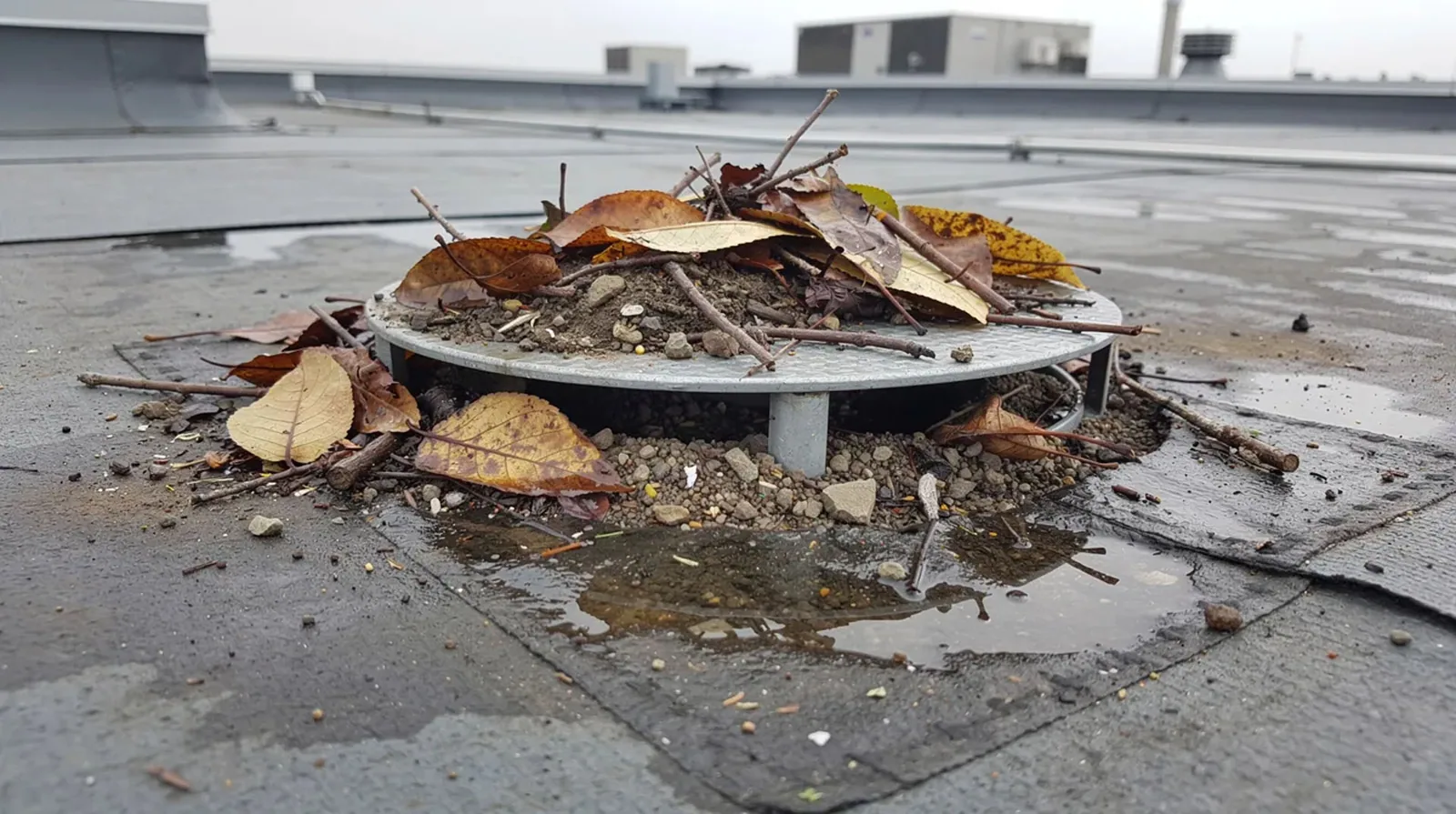
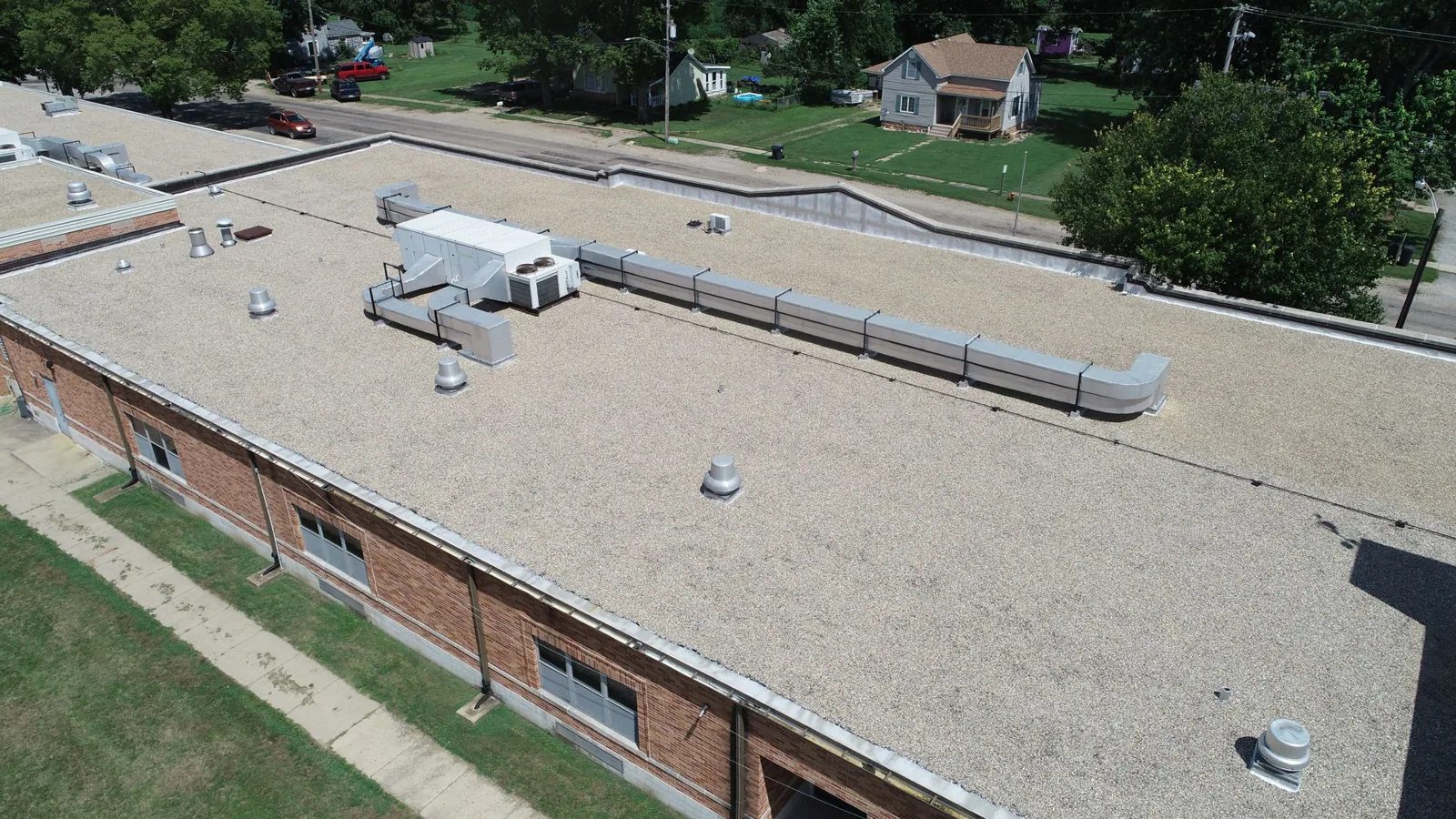
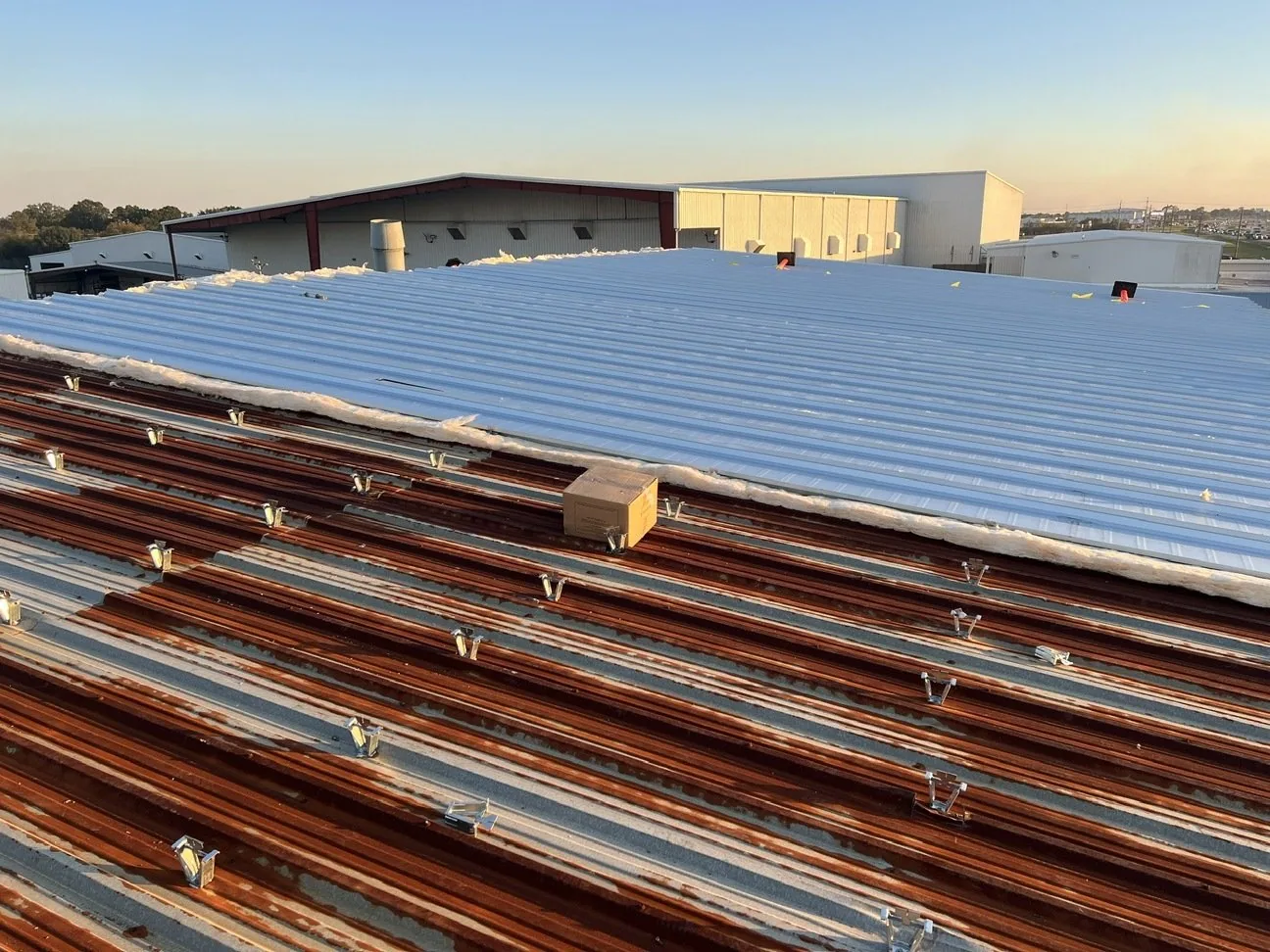
A limited penetration repair can require surface preparation, opening the affected layers and coordinating equipment access. Larger renewal adds removal routes and daily closure steps. We describe those activities to management before assigning the project a working period.
During reroofing above active tenant spaces, intakes, occupants and sensitive contents need protection. The crew opens an area that can be rebuilt or protected within safe conditions. A customer schedule can change sequencing, but it cannot remove weather protection requirements.
Costs reflect damaged material, access, equipment moves and the detail work needed. A roof with many penetrations involves more connections than an unobstructed area of similar size. We explain those differences so material fabrication is considered with the actual installation tasks.
Comparing Sika PVC membrane alternatives or Carlisle single-ply roof proposals requires the same complete assembly review. The property condition and operating restrictions remain part of each alternative. A product preference cannot replace those findings.
Issued warranty documents need review for the property's terms and reporting procedure. A Duro-Last membrane does not alone establish coverage for a proposed repair. We connect the work description with available documents before authorized work proceeds under their requirements.
Finished photographs and repair locations remain in the property record. Later equipment changes can be checked against them, including new openings or altered curbs. Keep inaccessible areas and remaining concerns identified separately so a completed local repair is not mistaken for an investigation of every roof section.
Prefabricated components can reduce field seams in some layouts, but every curb, drain and later equipment change still needs a watertight connection. We measure the roof as installed and verify openings rather than relying only on an older drawing. If a custom piece is proposed, confirm the substrate and dimensions before ordering, then plan temporary protection for the installation window. Field welds and flashing transitions remain part of the closeout inspection. A dry-looking surface does not rule out wet insulation, so the assembly and any suspect areas should be checked before deciding that a new sheet can simply cover the old one.