A local flashing failure can permit a localized repair if the surrounding roofing is sound. Moisture within the insulation enlarges the investigation. We identify affected material and check the deck where needed. The surface patch and the concealed damage belong in the same repair decision.
An infrared moisture investigation can help locate suspect areas under suitable conditions. Physical confirmation supports the removal boundary. We explain how those findings affect a repair, recover or replacement proposal before the dealership selects a broader project.
Pricing changes with vehicle protection, equipment moves, lift access, wet material and the permitted work period. A service-bay roof with several penetrations requires a different sequence from an unobstructed showroom section. We identify the details driving that difference rather than pricing by area alone.
For connected office and service buildings, shared drainage and wall transitions may make separate projects impractical. We show those connections in the scope. Later dealership roof maintenance checks can compare finished repairs with new equipment service and drainage reports, keeping the record useful for the manager.
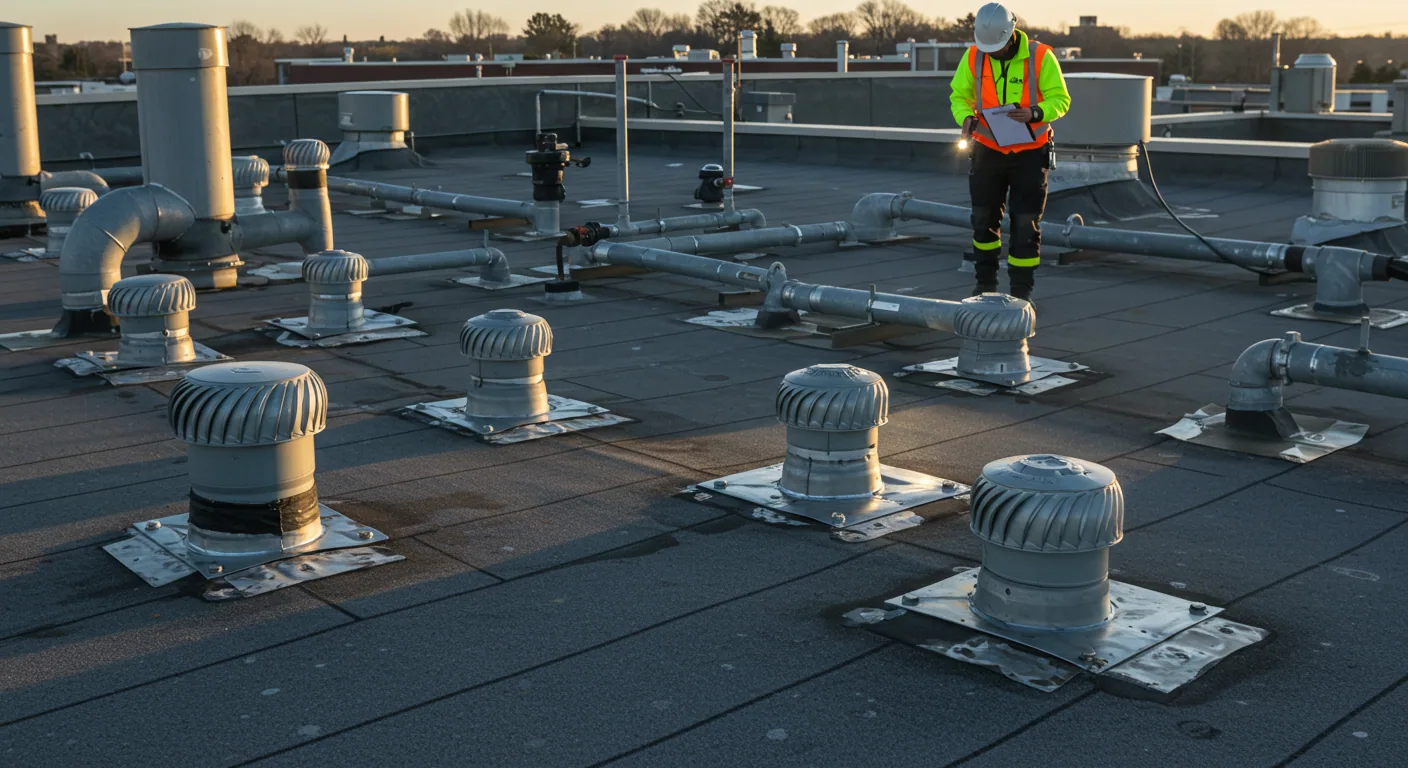
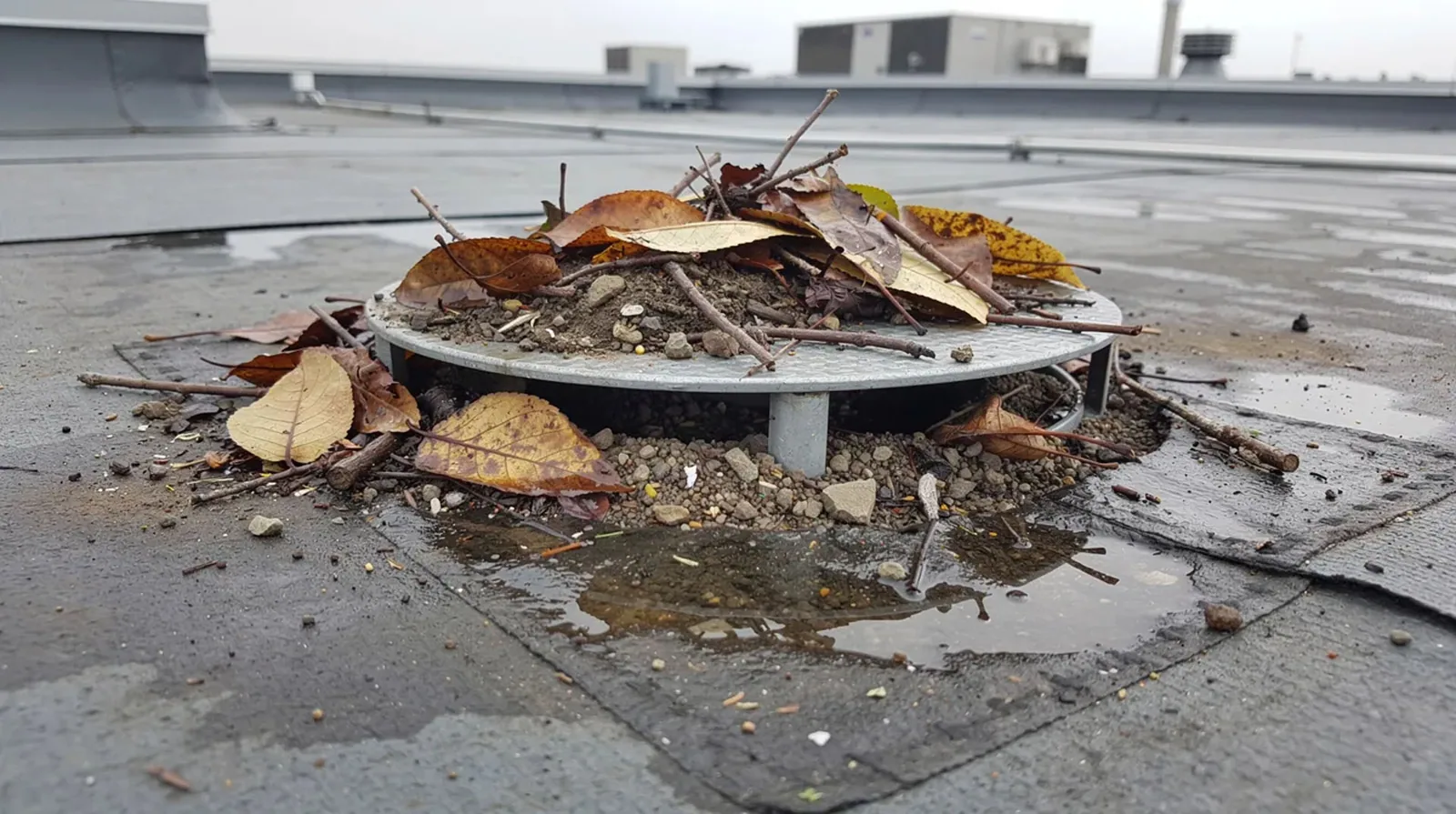
Dealership roof plans should account for sales, service and delivery functions separately. A leak above a shop bay can involve exhaust equipment or a curb, while water at a showroom entrance may trace to a canopy or wall transition. We identify which areas must stay open and where vehicles can be moved before any overhead work starts. The roof inspection also checks drains and discharge paths so wash-down or heavy rain is not confused with membrane failure. A written repair boundary gives the service manager, sales team and property contact a common view of the work window and the space that needs protection.