A care area may have a limited period for overhead work. That period needs enough time for setup, removal, rebuilding and weather protection. We describe the steps individually. A short gap between appointments is not automatically sufficient for an intrusive roofing task.
Through reroofing above occupied medical space, we coordinate interior barriers, intakes, noise and movement routes with facility personnel. Safe exterior conditions still govern the roof opening. A clinical schedule cannot remove the need to close an exposed section before weather changes.
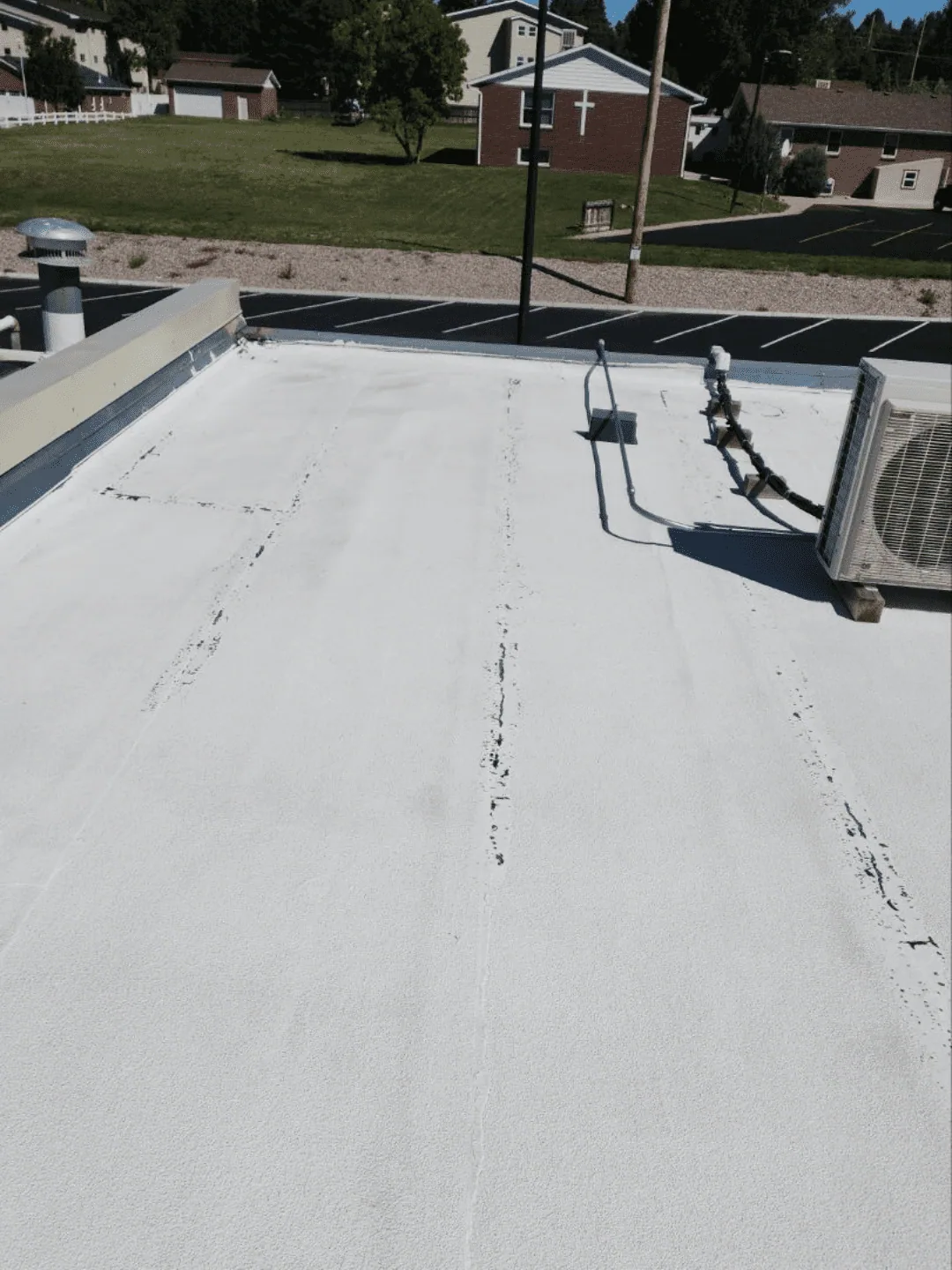
Clearwater and Tampa Bay have repeated summer thunderstorms. Outlets and runoff paths need inspection before opening roof material. Our medical campus roof drainage repairs distinguish obstruction removal from damaged connections or low areas that require a broader correction.
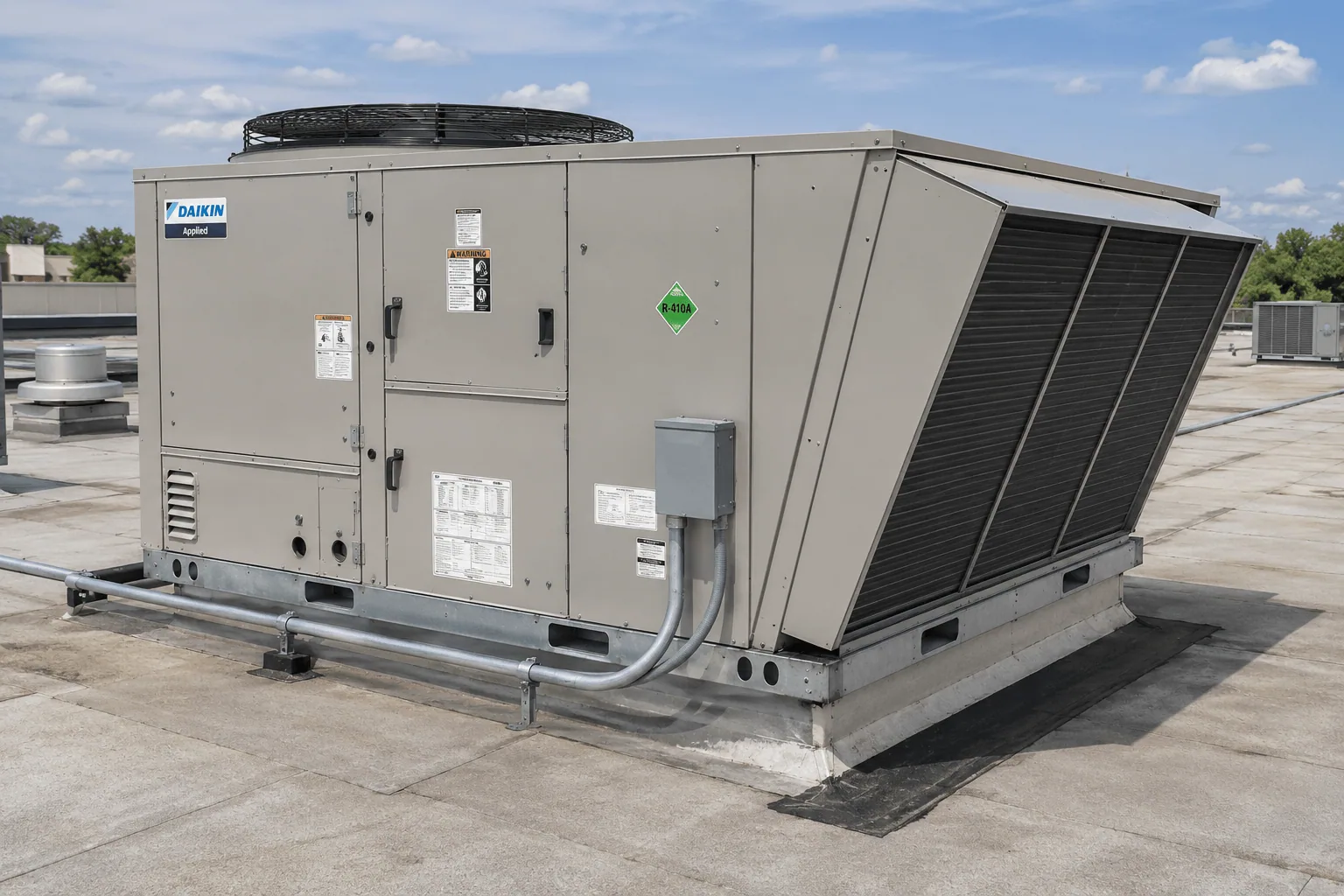
Cost reflects wet insulation, support repairs, equipment involvement and operating restrictions. Separate buildings can require repeated setup and different access procedures. We explain those drivers alongside the roof findings so the facility can review the work as a complete task.
Our medical facility roof records retain completed repair locations and remaining inspection items. Those records help maintenance staff compare later leaks with the repaired detail. Equipment service dates and new penetrations should stay with the same information so a changed roof condition has a clear record.
Following strong coastal weather, observations should separate roof rain entry from lower-level water damage. The Gulf setting at Bay Pines makes that distinction relevant. The roof scope addresses observed assembly defects and drainage; another water path requires its own evaluation rather than an unrelated membrane repair.
Roof work above healthcare space starts with the facility's own boundaries for patient care, ventilation, access and infection-control coordination. We identify which room, air intake or service zone lies beneath the proposed repair and ask the facility contact to confirm restrictions before a task is scheduled. A moisture survey can narrow the area for follow-up, but it does not replace direct confirmation where the assembly requires it. The written scope distinguishes roof work from mechanical or interior work and names any access limitation. That makes the decision reviewable without assuming that two separate buildings share the same construction or operating requirements.