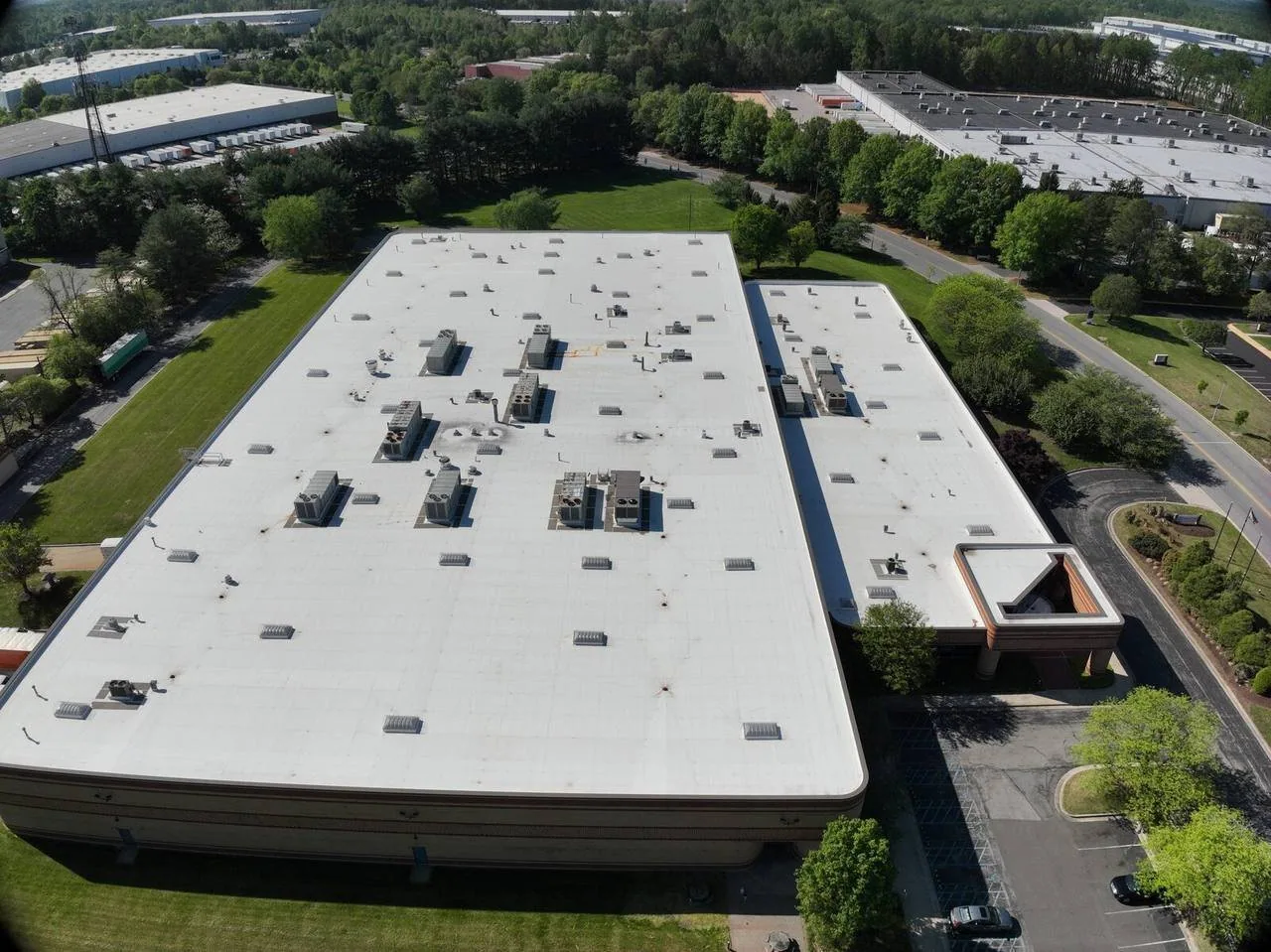
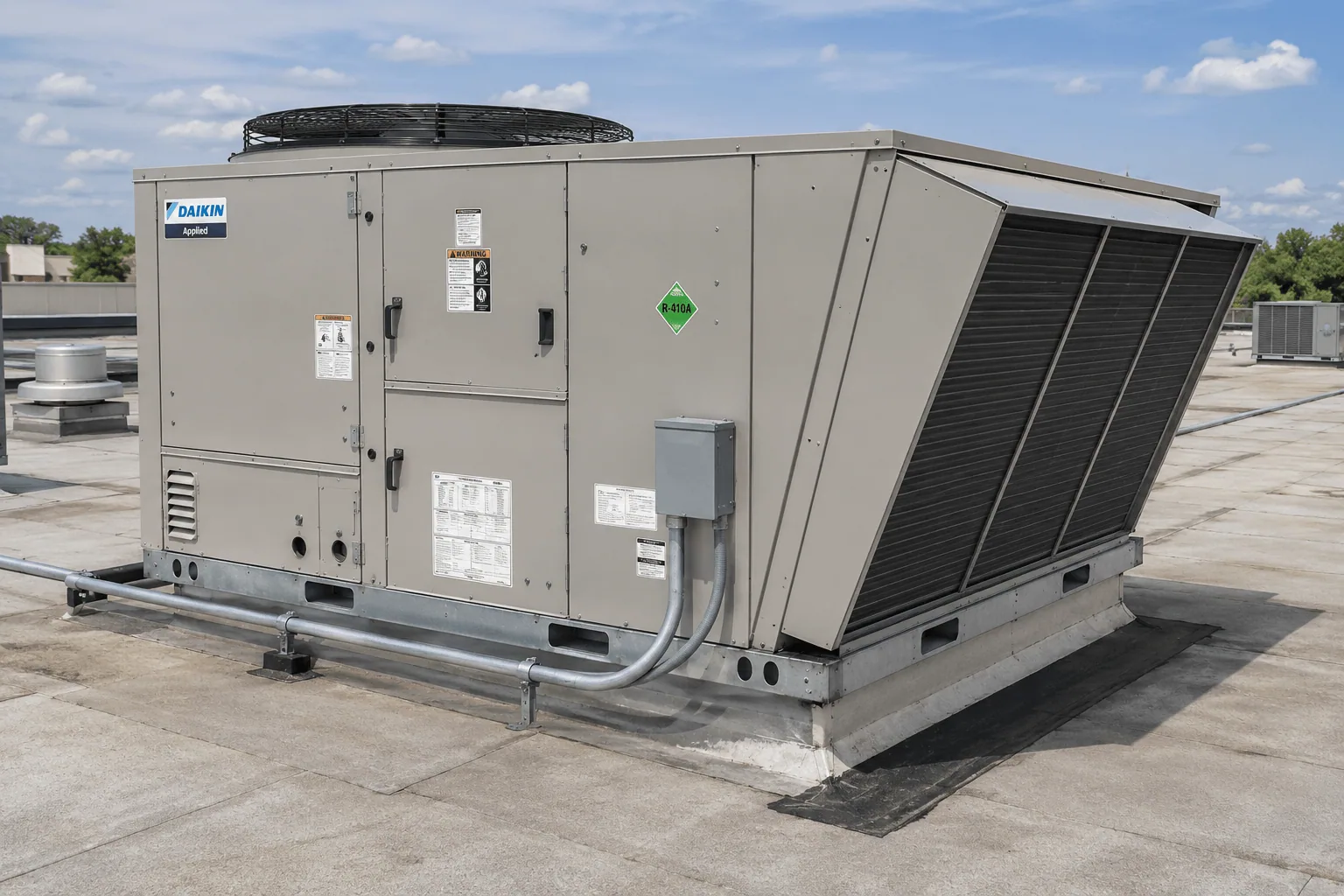
Coast Guard Station Roofing in Clearwater, FL

Coast Guard roof work in Clearwater checks corrosion, flashing and drainage. We explain each building's damage and coordinate authorized access and operations.

A station roof can develop a leak beside corroded edge metal. The metal deteriorates, its connection loosens and rain reaches the roofing termination. Repairing the membrane alone can leave the damaged edge in place. The inspection needs to include both parts of the connection.

Coast Guard station roofing in Clearwater, FL begins with the affected building and its actual assembly. We inspect accessible edges, penetrations and outlets, then explain which material needs repair or replacement. The scope distinguishes active leakage from developing attachment or corrosion concerns.

Coast Guard Air Station Clearwater is at St. Pete-Clearwater International Airport. Its facilities include aircraft maintenance hangars, headquarters, crew quarters, dining and a medical clinic. Those different functions need different work arrangements. We establish the authorized building contact and operating restrictions before an inspection or construction activity is scheduled.

Check what holds the edge

Check what holds the edge

A discolored metal surface deserves examination, but appearance alone does not establish structural condition. We inspect accessible joints, attachment points and supporting material. Corrosion can affect the connection beneath the visible cover. The repair scope needs to identify that condition rather than specify new metal over an unresolved support problem.

Our edge metal and coping corrections address the roof termination and its components. New material must suit the assembly and applicable project requirements. Compatible connections matter where unlike metals or unsuitable repair products could introduce another deterioration problem.

Pinellas County's coastal humidity and salt-air exposure make those observations relevant to roof upkeep. The inspection still records the condition of the actual station building. Regional exposure explains what deserves attention; it does not prove that an attachment has failed or establish the amount of material requiring replacement.

Separate the building functions

A headquarters roof can have occupied offices beneath the task. Crew quarters add resident movement and sleeping schedules. Dining areas require protection coordinated with food operations. We identify the rooms affected by the authorized roof section instead of assigning one work arrangement across the installation.

The operating concerns on crew housing roofs differ from those on maintenance hangar roofs. We describe noise, opening areas and material movement to the facility contact. Leadership then establishes restrictions appropriate to the function below.

A medical area may require separate intake and interior protection decisions. The appropriate facility personnel identify those requirements. Our roofing plan accounts for them before work begins. A room name on a drawing is a starting point, not permission to interrupt its operation.

Arrange the inspection route first

Arrange the inspection route first

Personnel entry, escorts and permitted vehicle areas belong in the access discussion. A roof inspection can require equipment that has its own movement limits. We identify those needs through the authorized contact before committing to a date that assumes unrestricted access.

Our military installation roof services include review of the project requirements and applicable Unified Facilities Criteria for roofing. Supporting records, repair details and required submittals are addressed for the authorized scope. Access approval and material approval are distinct steps in that process.

For work in the airport industrial district, material delivery also needs a controlled route and unloading area. The Bayside Bridge connects eastern Clearwater with the airport area. Arrival planning uses that road context, while airport and station procedures govern movement inside the property.

Inspect water paths after strong weather

A loose edge may be the visible storm defect, while damaged drain flashing creates a separate leak. We inspect accessible outlets and follow runoff through the affected section. Debris removal and assembly repair need to be described separately so the facility knows what each task accomplishes.

Our station roof drainage repairs check the outlet connection and surrounding roofing. A low area holding water after cleaning requires further investigation. Repeated surface patches cannot correct an elevation problem or rebuild deteriorated material beneath an outlet.

Hurricane Helene produced record surge at Clearwater Beach in September 2024. Surge damage and roof rain entry involve different paths. After a coastal event, we identify observed roof damage separately from water that entered at lower levels. That distinction helps keep the roof scope tied to conditions it can actually correct.

Explain the section before opening it

Explain the section before opening it

A roof edge repair may require removing adjacent membrane and insulation to reach sound material. We identify that boundary through inspection and authorized investigation. Wet layers or deck deterioration can expand the work. The contact receives the reason before a localized defect becomes a larger removal scope.

For roof work above operating station spaces, the daily sequence identifies temporary weather protection and interior restrictions. Rain, wind and the available access period limit the opening. A mission schedule cannot make an unsafe exterior task workable, so changes need a clear coordination path.

Cost reflects supporting repairs, wet material, roof height, access controls and permitted working periods. Several building functions can add separate setup and protection tasks. We show those items with the repair description rather than treating every roof area as an unobstructed surface.

Our station roof condition records retain permitted photographs, locations and finished details. Areas still needing access remain identified. Maintenance personnel can compare a later corrosion or leak report with that record before deciding whether it involves the repaired connection or another part of the building.

Retain equipment service dates alongside the roof information. A new penetration or damaged walkway can create a defect unrelated to the original edge repair. Reviewing those changes helps direct the next inspection toward the relevant detail without assuming that every new report has the same cause.

At an operational station, the person authorizing access should identify which spaces and routes must stay available throughout the repair. We document the roof area, nearby communications or mechanical equipment and any restricted view or photography requirements before the crew arrives. After severe weather, standing water, wind damage and coastal flooding are separate observations, even when they affect the same building. The report records what is visible on the roof and what requires another inspection or trade. That clarity helps the facility decide whether to stabilize one detail, investigate a larger area or coordinate separate building-envelope work.
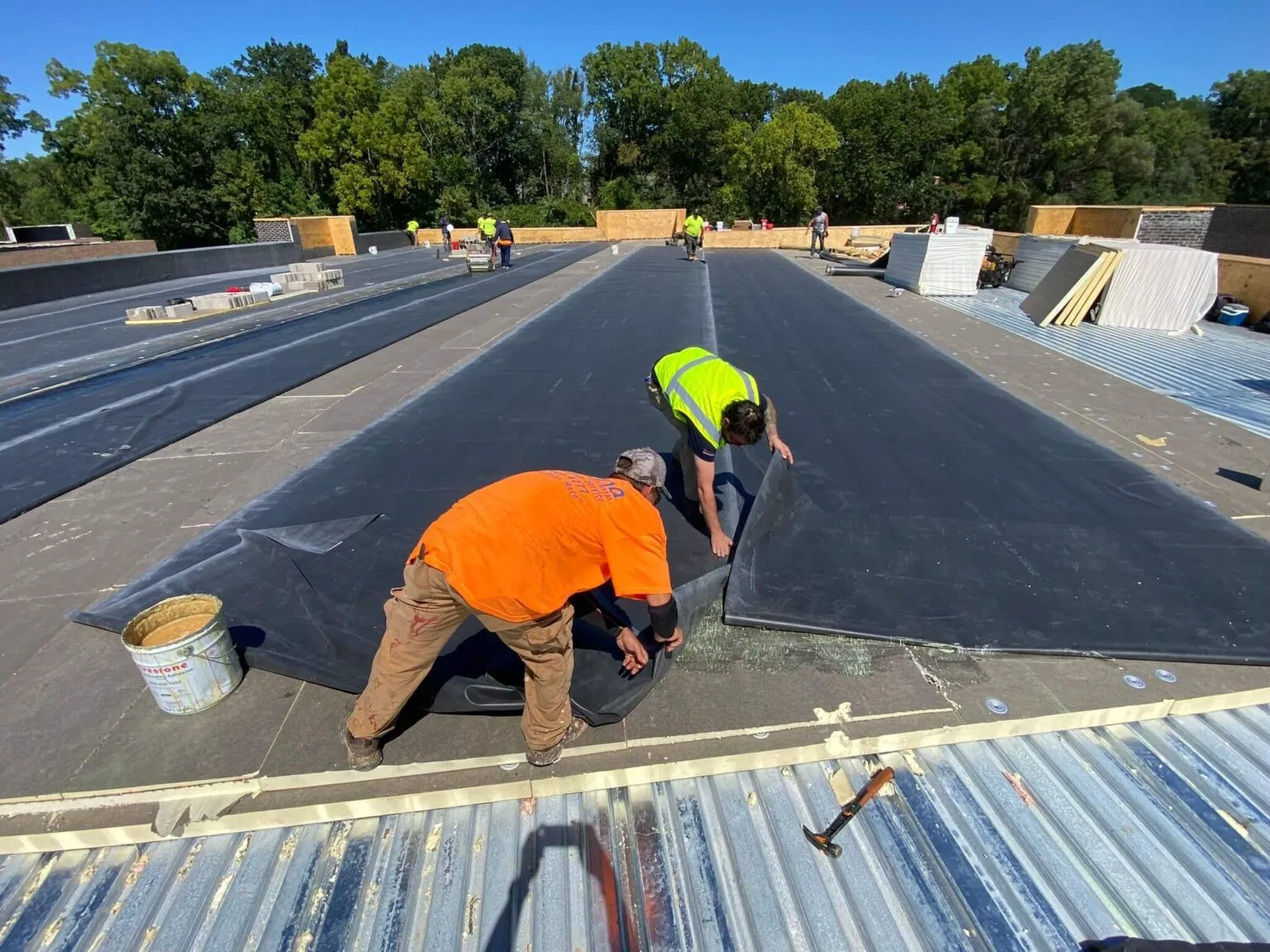
Commercial Roofing Questions

Does rust on coping mean the entire edge must be replaced?

Material and attachment condition establish the scope. Surface discoloration differs from deteriorated metal or support. We inspect accessible components and identify where repair is suitable and where replacement is needed.

Can the dining building stay active during nearby roof work?

Food operations, air intakes and overhead exposure govern the separation required. We explain the task to the facility contact before the operating decision. Work directly above a vulnerable area may require a different period from work on a distant section.

Should storm surge and roof leaks be included in one repair description?

Each entry route needs separate findings. Roof work addresses defects in the roof assembly and related drainage. Lower-level flooding requires its own evaluation. We identify the observed roofing conditions so the scope does not assign unrelated damage to the membrane.

Do you need permission to photograph the inspected roof?

Facility documentation rules apply to the inspection. We agree permitted images and location records through the authorized contact. Restricted areas remain outside that permission until the appropriate access and documentation arrangements are provided.

What is required for an emergency roof call after hours?

Provide the authorized station contact and access procedure. We take roof emergency calls at night, on weekends and during holidays. Conditions and permission control immediate measures, followed by an explanation of the permanent repair when inspection is possible.

Send the building and affected edge

Arrange an authorized inspection or share permitted photographs. We will explain the edge, drainage and assembly findings for your facility team.

Request a Roof Assessment   or call 555-555-5555

Call555-555-5555