Military Hangar Roofing Serving Clearwater, FL

Military hangar roofing serving Clearwater checks joints, curbs and drains. We explain damage and coordinate aircraft protection and authorized work areas.

A maintenance hangar can leak where a roof penetration interrupts a metal panel's movement. The panel heats and cools. Its connection to a fixed curb must accommodate that change. A rigid patch can split and send rain into the maintenance space below.

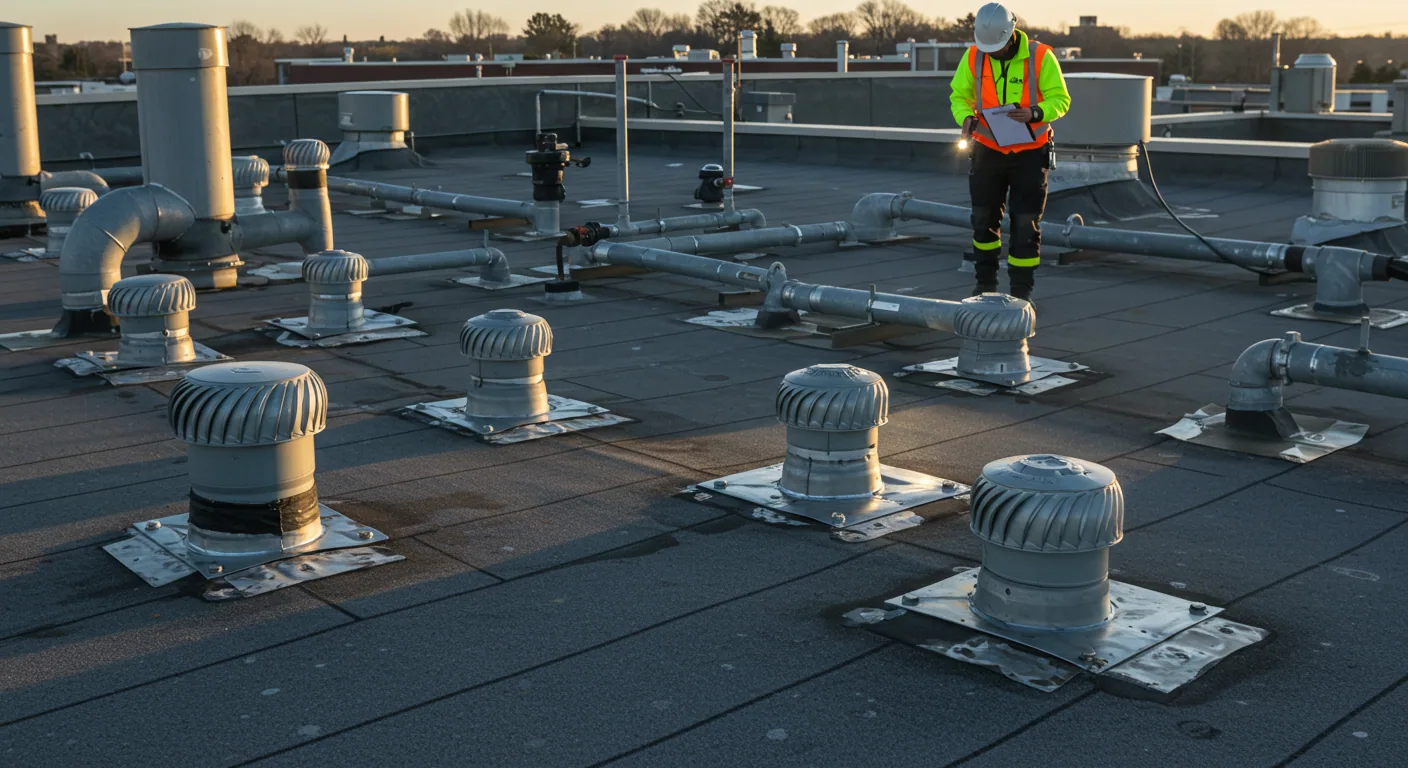
Military hangar roofing serving Clearwater, FL begins with the roof detail and the operation beneath it. We inspect accessible joints, attachments, penetrations and drainage. The explanation identifies the failed component and any investigation needed before the removal area is defined.

Coast Guard Air Station Clearwater has two large aircraft maintenance hangars at St. Pete-Clearwater International Airport. The Army Reserve also maintains an aviation support facility at that airport. A roofing scope identifies the actual authorized building and operator. Adjacent facilities do not share automatic access permission or identical roof requirements.

Inspect the fixed-to-moving connection

Inspect the fixed-to-moving connection

A curb may remain fixed while roof panels change length with temperature. Flashing across that interface needs the appropriate movement detail. We inspect panel terminations, joints and supporting connections before choosing a repair. Adding sealant across the gap can restrain movement without correcting the underlying arrangement.

For standing seam maintenance and repair, clip locations and seam condition are relevant inspection points. Exposed-fastener roofing has different details to examine. We identify the installed system rather than selecting a repair from the building's appearance inside.

Corrosion and prior repairs can limit the sound material available. Where metal or support is deteriorated, the scope may need replacement of components. We explain that boundary with permitted observations. A usable new connection depends on more than covering the visible opening.

Control exposure above aircraft

A roof opening above an aircraft creates consequences beyond a wet ceiling. Loose material, dust and falling debris need a controlled work zone. We discuss intrusive tasks with the facility operator before removal. Aircraft and maintenance equipment relocation belongs with the personnel authorized to manage them.

The separation needed for aircraft hangar roof projects also applies to interior inspection access. A test opening can require protection even if the construction project has not started. We identify its location, method and closure arrangements through the approved process.

Tools and packaging need handling controls outside as well as inside. The work plan identifies storage and removal paths so loose material does not enter operating areas. Staff need a clear route for reporting a change in aircraft movement or maintenance activity that affects the roofing task.

Compare the task with the permitted window

Compare the task with the permitted window

A mission window can be shorter than the time required to remove and rebuild a roof detail. We describe preparation, lifting, repair and closure separately. The operator can then evaluate the full task rather than allocating only the installation time.

With authorized military roof work, personnel access, escorts and vehicle limits are settled through the facility contact. The roofing scope is reviewed against applicable Unified Facilities Criteria and project requirements. A material choice still needs a compatible assembly and appropriate details.

For a project in the airport industrial area, deliveries require approved unloading and staging locations. A lift position can affect both roof access and operations on the ground. We resolve that position before the crew relies on it to complete an opened section.

Check the water and air routes

A maintenance exhaust curb can leak at its roof connection, while the equipment creates a separate moisture issue. We compare rainfall timing with operating reports. The relevant equipment trade checks the unit and ventilation arrangement; we inspect the flashing and affected roofing.

Our maintenance equipment curb repairs address that exterior connection. Abandoned penetrations and unsupported service routes receive separate findings. A new flashing detail should not be covered by equipment that prevents future inspection or directs water onto it.

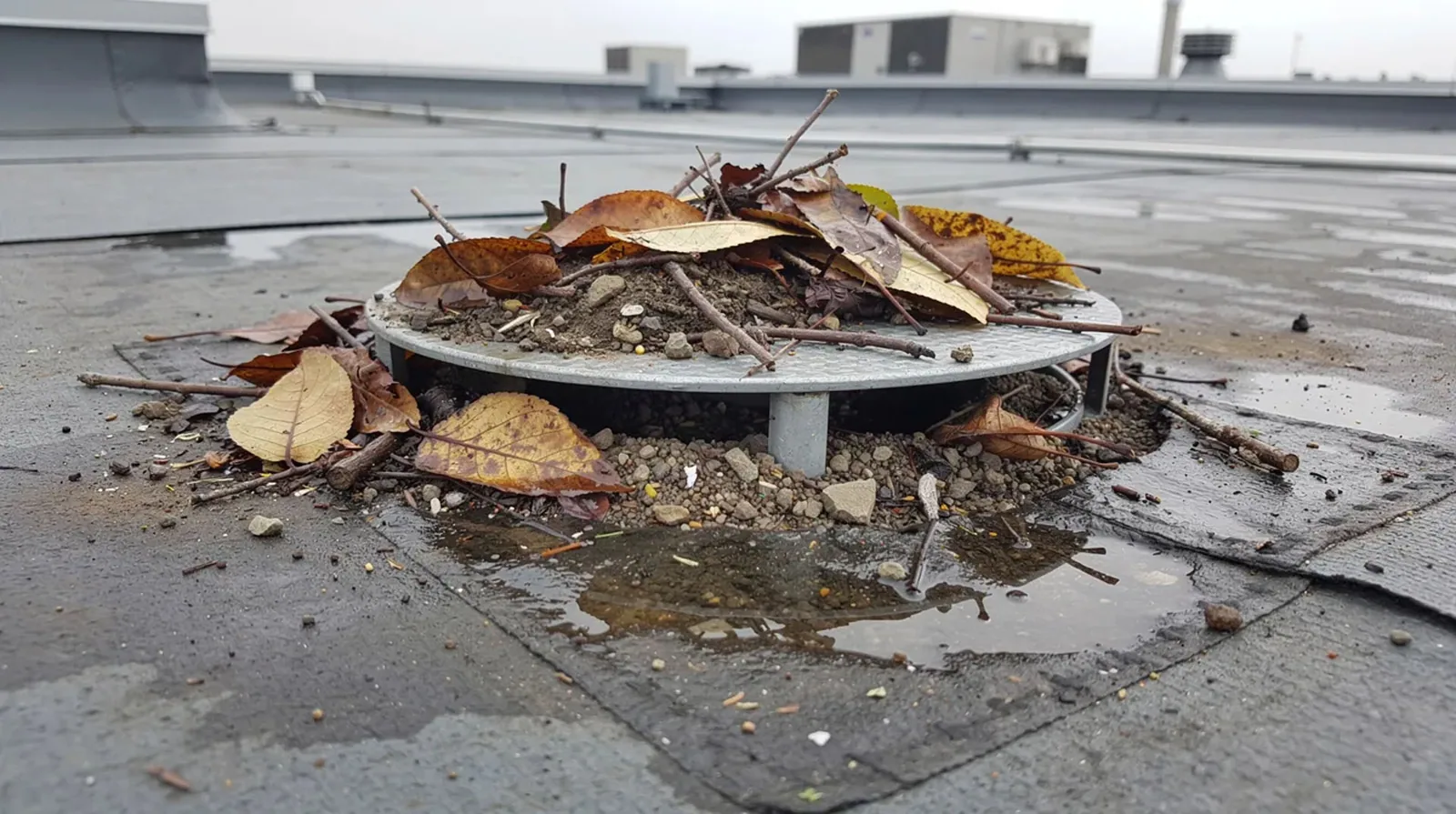
Hurricane Milton brought strong winds and heavy rain to parts of Pinellas County. A post-event review needs accessible attachments and outlets inspected alongside reported leaks. Through hangar outlet repairs, we distinguish a blockage from damaged drain flashing or a persistent low area. The correct scope follows the observed condition.

Confirm the layers before renewal

Confirm the layers before renewal

Wet insulation or damaged support can extend beyond a visible panel defect. We discuss authorized investigation to establish that condition. Retained material needs to be suitable for the new connection. A repair boundary cannot be chosen solely from the dimensions of the interior stain.

A proposed retrofit roof assembly requires evaluation of weight, attachment, drainage and the supporting structure. Existing metal may provide part of the assembly, but its suitability needs assessment. Where engineering information is required, we identify that dependency before presenting installation as ready to proceed.

Costs change with aircraft protection, access, lifting, supporting repairs and work periods. Material delivery and approval timing can affect the start separately from crew availability. We show those dependencies so the operator can plan a workable maintenance interruption.

Related station support building roofs remain separate inspection items. A hangar finding does not establish the condition of a headquarters or quarters building. The facility record should distinguish those assemblies while identifying any connected drainage or shared work routes.

Clearwater's summer thundershowers also affect daily closure planning. The permitted opening must allow protection before weather or access ends the task. We explain how the roof section will be closed and who receives notification if conditions force a sequence change. That arrangement is part of the roof work, rather than a decision left until material has been removed.

Completed details receive a location record and photographs where permitted. Maintenance personnel can compare later reports with the repaired panel, curb or outlet. Retain remaining concerns as separate items so completed work does not obscure a different area still awaiting investigation.

Maintenance buildings can combine large roof fields with curbs, doors and equipment that interrupt the membrane or metal panels. We mark each transition and verify whether the water entry is at a fixed connection or a joint designed to move. Before opening roofing above an active area, the facility contact confirms equipment protection and the authorized work period. A retrofit or repair recommendation then accounts for panel support, curb condition and the path for runoff. If aircraft or maintenance schedules change, the work can be closed at a planned stopping point rather than leaving a partially opened section without agreed protection.

Commercial Roofing Questions

Can a metal panel repair keep the existing curb?

A sound curb and suitable movement detail may permit retention. We inspect its support, flashing and connection to the panel. Damage or an unsuitable interface can require rebuilding more than the visible split.

Is aircraft relocation needed for a moisture investigation?

The opening method and exposure below govern that decision. Some investigations remain exterior, while others require intrusive checks. We identify the proposed locations and protection needs with the operator before proceeding.

Why does a retrofit need supporting information if the old roof is still standing?

The added assembly changes weight and attachment demands. Current appearance does not establish capacity or suitable connections. We review available information and identify further evaluation required for the proposed system.

Can the work pause if aircraft movements change during the day?

The protection sequence needs a planned response to that interruption. We coordinate work limits with the operator and avoid an opening that relies on unrestricted access later. A changed operating window can require a smaller section or different task.

How can the duty team request roof assistance overnight?

Provide the authorized building contact, leak location and access requirements. We receive emergency roof calls during nights and holidays. Immediate measures require safe conditions and permission, followed by an explanation of the permanent correction after assessment.

Share the work window and damaged detail

Arrange an authorized roof inspection or send permitted photographs. We will explain the panel, curb and drainage findings with the operator.

Request a Roof Assessment   or call 555-555-5555

Call555-555-5555