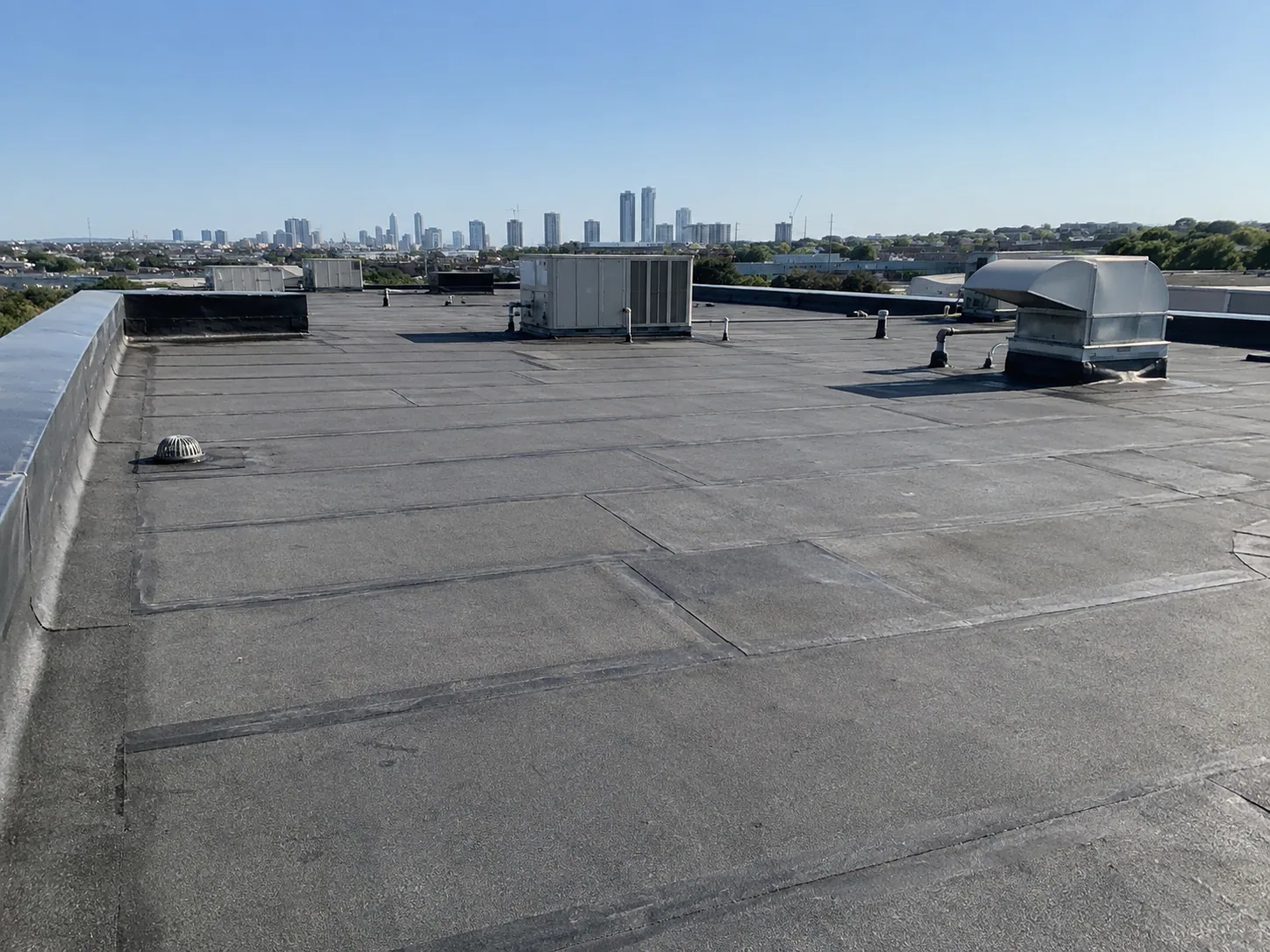
Commercial Roofing in St. Pete Beach, FL

St. Pete Beach commercial roofing examines hotel curbs, restaurant exhaust and coastal edges. Our Clearwater team explains repairs and occupied work planning.

A hospitality roof in St. Pete Beach can leak at an equipment curb after service work disturbs the flashing. The unit may be operating normally. Its weather connection still needs inspection before the ceiling report is treated as an equipment problem or a field-sheet defect.

We repair and replace commercial roofing in St. Pete Beach, FL, serving the area from Clearwater, FL. Inspections, maintenance and suitable restoration begin with the installed assembly. We explain its attachment, drainage and affected layers. The manager sees what needs rebuilding and which access or operating changes are required for that work.

Corey Avenue forms the downtown area with restaurants, bars and retail. The Don CeSar is a Gulf-front landmark resort, and the Pass-a-Grille Historic District lies at the beach's southern end. Those different settings need property-specific schedules and protection plans alongside a direct roof assessment.

Inspect the serviced connection

Inspect the serviced connection

A curb flashing needs sound corners, termination and connection to the membrane. We check those parts with the equipment support and nearby service path. A unit move can change the detail, while sharp debris or tools can damage the surrounding sheet.

Roof work at equipment curbs identifies any lifting or stabilization needed before final repair. The equipment contractor handles its unit within the agreed sequence. We then rebuild the compatible weather connection rather than finish roofing that a later adjustment must reopen.

Report whether the drip follows rain or equipment operation. Condensate and roof water can produce similar interior symptoms. We compare timing with the physical findings and explain when another trade needs to participate. A patch should not be specified as the solution to a unit leak without examining the actual route.

Coordinate exhaust and public access

A restaurant exhaust can contaminate its surrounding repair surface. We examine that area and explain cleaning or removal needed before bonding or welding. Preparation must suit the roof material; a neat patch over an unsuitable substrate may still have a weak connection.

Roofing above restaurant activity includes exhaust coordination and intake review. Management identifies kitchen hours, deliveries and public routes. We explain removal, fastening and any temporary service changes so the work can be scheduled around the real operation.

Corey Avenue's retail and dining activity provides useful operating context. We still confirm the particular property's entrance and staging area. A district location does not establish a delivery route or permission to place a container. Lifting, debris removal and protected customer movement are agreed before selecting equipment and arrival dates.

Examine present construction at each level

Examine present construction at each level

A landmark building can have several roof materials across additions and repairs. We identify what is installed now and inspect the transitions. Historic status does not establish current membrane type or concealed condition.

For roof work at an operating resort, room use and noise restrictions are reviewed with management. We show which spaces sit under the proposed task and discuss air intakes, terraces and entrances. The work boundary gives staff useful information before they reserve rooms or notify guests.

The Don CeSar's landmark setting and the Pass-a-Grille Historic District are reasons to review applicable project requirements where roofing changes are proposed. Repair choices still follow inspection. The roof report separates visible defects, further investigation and any constraints relevant to the actual building rather than assuming one historic property represents another.

Document the roof's own storm evidence

Water entering through a roof opening and water rising at ground level need separate records. We inspect disturbed edges, seams and penetrations, then compare them with interior reports. A flooded lower room does not establish that the roof admitted the water.

High coastal water affected Pinellas County during Helene in September 2024. These coastal county observations are storm context rather than a reading at an individual St. Pete Beach building. Our roof repairs after severe weather follow actual material and connection findings.

Coastal humidity and salt-air exposure make perimeter metal worth checking closely. Restoring damaged roof edge connections includes support, fastening and membrane termination where affected. Surface staining and weakened attachment are different conditions. We explain which one was found before recommending preparation or replacement of the detail.

Assess runoff before retaining layers

Assess runoff before retaining layers

A blocked outlet and wet insulation can exist together. Clearing surface discharge does not remove enclosed moisture. We inspect the water route and investigate suspect layers as distinct parts of the assessment.

Repairs at drains and roof outlets examine the flashing connection as well as debris. A depressed area may need slope correction instead. Added material changes nearby curb and termination heights, so those connections need review before the field is raised.

A coating or recover requires suitable retained roofing. We check adhesion, attachment and moisture before recommending it. Localized damage may be removed and rebuilt within sound surroundings; broader deterioration can lead to replacement. Equipment coordination, work height and interior protection affect each scope. The owner receives complete options rather than a comparison of exterior finishes alone.

Keep the daily closure clear

Tampa Bay's wet-season afternoon storms affect safe access and installation conditions. We plan exposed work within the available window and explain how the daily area will be closed. Unfinished connections at retained roofing need temporary protection until permanent work is complete.

Properties in St. Pete Beach and Treasure Island retain separate findings even when visits share management. After repair, keep the marked locations and remaining concerns with the roof record. New water reports and equipment changes can then be compared with completed details.

We take urgent roof calls through the night, on weekends and during holidays. Safe entry and weather are reviewed before temporary protection. Send room locations and photographs or book an inspection. We will explain the damaged connection, required material work and practical sequence for your occupied property.

Roofing in Gulfport can be coordinated with another assignment once its operator has accepted the personnel route and practical receiving arrangements.

St. Pete Beach includes the Corey Avenue downtown area, Gulf-front lodging and the Pass-a-Grille Historic District. Each property has distinct guest, public-access and preservation considerations, so the manager should confirm restrictions before inspection and material delivery. Helene raised water levels along coastal Pinellas County in 2024; roof and flood-related entry still need to be traced separately at the building. We examine the installed assembly, edge details and runoff path, then explain what is visible and what requires follow-up. That keeps the repair plan grounded in the roof's present condition and the property's real operating calendar.

Commercial Roofing Questions

The unit was serviced before a drip appeared. Does that establish the cause?

Timing makes the area worth examining but does not establish the water route. We inspect curb flashing and nearby sheet while the equipment contractor can check condensate and the unit. The findings determine whether roofing, equipment service or both are needed.

Can a restaurant patch bond to a grease-covered surface?

The repair needs appropriate preparation and a suitable substrate. We inspect contamination and explain cleaning or material removal before the patch method is selected. Exhaust coordination may be required so new contamination does not affect the prepared work area.

Does historic designation establish a replacement specification?

The installed roof and applicable project requirements need separate review. We identify current material, connections and supporting condition, then discuss constraints affecting proposed changes. Historic status alone cannot select the compatible repair detail or establish concealed damage.

Why separate ground-level flooding from the top-floor roof report?

They may involve different entry routes and repair responsibilities. We document roof openings against the interior locations they can affect. Flood and other building damage receive separate assessment, keeping the roofing proposal tied to the defects found on the assembly.

Can we coordinate two beach properties in one maintenance schedule?

A shared contact can coordinate dates, but each roof needs its own condition and access record. Materials, drainage and repairs can differ. We compare the individual findings so scheduling efficiency does not replace a building-specific repair decision.

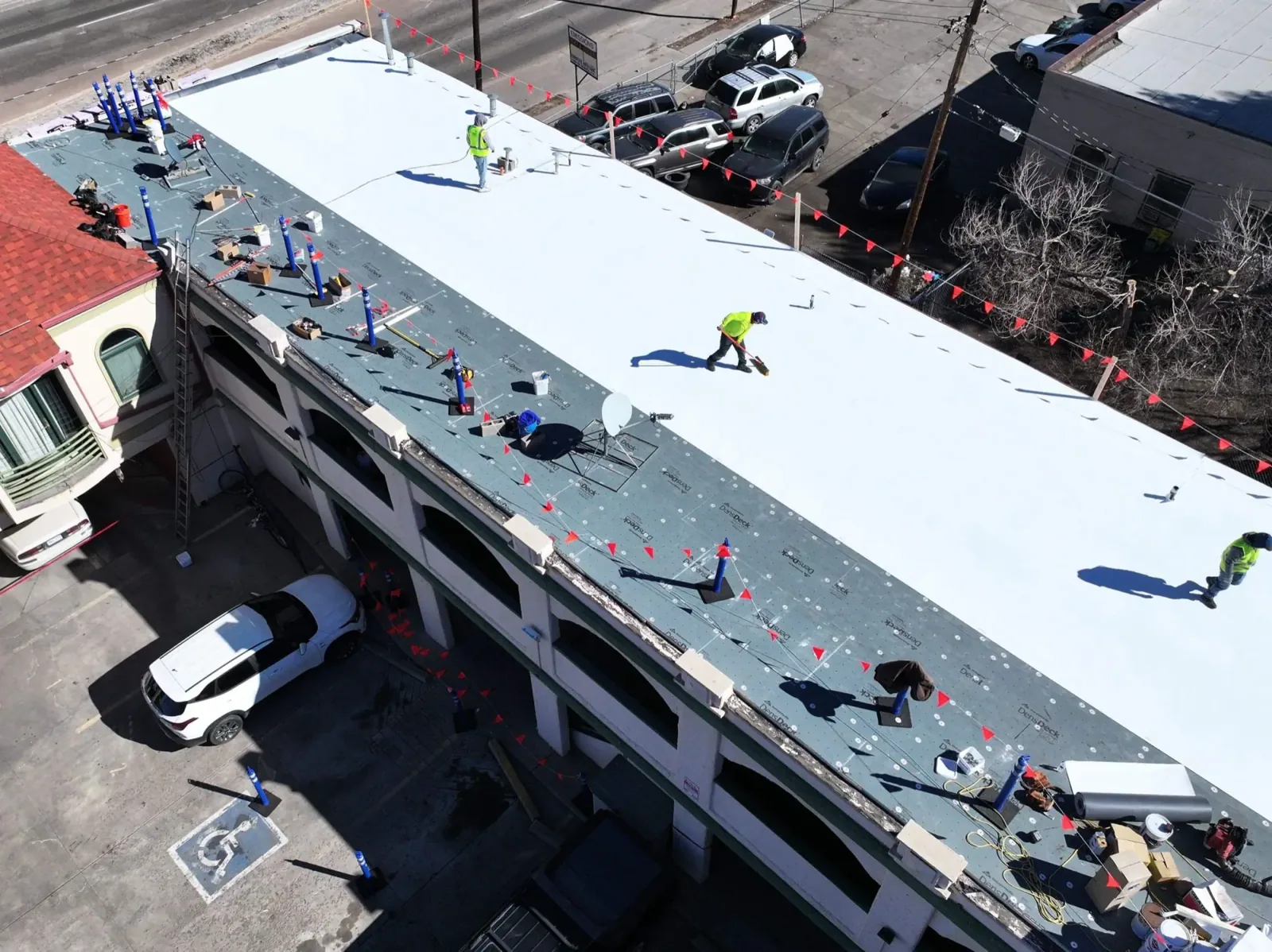
Share the room and service history

Send St. Pete Beach leak photographs and recent equipment changes or arrange an inspection. We will explain the roof findings and occupied-property work plan.

Request a Roof Assessment   or call 555-555-5555

Call555-555-5555